


Is Tiramisu Made With Bhindi? What The Ladyfingers Used In The Dessert Actually Are


It has happened to more Indians than anyone is willing to admit. You see a tiramisu recipe, you read the ingredient list, and somewhere between the mascarpone and the espresso, the words “ladyfingers” appear. And somewhere in your brain, the Hindi-to-English translation that has served you perfectly well your entire life fires confidently and helpfully: ladies fingers, ladies fingers, that is bhindi. Okra. The long, green, slightly slimy vegetable that your mother made with onions and dry spices for lunch. And for a moment, sometimes more than a moment, you sit with the very genuine confusion of why a classic Italian dessert would require bhindi, and whether the stickiness is actually doing something structural. It is not. It is a biscuit. Here is the full story of how this confusion came to exist, and what the ladyfinger in tiramisu actually is.
Also Read: From Triveni Café To Clayful, 6 Must-Visit Cafes In Delhi NCR For Art Lovers
The Bhindi Problem Is More Widespread Than You Think
Before anything else, some reassurance: you are not alone in this confusion, and you are not uninformed for having had it. It is one of the most consistently recurring culinary misunderstandings among Indian readers of English-language recipes, and it has been generating dinner table arguments and slightly horrified expressions for decades.
The blog post that became famous for documenting this confusion was written by Kamal D Shah in 2013. He described a dinner where his friend Pushkar announced to the table, with great authority, that tiramisu is made with bhindi. Two people who had just ordered tiramisu immediately stopped eating. The table is divided into three factions: those who believed it, those who strongly protested, and those who were genuinely uncertain and therefore more anxious than either of the other groups. A smartphone search quickly resolved the matter; the ladyfingers in the recipe were not the vegetable, but the story resonated so deeply that people are still finding the blog post over a decade later, leaving comments that say “the exact same argument just led me here.”
In 1998, the Washington Post ran a piece about a young woman of Indian heritage who made tiramisu for the first time, saw “ladyfingers” in the ingredient list, and substituted okra. The resulting dessert was, by all accounts, not a success. The story is probably the most famous written record of the bhindi-tiramisu confusion, but it is one of many.
What this tells you is that the confusion is not random or silly. It is the logical and entirely predictable result of a genuine English naming overlap, and understanding it requires understanding two completely separate histories: the history of the biscuit, and the history of why okra came to be called ladies’ fingers in British-influenced English.
What The Ladyfinger Biscuit Actually Is
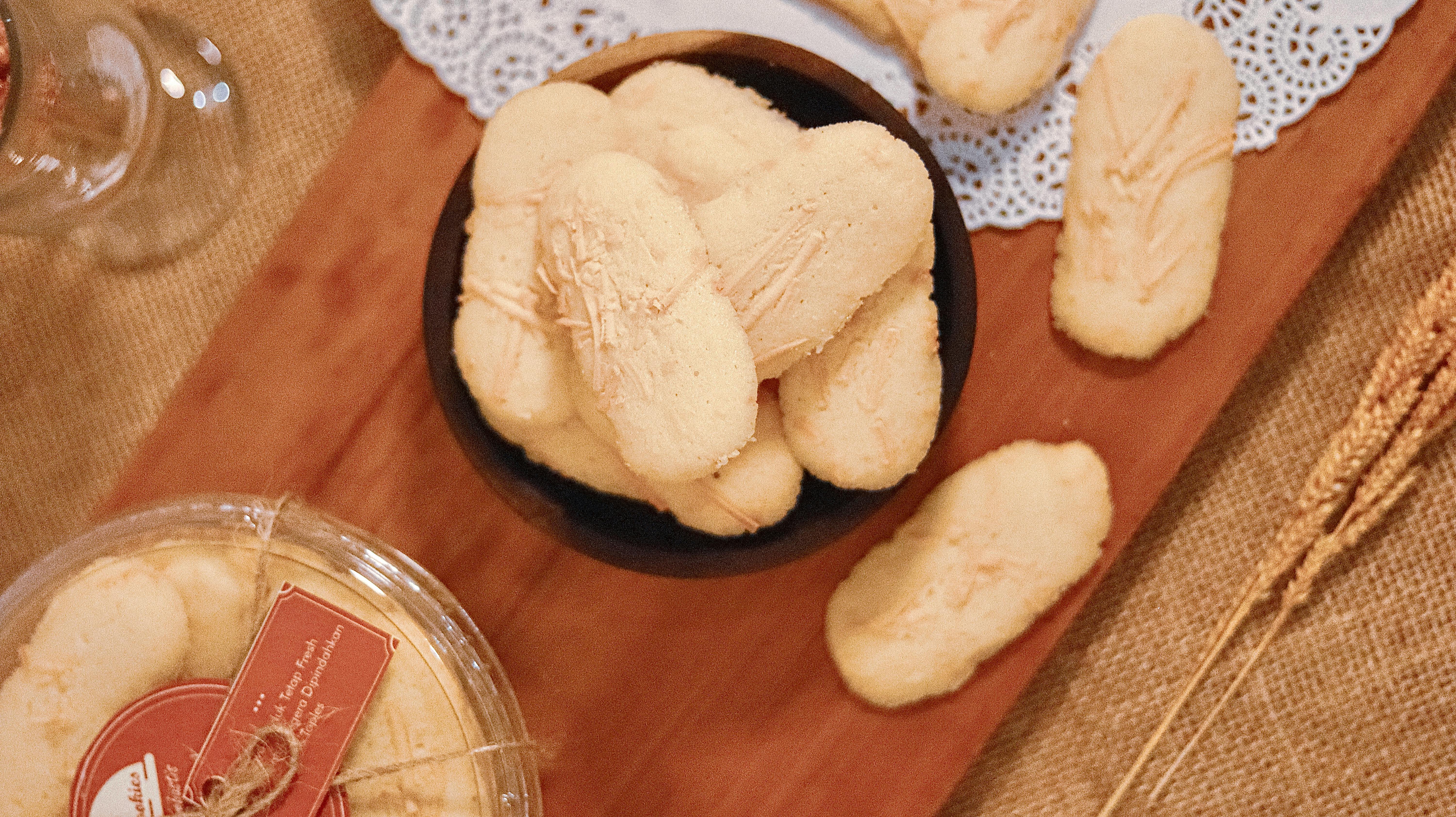
The ladyfinger in tiramisu is a light, elongated, dry sponge biscuit. In Italian, it is called savoiardo (plural: savoiardi). It is oval-shaped, slightly curved, about ten to twelve centimetres long, pale golden on the outside, and airy and dry on the inside. It has a lightly sweetened, egg-forward flavour with a porous, sponge-like texture that is specifically designed to absorb liquid without immediately collapsing. This absorption capacity is precisely why it is the biscuit of choice for tiramisu; it soaks up the espresso quickly, softens just enough to become silky in texture, but retains enough structure to give the dessert its layers.
The biscuit is known by many names depending on where you are. In France, it is called boudoir biscuit or biscuit à la cuillère (spoon biscuit). In English, it has been called sponge biscuit, sponge finger, Naples biscuit, and Savoy biscuit. In many parts of Europe, it is also called a biscuit finger. The common English name, ladyfinger, comes from the shape. The biscuit is long, slender, and slightly tapered, resembling, with a reasonable amount of imagination, the thin, delicate fingers of a woman. Hence the name.
Why Is It Called Ladyfinger In English
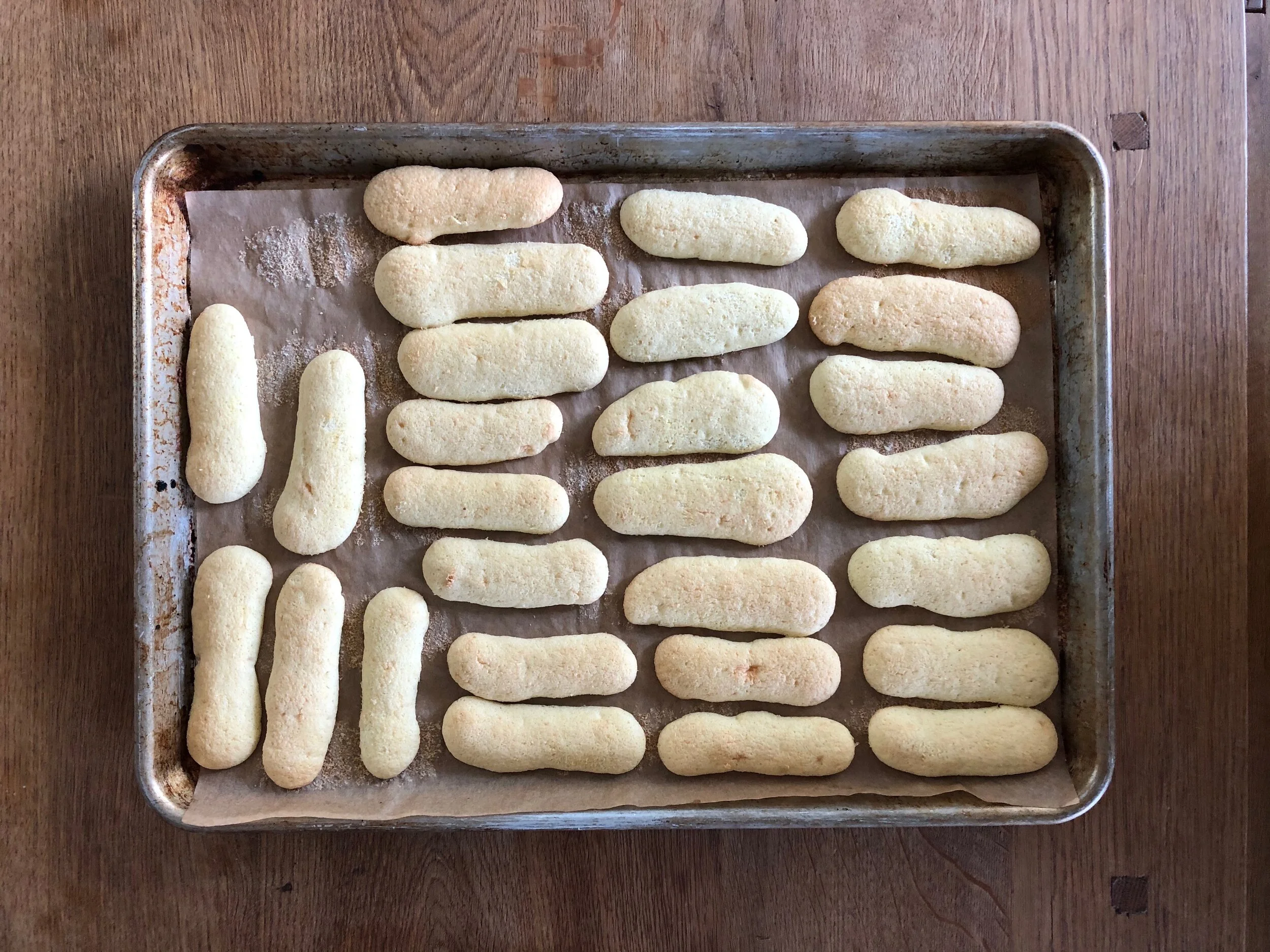
The English name follows the same visual logic as many other food names that describe the shape of the food: lady fingers, because the biscuit resembles a woman’s finger. This is a naming tradition that runs throughout English culinary vocabulary — lady apples (small, dainty apples), lady peas (small, delicate peas), finger biscuits generally, and so on. The “lady” prefix in English food names tends to suggest something small, slender, or delicate, and the savoiardi biscuit, with its slim tapered shape, fitted the category naturally.
The name was established in English culinary writing by at least the 19th century, and by the early 20th century, it had become standard. In the United States, a small bakery company called Speciality Bakers Inc., on the banks of the Susquehanna River in Marysville, Pennsylvania, became the dominant commercial producer of ladyfingers from 1901 onward, and virtually all commercially available ladyfingers in America for most of the 20th century came from this one facility. The name was standard across both American and British English culinary writing.
Also Read: Where To Eat During Navratri: The Best Vrat Menus Across Delhi NCR
The Savoiardi: A Biscuit With Royal Origins
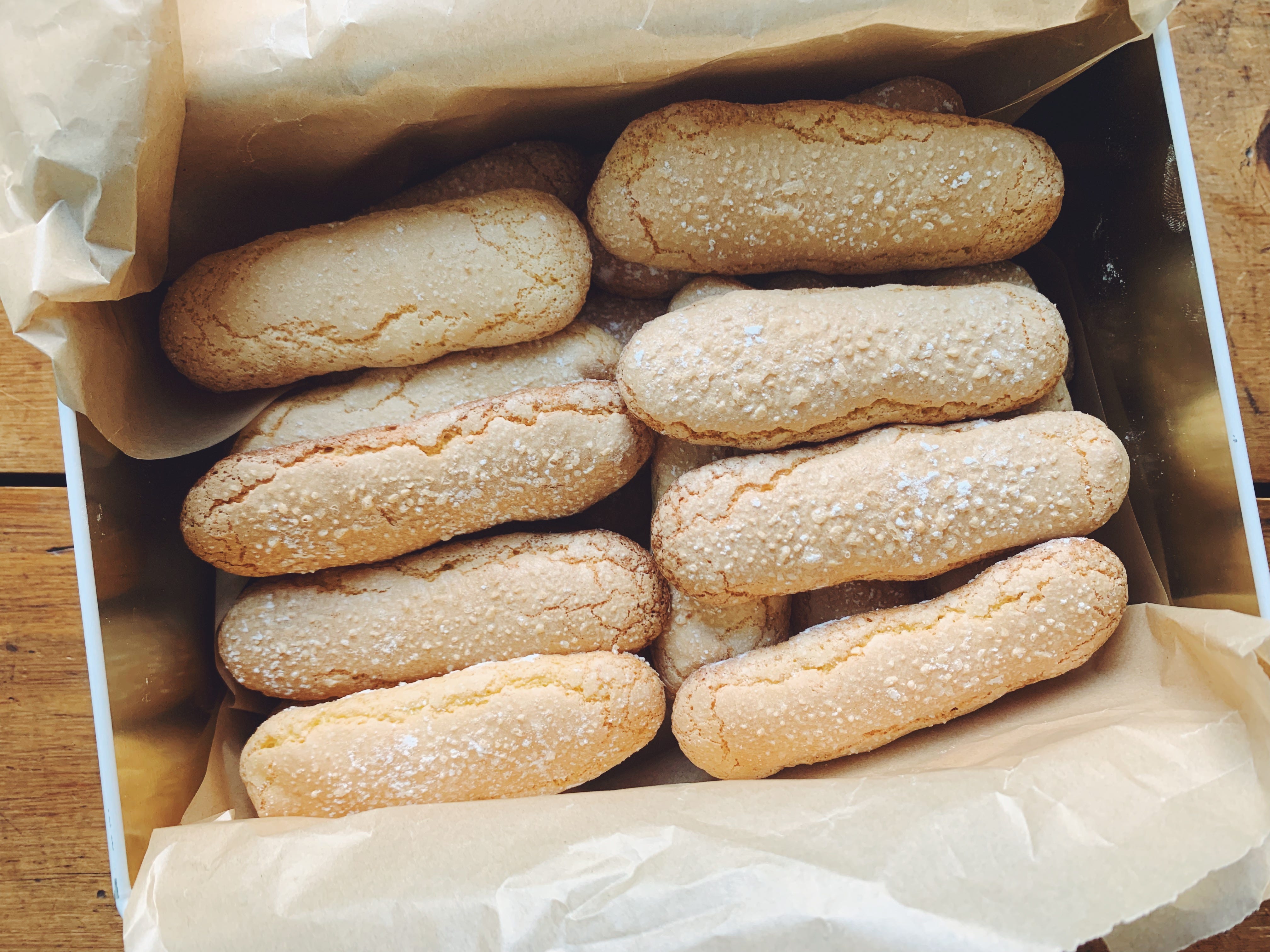
The savoiardi, despite its simple appearance, boasts a rich history dating back to the 11th-century House of Savoy in France, which also inspired its Italian name. The recipe spread across Europe through royal marriages of Bertha of Savoy’s descendants, reaching the kitchens of ruling families. The name savoiardi directly references the noble House of Savoy, highlighting its status as a court biscuit associated with aristocratic hospitality and royal entertainment. It was served at formal occasions, gifted to important visitors, and symbolised Savoyard culinary prestige. A charming anecdote involves Czar Peter the Great and his wife Catherine, who, impressed by the biscuits during a visit to Louis XV’s court, reportedly bought the baker to make them in Saint Petersburg. By the 18th century, savoiardi had multiple names and uses across Europe, notably as a base for layered desserts. Its most famous modern use emerged in the 1970s with tiramisu in Treviso, Italy.
Why Indians Call Okra Lady Fingers
Okra, known as bhindi in India, was introduced to Britain and its colonies from Africa and the Middle East. Its long, slender pods resembled a woman’s fingers to the English, earning it the name “ladies fingers” or “lady’s fingers.” This term entered Indian English during colonial times and remains fixed, referring to bhindi. However, in British and American food writing, “ladyfingers” denotes a sponge biscuit. This dual meaning exists only in Indian English, as European cooks never mistake bhindi masala for a biscuit recipe.
The Cultural Resonance Of The Confusion

What makes the bhindi-tiramisu confusion particularly interesting, beyond its comedy value, is what it illustrates about the way food language travels. Words carry their cultural contexts with them, and when they arrive in a new context, the old meaning does not simply disappear — it competes with the new one. Indian readers of English-language recipes encounter this competition constantly, not just with ladyfingers but with dozens of ingredient names that mean one thing in British or American English and something slightly or entirely different in Indian English.
The confusion has also generated a surprisingly lively internet tradition. Multiple bloggers, food writers, and social media users have documented their own version of the tiramisu-bhindi moment, and the comment sections of these posts tend to fill with people saying, “This exact thing happened to me.” It has become a shared cultural experience, which is nothing.
Also Read: Which City Is Known As The “Baklava Capital Of The World”?
Ladyfingers
So the next time you see a tiramisu on a menu and someone at the table asks whether it has bhindi in it, and someone will, because this conversation apparently happens at dinner tables across India regularly, you now have the full story. The savoiardi is a light, royal, 900-year-old sponge biscuit from the House of Savoy, named for its resemblance to a slender finger, and it is one of the most elegant and functional biscuits in the history of European baking. The bhindi is also excellent, in its own entirely separate and unrelated culinary tradition. They just happen to share a name in the English language, and that shared name has been causing confusion and amusement in equal measure for as long as Indians have been reading Italian dessert recipes.


