


These Simple Tricks Can Save Your Homemade Paneer From Tasting Like Rubber


Making paneer at home sounds simple. All it takes is milk, an acidic ingredient like lemon juice or vinegar, and a bit of patience. Yet many home cooks find that their paneer turns out chewy, hard or rubbery instead of soft and crumbly. The problem usually isn’t the ingredients. It often comes down to small details in the process, such as temperature, pressing time or how the curds are handled. Understanding these little steps can make a big difference to the final texture. If your homemade paneer hasn’t been turning out the way you expect, here are some common reasons it becomes rubbery and what you can do to fix it.
Also Read: How To Save Cooking Gas In Home Kitchens And Extend LPG Cylinder Life
5 Common Reasons Paneer Becomes Rubbery
1. Overheating The Milk
One of the most common mistakes happens right at the beginning. If milk is boiled aggressively or kept on very high heat while curdling, the proteins tighten too quickly.
This leads to:
- Tough, dense curds
- Less moisture retained in the paneer
- A chewy final texture
How to fix it:
Let the milk come to a gentle boil and then reduce the heat before adding the acid. Once the milk curdles, switch off the flame immediately.
2. Adding Too Much Acid
Lemon juice or vinegar helps separate the curds from whey, but adding too much can make the paneer firm and slightly grainy.
Signs this has happened:
- Curds look very tight and dry
- Paneer tastes slightly sour
- The texture becomes hard after pressing
How to fix it:
Add the acidic ingredient gradually. Usually, 1 to 2 tablespoons of lemon juice or vinegar is enough for 1 litre of milk. Stop as soon as the whey turns pale green.
3. Pressing The Paneer Too Hard
After straining, the curds are often pressed to shape the paneer block. However, applying too much weight or pressing it for too long squeezes out too much moisture.
This results in:
- Dense paneer
- Less softness when cut into cubes
- A rubbery bite when cooked
How to fix it:
Use a moderate weight and press for about 20 to 30 minutes. The paneer should hold its shape but still feel slightly soft.
4. Not Cooling The Paneer Properly
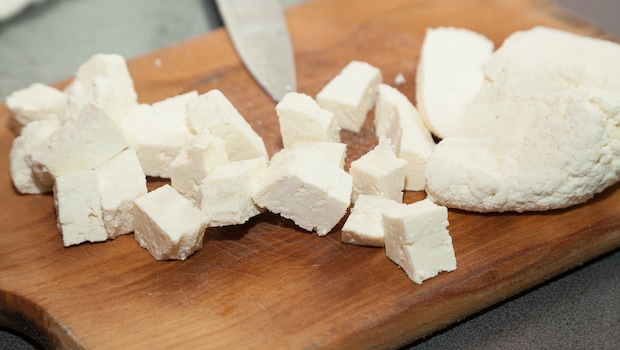
Cooling the paneer in water is a step many people skip, but it helps lock in softness.
Why this matters:
- Stops further cooking of the curds
- Washes away excess acidity
- Keeps the texture tender
How to fix it:
Once the curds are strained in a muslin cloth, rinse them briefly with cold water before pressing.
5. Using The Wrong Type Of Milk
The quality of milk plays a major role in the texture of homemade paneer.
Milk that works best:
- Full-fat milk
- Fresh milk with higher fat content
Milk that often gives rubbery paneer:
- Toned or skimmed milk
- Ultra-processed long-life milk
Higher fat content helps produce softer, creamier curds.
How To Make Soft Paneer Every Time
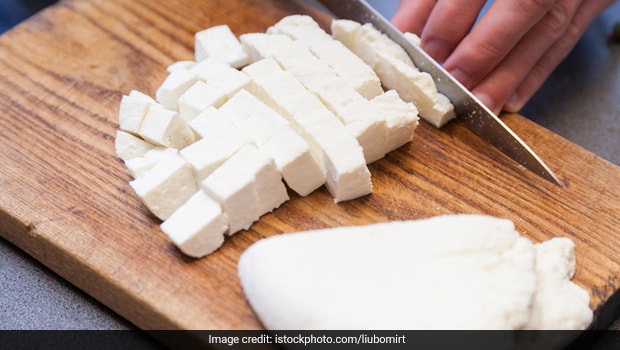
For consistently good results, keep these simple tips in mind:
- Use fresh full-fat milk
- Add acid slowly while stirring gently
- Switch off the heat once curds form
- Rinse the curds with cold water
- Press lightly, not heavily
Following these steps ensures that the paneer stays soft and crumbly rather than firm and rubbery.
Homemade paneer can be incredibly rewarding when it turns out right. With just a few small adjustments to your technique, you can achieve a soft, fresh texture that works beautifully in everything from paneer bhurji to rich gravies. Once you get the method right, making paneer at home becomes far easier than you might expect.


