


Can freshwater swimming lead to hearing loss?


Cold water swimming has surged in popularity in recent years, with countless people sharing videos of themselves plunging into their local ponds and lakes online, while praising the activity’s many health benefits. However, comedian Harry Enfield has recently spoken about some of the adverse effects that he has personally experienced.
The 65-year-old comedy actor told Ed Gamble and James Acaster on their Off Menu podcast that he regular swims in Highgate Ponds in North London, but has now developed hearing issues as a result.
Speaking on the pod, Enfield said: “I’m deaf, partially deaf and because I swim in Highgate Ponds, I’ve got stalactites in my ears.”

He went on to say that he now has hearing aids to help with the hearing loss.
“They’ve got tiny little hearing aids you can get now and apparently they’re very good. They cost a fortune, but they’re worth having. So, I went to get them fitted,” said Enfield.
We spoke to audiologist Ryan Reid, hearing aid dispenser and group operations manager at The Hearing Clinic UK based in the Glasgow at the Saint Vincent Place head office, to find out why freshwater swimming can affect our hearing, and to see if there is anything we can do to prevent this…
What impact can freshwater swimming have on our ears?
“People who regularly swim in freshwater can develop something called exostoses, which is commonly known as surfer’s ear, which is essentially bony growths that grow in the ear canal, which is outer part of the ear,” explains Reid.
“It’s usually not something that happens immediately, but if someone has been doing freshwater swimming over a period of years, then these sort of growths can happen.”
Can it affect your hearing?

He explains that ear exostoses narrow the ear canal over time and can lead to conductive hearing loss.
“Conductive hearing loss is usually caused by something in the outer ear or the middle ear, such as bony growths, and means that there’s something almost blocking the sound coming into the inner ear,” says Reid.
“If the growths are not identified, they will continue to expand and the ear canal will get narrower overtime, and the hearing loss will become more severe.”
Does it present with symptoms?
“It doesn’t always present with a lot of symptoms, but in the long-term if the ear canal narrows enough, people can experience a dullness in their hearing,” says Reid. “So they won’t be able to hearing things quite as loudly or clearly as they used to.”
People can also experience recurring ear infections.
“With the ear canal narrowing, water, wax and things like sand can get trapped, which increases the risk of ear infections,” says Reid.
Many people aren’t aware that they have surfer’s ear until it’s picked up at a hearing test.
“I’ve looked into many patients’ ears and have seen these growths, and have asked them if they do a lot of freshwater swimming or diving and they’re usually surprised by how I know that,” says Reid.
“These growths can be found by a professional looking in your ear with a handheld otoscope or a video otoscope.”
Can it be treated?
“There are different treatments options,” says Reid. “You could have surgery to remove the growths or have hearing aids to overcome any hearing loss.”
He explains that because the growths don’t reverse or shrink on their own, they will continue to narrow the ear canal without treatment.
“The growths themselves are benign and aren’t cancerous, but they don’t retreat or get better. Therefore, once they are there the only way you can get rid of them is through surgery,” says Reid.
“However, surgery is not always appealing to everyone because it can be painful and there’s also high waiting lists, so might not always be appropriate.”
Can you do anything to prevent it?
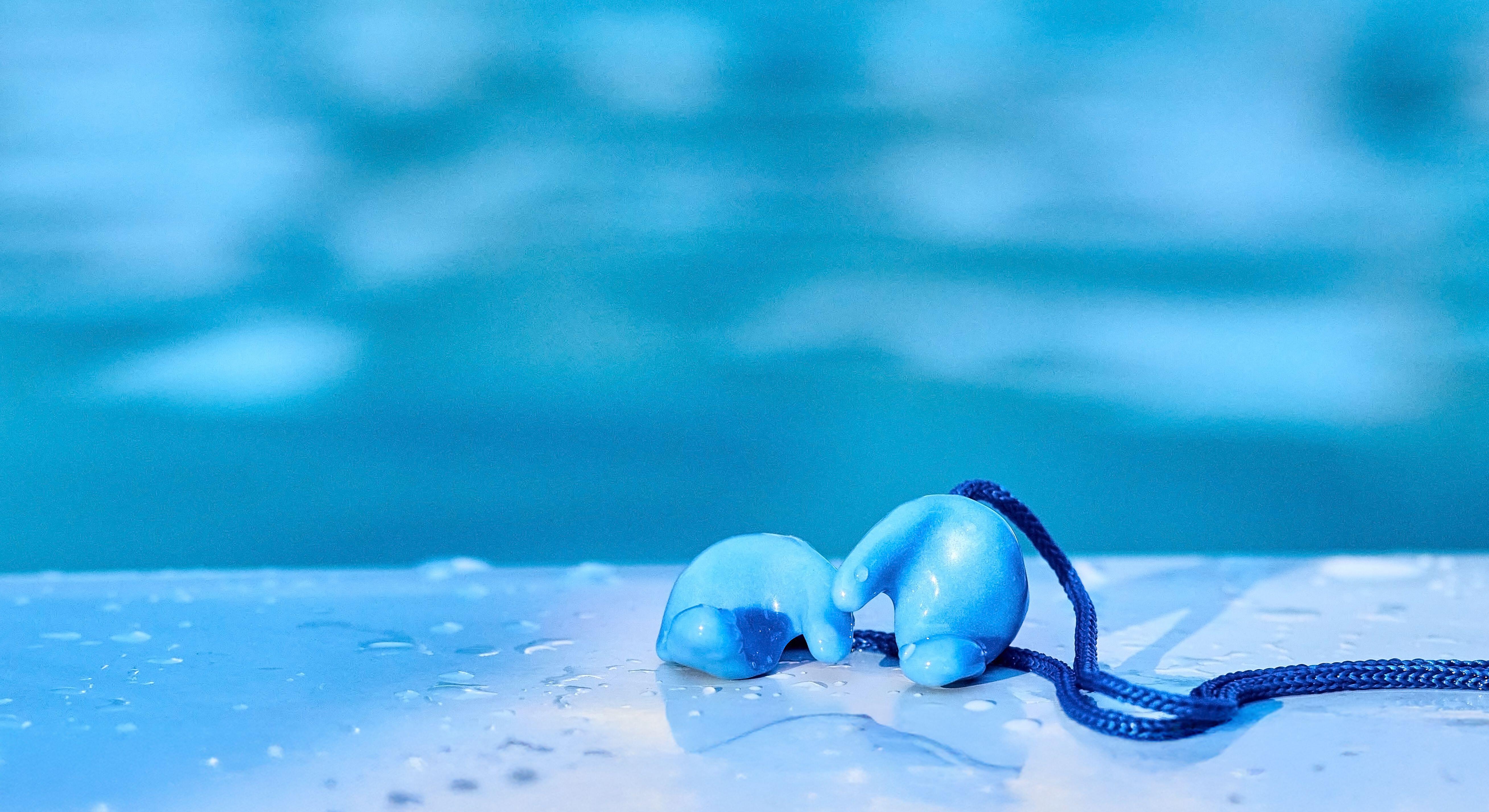
“People can consider reducing the amount of time that they spend in these freshwater environments or can just make sure that they have ear protection, such as swimming earplugs,” says Reid. “These help reduce the amount of water and cold air that gets into the ear when you are swimming.”


