


The Rise Of The Green Plate: How Plant-Based Foods Are Revolutionising India’s Culinary Landscape


In the vibrant tapestry of Indian cuisine, renowned for its rich spices and diverse flavours, a silent yet transformative culinary revolution is taking root. Plant-based foods, once dismissed as a niche lifestyle choice, are now finding their way into mainstream Indian kitchens. As consciousness about health, sustainability, and ethical eating grows, India is witnessing an unprecedented embrace of plant-based diets. This shift isn’t merely a trend; it’s a movement redefining the way we eat and think about food.
The Cultural Synergy: Plant-Based Diets And Indian Traditions
India, with its deep-rooted vegetarian traditions, is uniquely poised to lead the global plant-based revolution. For centuries, the principle of ‘Ahimsa’ (non-violence) has inspired millions to adopt vegetarianism. However, modern plant-based eating goes beyond eschewing meat; it emphasises consuming whole, minimally processed foods derived from plants, excluding all animal products. The shift is not about abandoning traditions but building on them. Indian cuisine already celebrates the versatility of plant-based ingredients. From lentils and chickpeas to an array of vegetables, fruits, grains, and spices, the foundation for a plant-based diet is embedded in our culinary heritage.
Photo Credit: Unsplash
Why Plant-Based Eating is Gaining Ground
The reasons for the growing popularity of plant-based foods in India are multifaceted:
Health Benefits: A plant-based diet is linked to lower risks of heart disease, diabetes, and obesity. It’s also celebrated for its anti-inflammatory properties and its role in improving gut health.
Environmental Awareness: With India grappling with climate challenges, more people are recognising that plant-based diets require fewer natural resources and produce lower greenhouse gas emissions than animal agriculture.
Ethical Considerations: Concerns about animal welfare are prompting many, especially younger generations, to reconsider their dietary choices.
Global Influence: The rise of global vegan influencers and the availability of innovative plant-based products are further fueling this shift.
Also Read: Food Authority Warns Against Using Newspapers For Food Packaging
Plant-Based Recipes To Savour
Indian cuisine’s inherent adaptability makes it a fertile ground for creating delightful plant-based dishes. Here are some recipes that showcase the magic of plant-based eating:
Vegan Paneer Butter Masala
Replace paneer with tofu or homemade cashew-paneer.
- Ingredients: Tofu, tomatoes, cashews, coconut milk, spices (coriander, cumin, garam masala), and vegan butter.
- Method: Blend soaked cashews with tomatoes and spices to create a creamy base. Add tofu cubes and simmer until the flavours meld. Serve with warm naan or rice.
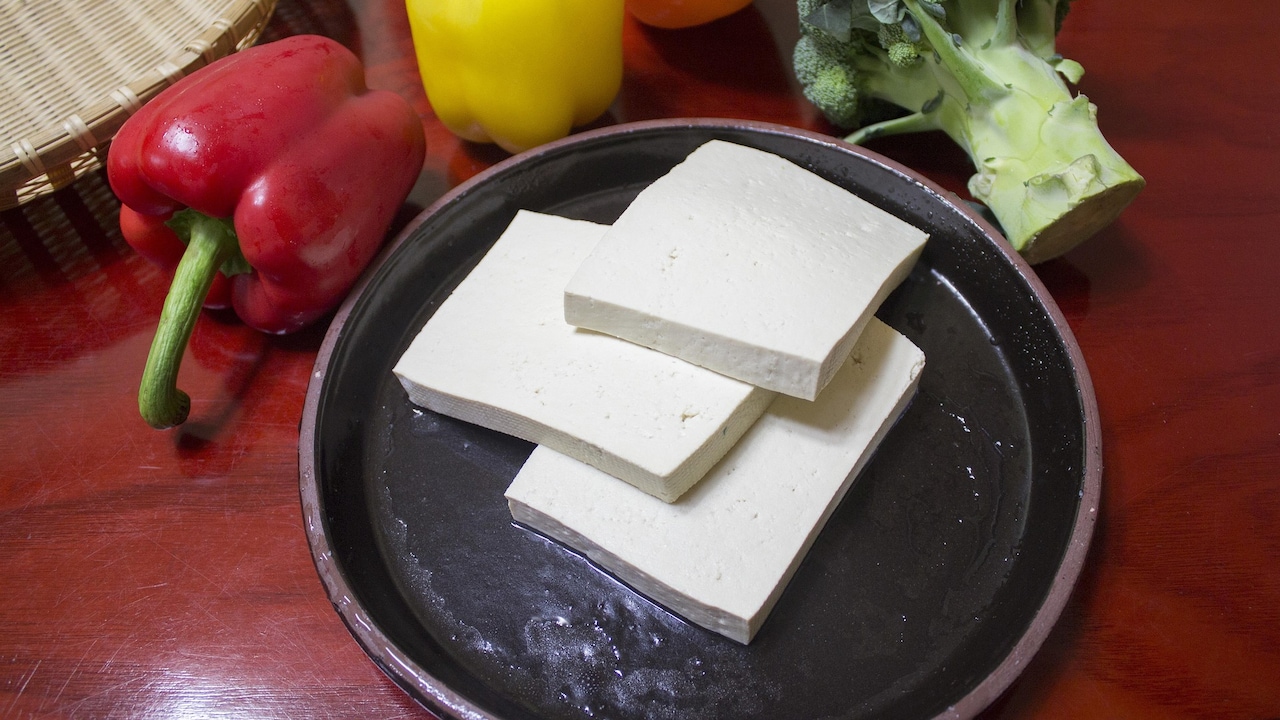
Photo Credit: Pixabay
Jackfruit Biryani:
- Ingredients: Raw jackfruit, basmati rice, onions, tomatoes, and a blend of biryani spices.
- Method: Marinate jackfruit in spices, layer it with fragrant rice, and cook on dum (slow heat). The meaty texture of jackfruit mimics traditional biryani while staying entirely plant-based.
Coconut Lentil Curry
- Ingredients: Red lentils, coconut milk, turmeric, mustard seeds, curry leaves, and vegetables of choice.
- Method: Cook lentils with coconut milk and spices, then add sautéed vegetables. This wholesome curry pairs perfectly with steamed rice or millets.
Vegan Malai Kofta
- Replace cream with cashew paste or coconut cream, and prepare the koftas with grated vegetables and potatoes.
- Method: Blend cashews with tomatoes and spices to make a luxurious gravy. Add vegetable koftas and serve with roti or jeera rice.
Banana Blossom Pakoras
- Ingredients: Banana blossoms, gram flour, spices, and herbs.
- Method: Coat banana blossom petals in a spiced gram flour batter and deep fry until golden. These crispy fritters are perfect with mint chutney.
Almond Milk Kheer
- Ingredients: Almond milk, rice, cardamom, jaggery, and nuts.
- Method: Cook rice in almond milk, sweeten with jaggery, and garnish with roasted nuts. This dessert is a guilt-free indulgence.
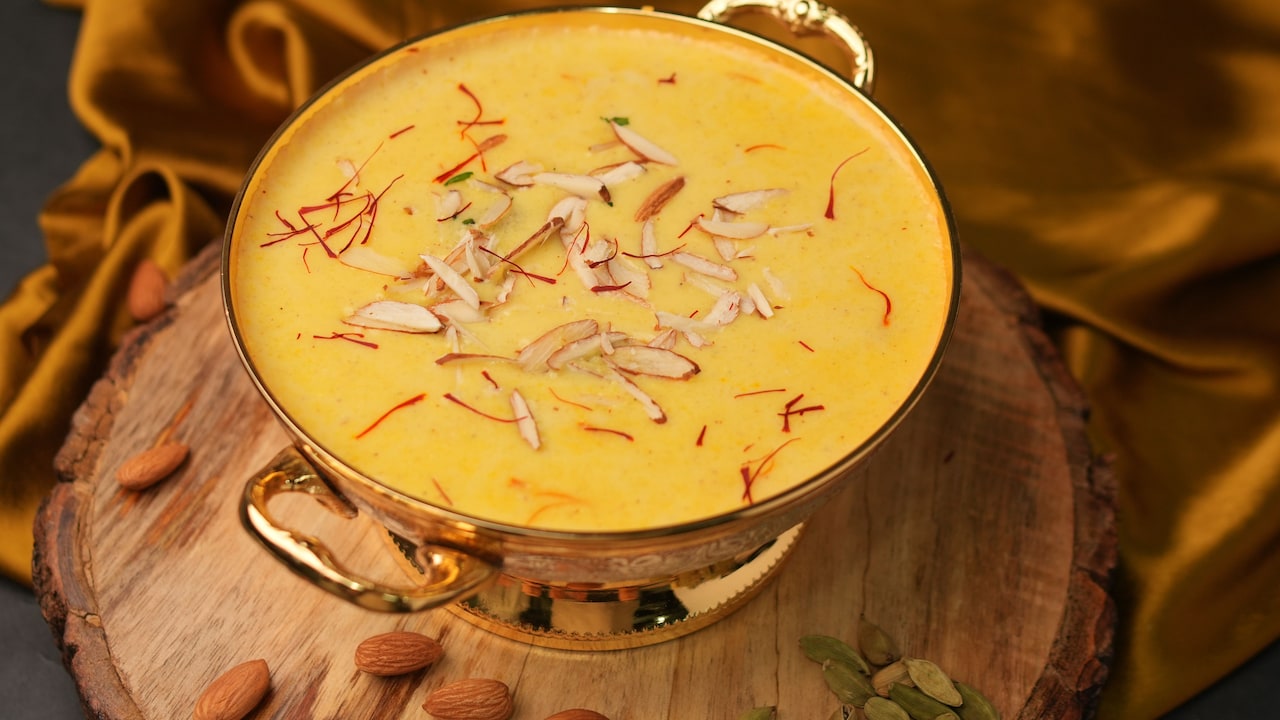
Photo Credit: Pexels
Transforming Eating Habits
The rise of plant-based foods is reshaping eating habits in India. Restaurants are introducing dedicated vegan menus, while home cooks are experimenting with plant-based substitutes like almond milk, vegan cheese, and nut-based creams. Brands offering plant-based alternatives to dairy and meat are proliferating, making these options accessible and affordable.
This shift is also inspiring mindful eating practices. With an emphasis on seasonal and locally sourced ingredients, plant-based diets encourage a deeper connection with food. For instance, ancient grains like ragi, jowar, and bajra are being rediscovered, adding nutritional diversity to meals.
Also Read: Video: Woman Plants Her Own Hair In Food To Get A Free Meal At UK Restaurant
The Health And Environmental Payoff
The benefits of embracing plant-based foods extend beyond individual health. A report by the Food and Agriculture Organisation highlights that plant-based diets can play a significant role in reducing environmental degradation. By consuming fewer resources, plant-based eating aligns with sustainable practices crucial for India’s ecological future.
From a health perspective, the shift towards plants is addressing the rise of lifestyle diseases in urban India. With its emphasis on whole foods, this diet helps in managing weight, reducing cholesterol levels, and enhancing overall well-being.
Challenges And The Road Ahead
While the momentum is strong, challenges remain. For many, plant-based eating is still perceived as elitist or expensive. Addressing this requires demystifying plant-based diets and making them inclusive. Promoting traditional Indian recipes, which are inherently plant-based, can bridge this gap.
Additionally, education about nutritional balance is vital. Plant-based diets must include adequate sources of protein, iron, and vitamin B12, which can be achieved through diverse food choices like legumes, nuts, seeds, and fortified foods.
A Greener Plate, A Brighter Future
The rise of plant-based foods in India is not just a culinary shift; it’s a testament to a changing mindset. As more Indians adopt this way of eating, they’re not only choosing health and sustainability but also honouring the essence of our culinary roots.
The future of Indian food is undoubtedly greener, and it’s a future we can savour with pride. So, whether you’re a seasoned cook or a curious foodie, it’s time to let plants take centre stage on your plate. After all, every meal is an opportunity to nourish not just your body but also the planet.


