


From Mushy To Fluffy, How I Cooked Quinoa That Was Neither Overcooked Nor Undercooked


A few months ago, I started cooking more meals at home. Call it a tactic to eat healthier, save money or just enhance my cooking skills; this worked out well for me. Along the way, I also started swapping some of my regular grains for healthier options like jowar, bajra and quinoa. It sounded simple enough until I actually tried cooking quinoa.
Last weekend, I planned to make quinoa cutlets, but the quinoa didn’t turn out the way I had imagined. I did my research before making a batch and found out that quinoa, if not made properly, can turn out to be overcooked, undercooked or the worst – bitter in taste.
When I tried my hand at it, one batch became too soft, another stuck to the bottom of the cooker, and I realised quinoa is one of those ingredients that seems easy until you are standing in the kitchen. That is when I decided to try a few different cooking methods to see which one actually delivers fluffy quinoa every time. And one of them did!
Photo: Pinterest
Let me break it down for you: which methods I tried and which turned out to be the best way to cook this grain!
Also Read: Costco Croissant Viral Video Sparks Debate: Do Cafes Lie About Food Being House-Made?
Method 1: Pressure Cooking It Without Soaking
This was my very first attempt because it felt like the quickest option.
What I did
I rinsed the quinoa thoroughly, added water to the pressure cooker and cooked it without soaking it beforehand.
What happened
The quinoa was cooked, but the texture wasn’t what I was hoping for. Some grains were slightly mushy, while a few still felt a little firm. It wasn’t bad, but it definitely wasn’t ideal for making cutlets.
Verdict
A decent option if you are in a hurry, but the results can be inconsistent.
Method 2: Soaking It Overnight And Pressure Cooking
This was the method I tried next after reading that soaking helps the grains cook more evenly.
What I did
I soaked the quinoa overnight, drained it the next morning, added fresh water and pressure-cooked it.
What happened
The quinoa cooked much faster, but I accidentally added a little too much water. While the grains became soft, the mixture turned slightly mushy, and some of it even stuck to the bottom of the cooker. It still tasted good, but it wasn’t the fluffy texture I was looking for.
Verdict
Soaking definitely helps, but getting the water ratio right is crucial.
Method 3: Cooking It In A Saucepan
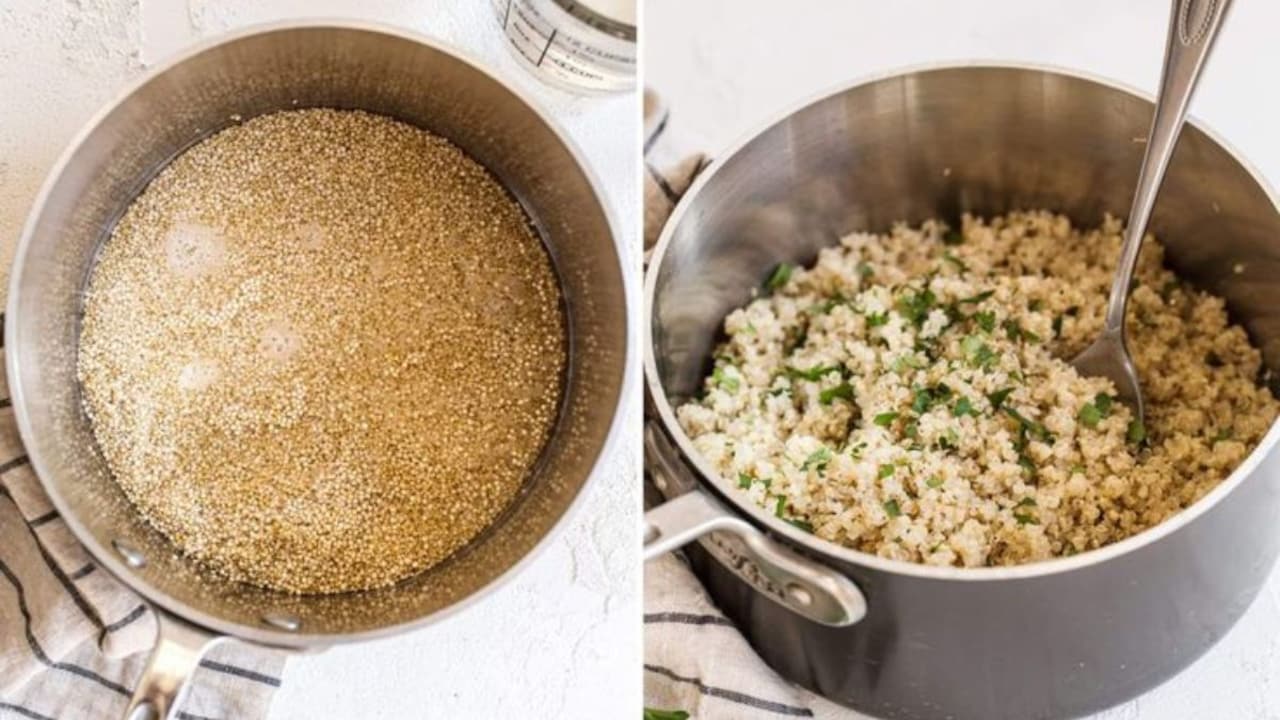
Photo: Pinterest
This is the method many recipes recommend, so I decided to give it a try.
What I did
I rinsed the quinoa well, added it to a saucepan with the correct amount of water, covered it with a lid and let it cook on low heat until all the water was absorbed. I let it rest for five minutes before fluffing it with a fork.
What happened
This batch turned out much better. The grains were separate, light and fluffy. There was no sticking, and the texture was exactly what I wanted.
Verdict
Simple, reliable and perfect if you have a little extra time.
Method 4: Cooking It Like Rice And Draining The Water
Some people cook quinoa the same way they cook pasta or rice by using extra water and draining it later.
What I did
I cooked quinoa in plenty of water until the grains were tender and then drained the excess using a fine mesh strainer.
What happened
The quinoa was fluffy, but it felt slightly waterlogged at first. After letting it sit for a few minutes, the texture improved, although it still wasn’t as light as the saucepan method.
Verdict
It works well, especially if you’re worried about overcooking, but you’ll need to let the quinoa dry out a little before using it.
Also Read: Fasting During Sawan? These 6 Easy Sattvik Recipes Will Keep You Energised
My Final Verdict
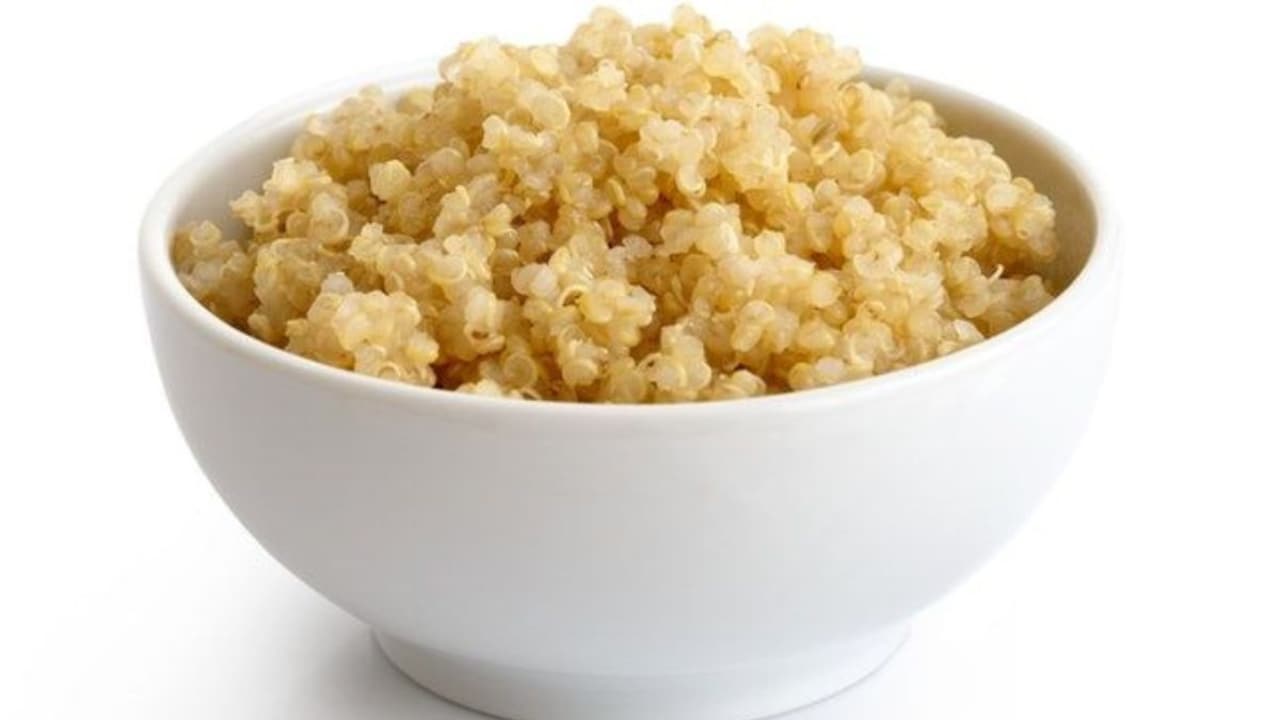
Photo: Pinterest
Out of all the methods I tried, cooking quinoa in a saucepan with the right water ratio turned out to be the most foolproof. It gave me fluffy grains every single time, without any sticking or mushiness. A close second would be soaking the quinoa before cooking, but only if you are careful with the amount of water you use.
One thing this experiment taught me is that quinoa isn’t difficult to cook. It just needs a little patience. Rinsing it well, measuring the water properly and letting it rest for a few minutes after cooking made a bigger difference than I expected.
And if, like me, you also struggle with cooking quinoa, here’s how you can make a perfect batch in a saucepan.
Ingredients
- 1 cup quinoa
- 2 cups water
- A pinch of salt (optional)
Method
- Place the quinoa in a fine mesh strainer and rinse it thoroughly under running water for 30 to 60 seconds. This helps remove its natural coating, which can cause a bitter taste.
- Add the rinsed quinoa, water and salt to a saucepan.
- Bring the mixture to a boil over medium-high heat.
- Once it starts boiling, reduce the heat to low and cover the saucepan with a lid.
- Let it cook for 15 to 18 minutes, or until all the water has been absorbed.
- Turn off the heat and allow the quinoa to rest, covered, for 5 minutes.
- Fluff the grains gently with a fork before serving.
So, try cooking quinoa at home and let me know in the comments how it turned out to be!


