


Which country is the World’s largest producer of hing (asafoetida)? The surprising leader revealed


If someone asked you where the world’s biggest supply of hing comes from, what would you guess? India, right? We Indians go through mountains of the stuff in our dals, sabzis, and every tadka imaginable. But nope, turns out the top spot goes to Afghanistan. Yes, Afghanistan is the largest producer of natural hing (asafoetida) on the planet. It’s one of those fun little facts that pops up and makes you go, “Wait, really?”
Largest Producer of Hing in the World
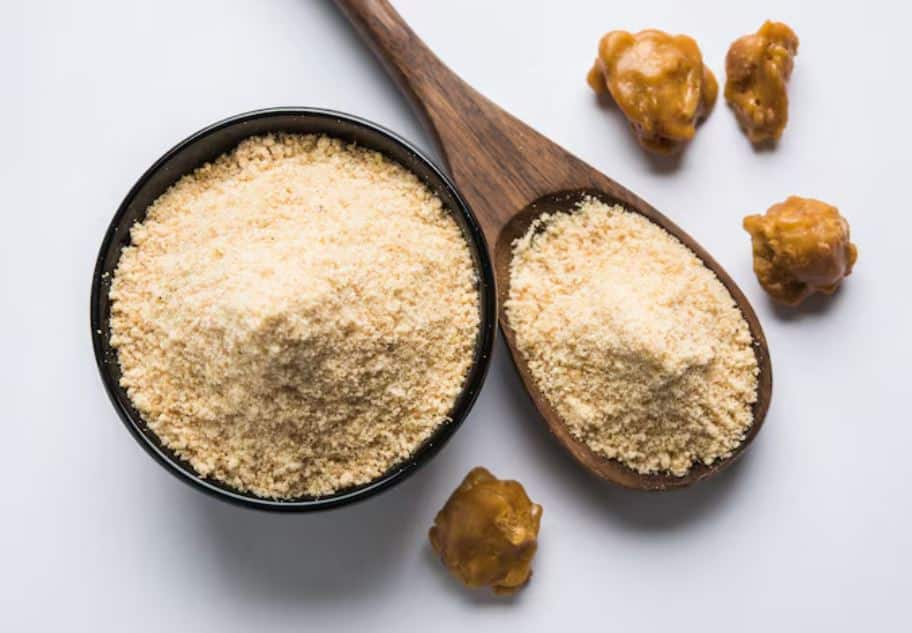
So, let’s break it down. Hing, or asafoetida, isn’t some everyday spice harvested from leaves or seeds. It’s actually the dried resin tapped from the roots of the Ferula plant (mostly Ferula asafoetida and a few close cousins). The plant loves dry, rugged, high-altitude spots, think semi-arid mountains where not much else grows. Afghanistan’s got that in spades: its northern and western provinces, like Samangan (which cranks out a huge chunk of the country’s output), plus areas in Herat and other dry zones, are perfect for it. The climate is harsh but spot-on for these wild or semi-wild plants to thrive without much fuss.
Why Is Afghanistan the Top Producer of Hing?
Simple, it grows naturally in massive quantities in northern and western Afghanistan. Traditional harvesters have been doing this for generations: they carefully cut into the roots at the right time (usually spring/summer), let the milky resin ooze out, collect it, and dry it into those hard, pungent lumps we know. It’s very labor-intensive, takes skill to get good quality without ruining the plant, and Afghanistan’s rural communities have perfected it. Recent numbers show they exported around 846 tonnes worth about $140-141 million in 2022-23 alone, with big jumps in recent years thanks to government training programs pushing sustainable farming.
Global Demand and Export Importance
Afghanistan exports hing to several countries, with India being one of the largest importers. The spice is essential in many culinary traditions and food industries, ensuring consistent international demand.
Here are some cool tidbits that make hing even more interesting:
1. It’s not your typical spice, pure hing smells insanely strong and sulfur-y. But cook it in hot oil? Magic. The aroma flips to this deep, savory note that makes food taste richer without overpowering.
2. Medicinal cred: Ayurveda and traditional systems swear by it for digestion, gas relief, respiratory stuff, and more. Those bioactive compounds aren’t just hype.
3. Unique extraction: The resin’s tapped like maple syrup but from roots, and high-grade “watani” can fetch crazy prices, up to $5,000-15,000 per kg raw in some markets.
4. Fun irony: India eats the most, but grows almost none domestically (though there are small efforts in places like Himachal now). We rely on imports to keep our kitchens humming.
Afghanistan’s quiet dominance in hing production is a reminder of how global food chains work, sometimes the stuff we use every day travels from the most unexpected places. Next time you’re tempering your dal with that tiny pinch of hing, give a little nod to those Afghan hills.


