


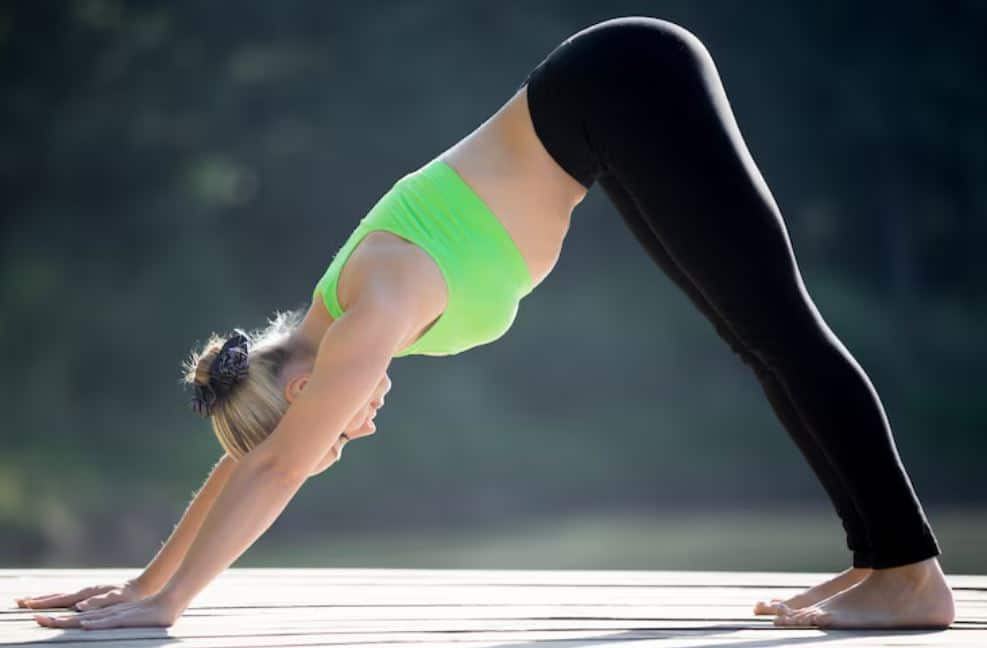
Yoga pose of the day: Adho Mukha Svanasana (Downward-facing dog), boost energy and melt away stiffness in minutes


Yoga pose of the day: Yoga is more than just physical exercise; it is a holistic practice that nurtures the body, calms the mind, and restores balance in our fast-paced lives. Regular yoga improves flexibility, strengthens muscles, enhances circulation, supports hormonal balance, and helps manage stress, making it one of the most sustainable ways to maintain long-term health and vitality.
What Does Adho Mukha Svanasana Mean?
Adho = Downward
Mukha = Face
Svan = Dog
Asana = Pose
This posture mimics the natural stretch a dog performs when waking up, symbolising rejuvenation, release of stiffness, and readiness to move with energy.
How To Do Adho Mukha Svanasana (Step-By-Step Guide)
1. Begin in a tabletop position with hands under shoulders and knees under hips.
2. Spread your fingers wide and press evenly through your palms.
3. Tuck your toes under and slowly lift your hips toward the ceiling.
4. Straighten your legs as much as comfortable (a slight bend is okay).
5. Lengthen your spine by pushing your chest gently toward your thighs.
6. Let your head relax between your arms without straining the neck.
7. Try to bring your heels toward the floor, but don’t force them.
8. Hold the pose for 5–10 slow breaths.
9. Release by bending your knees and returning to tabletop.
Top Benefits Of Downward-Facing Dog
1. Gives A Complete Full-Body Stretch
Stretches hamstrings, calves, shoulders, spine, and arms all at once—making it one of the most efficient yoga poses.
2. Strengthens The Upper Body
Builds endurance in the arms, wrists, and shoulders while gently toning the legs.
3. Relieves Back Pain And Spinal Compression
Creates space between vertebrae, helping counteract long hours of sitting.
4. Boosts Blood Circulation And Energy
This mild inversion increases blood flow to the brain, leaving you feeling refreshed and alert.
5. Improves Posture
Encourages proper spinal alignment and opens tight shoulders caused by screen time.
6. Calms The Mind
The grounding nature of the pose helps reduce anxiety and mental fatigue.
Who Should Avoid Or Practice With Caution?
This pose may not be suitable if you have:
1. Severe wrist pain or carpal tunnel syndrome
2. Recent shoulder, knee, or ankle injuries
3. Uncontrolled high blood pressure
4. Vertigo or frequent dizziness
5. Late-stage pregnancy (should be modified under guidance)
Always modify the pose instead of forcing alignment.
Beginner-Friendly Modifications
1. Bend your knees to reduce hamstring strain.
2. Place hands on blocks to ease wrist pressure.
3. Focus on lengthening the spine rather than touching heels down.
4. Engage your core to distribute weight evenly.
Common Mistakes To Avoid
1. Rounding the back instead of extending the spine.
2. Dumping all weight into the wrists.
3. Locking knees aggressively.
4. Tensing shoulders toward ears.
Why This Pose Deserves A Spot In Your Daily Routine
Adho Mukha Svanasana acts like a daily reset button. It combines strength, stretch, circulation, and mental grounding in a single posture, making it ideal whether you have five minutes or a full yoga session. Practising it consistently can noticeably improve how your body feels throughout the day.
(This article is based on information available in the public domain and on input provided by experts consulted.)


