


10 Bhagavad Gita Quotes To Calm Your Mind


“From attachment arises desire, and from desire anger is born.”: When we cling too tightly to specific outcomes, any disruption triggers frustration and anxiety. The Bhagavad Gita explains that peace begins by recognizing how attachment fuels our inner turmoil, allowing us to catch ourselves before anger takes root. (Image: Pexels)

“The mind is restless and difficult to restrain, but it can be controlled by practice and detachment.”: Acknowledging that mental chatter is completely normal is incredibly validating. Krishna assures Arjuna that a chaotic mind isn’t a permanent failure; it can be gently tamed over time through consistent, patient mindfulness and learning to let go. (Image: Pexels)

“Elevate yourself by your own mind, do not degrade yourself. The mind is your friend, and the mind is also your enemy.”: Your internal dialogue dictates your reality. An untrained mind traps you in loops of worry, acting as an enemy. However, by intentionally directing your thoughts, you can transform your mind into your most supportive, grounding ally. (Image: Pexels)

“You have a right to perform your prescribed duties, but you are not entitled to the fruits of your actions.”: This is the ultimate antidote to performance anxiety. By focusing entirely on your current effort and relinquishing worry about the final results—which you cannot control anyway—you instantly lift a massive weight off your shoulders. (Image: Pexels)

“Perform your duty equipoised, abandoning all attachment to success or failure. Such equanimity is called Yoga.”: True mental stability means remaining steady whether things go your way or completely fall apart. Cultivating this evenness of mind protects you from the emotional rollercoasters of life, anchoring you in deep, undisturbed inner peace. (Image: Pexels)
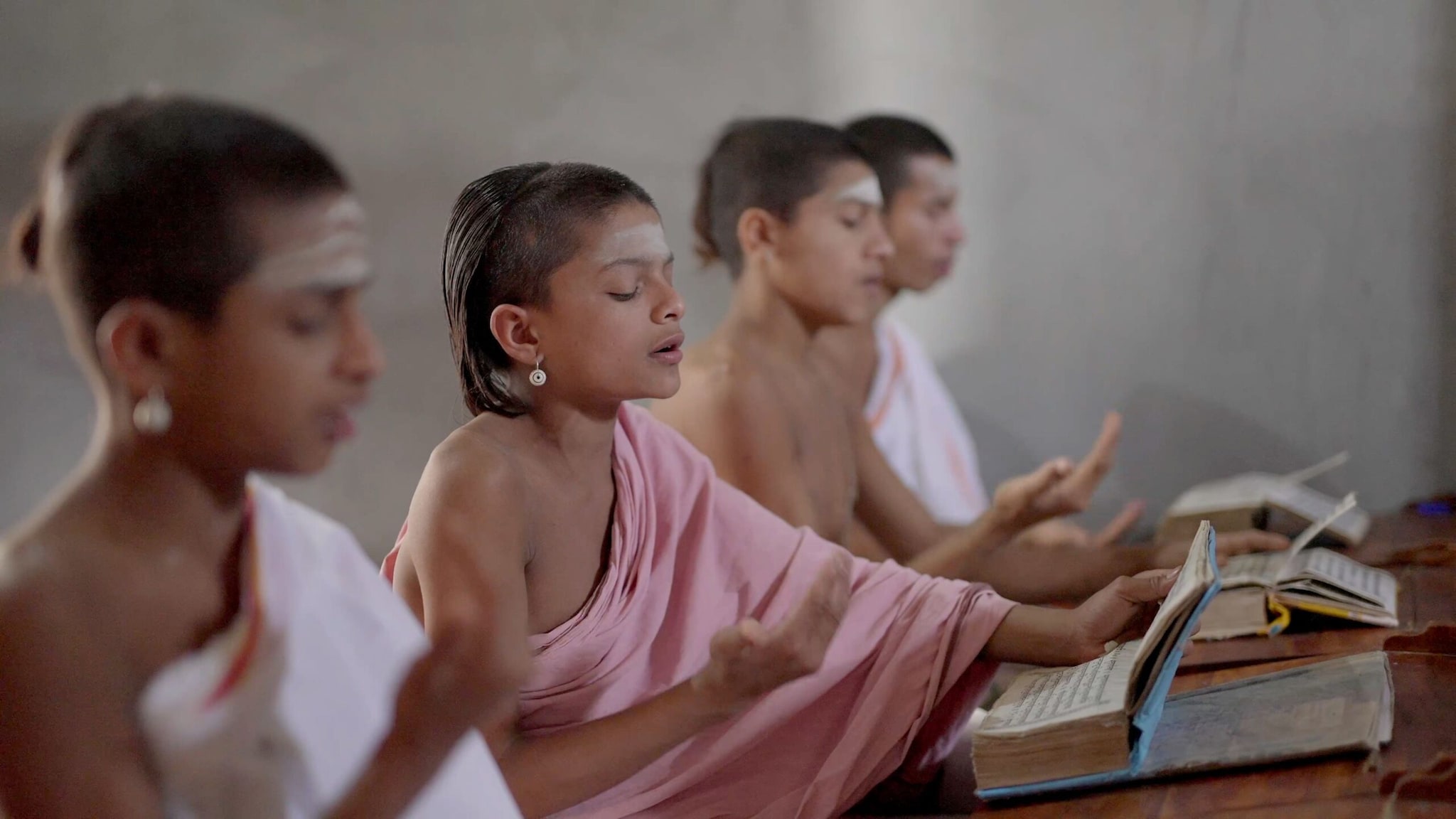
“The Supreme Lord dwells in the hearts of all living beings.”: When anxiety makes you feel isolated and overwhelmed, this verse serves as a gentle reminder of inner divinity and connection. Remembering that a source of strength resides right within your own heart brings immediate comfort and calm. (Image: Pexels)

“Being freed from attachment, fear, and anger, becoming fully absorbed in Me, many have become purified.”: Fear and peace cannot coexist. The Bhagavad Gita reveals that by consciously releasing our gripping anxieties and centering our awareness on a higher, spiritual focus, we naturally cleanse our minds of the emotional noise that disrupts our clarity. (Image: Pexels)

“Yoga is not for him who eats too much, nor for him who eats too little; neither for him who sleeps too much, nor for him who keeps awake.”: Mental calm requires physical balance. This practical advice warns against extremes in daily habits. By maintaining a balanced lifestyle with proper sleep and nutrition, you create the steady physical foundation necessary for a quiet, focused mind. (Image: Pexels)

“To those who worship Me with single-minded devotion, I bring full security and personally attend to their needs.”: Surrendering your worries to a higher power provides immense psychological relief. This verse offers a profound sense of safety, assuring you that when you align your intentions purely, you are deeply supported through life’s inevitable challenges. (Image: Pexels)

“A person who is not disturbed by the incessant flow of desires attains peace, not the person who strives to satisfy such desires.”: Desires rush into the mind like rivers into the ocean. Peace doesn’t come from exhausting yourself trying to fulfill every single passing thought, but from remaining vast and undisturbed, letting those thoughts enter and leave without shaking you. (Image: Pexels)


