


6 Easy Ways To Stop Damp Walls And Mould This Monsoon


Improve Ventilation: Poor airflow allows moisture to build up indoors, encouraging dampness and mould. Open windows whenever the weather permits, use exhaust fans, and keep air circulating to help reduce excess humidity during the monsoon. (Generated image)
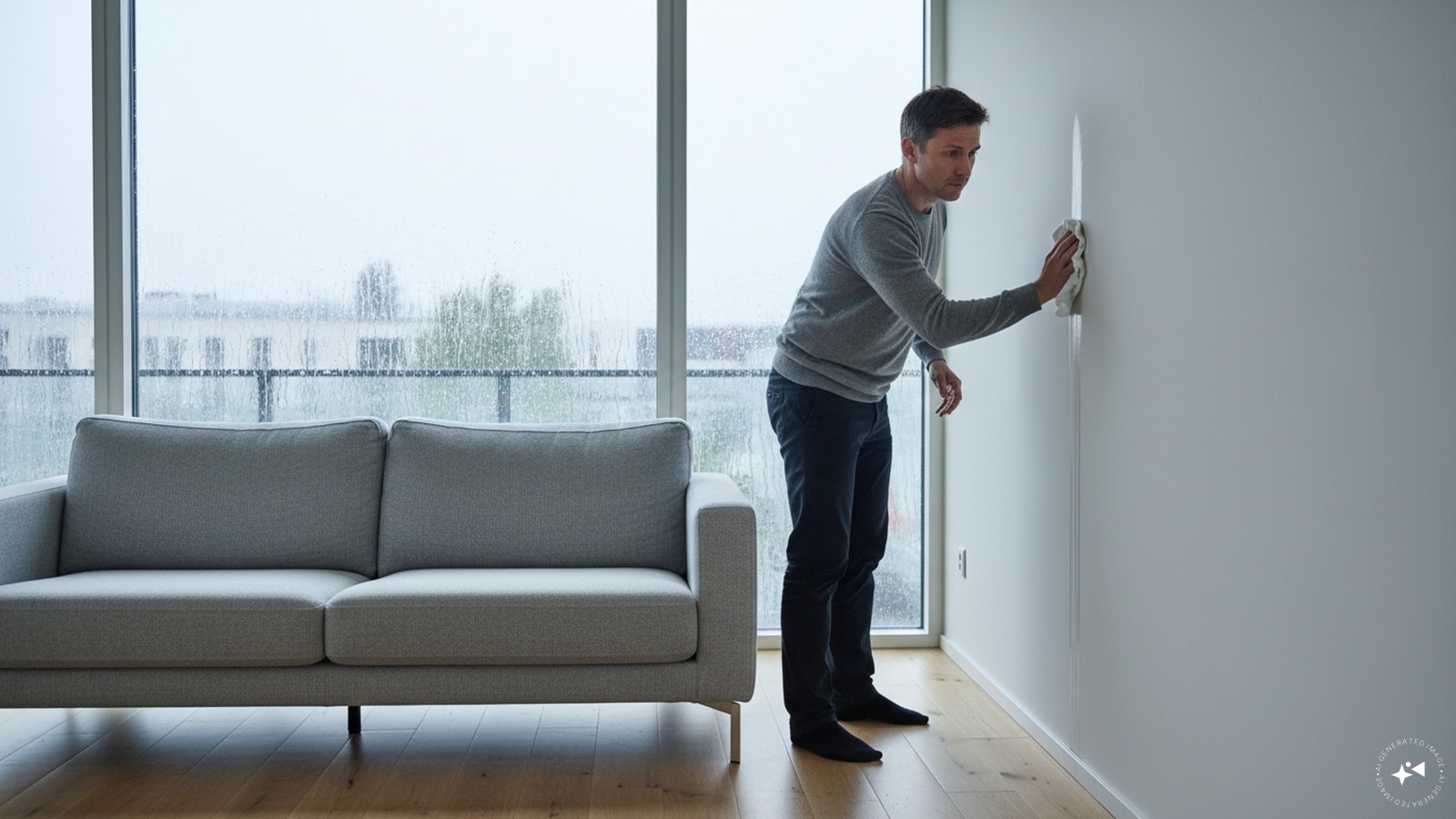
Keep Walls Dry: Wipe away moisture as soon as you notice it and avoid placing furniture tightly against damp walls. Leaving a small gap allows air to circulate and helps walls dry more efficiently after rain. (Generated image)
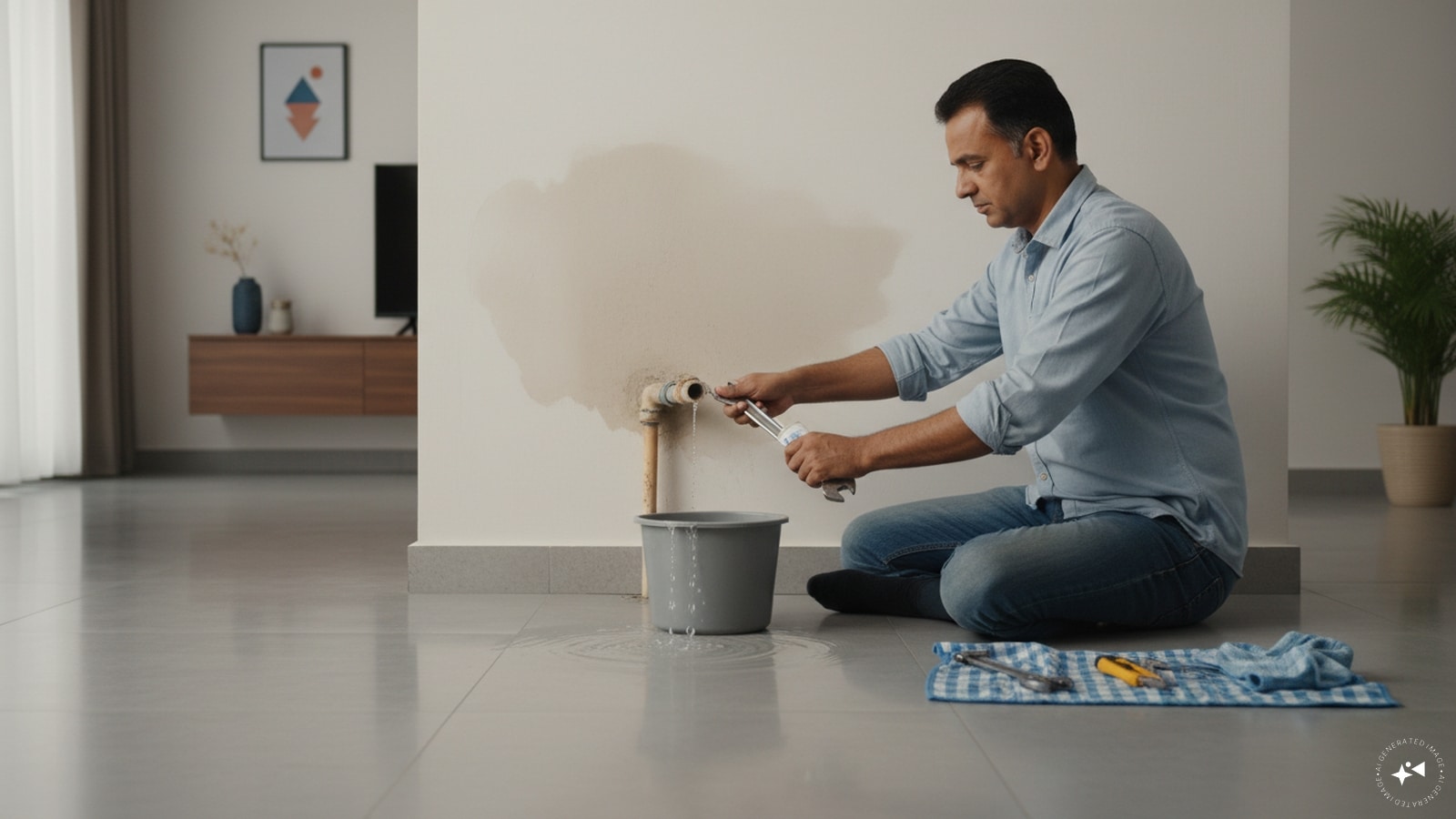
Fix Leaks Quickly: Leaking roofs, cracked walls, and dripping pipes can allow water to seep into your home. Repair these problems as soon as possible to prevent moisture from collecting and creating conditions where mould can grow. (Generated image)
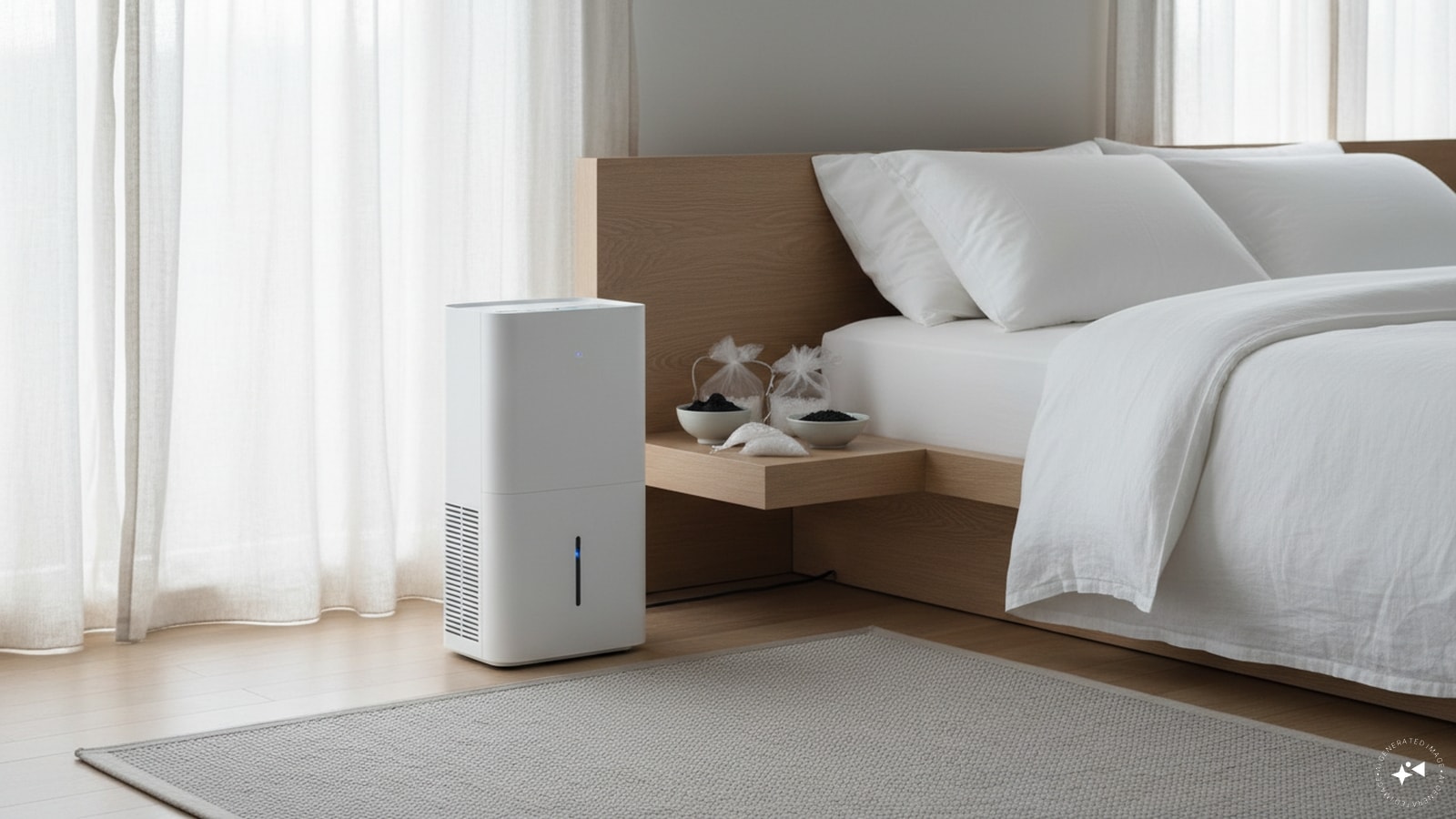
Use Moisture Absorbers: Place moisture absorbers, silica gel packs, charcoal, or a dehumidifier in humid rooms. These can help reduce excess moisture in enclosed spaces such as wardrobes, kitchens, and bedrooms during the rainy season. (Generated image)
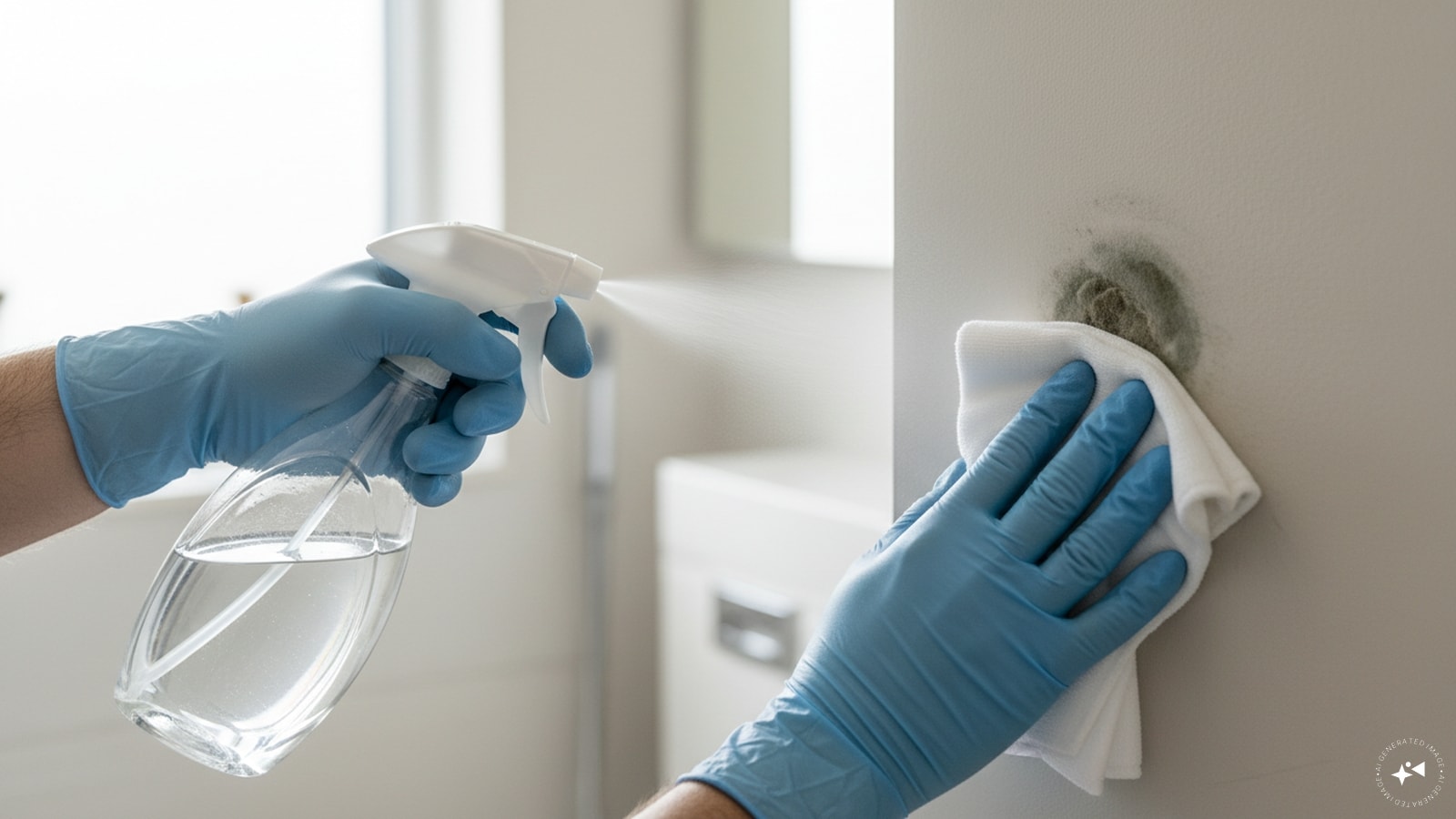
Clean Mould Safely: If you notice small patches of mould, clean them promptly using suitable cleaning products while wearing gloves. Addressing mould early helps stop it from spreading further across walls, ceilings, or furniture. (Generated image)

Reduce Indoor Humidity: Avoid drying too many wet clothes inside enclosed rooms and keep kitchens and bathrooms well ventilated. Lower indoor humidity makes it harder for dampness and mould to develop during prolonged rainy weather. (Generated image)


