


8 simple ways to support independence at home for children


Children are often more capable than adults give them credit for. Long before they can manage the full weight of responsibility, they are already looking for small ways to do things on their own: pour water, choose clothes, clear a plate, open a zip, make a decision, solve a tiny problem without interruption. These moments may look ordinary, but they are the building blocks of independence. At home, independence does not mean leaving children to figure everything out alone. It means creating a space where they can try, stumble, learn and gradually take more ownership of their world. The goal is not speed. It is confidence. And confidence grows best in homes where children are trusted with age-appropriate tasks, not corrected at every turn.
Start small and let repetition do the work
Independence is not built through dramatic milestones. It is built through repetition. A child who is encouraged to put their shoes away every day, carry their plate to the sink or choose between two outfits begins to understand that they can participate in the running of the home.Small tasks matter because they are manageable. They do not overwhelm the child or the parent. More importantly, they send a clear message: you are capable, and your efforts are useful. That message matters deeply in childhood, especially when children are still developing a sense of agency.The key is to begin with what the child can already do, not what adults wish they could do overnight. Even very young children can help in tiny ways. Older children can take on more responsibility, but the principle stays the same. Independence grows when children are given real opportunities to practice.
Make the environment easier to navigate
A home that is built entirely around adult convenience can quietly limit a child’s independence. If cups are too high to reach, clothes are too hard to find, or toys are put away in a way that only adults understand, children become dependent on constant help.Simple adjustments can change that. Low hooks for bags, a reachable shelf for daily items, a stool in the bathroom, baskets for socks, and clearly labeled spaces for toys or school supplies all make a child’s life easier to manage. When children can access what they need, they begin to take more responsibility without being asked.This is not about turning the home into a child-only space. It is about making the environment legible. A child who can see where things belong and reach them independently feels less frustrated and more in control.
Give choices without overwhelming them
Choice is one of the quickest ways to support independence, but it works best when it is offered in small, thoughtful doses. Too many options can confuse children; too few can leave them feeling powerless. Two or three clear choices are usually enough.For example, rather than asking a child to decide everything, let them choose between the blue shirt and the yellow shirt, carrots or cucumber, this story or that one, brushing teeth before or after pajamas. These choices may seem minor, but they give children the experience of making decisions and living with the outcome.That experience matters because independent children are not just children who do tasks alone. They are children who learn to think, choose and trust themselves.
Let them help, even when it is slower
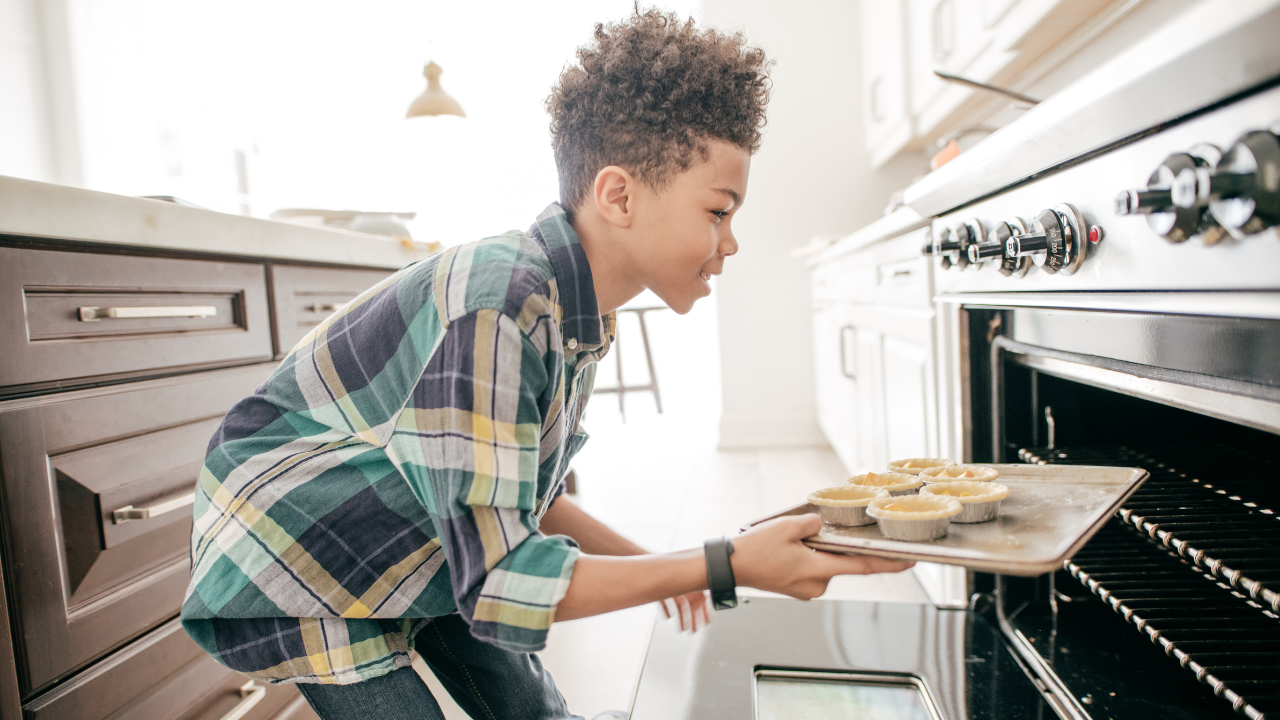
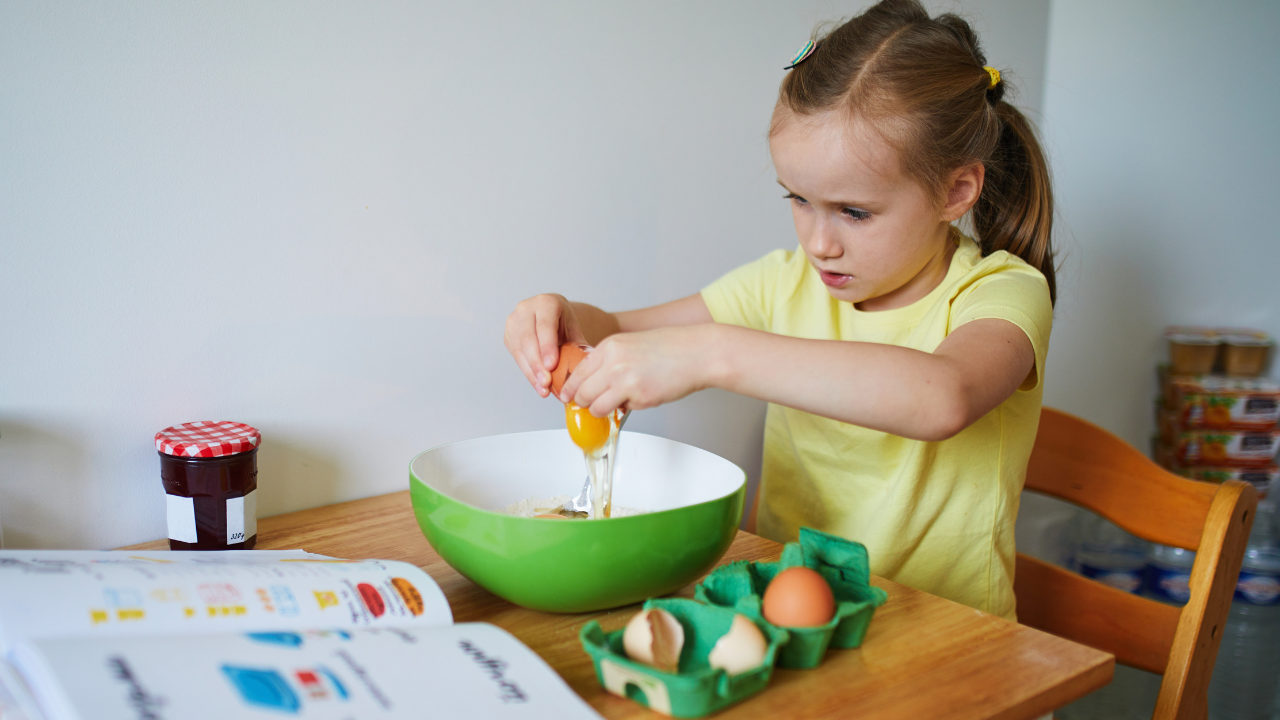
Adults often step in because it is quicker. It is faster to tie the shoe, pour the milk or pack the bag yourself than to wait for a child to try. But speed is not the point. Learning is.When children help with real household tasks, they begin to understand that they are part of family life, not just passengers in it. They can stir batter, fold towels, water plants, match socks, sort groceries or set napkins on the table. These jobs do more than occupy them. They teach sequencing, patience and responsibility.Yes, it may be messy. Yes, it may take longer. But the child who is allowed to help today becomes the child who is more confident tomorrow.
Praise effort, not just success
Children become more willing to attempt things when they know mistakes are part of the process. If every effort is judged by whether it was done perfectly, children may begin to avoid trying altogether. Independence needs room for imperfection.That is why the tone of adult feedback matters so much. Instead of focusing only on the result, notice the effort. “You kept trying.” “You remembered where it goes.” “You did that on your own.” These kinds of responses tell children that learning is valuable even before mastery arrives.When a child spills water while pouring, the goal is not to shame them into caution. It is to show them how to clean it up and try again. A child who feels safe making mistakes is far more likely to become a capable one.
Resist the urge to rescue too quickly
Many parents interrupt a child’s struggle because they want to spare frustration. That instinct is understandable. But not every moment of difficulty is harmful. Some frustration is exactly where learning begins.When a child is trying to button a shirt, reach a shelf or explain a problem, pause before jumping in. Give them a moment to think. Offer help after they have had a chance to attempt it. Independence depends on the experience of effort. If adults solve every challenge too quickly, children miss the chance to build their own problem-solving muscles.This does not mean watching them struggle endlessly. It means noticing the difference between productive effort and genuine distress.
Build routines that children can own
Children feel more independent when parts of the day belong to them. A morning routine, a bedtime sequence or an after-school habit can become a kind of personal territory. A child who knows that brushing teeth, putting away shoes and choosing pajamas happen in the same order each night begins to manage those tasks with less prompting.Routine creates freedom in a strange way. It reduces the number of decisions children have to make and gives them a structure they can eventually carry by themselves.
Trust grows independence
At its heart, supporting independence is an act of trust. It tells children that they are not too small to contribute, not too young to try and not too fragile to learn. The home becomes the first place where they practice being capable, responsible and self-directed.Children do not become independent because adults demand it. They become independent because someone kept making room for them to try. The most powerful support often looks quiet: a stool pulled closer to the counter, a task repeated patiently, a choice offered with respect, a mistake met without panic.That is how independence grows at home. Not all at once, and not in grand gestures, but in the steady accumulation of small freedoms that teach a child to trust their own hands, their own mind and, eventually, their own judgment.


