


Always On Your Phone? Parents Screen Habits Could Be Affecting Your Child’s Speech Development


Last Updated:
A study examines how parental phone habits, nighttime tablet use and reduced face-to-face interactions are associated with children’s speech development.




Reducing distractions does not mean parents have to give up their phones altogether. Small changes to everyday routines can create more opportunities for meaningful interaction.
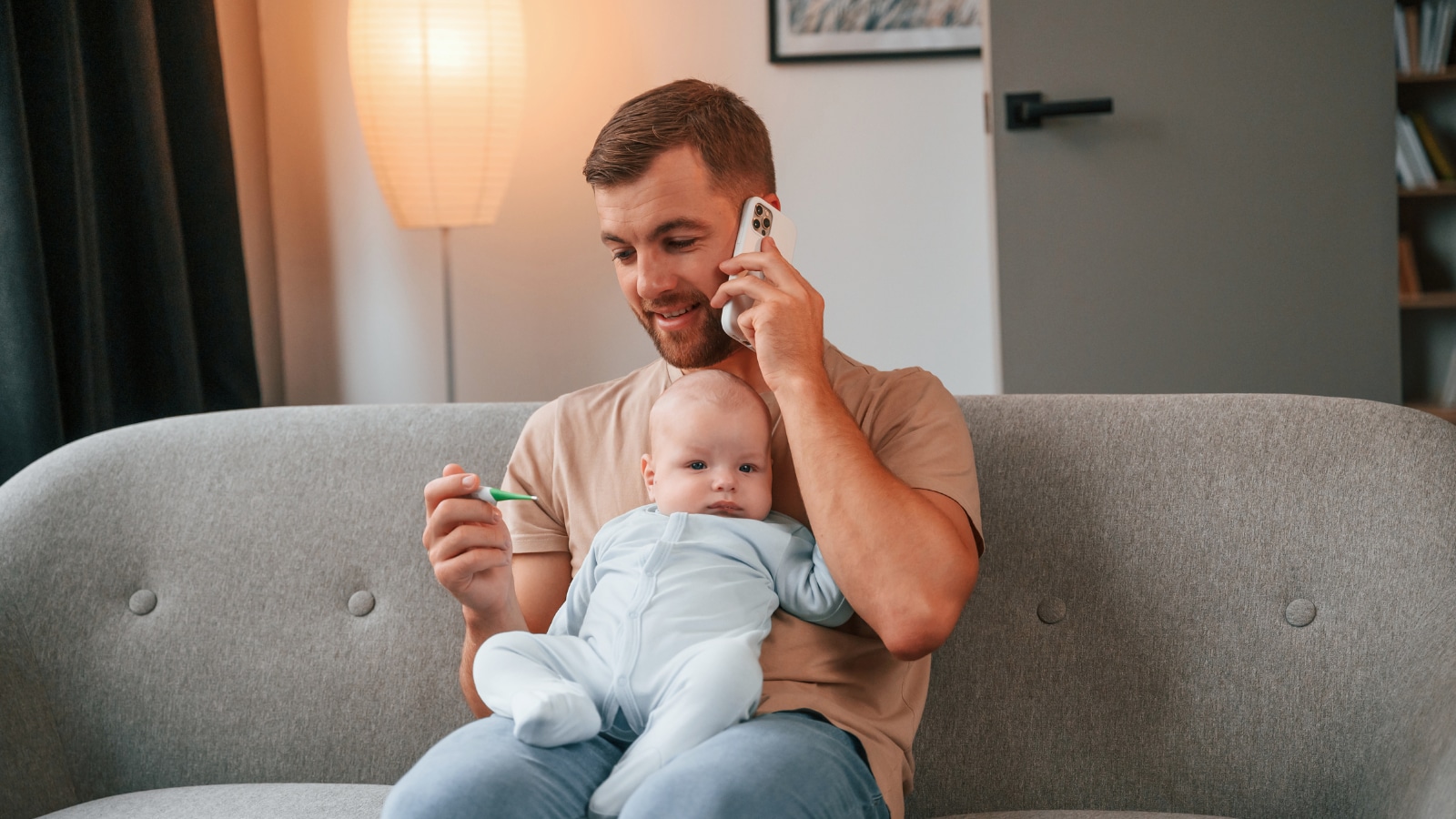
You may be scrolling through messages while your child plays beside you, checking work notifications during dinner or catching up on social media while putting your little one to bed. These moments may seem harmless, but how often are you putting your phone down to talk, listen and engage with your child?
A new study has raised concerns about how parents’ mobile phone habits outside working hours could influence speech development in preschoolers. Published by researchers from RISE-Health and the University of Aveiro in Portugal, the study found an association between parents’ phone use during their free time and poorer speech development in children.
The findings offer an important reminder that children’s language skills develop not just through what they hear, but also through everyday conversations and interactions with the people around them.

How Can Parental Phone Use Affect A Child’s Speech Development?
The study, titled Screen Use And Family Functioning As Predictors Of Phonological Development In Children, examined 93 Portuguese-speaking families with children aged between three and five years.
Researchers found that parents’ mobile phone use outside working hours, children’s tablet use at night and excessively close, dependent family relationships were associated with delayed speech development.
One possible explanation is that parental screen use reduces opportunities for face-to-face communication. When parents are distracted by notifications, calls or social media, they may miss opportunities to respond to their child’s questions, listen to their attempts at speaking or introduce new words during everyday activities.
Researchers also highlighted how children need opportunities to initiate conversations rather than simply listen to adults speaking.
Why Do Everyday Conversations Matter For Language Development?
Speech development involves much more than learning new words. Children need opportunities to hear sounds, practise pronunciation, understand language and participate in conversations.
Talking during mealtimes, singing nursery rhymes, reading bedtime stories and playing together can create meaningful opportunities for children to develop these skills.
According to the researchers, children also need enough time to respond and take the initiative. When adults frequently anticipate what a child wants or answer questions on their behalf, they may unintentionally limit opportunities for independent communication.
Can Night-Time Screen Use Also Affect Speech Development?
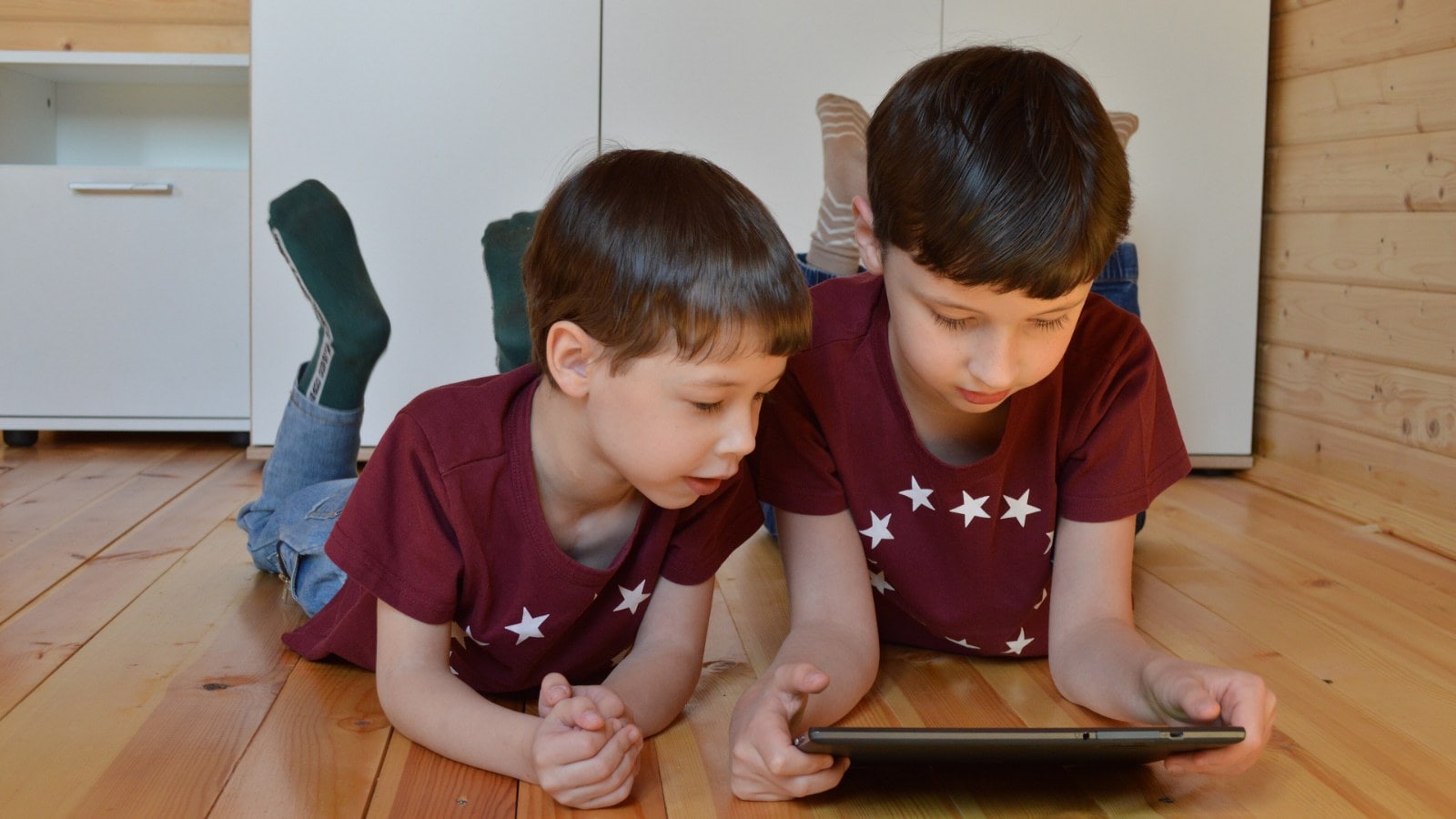
The study also identified an association between children’s tablet use at night and poorer phonological development.
Although the findings do not establish that nighttime screen exposure directly causes speech delays, they highlight why parents should pay attention to when and how children use digital devices.
Other research has also linked greater screen exposure with fewer conversational exchanges between parents and young children. A 2024 study published in JAMA Pediatrics, for instance, found that increased screen time was associated with fewer adult words, child vocalisations and conversational turns in the home environment.

How Can Parents Support Their Child’s Speech Development?
Reducing distractions does not mean parents have to give up their phones altogether. Small changes to everyday routines can create more opportunities for meaningful interaction.
- Keep phones away during meals: Use mealtimes to talk about food, activities and everyday experiences.
- Read together: Storybooks introduce children to new words, sounds and sentence structures.
- Encourage children to speak: Give them time to express their thoughts instead of completing their sentences.
- Make time for play: Singing, storytelling, pretend play and simple conversations encourage language development.
- Create screen-free bedtime routines: Replace late-night tablet use with books, conversations or calming activities.
The key takeaway is not that every parent who uses a smartphone risks delaying their child’s speech. The study identifies an association, not proof of cause and effect.
Quick Answers
 Ask News18
A study by RISE-Health and the University of Aveiro found an association between parents using phones during free time and poorer speech development in children. Parental screen use reduces face-to-face communication, meaning parents may miss chances to respond to questions, listen to speech attempts, or introduce new words.
Ask News18About the Author

Our life needs a bit of style to get the perfect zing in the daily routine. News18 Lifestyle is one-stop destination for everything you need to know about the world of fashion, food, health, travel, r…Read More
November 25, 2026, 21:19 IST


