


An expert guide to fixing common bathroom problems that could save you hundreds


The frustration of a household repair, be it a persistent drip from a tap or a wobbly toilet seat, often leads to immediate thoughts of costly professional intervention or a complete replacement.
However, a leading expert suggests that many common bathroom woes can be resolved with simple, inexpensive fixes, saving both money and the environment.
Ross Bliben, sales director at Bathroom Spare Parts, a prominent UK supplier of bathroom components, highlights a prevalent issue: “For most of us, when something goes wrong in our bathroom, we tend to think it has to be fully replaced.”
He adds, “The rip and replace approach has meant that many toilet seats, shower fixtures and taps end up in landfill each year.” Bliben argues that often, “with a simple spare part, the existing seat [or fixture] could have been fixed for just a few pounds.”
While many repairs are achievable with the aid of online video tutorials, Bliben, who boasts over 15 years of experience in the bathroom industry, advises that for multiple issues or a lack of confidence, engaging a plumber for a single visit can prove more cost-effective.
Before reaching for the phone, he offers his expert guidance on tackling some of the most frequent bathroom problems:
1. The Leaking Tap
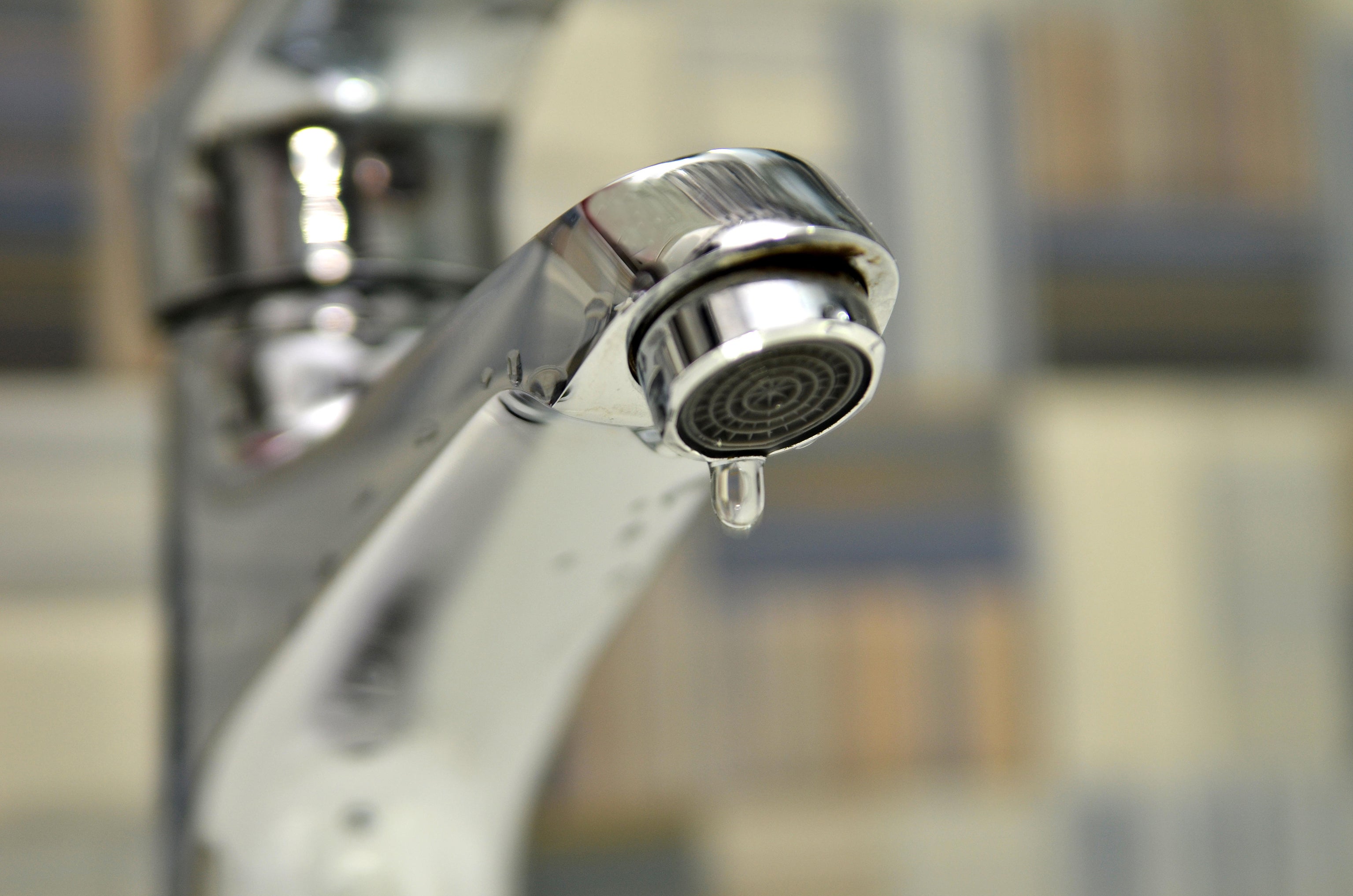
A constant drip is typically caused by a worn ceramic cartridge or washer. Bliben explains that despite appearances, this is a straightforward repair. “To fix a leaky tap, you need to replace the internal cartridge – a simple swap once the tap is isolated.
Most modern taps use a ceramic disc cartridge rather than a traditional rubber washer.” He clarifies that while the worn cartridge cannot be individually repaired, it “can be easily replaced as a single unit.” These cartridges are widely available in various sizes and types, designed for easy swapping without needing to replace the entire tap.
The cost of such a repair can range from “as little as £10 to £40 for the part only, depending on whether you do it yourself or hire a plumber,” Bliben notes, contrasting this with the “upwards of £80 to £300+” for a full tap replacement. He stresses that the tap body itself is rarely the problem; it’s a small, internal component that can be easily exchanged.
2. The Loose or Broken Toilet Seat
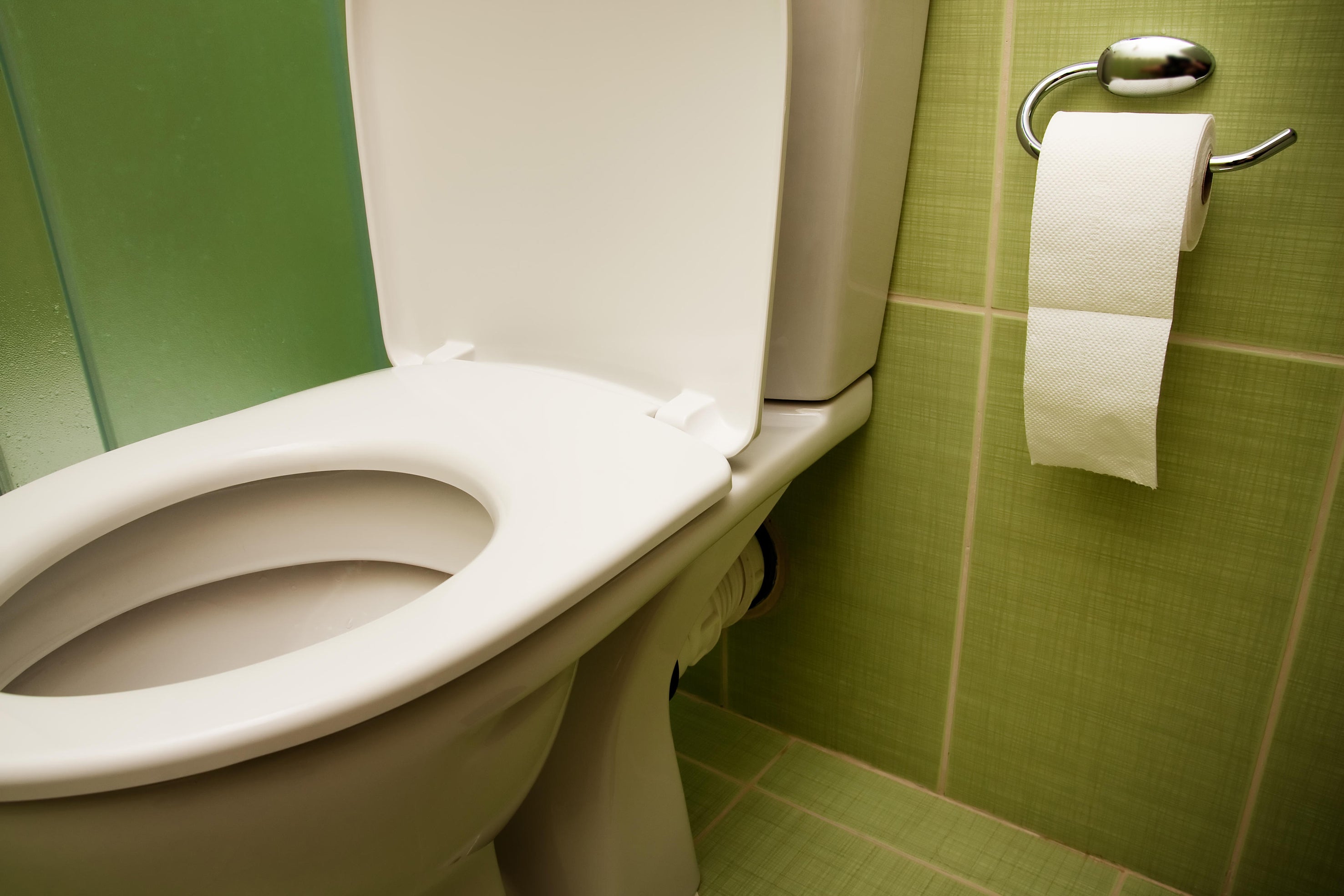
A shifting toilet seat or a failing soft-close mechanism can often be remedied. Bliben advises starting by tightening or replacing the fastenings and washers. “Most will have a screw underneath, which is fitted by a screw-on fixer and then a washer.”
He suggests first tightening the screw, which should resolve the movement.
If the issue persists, replacing the screw-up part and washer is usually the next step, as the other components can be replaced as long as the seat’s main screw is intact. A DIY repair typically costs around £15, a significant saving compared to some new seats which “can cost more than £100.”
3. The Constantly Running Toilet
Water trickling into the toilet pan after flushing, often unnoticed, can lead to substantial water waste and increased bills. Bliben warns that this can result in losing “up to 200 to 400 litres of water a day – and up to £400 a year if it goes unnoticed.”
To check for a leak, he suggests flushing the toilet, waiting for it to stop running, then placing toilet paper on the back wall of the pan. “If it ends up in the bowl, you have a leak,” he cautions.
Replacing the flush valve seal or the entire flush valve can cost between £15 to £50, a stark contrast to the £150 to £500 for a new toilet. “In most cases, it’s just a degraded seal, which is a 10-minute fix.”
4. Weak Shower Temperature or Fluctuating Heat
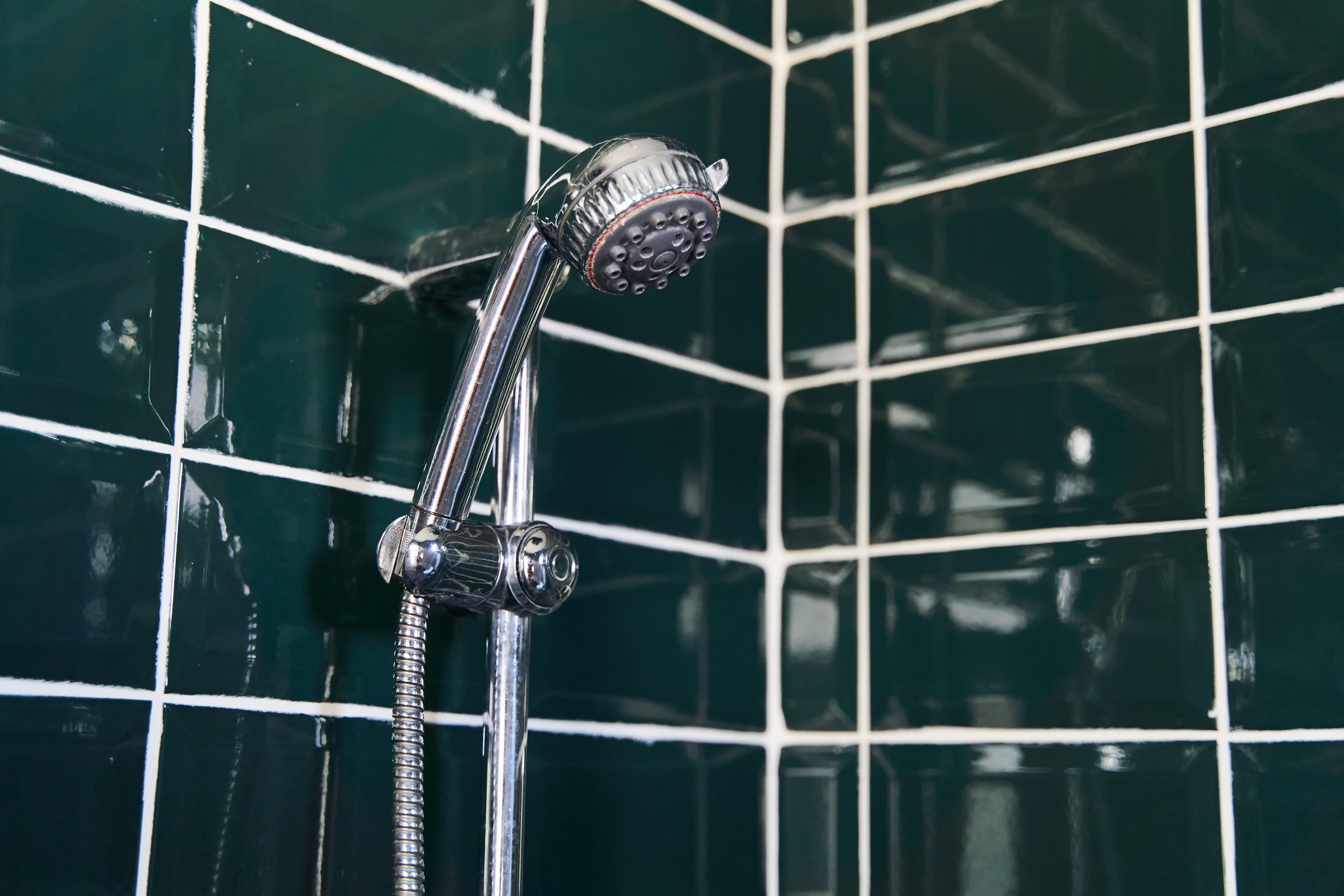
If your shower struggles to reach full temperature or oscillates between hot and cold, it usually signals the need to replace the thermostatic cartridge inside the valve.
Bliben explains that this can be a DIY task, provided the water supply is turned off at the stopcock (typically under the kitchen sink) and the system drained by opening taps throughout the house.
“The repair cost for a thermostatic cartridge can be between £30 to £120, making it much cheaper than a new shower system; which can be from £200 to £800+,” he underlines. He notes that the shower unit itself is often fine; it’s merely the regulating cartridge that requires replacement, particularly in older models.
Ultimately, these simple repairs offer long-term benefits. Bliben concludes: “Not only can they save you money on installation costs and replacements, but can also save you money on your water and heating bills.” He likens the approach to “a bathroom health check.”


