


Bad idea right? How the babydoll dress became spring’s most divisive fashion choice


Olivia Rodrigo has won three Grammy Awards. At just 18 years old, the Gen Z pop-rock star was named Time’s 2021 Entertainer of the Year after her first single “Driver’s License” launched her into the stratosphere.
This April, with the release of her latest track “Drop Dead”, she became the first artist in history to have the lead singles from her first three albums, Sour, Guts and the forthcoming You Seem Pretty Sad for a Girl So in Love, debut in No 1 position on Billboard’s Hot 100 chart.
Still, when she walked out to perform at Spotify’s Billions Club show in Barcelona to celebrate securing over a billion streams on the platform, the internet zoomed its gaze in on one thing only: what she was wearing.
In knee-high black Doc Martens and a floral babydoll dress, the 23-year-old cascaded through hits including “Deja Vu”, “Good 4 U”, “Jealousy” and “Bad Idea Right?” for 1,500 fans at the city’s open-air amphitheatre on the slope of Montjuïc mountain, Teatre Grec.
“I haven’t played a show in a long time. This is my first one back, and I can’t think of a better way to have one than with you guys here,” Rodrigo said of her return to stadium shows. “I think this is the most beautiful venue I’ve ever seen in my life.”
The takedown was swift and sharp. “Can Olivia Rodrigo dress like a normal pop star and stop trying to dress up like a toddler?” one person questioned on X about her outfit. “I will never get people dressing like a baby,” another commented on a separate image of Rodrigo in a frilly blue babydoll dress and white knee-high socks.
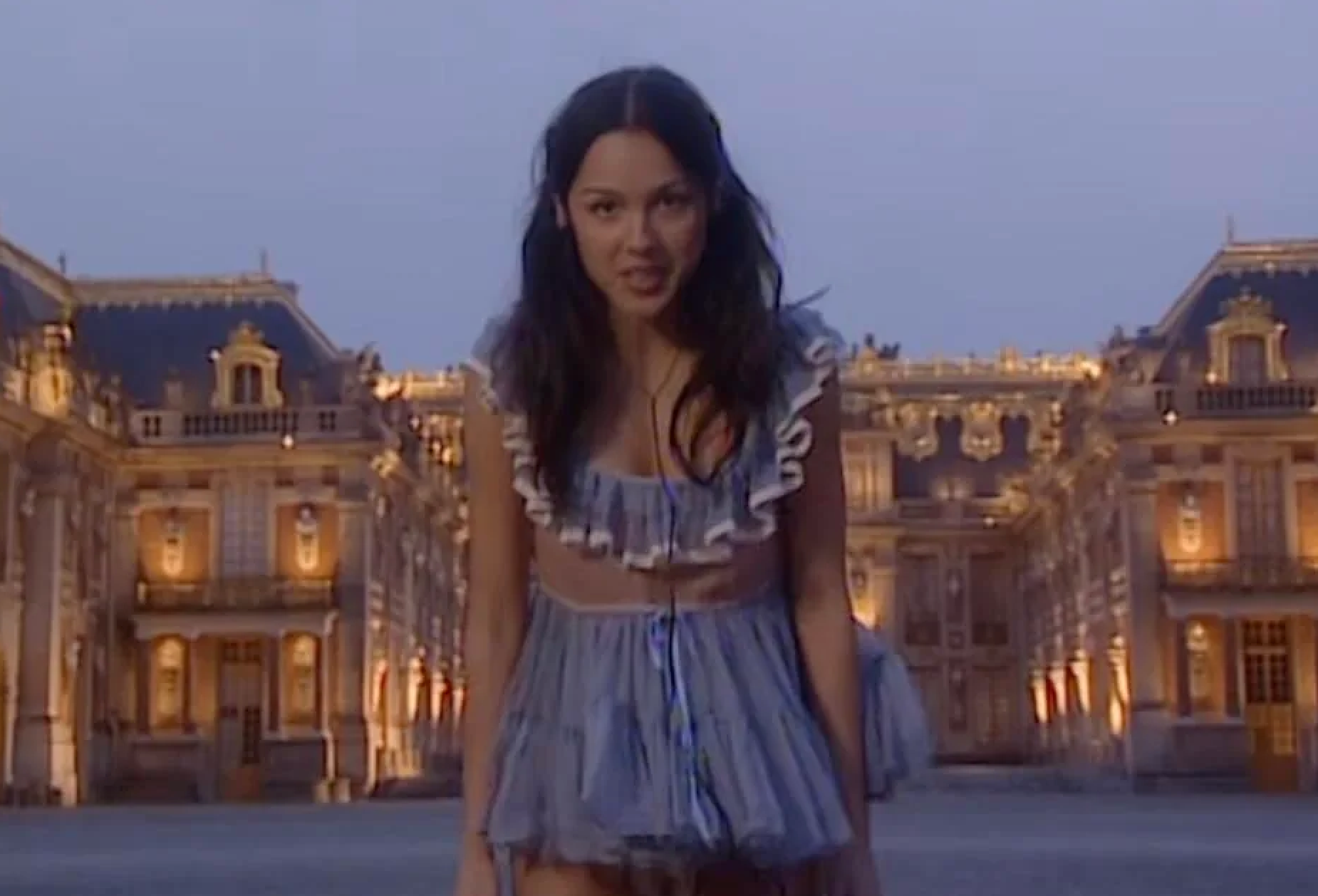
Rodrigo is partial to a babydoll dress. In her video for “Drop Dead”, filmed in the Palace of Versailles, she prances and plays guitar in a chemise and bloomers from Chloe’s pre-fall 2026 collection and a pearl-studded mini-dress worn by Jane Birkin. Three weeks ago, she went along to celebrate the opening of Feel Karaoke in LA in a pale pink custom babydoll dress designed by the small label Jane Doe. On the album artwork for her forthcoming release, she hurtles into the sky on a swing in a Peter Pan-collared mini dress, Mary Jane black pumps and socks.
“Olivia Rodrigo has been making references to Courtney Love, so this is on brand,” says rock music researcher and academic Dr James How of the singer’s connection to the influential rock star frontwoman, who used babydoll dresses as part of her “Kinderwhore” aesthetic that satirised and subverted ideas of traditional femininity throughout the Nineties, alongside her Babes in Toyland bandmate Kat Bjelland. “I always thought that was really cool,” Rodrigo told Vogue of the style this month.
But babydolls were first popularised during the Second World War’s materials shortage. “These shorter dresses were seen as a bright new version of femininity,” says How. “If you watch videos of Love decades later, the dresses are way too small for her; they’re torn, they’re dirty. They look like artefacts that’ve been taken down from attics… She looks pretty frightening. Rodrigo is engaging with these great 1990s rock stars, who were really alternative, but I don’t think she’s playing with the meanings that they were.” How adds. “She looks really good – that’s the difference.”

Enjoy unlimited access to 100 million ad-free songs and podcasts with Amazon Music
Sign up now for a 30-day free trial. Terms apply.
ADVERTISEMENT. If you sign up to this service we will earn commission. This revenue helps to fund journalism across The Independent.
Enjoy unlimited access to 100 million ad-free songs and podcasts with Amazon Music
Sign up now for a 30-day free trial. Terms apply.
ADVERTISEMENT. If you sign up to this service we will earn commission. This revenue helps to fund journalism across The Independent.
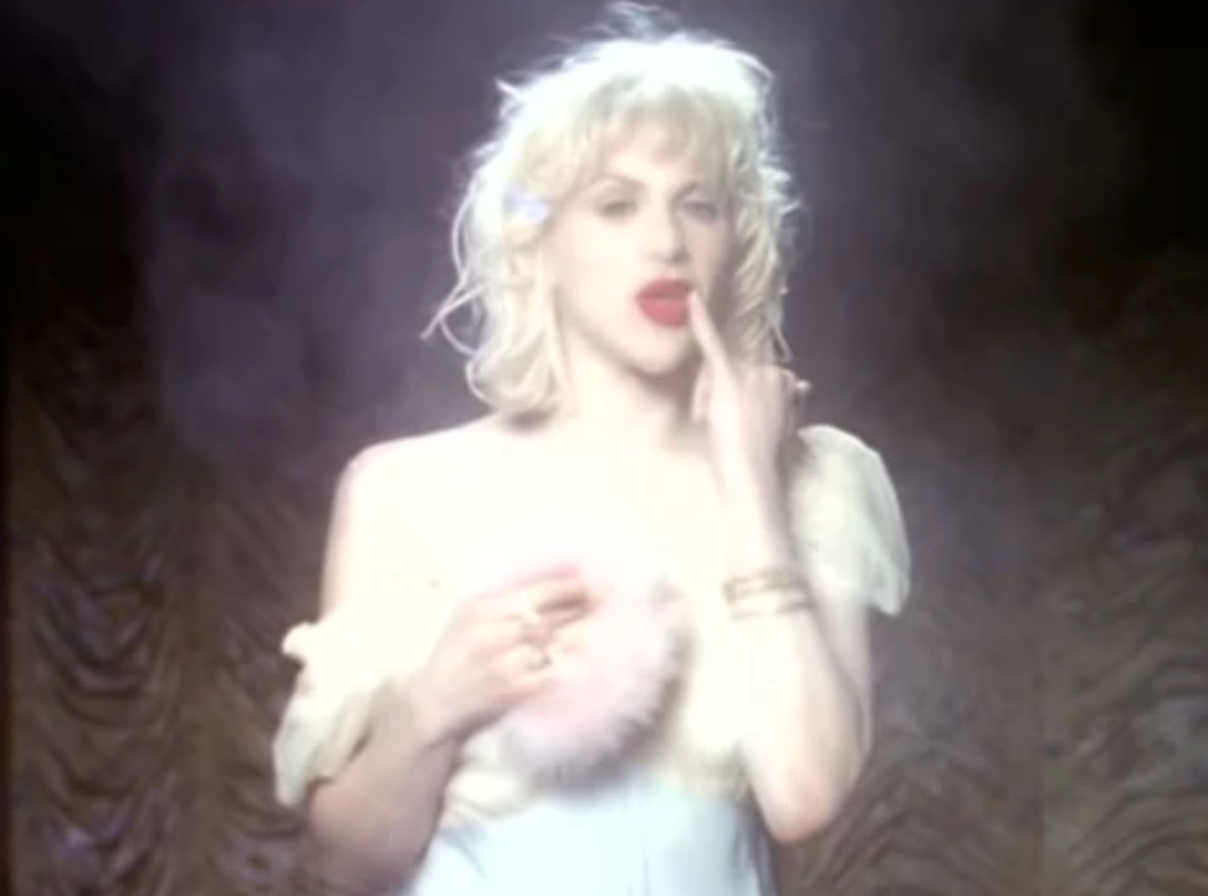
How adds of the backlash: “People don’t allow artists, especially women, the freedom that they have to express themselves. We don’t really know where Rodrigo is going with this; She’s not being given time to find those meanings. I think it’s horrible that people aren’t allowing her to express herself in that way – Courtney Love wore some pretty outrageous stuff really and she wasn’t going to let anyone stop her from doing it.”
Following the initial wartime trend, babydoll dresses enjoyed a renewed popularity in the mid-Sixties. “Young women very firmly didn’t want to look like miniature versions of their mothers,” says fashion historian Daniel Milford-Cottam. “Many designers – not just Mary Quant – were deliberately designing clothes that were very young-looking as part of this rebellion, and by the middle of that decade, the ‘Swinging Sixties’ concept had taken hold, with rising hemlines and loose, shift or A-line silhouettes.
“Quant was designing clothing for women that was intentionally based on not just children’s clothes, but baby clothing.”
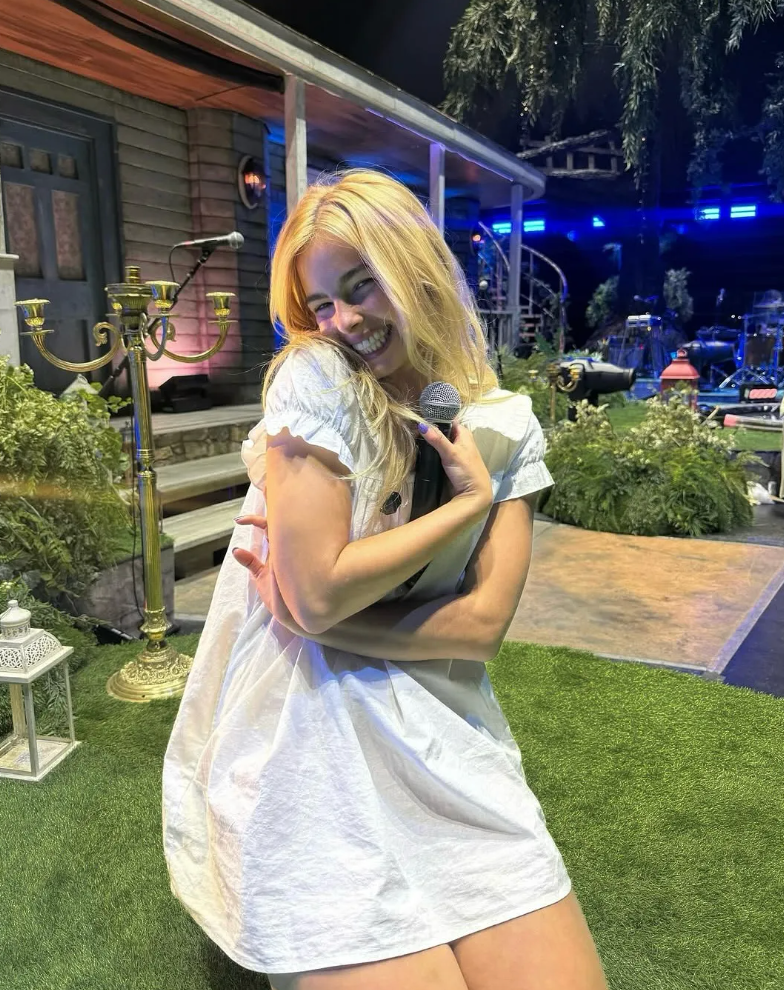
Both Rodrigo and her contemporaries – Sabrina Carpenter, Addison Rae – have been on the receiving end of acidic online remarks for supposedly sexualising “children’s clothing” or infantilising themselves. For every critic, there’s also a fan pointing out that, firstly, women should be allowed to wear what they want and secondly, it’s sexually perverse people who’re at fault here – not pop artists making a fashion choice. “Why are we always blaming women and putting the shame on them?” one person asked on Instagram. “Shouldn’t the shame be put on the predators who see a grown woman wearing a dress and sexualise it? Come on, people.”
This debate circled Quant’s designs, too, says Milford-Cottam. “The criticism at the time was that short skirts would encourage sexual assault and bad behaviour,” he explains. “Mary Quant notoriously said that such comments showed ignorance of how many women dressed, protected by layers of fabric such as tights, knickers, even a panty girdle, as well as the matching shorts/bloomers. Interestingly, this dress-and-bloomers look was directly based on clothing that little girls had traditionally worn since the 1920s onwards; and since the Thirties and Forties, grown women had worn similar outfits to the beach (the flared tunic/dress as a beach coverup, with their swimsuit or shorts underneath) without significant censure.”
Since then babydoll dresses have repeatedly reappeared on runways at labels including Valentino, Loewe and Chloé and championed by fashion It-girls including Alexa Chung and Elle Fanning. Repeatedly, Rodrigo has said she favours the look to some degree simply because it’s comfortable. “I want it all to feel fun and laidback,” she told British Vogue.
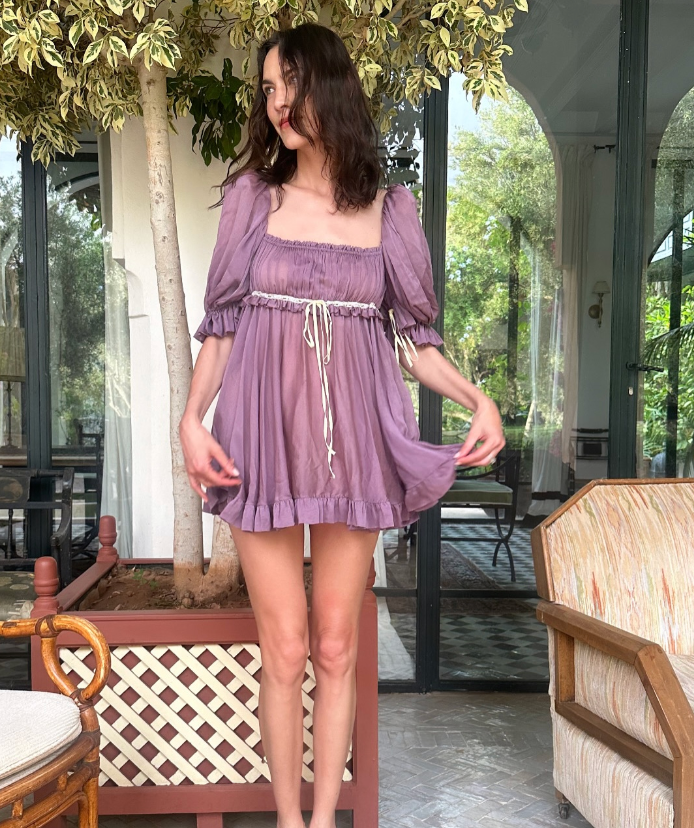
“Compare this to how 1960s young women talked about their shorter dresses,” says Milford-Cottam, nodding to Quant’s attestation that she made “easy, youthful, simple clothes in which you could move, run and jump” enough to catch a bus or cycle to work. “There does seem to be a very strong element here about wanting to shame women for wanting to be active and move around freely and enjoy feeling young and carefree.”
He reflects: “I hesitate to make comments on the interpretations and commentary directed at Olivia, but I do feel that there is a lot of projection here. There seems to be a lot of bitterness and venom aimed towards a young woman who wants to wear clothing that allows her to move around – and that she clearly feels comfortable and like herself in.”


