


Could Flossing Be The Key To Stronger Immunity, Heart Health, And More?


Most people think of flossing as just another step in dental hygiene, a way to remove food particles stuck between teeth. But flossing does far more than keep your smile clean. By targeting the spaces your toothbrush can’t reach, flossing helps prevent gum disease, reduces inflammation, and even supports your overall health in surprising ways. Let’s explore the hidden benefits of flossing and why this small daily habit can have a big impact.
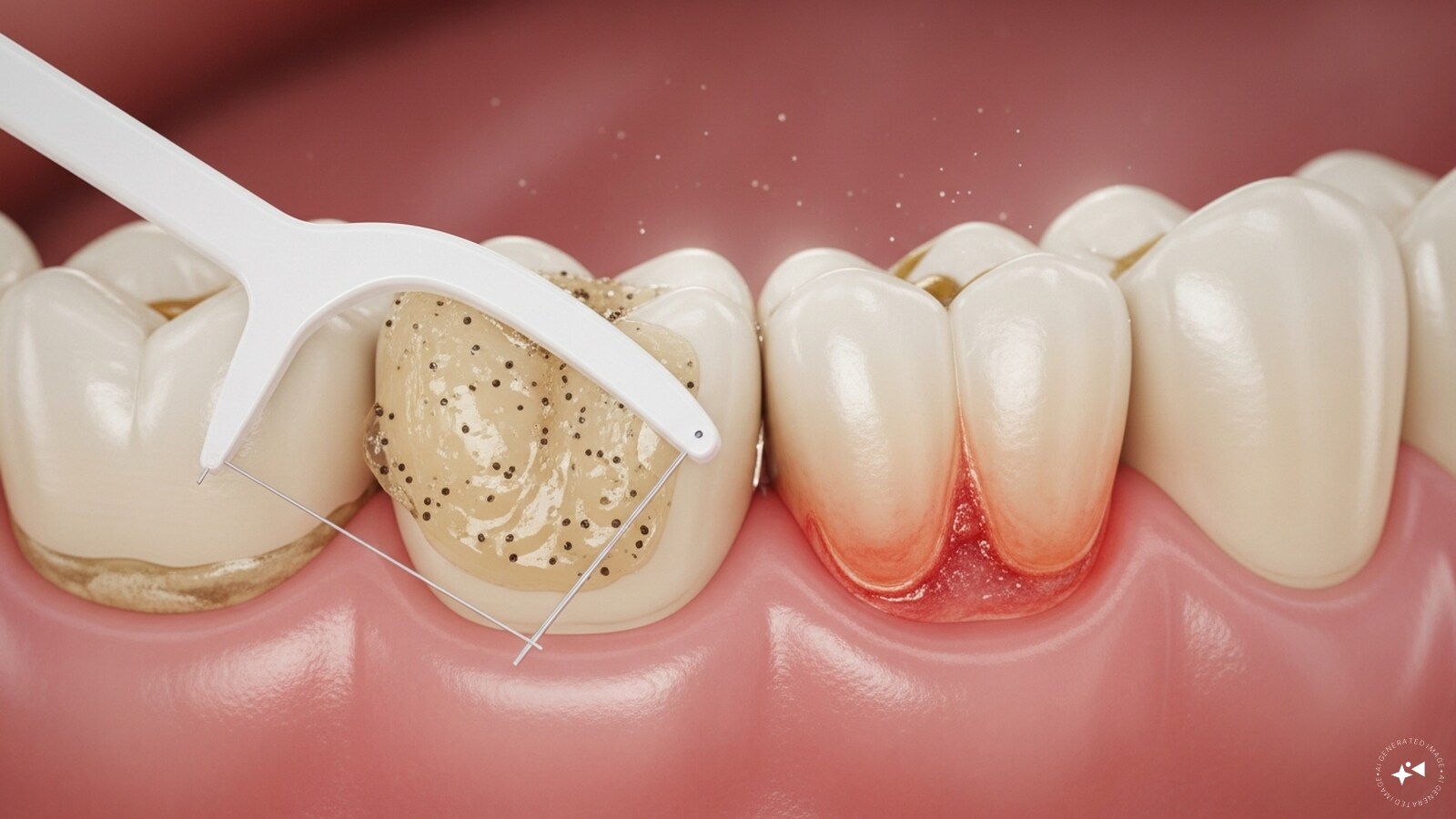
Prevents Gum Disease: Flossing removes plaque and bacteria from between teeth and along the gumline. Without it, plaque hardens into tartar, leading to gingivitis and eventually periodontitis. Healthy gums are the foundation of oral health, and flossing is the simplest way to protect them.
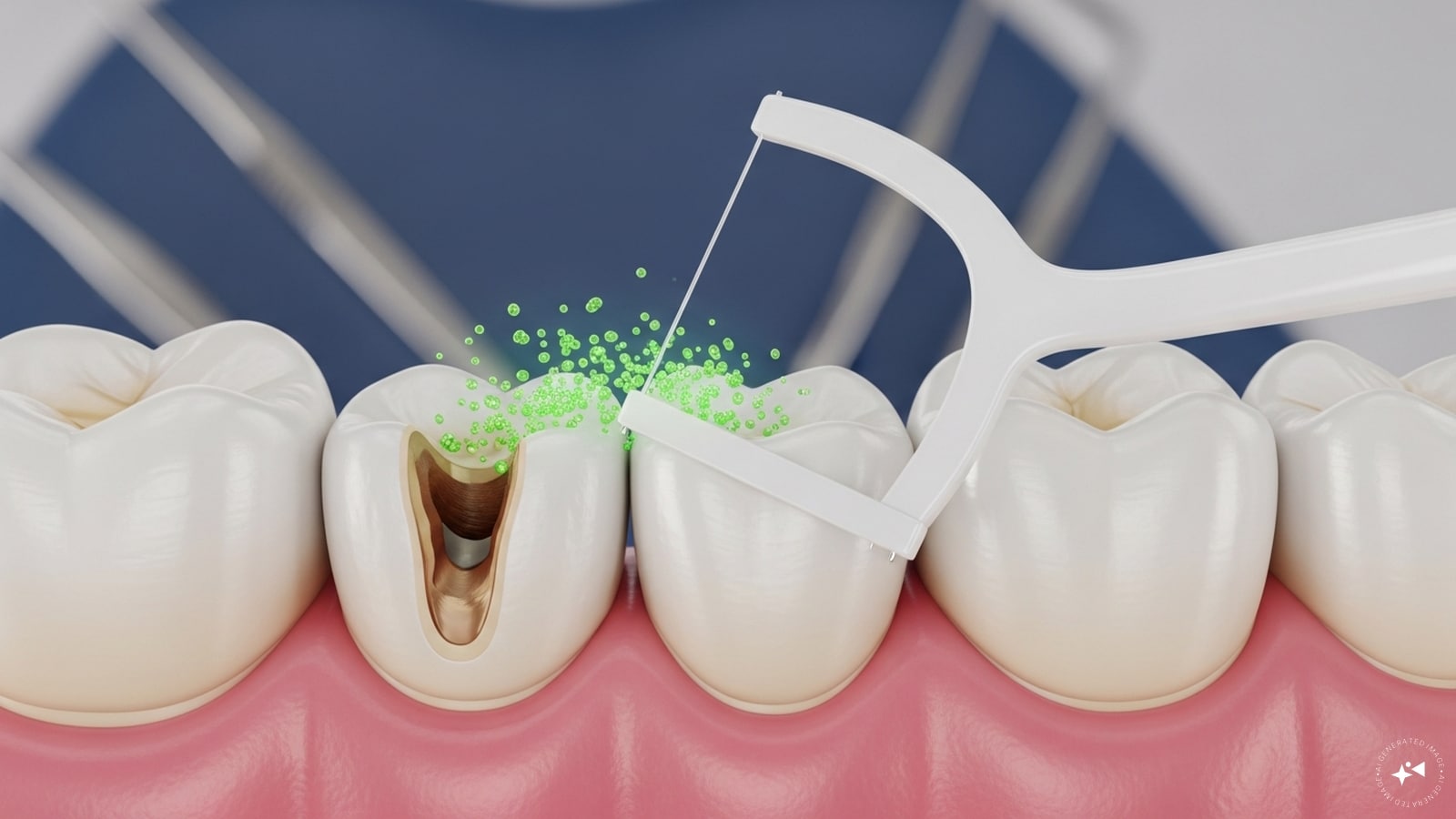
Reduces Risk of Tooth Decay: Cavities often form in tight spaces between teeth where toothbrush bristles can’t reach. Flossing clears out food particles and bacteria, lowering the risk of decay in these vulnerable areas.

Keeps Bad Breath at Bay: Persistent bad breath is often caused by bacteria trapped between teeth. Flossing removes these odor‑causing particles, keeping your breath fresher and your confidence higher.
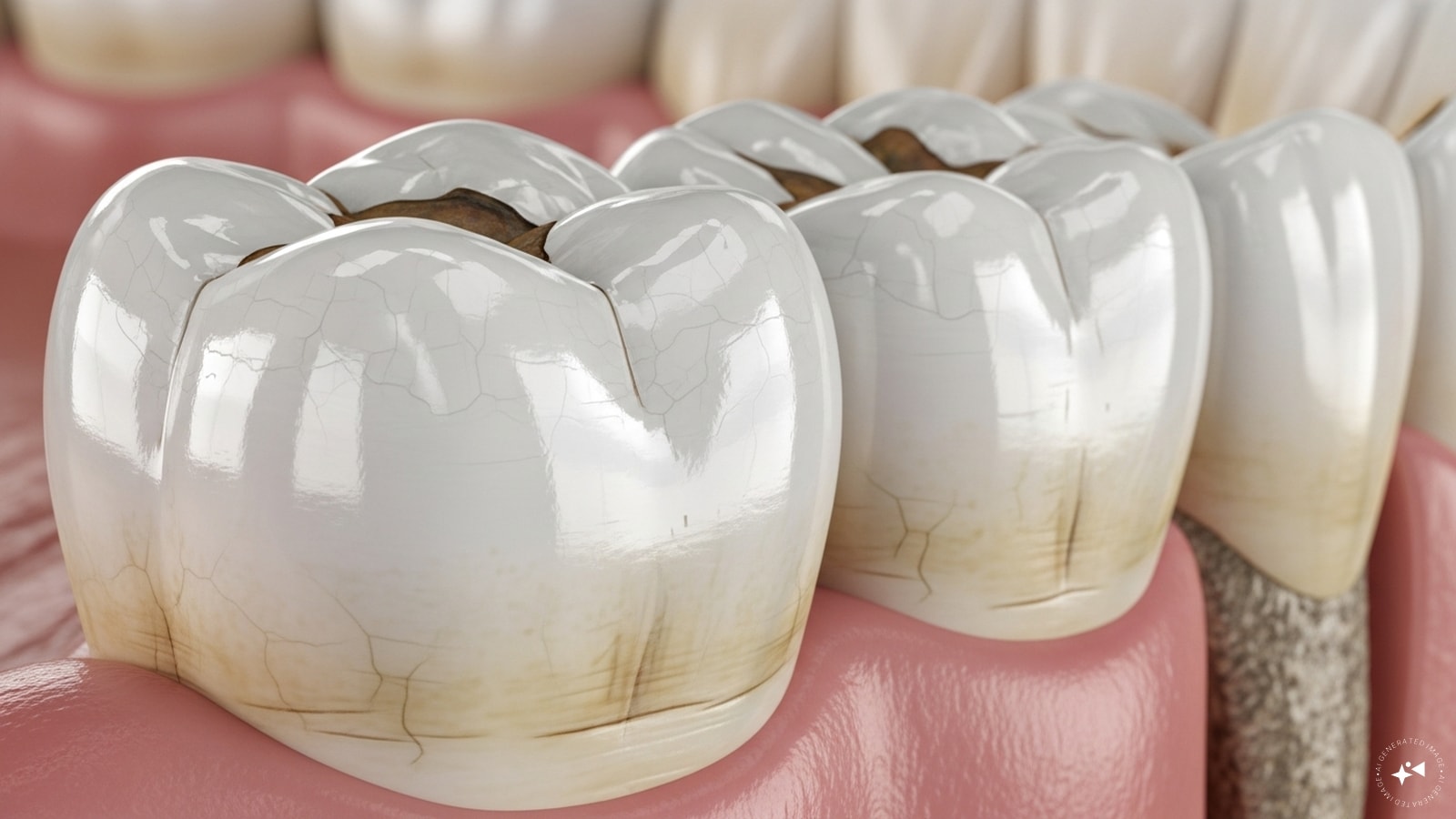
Supports Heart Health: Research has linked gum disease to cardiovascular problems. Bacteria from infected gums can enter the bloodstream, contributing to inflammation and arterial plaque buildup. By preventing gum disease, flossing indirectly supports heart health.
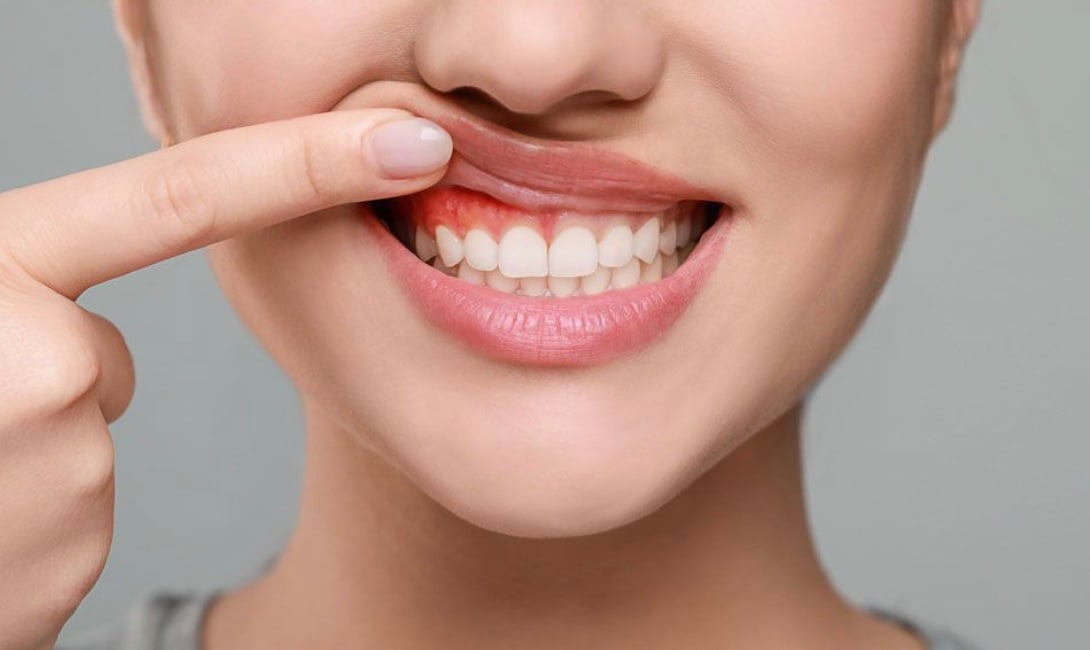
Lowers Risk of Diabetes Complications: People with diabetes are more prone to gum infections, which can make blood sugar harder to control. Flossing helps reduce gum inflammation, supporting better overall management of diabetes.

Protects Against Respiratory Issues: Oral bacteria can travel to the lungs, potentially worsening conditions like pneumonia or chronic bronchitis. Flossing reduces bacterial buildup, lowering the risk of respiratory infections.

Boosts Immune System Efficiency: Chronic gum infections force the immune system to constantly fight bacteria in the mouth. Flossing reduces this burden, allowing your immune system to focus on protecting the rest of your body.

Improves Digestion: Chewing is the first step in digestion, and healthy teeth and gums are essential for breaking down food properly. By preventing gum disease and tooth loss, flossing indirectly supports better digestion and nutrient absorption.

Preserves Cognitive Health: Emerging studies suggest a link between gum disease and cognitive decline. Oral bacteria may contribute to inflammation in the brain. Flossing helps reduce this risk by keeping harmful bacteria under control.

Enhances Overall Confidence: Beyond health benefits, flossing contributes to a brighter smile, fresher breath, and healthier gums. These improvements boost self‑esteem and encourage positive social interactions.


