


Delhi-based cardiologist warns: Winter morning walks might put our heart at risk – The Times of India


Early morning walks feel peaceful in winter. The air seems fresh, the roads are calm, and the habit feels healthy. But this routine may not suit everyone’s heart. A Delhi-based cardiologist has cautioned that walking very early in cold weather can raise the risk of heart attacks and strokes, especially in vulnerable people. The warning comes from Dr Tapan Ghose, Senior Director and Head of Cardiology at Fortis Hospital, Vasant Kunj.
Cold mornings make the heart work harder
Winter cold does more than make hands numb. Low temperatures cause blood vessels to tighten. When vessels narrow, blood pressure rises, and the heart must pump with extra force. Early mornings are the coldest part of the day, and body temperature is also at its lowest then. This double drop puts added stress on the heart, even during something as simple as walking.
Dr Ghose explained to Hindustan Times that this strain becomes more intense during early hours, when both body and outdoor temperatures are at their minimum. For the heart, this is not the most forgiving time.
The sudden shock from warm rooms to cold roads
Another hidden risk lies in the transition. Stepping out of a warm home straight into cold air can trigger abrupt changes in heart rate and blood pressure. The body gets little time to adjust. This sudden exertion, even at a moderate pace, can overload the cardiovascular system.For people with heart disease, uncontrolled high blood pressure, or a past stroke, this quick shift can act as a trigger rather than a benefit.
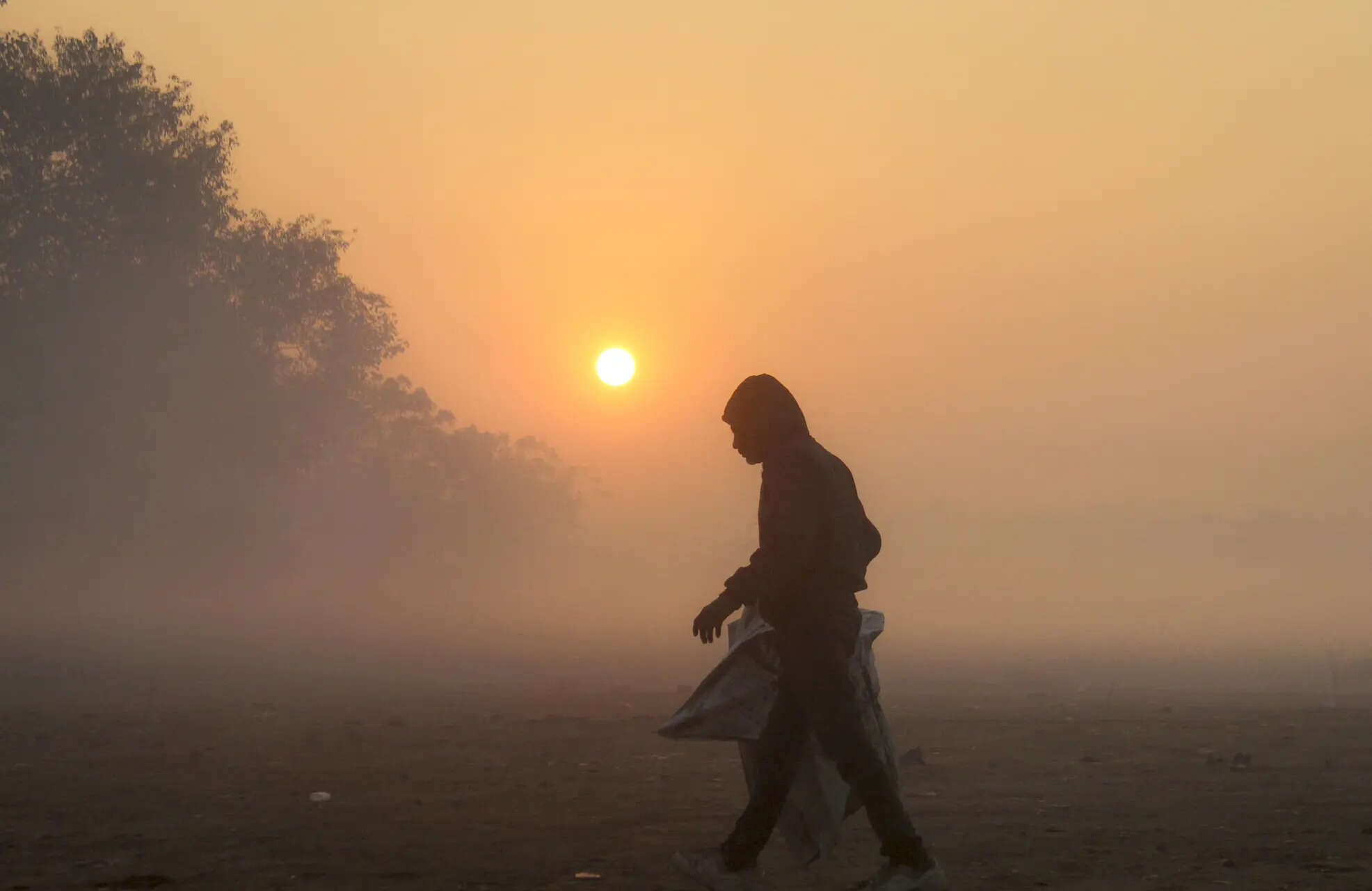
Gurugram: A waste picker searches for recyclable material on a cold winter morning, in Gurugram, Haryana. (PTI Photo)(PTI12_26_2025_000148A)
Pollution and low oxygen add silent pressure
Winter mornings often trap pollution close to the ground. Smog, vehicle fumes, and dust tend to linger in the early hours. Oxygen levels are also slightly lower at this time. Together, these factors make the heart work harder to supply oxygen to the body.According to Dr Ghose, this combination can quietly increase cardiovascular stress, turning an otherwise healthy habit into a risky one for certain individuals.
Warning signs the body should never ignore
The risk is not the same for everyone. Healthy people may adapt better, but warning signs must be taken seriously. Dr Ghose highlighted symptoms that should prompt an immediate stop:
- Chest discomfort
- Unusual shortness of breath
- Dizziness or light-headedness
- Palpitations or irregular heartbeat
These are not signs to “push through.” They are signals to pause and seek medical help.
A safer way to keep walking in winter
Cold weather alone is not the enemy. Timing and preparation matter. Dr Ghose advised warming up indoors before stepping out, dressing in layers to retain body heat, and avoiding very early hours when temperatures are lowest.Mid-morning walks are a safer option. The air is warmer, pollution levels often drop, and the body is more alert. This small shift in timing can protect the heart while keeping the walking habit alive.Disclaimer: This article is for informational purposes only and is based on inputs shared with the media house. It is not a substitute for professional medical advice. Always consult a qualified doctor for guidance related to heart health or exercise routines.


