


Delhi Chokes On Post-Diwali Smog: Gur, Haldi Doodh And Other Remedies To Soothe A Sore Throat


Last Updated:
As Delhi’s AQI hit 450 after Diwali, with several areas crossing 2000. Could gur, haldi doodh and ginger tea soothe a sore throat amid the toxic smog?




PM2.5 levels had already surged on Diwali evening to more than four times India’s 24-hour national safety standard.
The Diwali celebrations may be over, but the after-effects of pollution are becoming harder to ignore. If you have woken up with a scratchy throat, persistent coughing, chest irritation or a burning sensation while breathing, the post-Diwali smog could be contributing to your discomfort.
Delhi woke up on Monday, 9 November 2026, under a thick blanket of post-Diwali smog. According to Central Pollution Control Board data recorded around 7:00 AM, the city’s overall Air Quality Index stood at 376 in the Very Poor category, with multiple stations crossing 400 into the Severe range. Hotspots included Sonia Vihar (449), Burari Crossing (445), Vivek Vihar (441) and several others above 400.
PM2.5 levels had already surged on Diwali evening to more than four times India’s 24-hour national safety standard. Calm winds and low ventilation trapped the particles close to the ground, and forecasts suggested the ‘Very Poor’ to ‘Severe’ band would hold for the next few days.
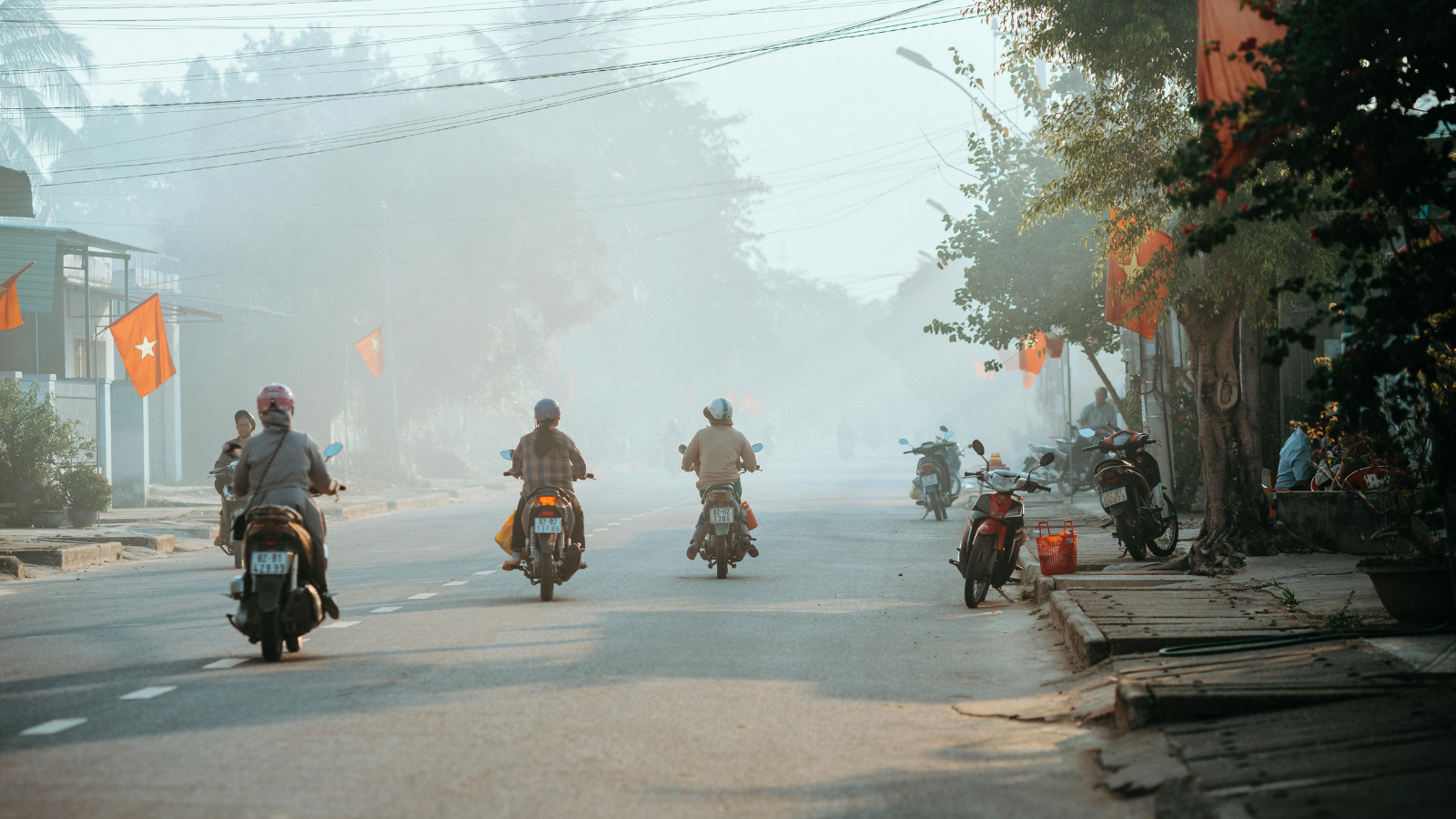
While staying indoors, limiting outdoor exposure and following precautions are important, certain traditional Indian kitchen ingredients may offer temporary relief from throat irritation. Gur, haldi doodh, honey and other familiar remedies are often used to soothe a sore throat. However, these are supportive measures, not treatments for pollution-related respiratory conditions.
For many residents the first discomfort is not only in the lungs but in the throat: dryness, scratchiness, a persistent cough and a sense of heaviness in the chest. While masks, air purifiers and reduced outdoor time remain the primary defences, Indian kitchens have long relied on a small set of familiar ingredients to ease mild irritation.
Why Is Post-Diwali Pollution Triggering Throat Irritation?
Firecracker emissions added to the existing pollution load from vehicles, industries and other sources. Meanwhile, low wind speeds and unfavourable weather conditions prevented pollutants from dispersing, allowing particulate matter to remain trapped close to the ground.

One of the major concerns is PM2.5, which refers to fine particulate matter measuring 2.5 micrometres or less in diameter. These tiny particles can travel deep into the respiratory system, irritating the airways and aggravating existing respiratory conditions. Exposure may lead to symptoms such as a scratchy throat, coughing, nasal irritation, breathing discomfort and chest tightness.
Home Remedies To Help Soothe A Sore Throat During Smog Season
Haldi doodh and Turmeric
Turmeric is widely used for its anti-inflammatory properties. A pinch of turmeric stirred into warm milk (haldi doodh) or warm water can coat a dry throat and provide gentle warmth. Research has noted turmeric’s potential to ease irritation linked to polluted air. It is a comfort measure, not a treatment for serious respiratory illness.
Ginger and Tulsi
Ginger has a warming effect and is traditionally used to ease throat soreness and support mucus clearance. Fresh ginger boiled in water, or a small piece chewed with honey, is a common short remedy. Tulsi (holy basil) is another household staple; tulsi tea or water infused with the leaves is used to soothe scratchiness and mild congestion. Steam inhalation with tulsi leaves is sometimes used for nasal blockage, with care taken not to burn the face.

Black pepper, mulethi and ajwain
Freshly crushed black pepper added to warm water with honey, or to a light kadha, is used to help clear mild congestion. Mulethi (liquorice root) is traditionally taken as a tea to calm persistent dry cough and throat dryness. Ajwain (carom seeds) boiled in water can be sipped warm or used for steam; its warming, expectorant character is valued for mild chest heaviness after outdoor exposure.
Jaggery (gur) as a simple soother
Gur, or jaggery, appears in many winter and pollution-season habits. A small piece dissolved slowly or stirred into warm water or milk is used to ease throat dryness. Combined with a pinch of turmeric or ginger, it becomes part of the same comfort routine as haldi doodh.

What Precautions Can Protect Your Throat And Lungs From Smog?
While home remedies may provide temporary relief, reducing exposure to polluted air remains the most important step. Consider these precautions during periods of poor air quality:
– Wear a well-fitted N95 mask: If you need to step outdoors, use a properly fitted N95 respirator to reduce exposure to fine particulate matter.
– Limit outdoor activities: Avoid running, cycling or strenuous exercise outdoors when AQI levels are high.
– Use an air purifier: A properly sized HEPA air purifier can help reduce indoor particulate pollution.
– Keep windows closed during high-pollution periods: Limit the entry of polluted outdoor air into your home, while maintaining appropriate ventilation when outdoor conditions improve.
– Avoid additional indoor pollutants: Incense sticks, mosquito coils, candles and cigarette smoke can further affect indoor air quality.
– Stay hydrated: Drink sufficient water throughout the day to prevent throat dryness.
These precautions are particularly important for children, older adults and people with asthma or other existing respiratory conditions.

When Should You See A Doctor For A Sore Throat?
A scratchy throat after spending time in polluted surroundings may settle once exposure reduces. However, persistent coughing, worsening throat irritation, wheezing, chest tightness or breathlessness warrant medical attention.
Seek urgent medical care if you experience severe breathing difficulty, chest pain or bluish lips. People with asthma, COPD or other respiratory conditions should follow their prescribed treatment plans and consult their doctors if symptoms worsen.
Reducing exposure remains the most effective step: limit time outdoors when AQI is severe, keep windows closed during peak smog hours, use a well-fitting mask when going out, and run indoor air purification if available. The kitchen remedies sit alongside those measures as modest, familiar ways to ease discomfort while the air remains heavy.
Quick Answers
 Ask News18
On Monday, 9 November 2026, Delhi’s overall Air Quality Index stood at 376 in the Very Poor category, with multiple stations crossing 400 into the Severe range.
Ask News18November 09, 2026, 13:48 IST


