


‘Don’t Give Your Child Free Time Till They’re 15 or 16’: R Madhavan’s Parenting Advice Has Parents Talking


Speaking on the 100 Year Life Project by ACKO with Radhika Gupta, R Madhavan opened up about the parenting principles that shaped his son, Vedaant Madhavan. A counselling psychologist explains why these lessons align with child development research.
R Madhavan believes gratitude is one of the most important life skills a child can develop. Despite being able to provide his son with comforts he never had growing up, the actor wanted Vedaant to understand that privilege doesn’t come without someone else’s hard work.
According to counselling psychologist Athul Raj, gratitude begins with awareness rather than simply saying “thank you.” Children understand appreciation better when parents help them recognise the effort and labour behind the life they enjoy.

Madhavan believes gratitude is one of the most important life skills a child can develop. Despite being able to provide his son with comforts he never had growing up, the actor wanted Vedaant to understand that privilege doesn’t come without someone else’s hard work.
According to counselling psychologist Athul Raj, gratitude begins with awareness rather than simply saying “thank you.” Children understand appreciation better when parents help them recognise the effort and labour behind the life they enjoy.

To help Vedaant understand the worth of things, Madhavan would compare the cost of an expensive toy to his cook’s annual salary, helping his son grasp the difference between wants, needs and privilege.
Raj says conversations about money should go beyond prices. Children benefit from understanding how money is earned and the effort that goes into creating financial security.
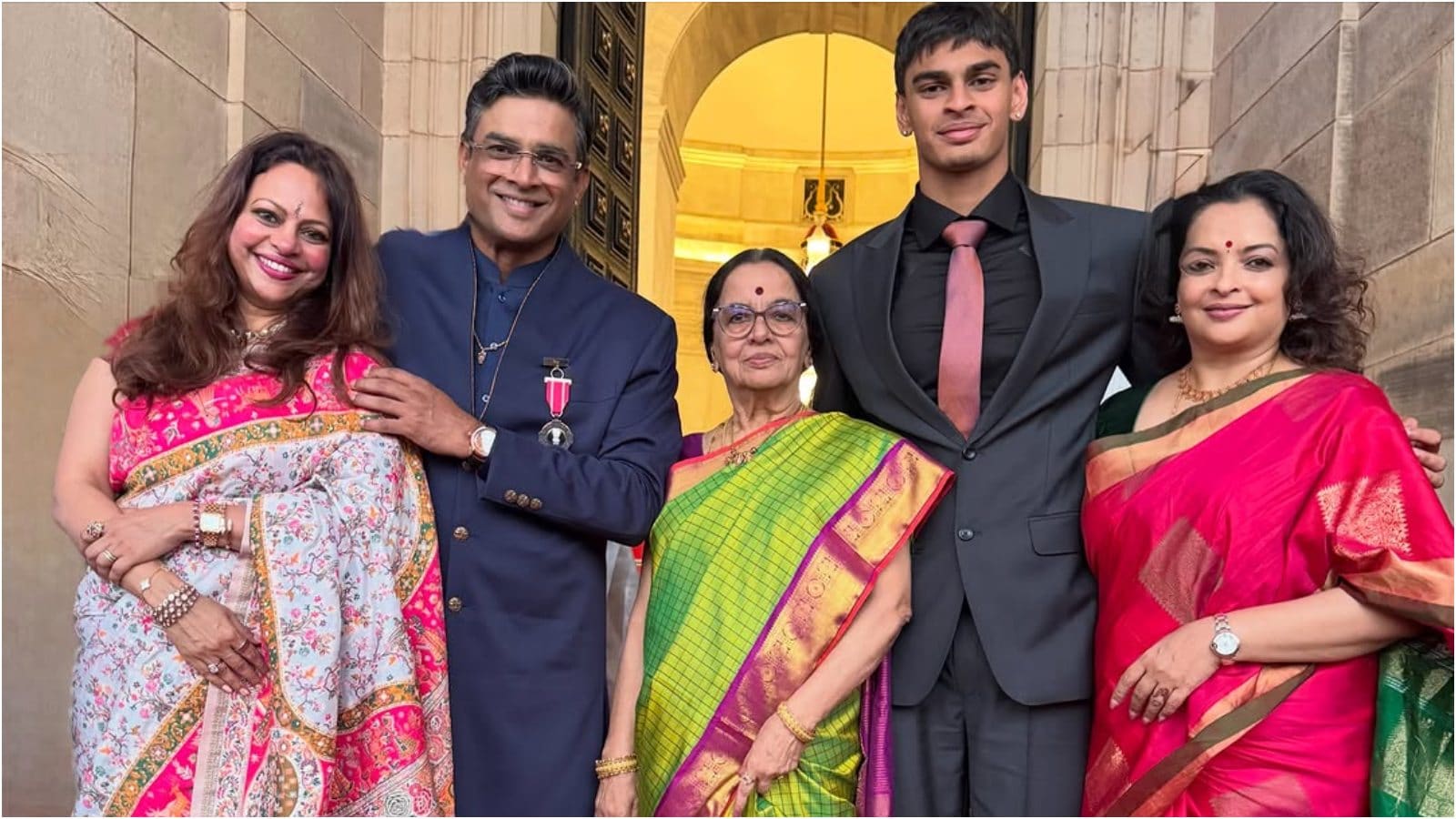
One lesson Madhavan insisted on was greeting everyone, from security guards and lift operators to domestic staff with respect, addressing them as bhaiya or didi rather than casually.
Raj notes that children constantly observe how adults treat people around them. When parents consistently show respect to everyone, children learn empathy, humility and emotional intelligence far more effectively than through lectures.

Madhavan recalled feeling proud whenever people told him Vedaant was polite and always greeted them with a smile or a namaste.
According to Raj, children may forget what parents tell them, but they rarely forget what parents repeatedly do. Everyday acts of kindness and respect gradually become part of a child’s own behaviour.

Another parenting lesson that stayed with Madhavan came from a family he lived with in Canada. Their advice was simple: don’t give children too much idle time.
Instead, encourage them to explore sports, hobbies, creative activities or practical life skills. Interests may change over time, but staying engaged helps children build confidence, discipline and curiosity.
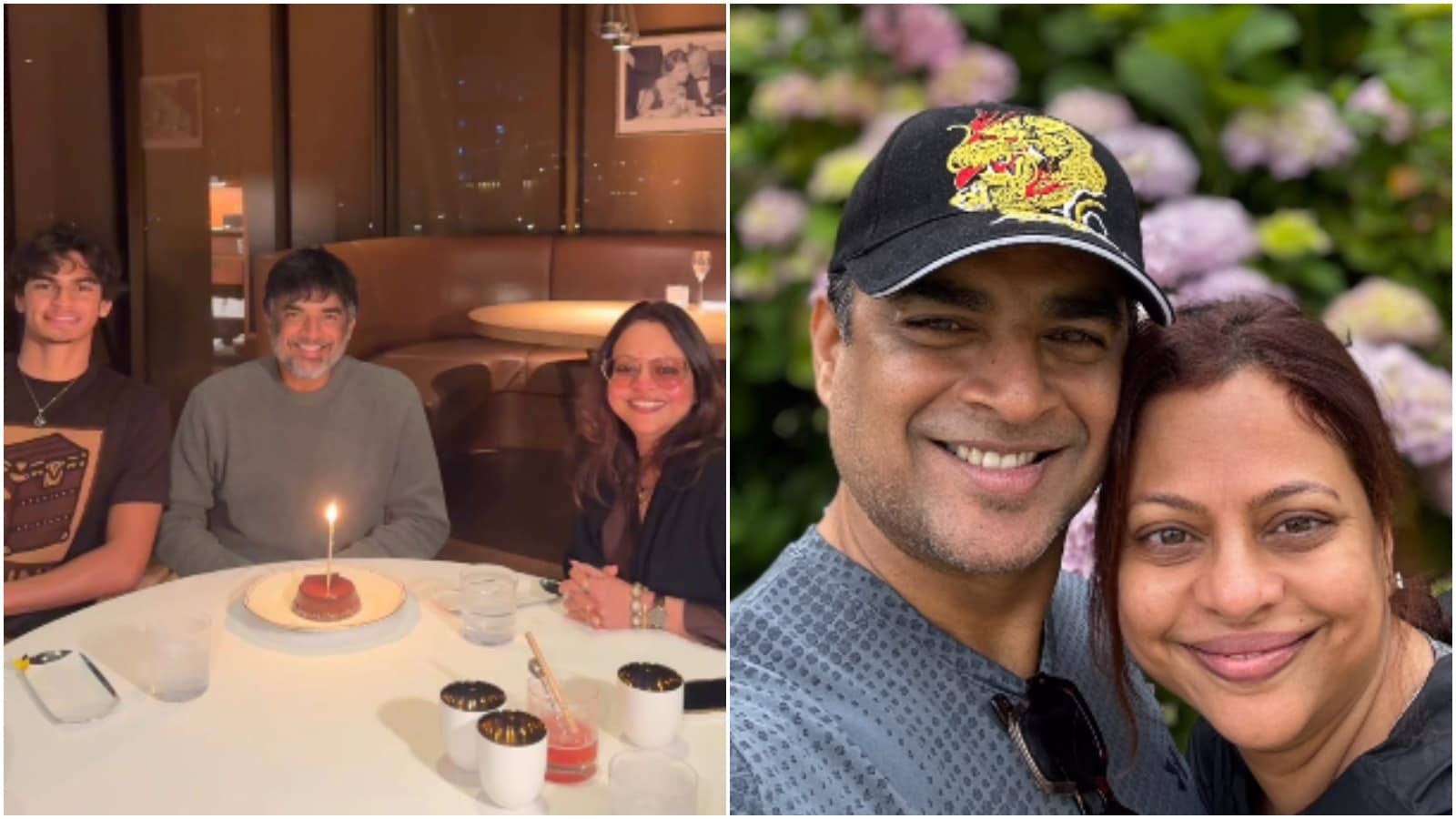
Madhavan stressed that extracurricular activities should never feel like punishment. Whether it’s basketball, tennis, cooking, spending time outdoors or playing with friends, the goal is to let children discover what excites them.
Experts agree that children are more likely to stick with activities when they’re driven by enjoyment rather than pressure.
Raj believes these everyday parenting choices quietly shape the adults children become. Gratitude, empathy, respect and meaningful engagement help nurture emotional intelligence, stronger relationships and social awareness that can last a lifetime.
As Madhavan’s parenting philosophy suggests, raising kind and grounded children isn’t about grand gestures, it’s about practising the values you hope they’ll carry into adulthood.


