


Enjoyed Diwali Indulgences With Mithai And Fried Food? Follow A Cardiologist’s Guide To A Post-Festive Reset


Last Updated:
Diwali indulgences can leave your diet, sleep and exercise routine off track. A cardiologist shares simple ways to get back to healthier habits and prioritise heart health.




During Diwali, it is easy to lose track of how often we reach for sweets, fried snacks and salt-rich foods. Add late-night gatherings, irregular meal timings and reduced physical activity to the mix, and the usual routine can go for a toss.
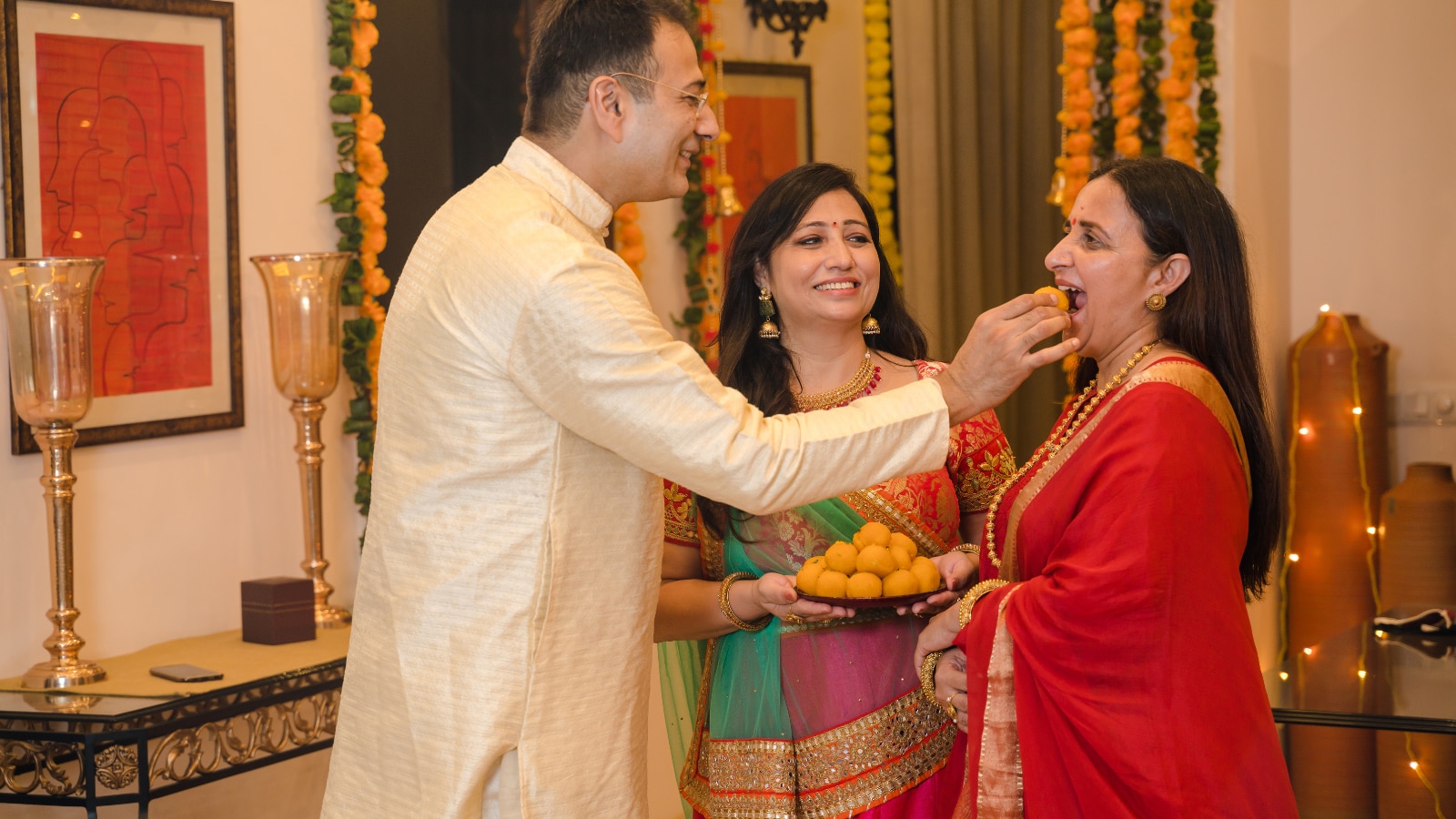
Diwali probably meant one more piece of mithai, an extra serving of fried snacks and a few late nights spent catching up with family and friends. You may have promised yourself that I would get back to my regular eating and exercise routine the next morning, but festive celebrations have a way of stretching those plans.
Between rich meals, irregular sleep and missed workouts, healthy habits can easily take a back seat. Now that the celebrations are over, it is time to get back into a routine. But does that mean skipping meals to make up for all the sweets or spending extra hours at the gym? Not quite.
What your body needs is a gradual return to balanced eating, regular movement and adequate sleep. More importantly, your heart deserves some attention after days of festive indulgence.
“The days following Diwali are a good time to take stock of our health and return to healthier routines,” says Cardiologist Dr Ajeet Bana. “During festive celebrations, eating patterns often change. Sweets, fried snacks and salt-rich meals become more frequent, while exercise, regular sleep and meal timings tend to take a back seat. Extending these habits can add to cardiovascular risk, particularly among people living with hypertension, diabetes, obesity or an existing heart condition.”
Why Does Your Heart Need Attention After Diwali?
During Diwali, it is easy to lose track of how often we reach for sweets, fried snacks and salt-rich foods. Add late-night gatherings, irregular meal timings and reduced physical activity to the mix, and the usual routine can go for a toss.
While a few days of indulgence do not automatically mean poor heart health, continuing these habits can add to cardiovascular risk, particularly among people with hypertension, diabetes, obesity or an existing heart condition.
Dr Bana says, “The days following Diwali are a good time to take stock of our health and return to healthier routines. During festive celebrations, eating patterns often change. Sweets, fried snacks and salt-rich meals become more frequent, while exercise, regular sleep and meal timings tend to take a back seat. Extending these habits can add to cardiovascular risk, particularly among people living with hypertension, diabetes, obesity or an existing heart condition.”
How Can You Get Back To Healthy Eating After Diwali?
If your first instinct is to skip breakfast or follow a strict detox diet after all that festive food, take a step back. You do not need to compensate for what you ate by depriving yourself of regular meals.
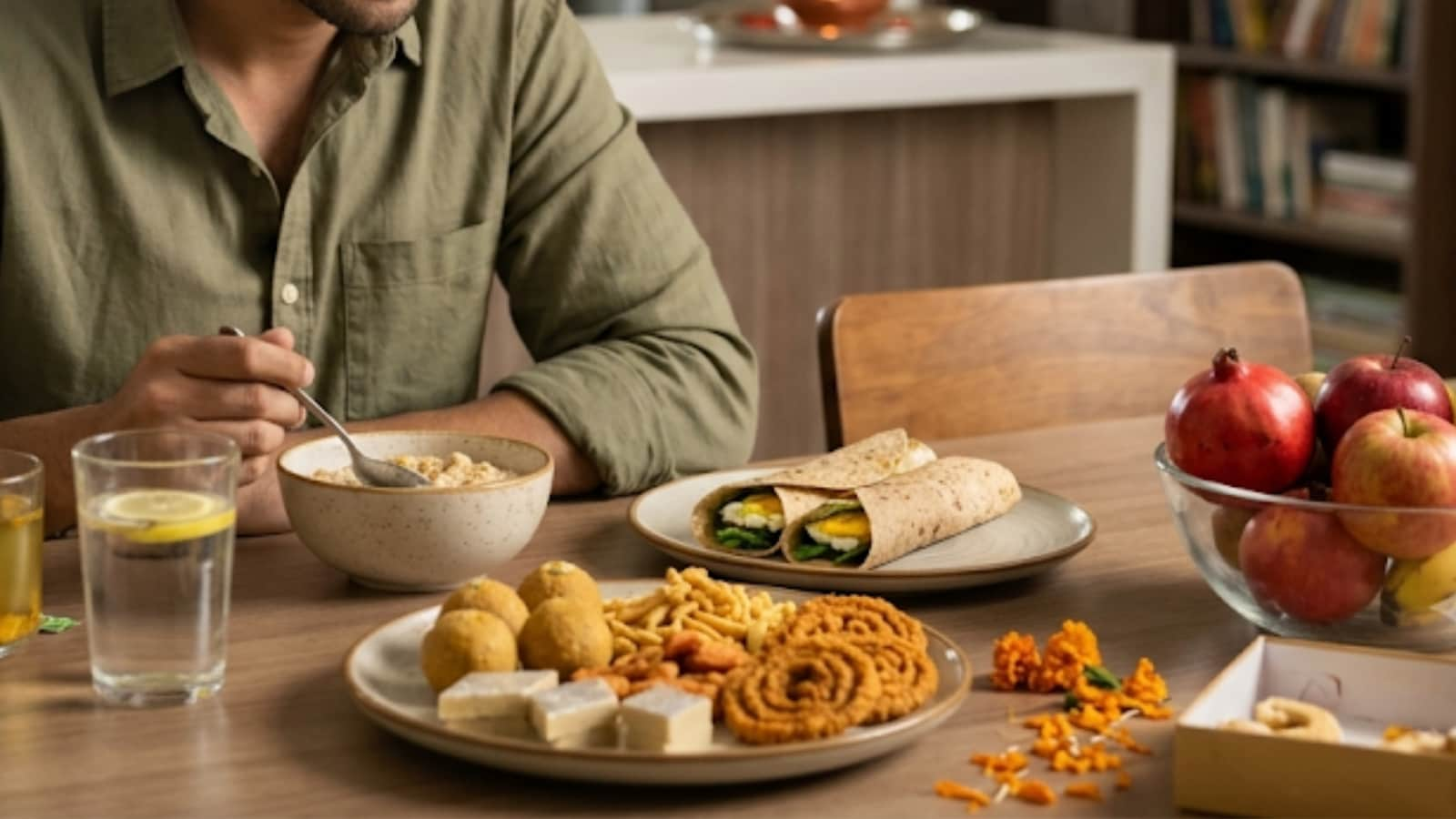
Instead, start by cutting down on sweets, fried snacks and processed foods. Bring vegetables, seasonal fruits, whole grains and pulses back into your everyday meals. Simple home-cooked food can help you return to a balanced eating pattern without making the process unnecessarily complicated.
Dr Bana advises, “There is no need to follow restrictive diets or skip meals to compensate for festive indulgence. Start by reducing the intake of sweets, fried snacks and processed foods. Include more vegetables, seasonal fruits, whole grains and pulses in everyday meals.”
How Much Should You Walk After Festive Indulgence?
If your workout routine took a break during Diwali, you do not have to make up for every missed session in one day. Start with a daily walk and gradually build consistency.

Dr Bana recommends 30 to 45 minutes of brisk walking on most days for the majority of adults. However, the pace and duration should depend on individual fitness levels and medical history. People with existing cardiac conditions should consult their treating physician before resuming strenuous exercise.
You can also make small changes, such as taking short walks after meals or choosing stairs when comfortable. The idea is to bring movement back into your day without overexerting yourself.
Is Your Sleep Routine Still Disrupted After Diwali?
Late-night celebrations can leave your sleep schedule all over the place. If you are still going to bed later than usual or waking up feeling tired, it may be time to reset your sleep routine.

Dr Bana recommends getting seven to eight hours of sleep and maintaining consistent sleeping and waking times. Try to follow a regular bedtime, avoid heavy meals close to sleep and give yourself time to unwind before going to bed.
Symptoms Should You Not Ignore
Feeling tired after a few late nights is understandable. However, persistent chest discomfort, breathlessness during routine activities, an unexplained decline in stamina, recurring fatigue or an irregular heartbeat should not be brushed aside.
Dr Bana advises that these symptoms deserve medical evaluation. New or severe chest discomfort, especially when accompanied by breathlessness, sweating, nausea or faintness, requires urgent medical attention.
A post-Diwali reset does not have to involve drastic changes. Start with regular meals, a daily walk and a consistent bedtime than put myself through an extreme detox. Small, sustainable habits can make it easier to return to a healthier routine and support heart health in the long run.
Quick Answers
 Ask News18
Extending festive habits like consuming sweets, fried snacks, and salt-rich meals alongside irregular sleep and missed workouts can increase cardiovascular risk, especially for individuals with hypertension, diabetes, obesity, or pre-existing heart conditions.
Ask News18November 09, 2026, 21:14 IST


