


Expert explains how to properly treat an iron deficiency


Want to bookmark your favourite articles and stories to read or reference later? Start your Independent Membership today.
Already a member?
Log in
Iron deficiency is the most common nutritional deficiency worldwide, affecting around 2 billion people. Yet many people may not even realise they have low iron for months or even years.
This is a concern, as untreated iron deficiency can have widespread effects on the body. It can lead to anaemia — a condition which can cause tiredness, shortness or breath, heart palpitations, headaches and even difficulty concentrating.
This is why it’s key for those diagnosed with an iron deficiency to take measures to top up their iron stores.
Iron deficiency is typically treated by taking a daily supplement. But while this sounds straightforward, a number of factors and even everyday habits can interfere with how well your supplement is absorbed.
Why low iron happens
Iron plays an important role in the body. It supports our cells and is key in many bodily processes – including immune function and growth. Iron helps the body to make and repair DNA, generate energy and metabolise cholesterol. This is why an iron deficiency can have such widespread effects on our health.
Iron deficiency can occur for any number of reasons.
Infants and children may be at risk of iron deficiency because of their rapid growth and development, which means they have a high demand for iron. This demand can often outstrip the amount they’re getting in their diet.
Women are also at greater risk of iron deficiency. Pre-menopausal women lose iron every month when they menstruate, which can be challenging to replenish. Pregnancy also dramatically increases iron requirements, as both mother and the growing foetus need iron.

In the elderly iron deficiency can be driven by slow blood loss from the intestine, poor appetite or chronic illness.
Poor diet may also contribute to iron deficiency – particularly diets that are low in red meat or iron-fortified foods.
Another important factor to consider is inflammation. Our iron levels are controlled by a hormone called hepcidin. Hepcidin ensures we only absorb as much iron from our diet as we need. In people who have an iron deficiency, hepcidin levels fall to allow us to take in more iron and restore our iron reserves.
However, inflammation (the body’s reaction to an infection or disease) switches on hepcidin to a high level. The result of this is a decrease in the amount of iron available to make red blood cells. If inflammation becomes chronic, it can cause anaemia.
Figuring out the root cause of your iron deficiency is key so you can properly address the problem.
Treating iron deficiency
The only way to accurately diagnose iron deficiency is by having a blood test done. This will measure levels of a specific protein called ferritin.
Ferritin’s job is to safely store iron atoms. Ferritin increases with the amount of iron that needs to be stored. So low ferritin is an accurate indicator for iron deficiency.
If you have been diagnosed with low iron, there are several ways to combat deficiency.
The first strategy involves changing your diet so you’re eating more iron-rich foods. This can include red meat, lentils, fortified cereals and leafy greens. You should ideally pair any iron-rich foods with vitamin C to aid iron absorption.
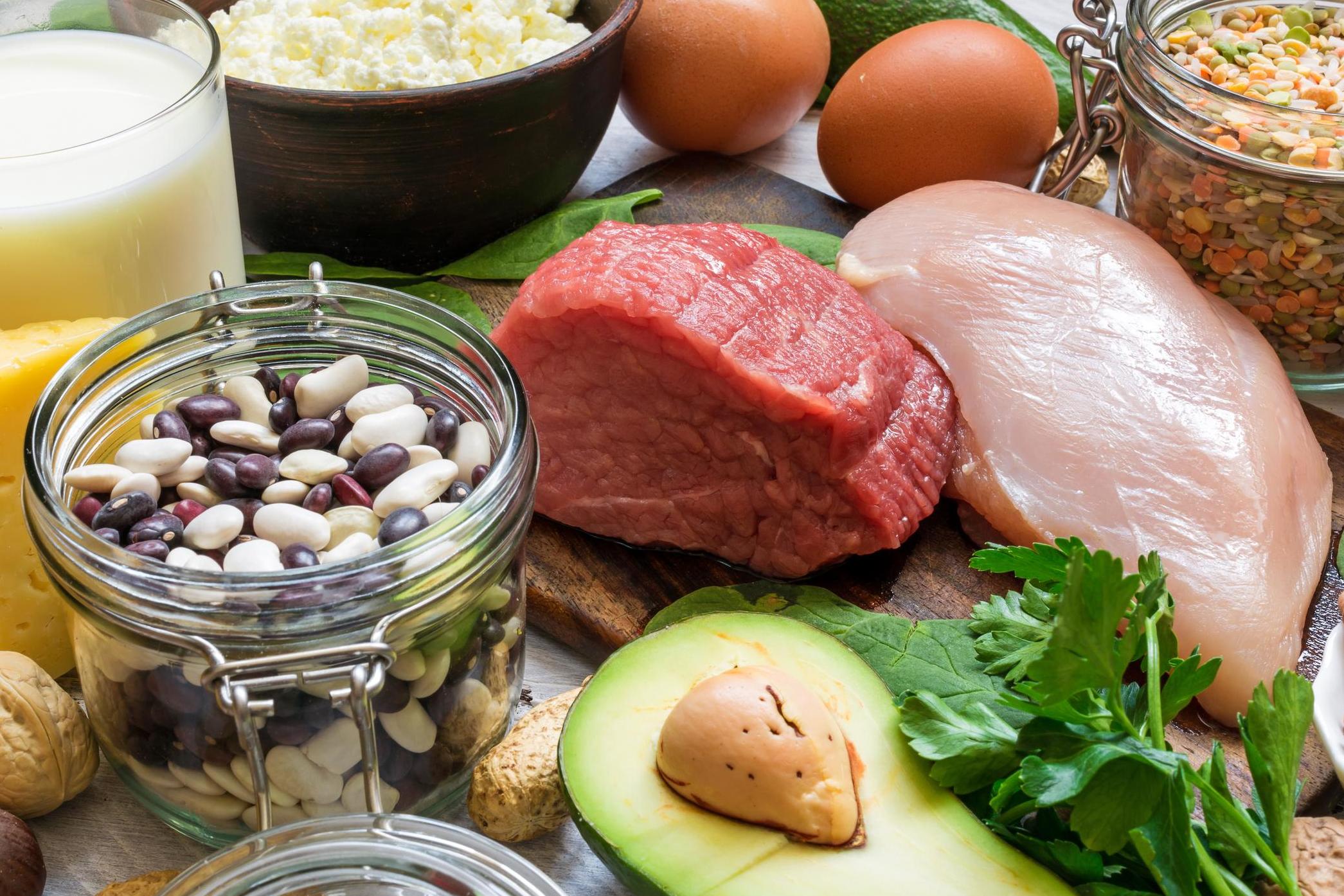
However, this may not efficiently correct iron deficiency if your iron levels are very low or if you have a problem absorbing iron from your diet.
Oral iron tablets are another way of topping up levels as these provide much more iron. Current guidelines recommend a dosage of 65mg of iron (or 200mg of ferrous sulfate) daily or every other day to treat iron deficiency and iron deficiency anaemia.
But a problem with supplements is that only a fraction of the iron in each tablet is typically absorbed. Side-effects can also include nausea and constipation, which may discourage continued treatment.
Hal Drakesmith is a professor of iron biology at the University of Oxford.
This article is republished from The Conversation under a Creative Commons licence. Read the original article.
To improve how iron supplements work, try taking one tablet per day on an empty stomach to aid absorption – or wait until two hours after you’ve eaten. You should also try to take it with orange juice or another source of vitamin C. If the supplements bother your stomach, take them every other day or consume with food.
Avoid taking calcium tablets at the same time as iron as calcium can decrease iron absorption. You should ideally wait two hours after taking an iron supplement before taking calcium.
Tea and coffee may also affect iron absorption, as these contain tannins – molecules which make it harder for the body to absorb iron. Phytates, compounds which are found in seeds and grains, can also inhibit iron absorption.

You will likely need to take iron tablets for several months to correct iron deficiency anaemia and bolster your body’s iron stores. Another ferritin check will indicate if the iron tablets are working.
If iron supplements just aren’t working or if your iron levels are seriously low, intravenous iron treatments may be the best option as these bypass the intestine. They provide a large dose of iron that is then be released over time to replenish stores and help production of red blood cells.
Iron deficiency remains a substantial health issue worldwide. But advances in our understanding of its causes and effects, more public awareness of the problem and improved methods of iron replenishment mean that it’s increasingly a treatable condition.


