


Experts share why drinking in high altitude feels so different


Want to bookmark your favourite articles and stories to read or reference later? Start your Independent Membership today.
Already a member?
Log in
This weekend, fresh on the heels of the historic blue wave at the midterm elections, thousands of Democrats are descending upon Denver for a summit plotting the party’s next steps. It’s safe to say that the party’s politicians and strategists will be celebrating the victory while they’re there.
However, travelers who have partaken in a boozy après-ski can attest that drinking in the Colorado mountains often seems to lead to a faster onset of the effects of alcohol, not to mention worse hangovers. After learning about the What’s Next conference, one X user wrote: “looking forward to witnessing the intersection of denver altitude change and dc drinking habits this week,” while another added, “Sea level people can’t drink with the mountaineers. No lie.”
With Denver nicknamed the Mile High City for its elevation sitting 5,280 feet — exactly one mile — above sea level, it makes sense that people coming from Washington, D.C. or New York City might be met with the mile high effect, complete with altitude sickness.
And although blood alcohol concentration technically does not change with elevation (which disproves the common myth that it makes you drunker faster), experts warn that drinkers should be aware of the ways that high altitudes can change how alcohol makes them feel due to oxygen levels and dehydration.
Below, health experts break down the ways that altitude can affect your response to alcohol and share their tips for reducing any potentially harmful side effects.
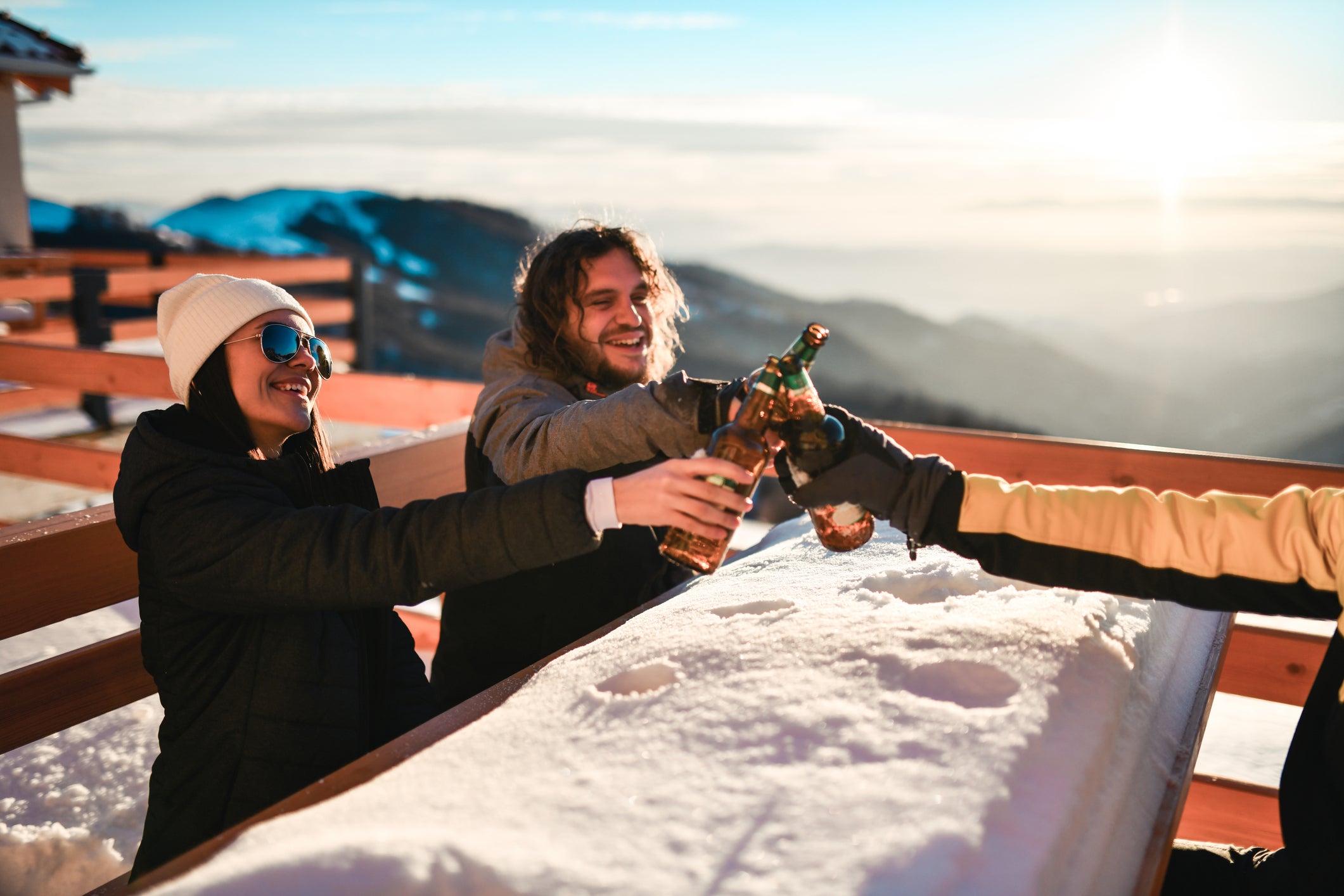
Why altitude changes how drinking feels
At higher elevations, the air becomes thinner as air pressure becomes lower, which means that less oxygen reaches the blood and the brain.
Dr. Muhammad Quasim, who has more than 10 years of clinical experience, explained to The Independent: “At higher elevations, lower oxygen availability already puts additional strain on the body.
“Alcohol can compound this by affecting judgment, coordination and breathing regulation. Its effects can be particularly concerning during the first few days, when the body is still adjusting to reduced oxygen levels.”
Because alcohol is a depressant, it slows brain function and brings on slowed breathing, dizziness and fatigue. These effects combined with the lower oxygen levels can cause people to feel more impaired than expected.
Plus, alcohol makes you need to urinate more often, which causes dehydration. Especially if there is not enough fluid intake, the dehydration can worsen symptoms like headache, nausea and dizziness, which might make altitude sickness even harder to recognize.
Medical scientist Dr. Sheryene Tejeda added, “Dehydration, travel fatigue and eating less add to the sense of intoxication, even when the amount consumed is the same as at home.”

How to drink responsibly at great heights
When it comes to being prepared for an elevated night of drinking, experts are mostly unanimous on two pieces of advice: stay hydrated and take it slow.
“Allowing your body enough time to adjust to the altitude change can help both prevent and alleviate symptoms,” Dr. Kyle Hoedebecke explained. “Slowly ascend, avoid strenuous exercise in the first 48 hours, eat regularly, and get enough sleep.”
Tejeda and Hoedebecke each recommended that travelers wait two days to acclimatize before turning to the drink, although that might be a moot piece of advice for the festive Democrats, who are only there for the weekend.
For the next best option, drinkers should try to increase their water intake by at least a liter daily to combat dry air at altitude starting at least 24 hours in advance.
“I recommend drinking water regularly, eating normally and allowing your body time to adjust before strenuous activities,” Quasim said. “Avoid forcing excessive water intake, since overhydration can also be dangerous.”


