


From Forgotten Ruins Of Partition: How Imtiaz Ali Turned A 123-Year-Old Pakistani City Into The Soul Of Main Vaapas Aaunga


Last Updated:
Unlike many ancient South Asian hubs that trace their origins back to medieval kingdoms or royal dynasties, Sargodha is relatively young, yet deeply historic.




While film audiences are re-discovering Sargodha through Ali’s evocative frame, the real-world city boasts a fascinating, distinct legacy that stretches back over a century. (Image: File photo/Wiki Commons)
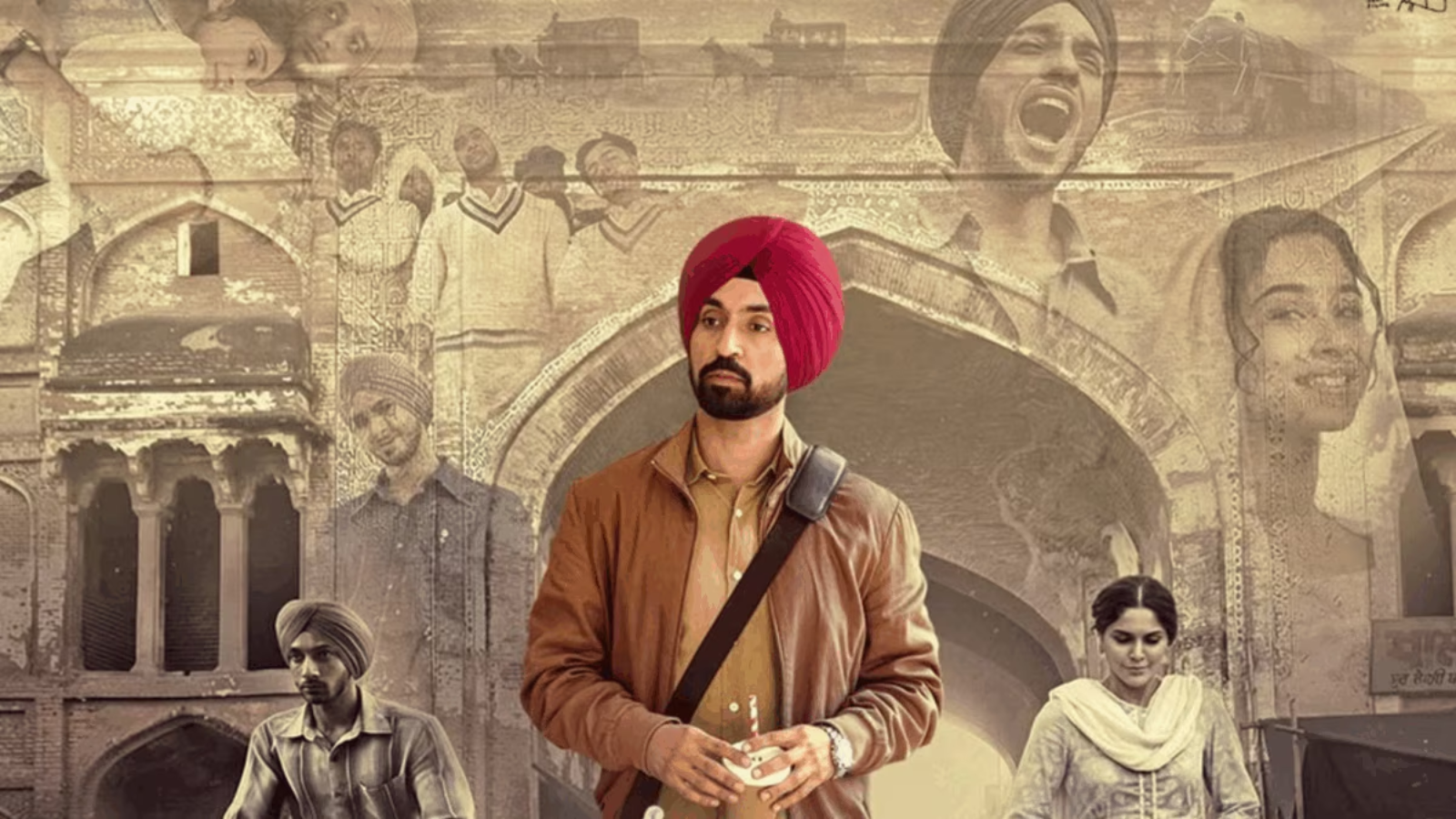
In the cinematic universe of Imtiaz Ali, geography is never just a background; it operates as a living, breathing character that anchors the emotional weight of human connection. In his poignant film Main Vaapas Aaunga, a tender yet heartbreaking promise forged during the 1947 Partition echoes across nearly eight decades.
The narrative follows a young couple torn apart by the drawing of the border, bound only by a desperate final vow- “Main vaapas aaunga” (I will return). As the elderly protagonist longs to revisit his ancestral home on his deathbed, the compass of memory points unyieldingly toward Sargodha. Far more than a mere dot on a map, this Pakistani city emerges as a profound monument to lost worlds, enduring longing, and generational nostalgia.
While film audiences are re-discovering Sargodha through Ali’s evocative frame, the real-world city boasts a fascinating, distinct legacy that stretches back over a century.
How Did a Colonial Ambition Birth this Historic City?
Unlike many ancient South Asian hubs that trace their origins back to medieval kingdoms or royal dynasties, Sargodha is relatively young, yet deeply historic. It was established by British administrators 123 years ago, in 1903, under the ambitious Lower Jhelum Canal Colony project.
Supervised by Sir Charles Montgomery Rivaz, the Lieutenant-Governor of Punjab, and founded by Lady Trooper, the settlement was a masterful engineering feat designed to transform Punjab’s arid, dry plains into a sprawling agricultural oasis through an intricate network of irrigation canals.
Originally a modest outpost, Sargodha’s strategic location caused it to grow at a breakneck pace, earning municipal status by 1914. Its unique name stems from beautiful local folklore: a combination of “Sar”, meaning a pond or water source, and “Godha”, referencing a revered local ascetic or holy man who once resided by its banks.
Why is Sargodha Celebrated as the “California of Pakistan”?
Nestled in the incredibly fertile plains of Punjab between the flowing Jhelum and Chenab river systems, Sargodha’s landscape is a soothing canvas of flat, canal-fed terrain. Today, the city is globally renowned for its massive citrus production, specifically its world-famous kinnow oranges.
This lush, fruit-bearing topography has earned the region its famous moniker: the “California of Pakistan.” During the peak harvest season, the countryside transforms into endless groves of vibrant green and bright orange, a sight that defines the economic and visual rhythm of local life.
The city’s bustling open-air bazaars and trade networks remain fundamentally tied to this rich agricultural heritage, making it a place where the earth itself tells a story of revival.
What Defines the Soul and Rhythm of Daily Life Here?
At its core, Sargodha is a proudly Punjabi city. While Urdu is spoken widely, the cadence of daily life is dictated by the Punjabi language, woven tightly into family networks and deep-rooted community traditions. It is a destination defined not by grand, intimidating monuments, but by the poetry of ordinary life.
The true pulse of the city is found in its humming tea stalls, crowded markets, and lively neighbourhood gathering spots. The local cuisine mirrors this soulful, agrarian identity. Visitors and locals alike gather around street food stalls serving sizzling samosas and pakoras, or sit down to traditional Punjabi staples like fresh roti, daal, rich curries, and frothy glasses of lassi, all heavily utilizing the fresh, seasonal produce from the surrounding plains.
What is the Lingering Military and Historical Legacy of the “City of Eagles”?
Beyond its agricultural prowess, Sargodha carries heavy geopolitical significance. During British rule, the military recognized its tactical position and established an airfield. Today, that legacy lives on through the PAF Base Mushaf, one of Pakistan’s most critical air force installations, earning Sargodha the proud title of the “City of Eagles.”
Yet, it is the invisible architecture of memory that connects it so deeply to Main Vaapas Aaunga. Before the upheaval of 1947, Sargodha was home to thousands of Hindu and Sikh families who were forced to flee overnight, leaving behind their keys, friendships, and ancestral roots.
For millions of descendants across the border in India, Sargodha is an ethereal place kept alive solely through stories passed down by grandparents. By anchoring his cinematic masterpiece in this 123-year-old city, Imtiaz Ali taps into a universal truth: borders can divide land, but they can never fully sever the human desire to return home.
About the Author

Our life needs a bit of style to get the perfect zing in the daily routine. News18 Lifestyle is one-stop destination for everything you need to know about the world of fashion, food, health, travel, r…Read More


