


GK: Do You Know The Original Name Of Vande Bharat Express?


Today, the Vande Bharat Express has become synonymous with speed, comfort and India’s railway modernisation. With its sleek design and semi-high-speed capabilities, the train has transformed intercity travel across the country. But not many know that the iconic train had a very different name when it was first developed. Even fewer know about the railway engineer who led the ambitious project. Here are some interesting facts about the train and the mastermind who made it possible. (Image: Wikimedia Commons)
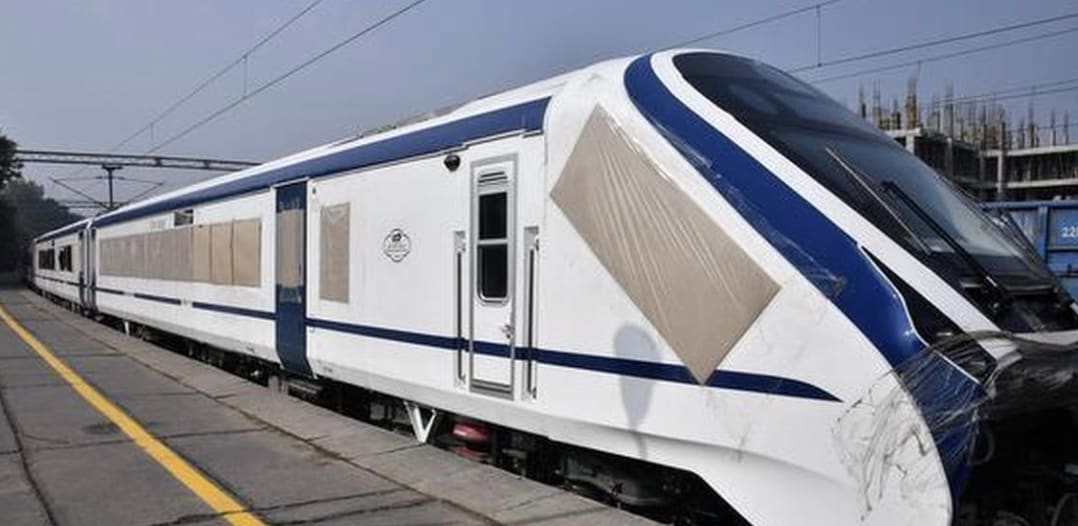
Vande Bharat Express Was Originally Called Train 18
Before receiving its patriotic name, the train was known as Train 18. The name came from the fact that the project was conceived and completed in 2018. It was later renamed Vande Bharat Express ahead of its launch in January 2019. (Image: Wikimedia Commons)
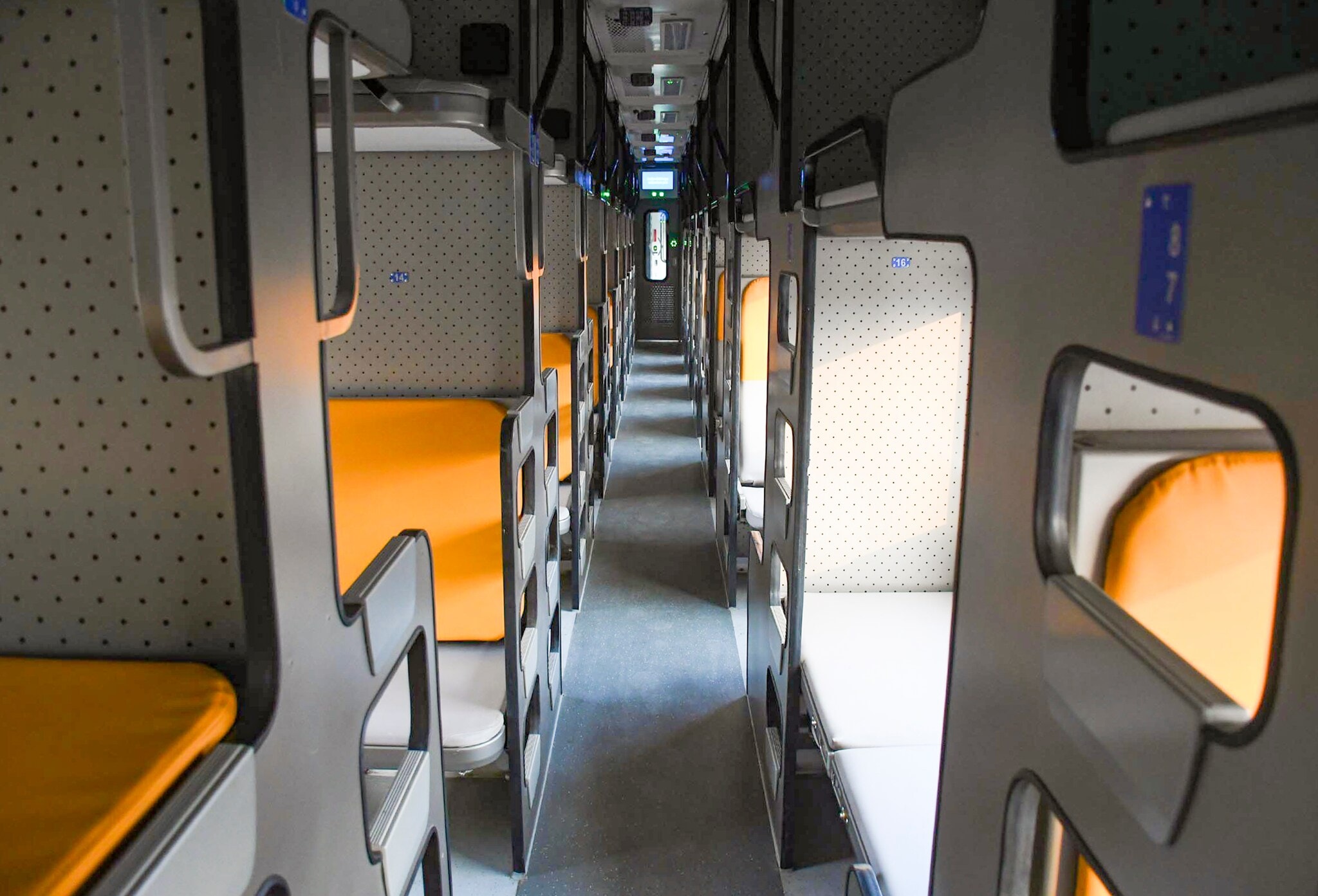
It Was India’s First Indigenous Semi-High-Speed Train
Unlike earlier premium trains that relied heavily on imported technology, Train 18 was designed and built entirely in India under the government’s “Make in India” initiative. It marked a major milestone for Indian Railways and showcased the country’s engineering capabilities. (Image: Wikimedia Commons)
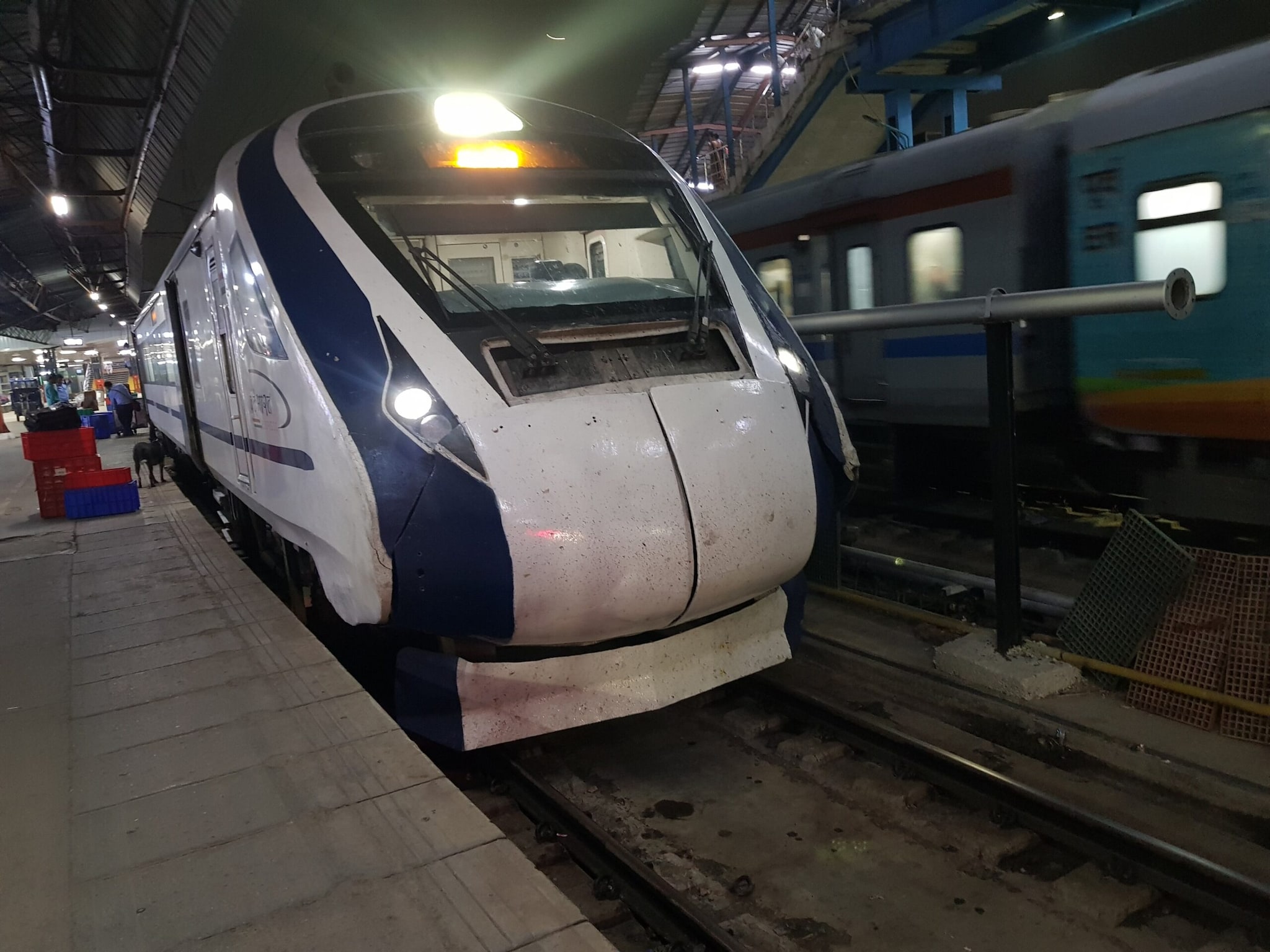
The Train Was Built In Just 18 Months
One of the most remarkable aspects of the project was the speed with which it was completed. The first rake was developed in a record 18 months, a task that usually takes several years. The train was manufactured at the Integral Coach Factory (ICF) in Chennai. (Image: Wikimedia Commons)
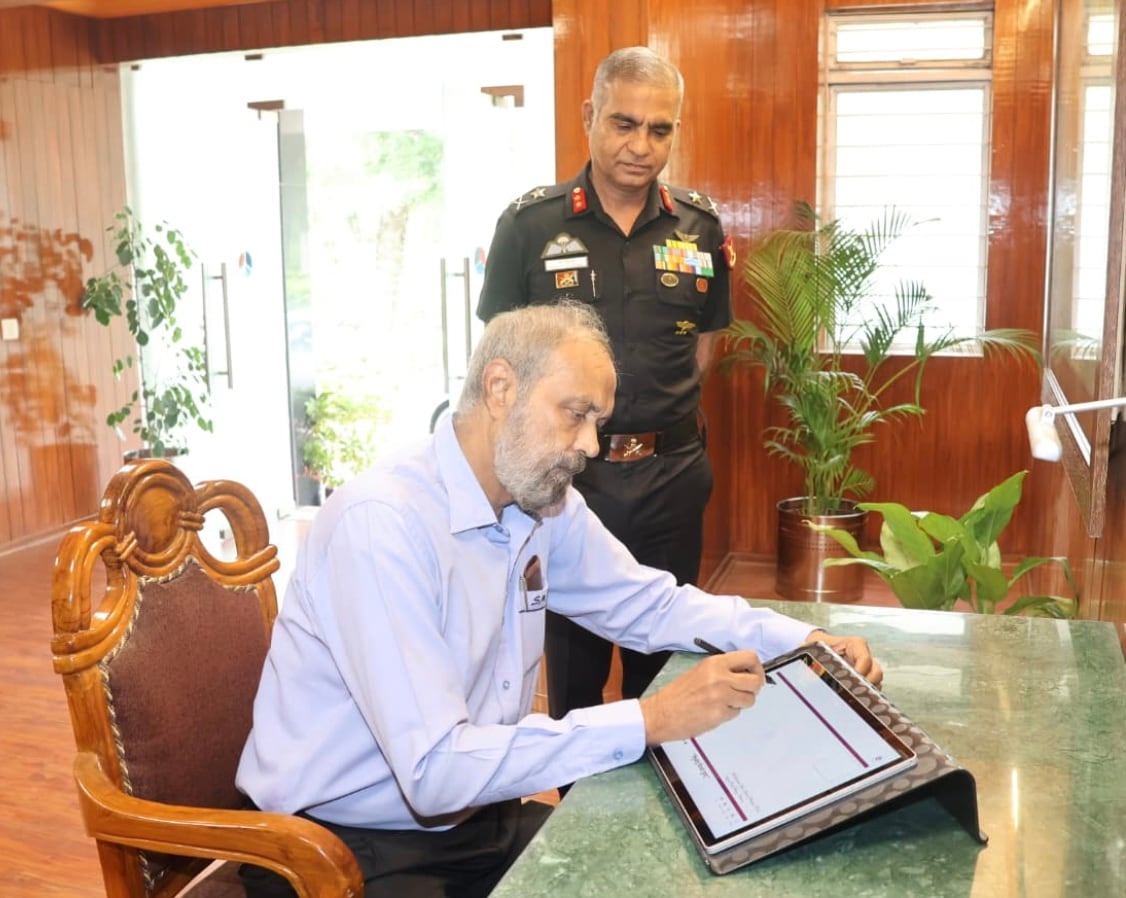
Sudhanshu Mani Is Known As The ‘Father Of Vande Bharat’
Former Indian Railways officer Sudhanshu Mani is widely regarded as the architect of the Vande Bharat Express. As the General Manager of ICF, Chennai, he led a team of engineers that transformed the dream of an indigenous modern train into reality. (Image: Instagram/@hqidsindia)
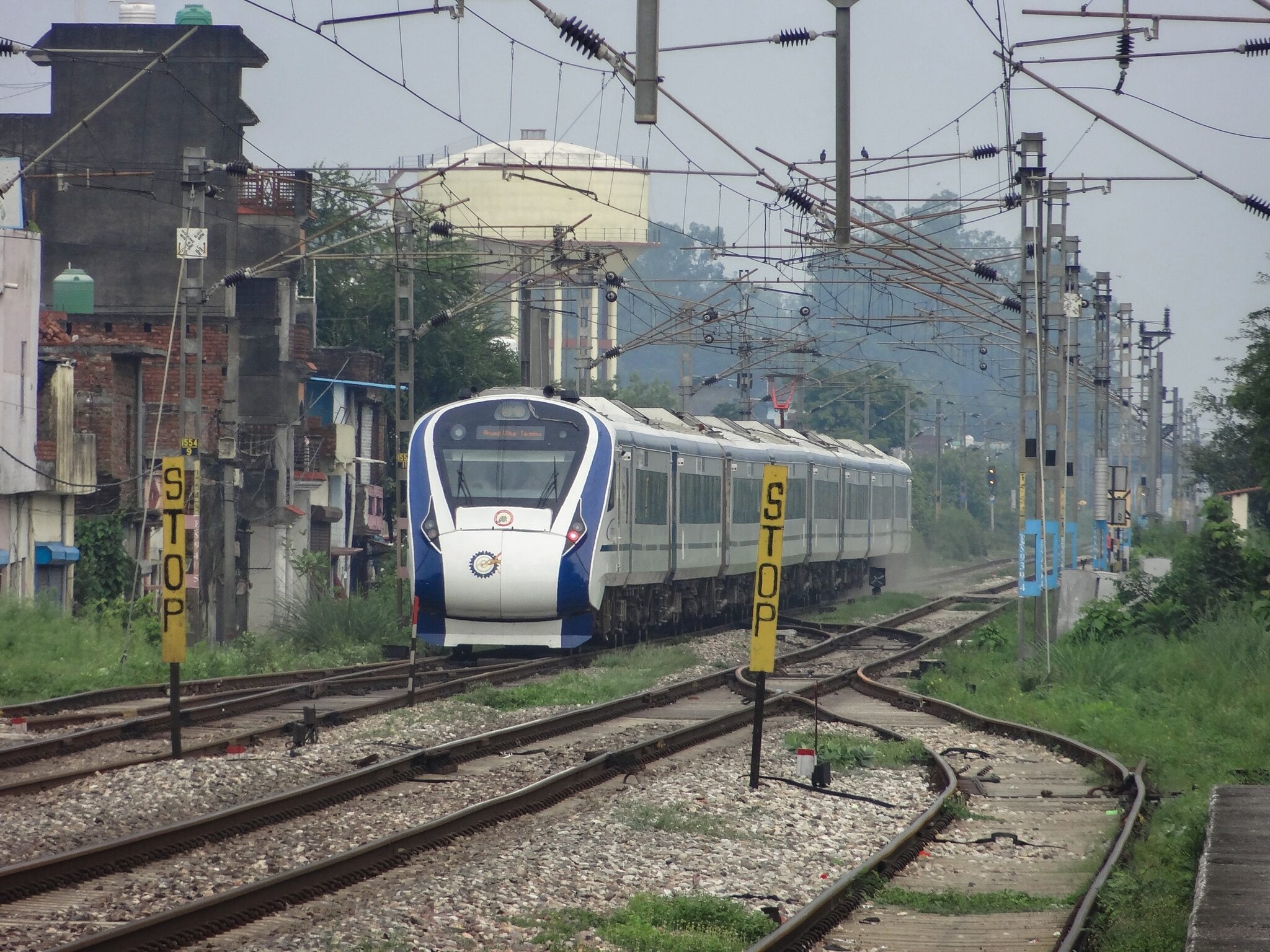
Imported Trains Were Considered Before The Indigenous Project
Initially, India explored the possibility of buying semi-high-speed trains from abroad. However, when those plans did not materialise, Indian Railways decided to develop its own train set, paving the way for Train 18. (Image: Wikimedia Commons)
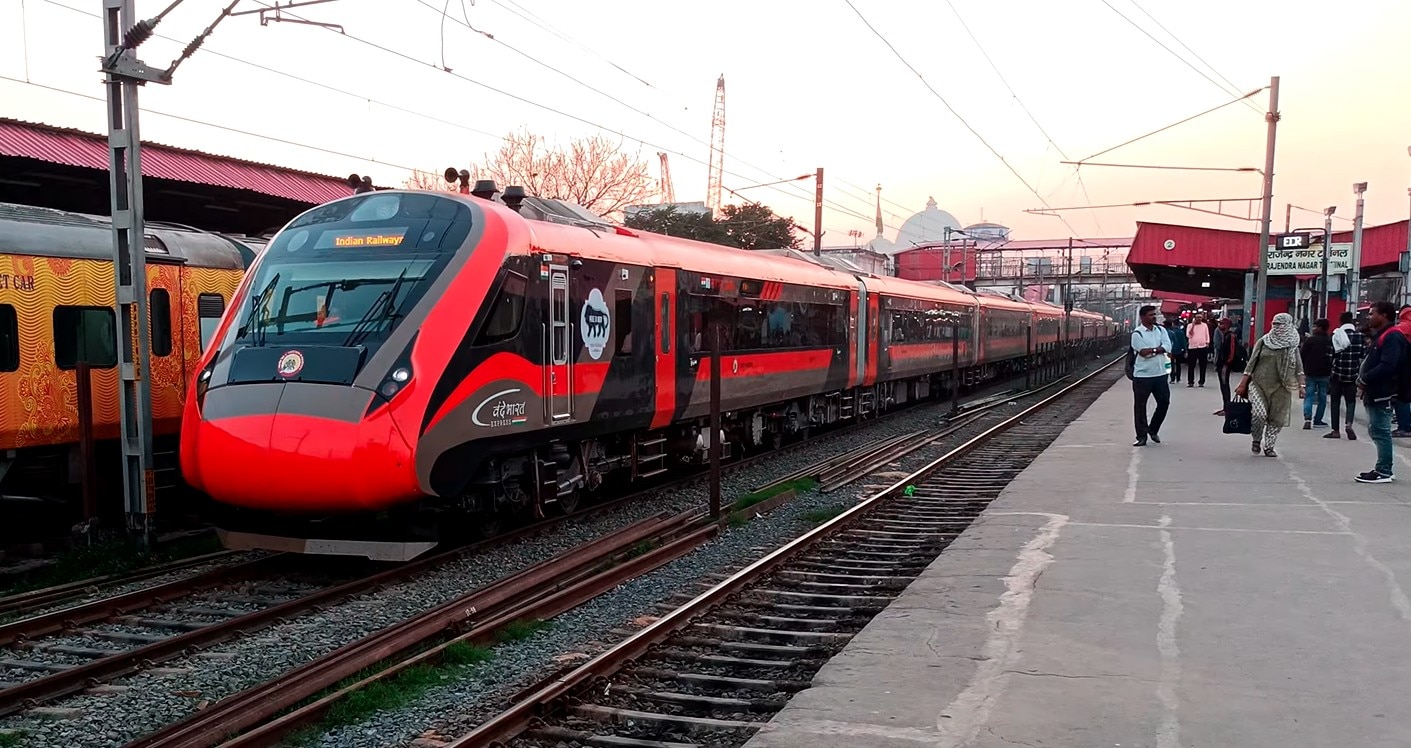
The Train Does Not Need A Separate Engine
Vande Bharat is a self-propelled train, meaning it does not require a locomotive at the front. Its distributed power system allows quicker acceleration and better efficiency compared to conventional trains. (Image: Wikimedia Commons)
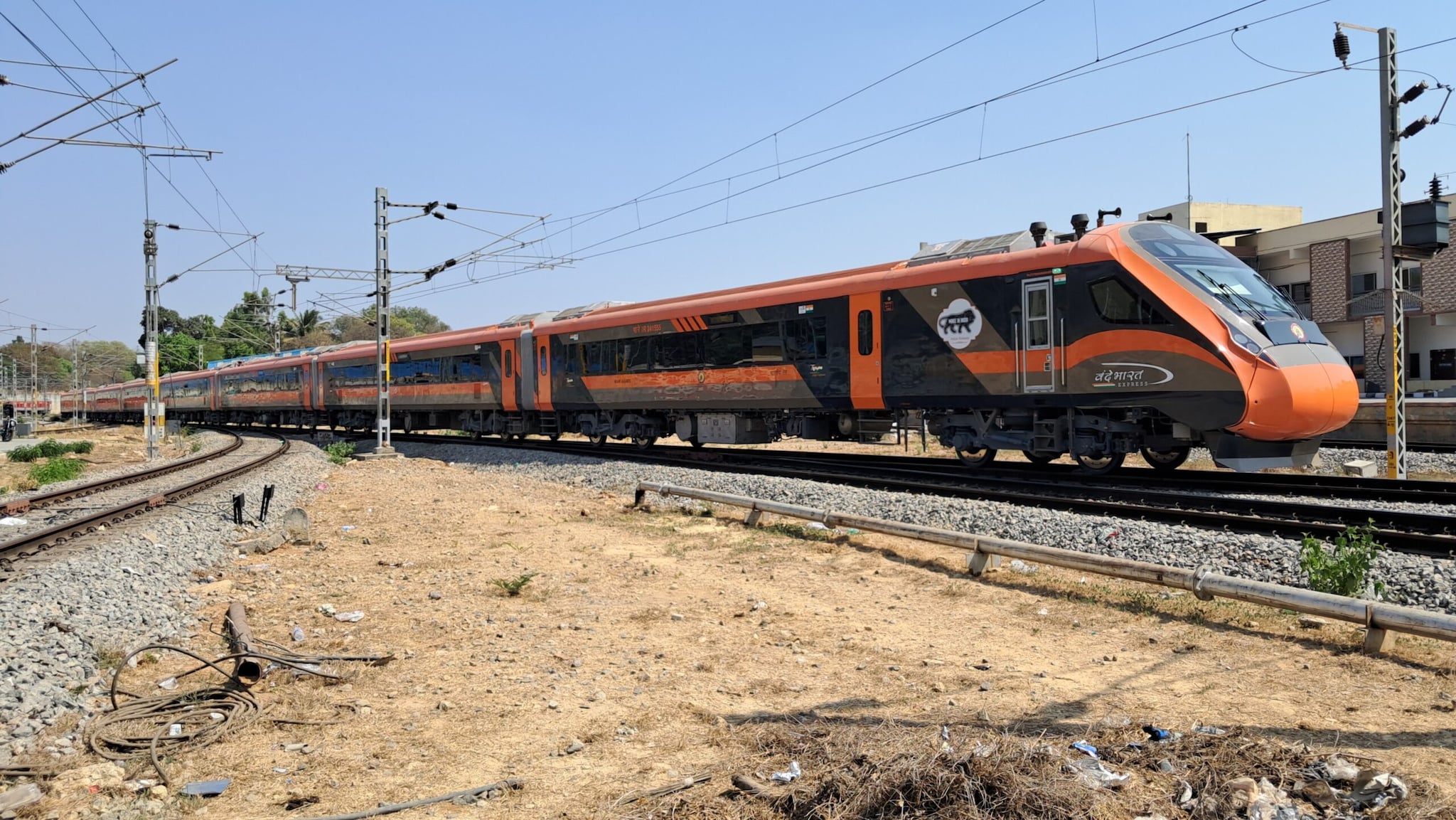
It Can Reach Speeds Of Up To 180 kmph
During trials, the train touched a speed of 180 kmph, although operational speeds are lower depending on the route. This made it India’s fastest indigenous train and a symbol of the country’s growing rail infrastructure. (Image: Wikimedia Commons)
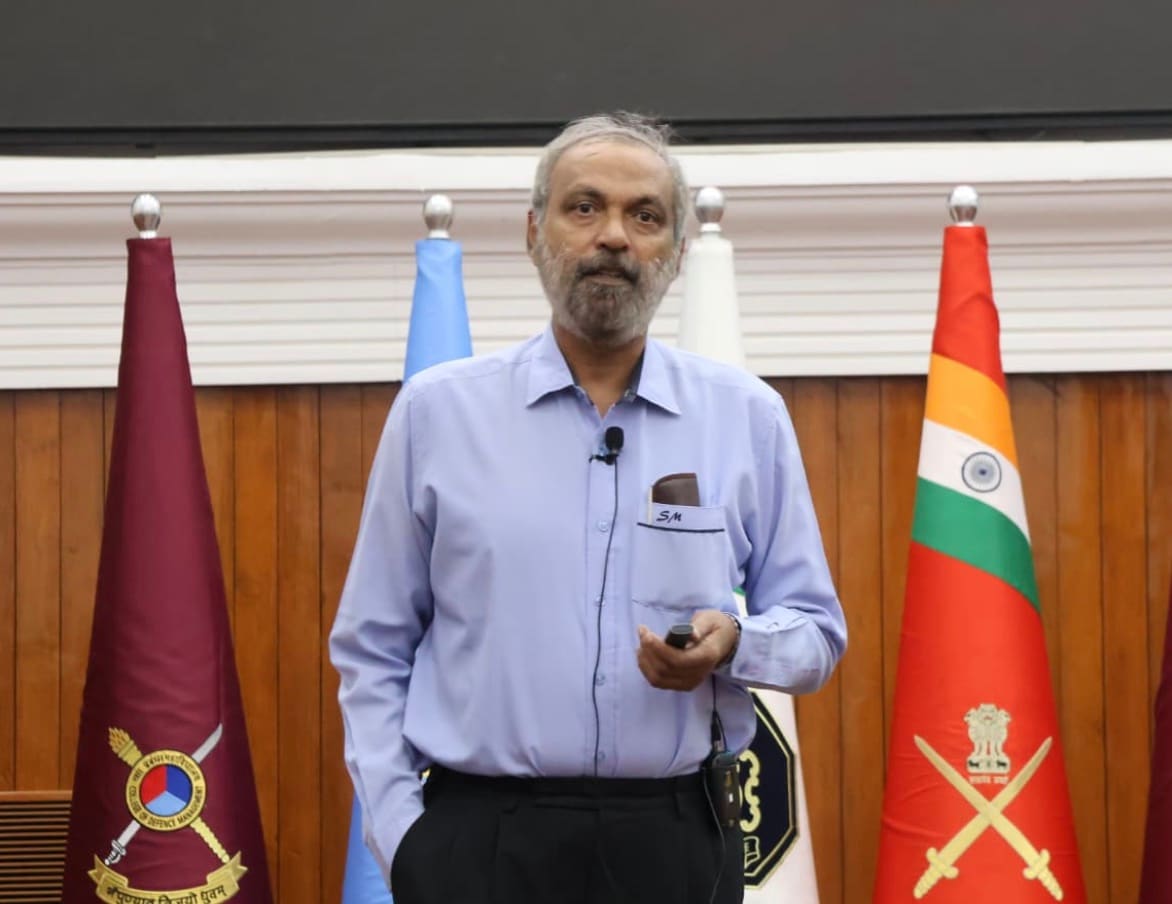
Sudhanshu Mani Even Wrote A Book On The Project
The engineer later documented the journey of creating Train 18 in his book, My Train 18 Story. The book offers an inside account of the challenges and achievements involved in building one of Indian Railways’ most ambitious projects. (Image: Instagram/@hqidsindia)
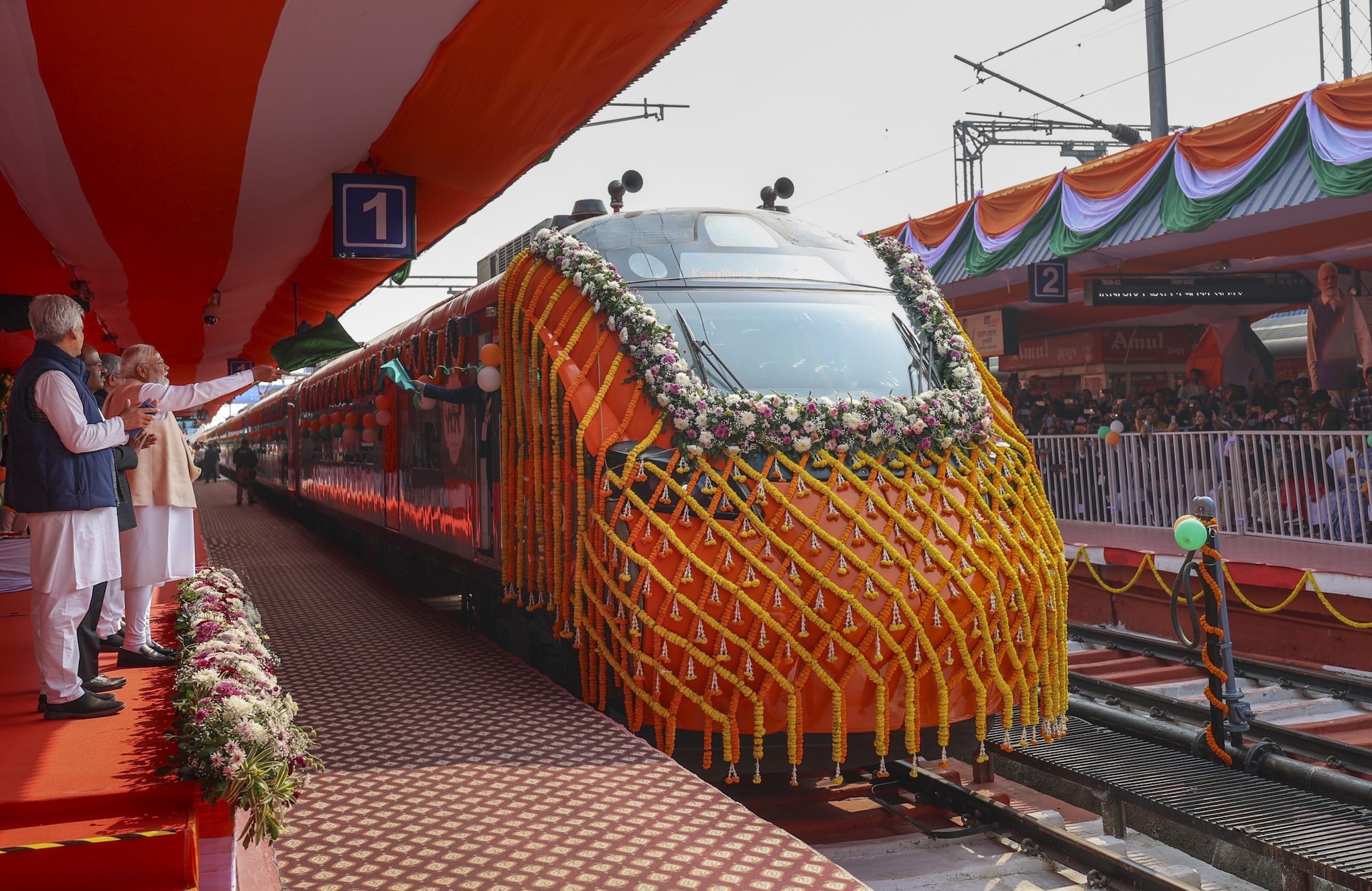
The Name ‘Train 18’ Still Holds A Special Place
Although it is popularly known as Vande Bharat Express today, Sudhanshu Mani has often said that “Train 18” will always remain special because it symbolises India’s spirit of innovation and self-reliance. (Image: Wikimedia Commons)


