


GK: Which Country Is Known As The ‘Land Of Black Gold’?


Kuwait is often called the Land of Black Gold, a nickname for its vast petroleum reserves. Petroleum, a non-renewable fossil fuel formed from ancient organic matter trapped in underground rocks, is mainly made of hydrocarbons. Once refined, it becomes crucial products like gasoline, diesel, jet fuel, and plastics, powering transportation, manufacturing, and playing a key role in the global economy. (File Photo)

Kuwait is named as the Land of Black Gold because oil is its most important natural resource. Before oil was discovered, Kuwait was mainly a trading and fishing region. The discovery of oil brought immense wealth and rapid development to the country. Today, oil funds schools, hospitals, roads, public services, and numerous government programs. (Image: X)
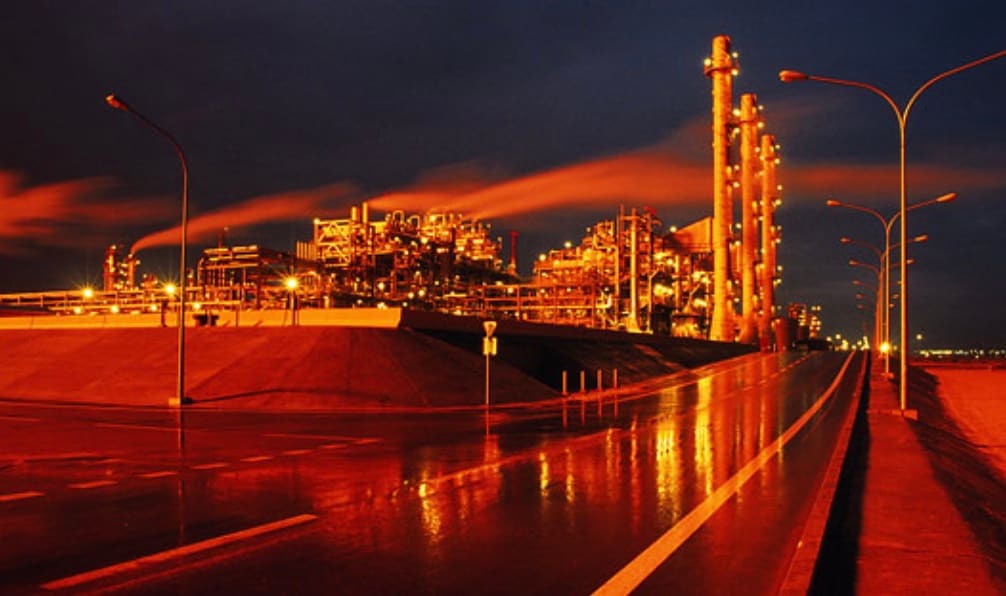
Additionally, Kuwait is one of the world’s leading oil producers, extracting millions of barrels daily to supply energy globally. The Burgan oil field, one of the largest in the world, significantly contributes to Kuwait’s oil production. (File Photo)

Reportedly, most of Kuwait’s oil is exported to other countries. Modern ports and oil terminals facilitate the transport of crude oil and refined products to Asia, Europe, and the Middle East. These exports generate the majority of the country’s income. (Image: X)

Kuwait possesses some of the world’s largest proven oil reserves, ensuring continued production for years. Kuwait is also an active member of OPEC, influencing global oil prices and production policies. (Image: Facebook)

The Greater Burgan region is one of Kuwait’s most important natural assets. It has been producing oil for decades and remains vital to the country’s economic strength and export capacity. (Image: X)
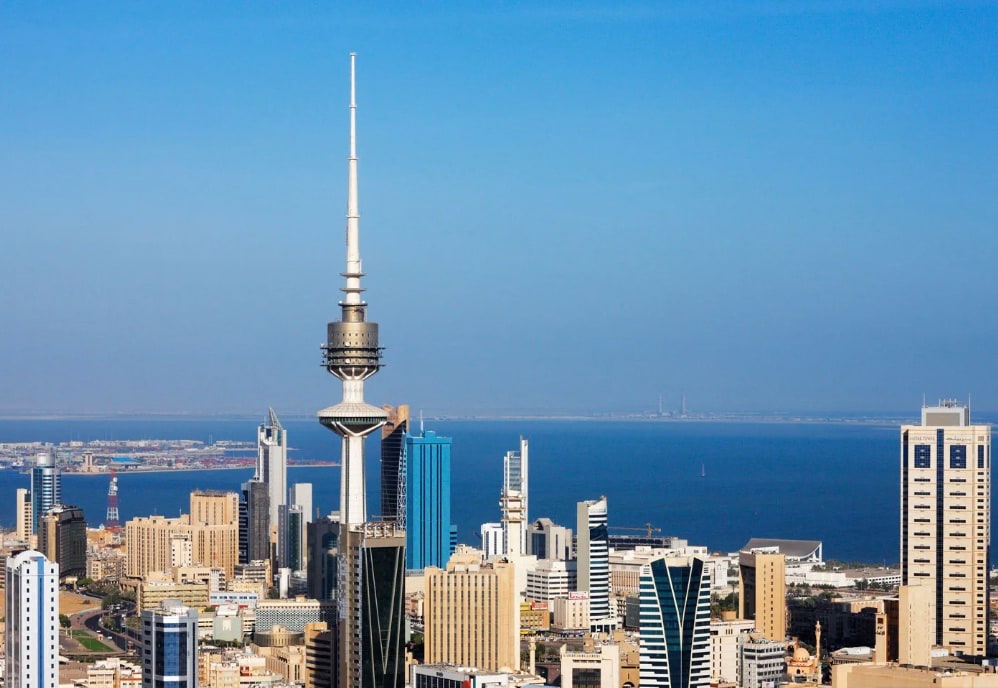
Screenshot Kuwait, officially known as the State of Kuwait, is a small yet very wealthy country in West Asia. Located on the northwestern corner of the Persian Gulf, it shares borders with Iraq and Saudi Arabia. The country is renowned for its vast oil reserves. (Image: X)


