


GK: Why Are Rivers Important?


Rivers are the arteries of our planet, functioning as far more than just conduits for moving water from mountains to the sea. The complex, dynamic systems have dictated the course of biological evolution and human history alike. Their importance can be categorized into four primary pillars: ecological health, human survival, economic development, and cultural identity. (Image: X)

Ecologically, rivers are the most diverse habitats on Earth relative to their size. Although freshwater covers less than 1% of the Earth’s surface, it supports more than 10% of all known animals and about 40% of all fish species. Rivers act as biological corridors, allowing for the migration of species and the dispersal of seeds. (Image: X)

The surrounding areas, known as riparian zones, function as natural filters. They trap pollutants and sediment before they can enter the main stream, maintaining water quality for both aquatic life and downstream users. Furthermore, the periodic flooding of rivers deposits nutrient-rich silt onto floodplains, creating some of the most fertile agricultural lands in existence. (Image: X)

For humanity, rivers are primarily a source of life-sustaining freshwater. Long before the invention of modern desalination or deep-well drilling, civilizations were forced to settle near moving water. Today, billions of people still rely directly on rivers for drinking water, sanitation, and hygiene. Beyond direct consumption, rivers are the backbone of global food security. Irrigation systems divert river water to vast tracts of farmland that would otherwise be arid. (Image: X)

From an economic perspective, rivers have historically been the “highways” of the world. Even in the age of flight and high-speed rail, inland navigation remains one of the most cost-effective and energy-efficient ways to transport heavy bulk commodities like grain, coal, and ore. (Image: X)
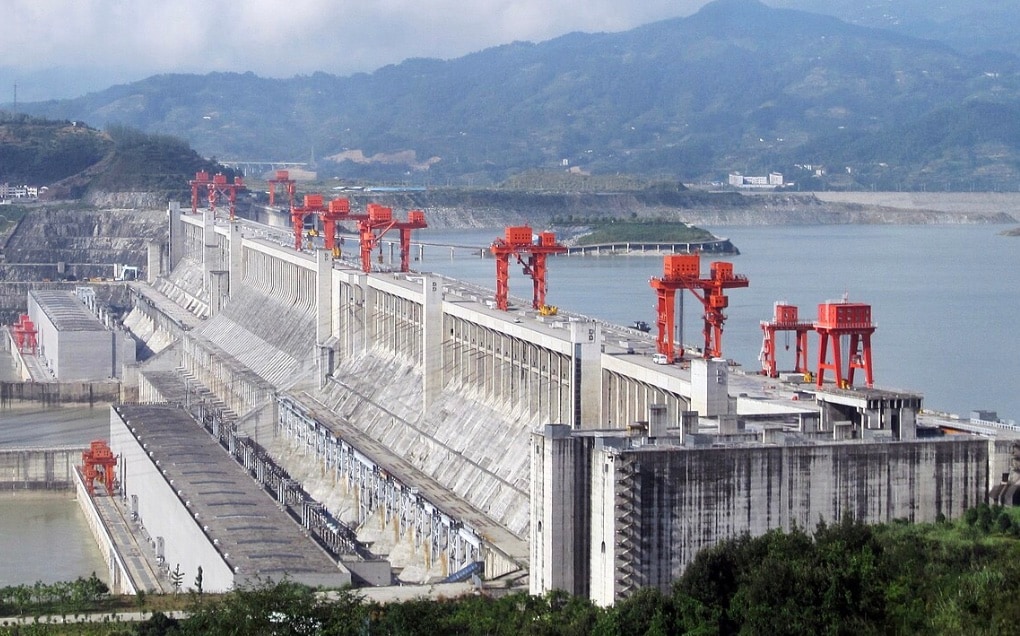
Rivers also play a critical role in the global transition to renewable energy. Hydroelectric power, generated by the kinetic energy of flowing water, provides a significant portion of the world’s electricity. Unlike solar or wind, which can be intermittent, river-based power offers a “baseload” of energy that is consistent and carbon-free, provided the dams are managed with ecological sensitivity. (Image: X)
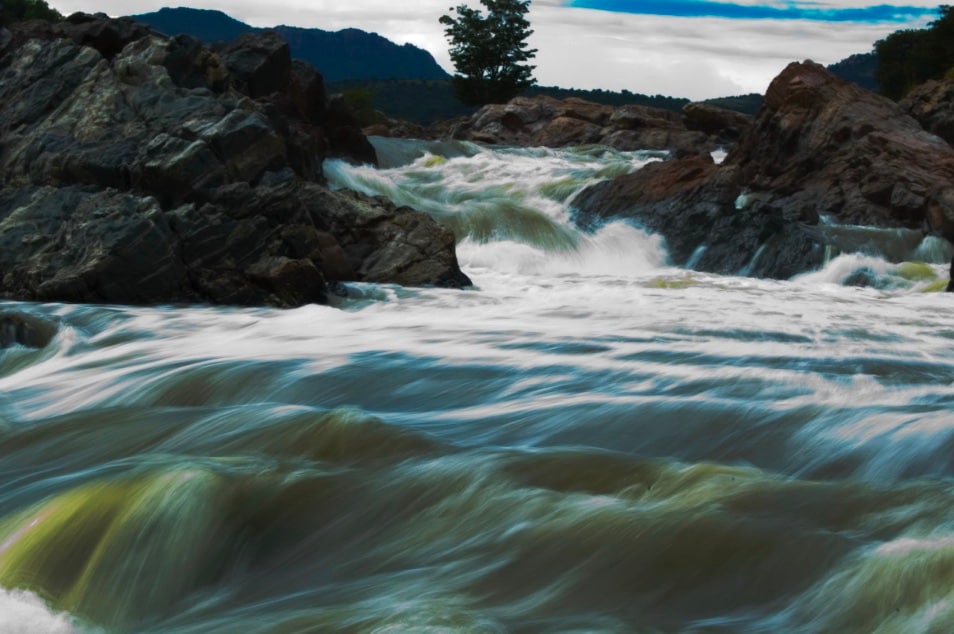
In the context of a changing climate, rivers act as a massive drainage system. They move excess rainwater away from land surfaces, preventing stagnant flooding. Mangroves and deltas at the mouths of rivers also act as buffers against storm surges and rising sea levels, protecting inland communities. (Image: X)

Rivers are deeply embedded in the human psyche, appearing in the foundational myths of almost every culture. From the sacred status of the River Ganges in Hinduism to the symbolic “crossing the Jordan” in Judeo-Christian traditions, rivers represent purification, life, and the passage of time. They provide recreational spaces that are essential for mental well-being, offering a connection to the natural world in an increasingly urbanized society. (Image: X)
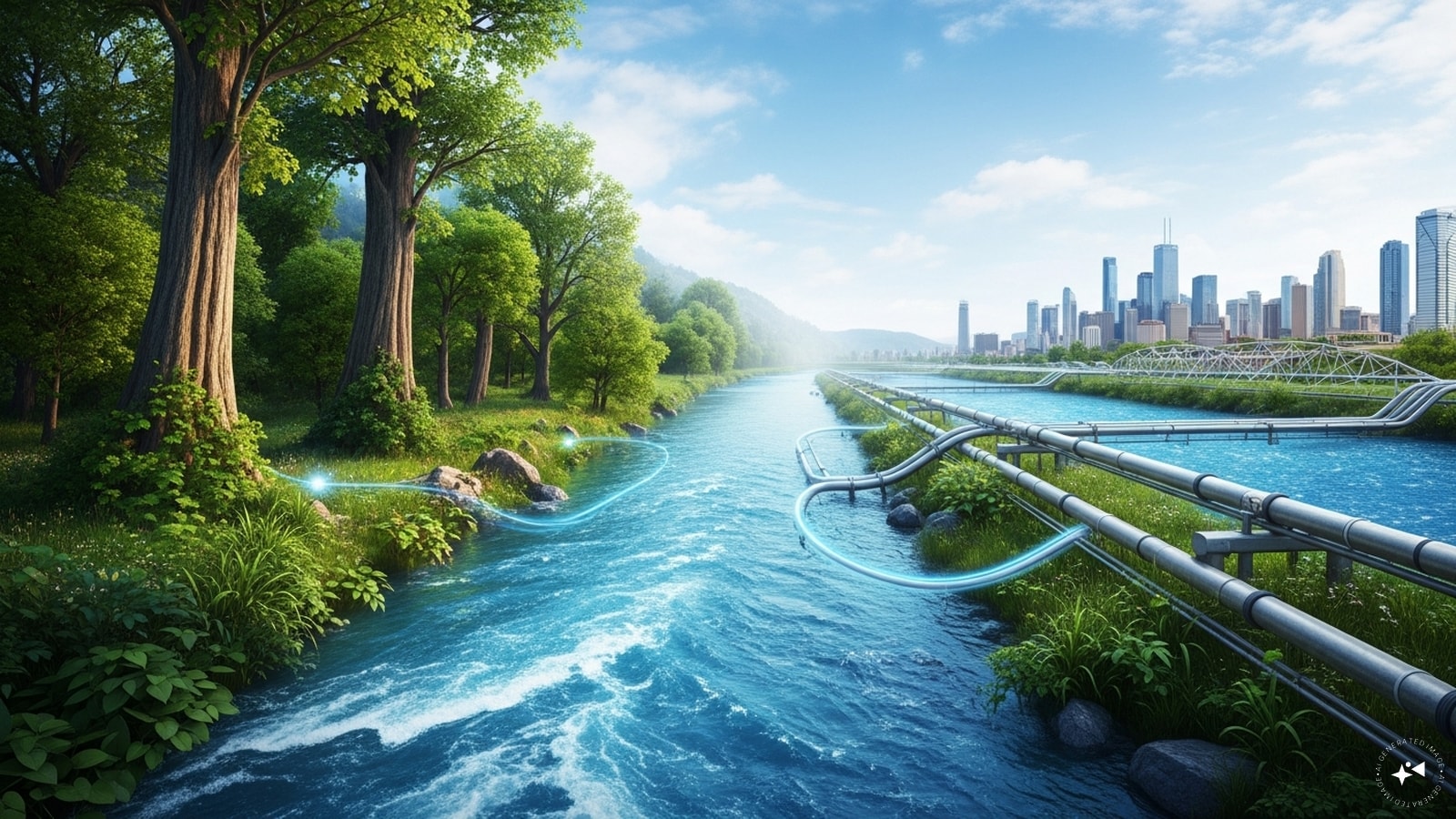
They are not just resources to be exploited; they are life-support systems. Protecting their flow and purity is not merely an act of environmentalism—it is a fundamental necessity for the survival of the global economy and the human species itself.


