


Goat Milk Vs Cow Milk: Which Is Easier To Digest?


Milk is a staple in many households, but when it comes to choosing between goat milk and cow milk, the answer isn’t always straightforward. Both are packed with essential nutrients like calcium, protein, and vitamins, but they differ in taste, digestibility, and nutritional composition. Here’s a simple comparison to help you decide which one might be better for your needs. (Image: Pexels)
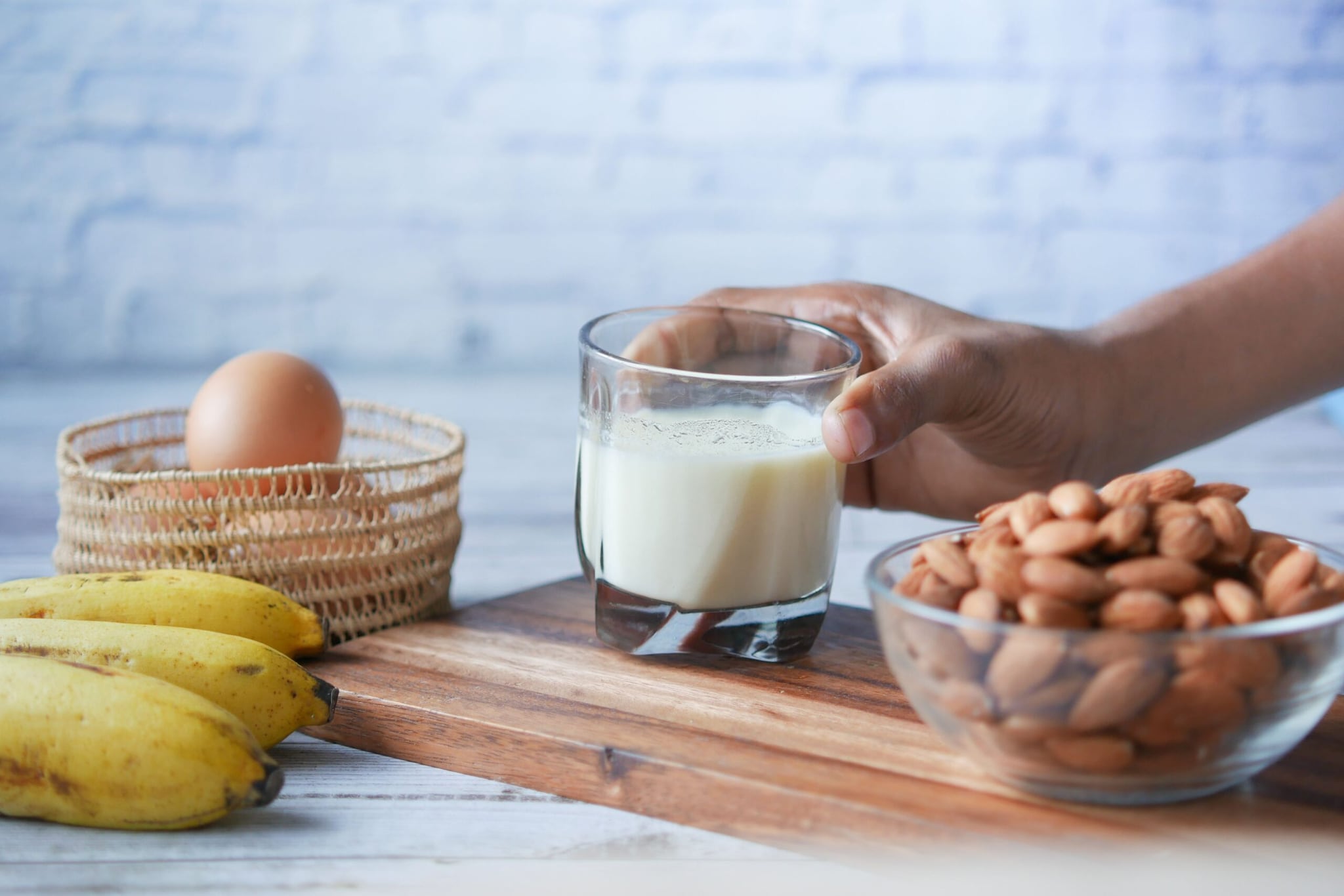
Protein Content: Both Are Rich Sources
Cow milk and goat milk are both excellent sources of protein. A cup of either provides around 8 grams of protein, making them equally beneficial for muscle repair and overall health. (Image: Pexels)

Digestibility: Goat Milk May Have An Edge
Goat milk contains smaller fat globules and forms softer curds in the stomach, making it easier for some people to digest. Those with mild digestive discomfort may find goat milk gentler on the gut. (Image: Pexels)

Calcium Content: Both Support Bone Health
Both types of milk are rich in calcium, which is essential for strong bones and teeth. Goat milk typically contains slightly more calcium, potassium, and magnesium than cow milk. (Image: Pexels)

Fat Content: Goat Milk Has More Healthy Fats
Goat milk generally contains slightly more fat and medium-chain fatty acids, which are easier for the body to absorb and use for energy. However, the difference is relatively small. (Image: Pexels)
Lactose Levels: Goat Milk Has Slightly Less
While both contain lactose, goat milk has marginally lower levels. However, it is not lactose-free, so people with lactose intolerance may still experience symptoms. (Image: Pexels)

Vitamins And Minerals: Goat Milk Is Richer In Some Nutrients
Goat milk contains higher amounts of vitamin A, potassium, magnesium, and selenium. Cow milk, on the other hand, is often fortified with vitamin D and may contain more vitamin B12 and folic acid. (Image: Pexels)

Taste And Availability: Cow Milk Wins On Convenience
Cow milk is widely available and comes in various forms, including skimmed, toned, and fortified options. Goat milk has a slightly tangy taste that some people may need time to get used to. (Image: Pexels)

Disclaimer: Individual nutritional needs vary, and people with milk allergies, lactose intolerance, or specific health conditions should consult a doctor, registered dietitian, or healthcare professional before making dietary changes. (Image: Pexels)


