


Got a cavity? A few things to check before you let your dentist drill


You’ve hit the candy and ice cream a little too hard – and now it’s time to face the music at the dentist over those cavities.
Nearly 90 percent of American adults, aged 20-64, have had decay in their teeth that can leave them vulnerable to infection and even heart disease, according to federal data.
Using a drill can help dentists clean and sterilize the area before applying a resin or metal filling to restore the decayed tooth. But there are some things patients should be aware of before they decide to go under the dental drill, according to experts.
For one, not all cavities need a filling, and many people don’t need them right away. Yet, waiting too long may spell disaster.
Although, maybe not for dentists.
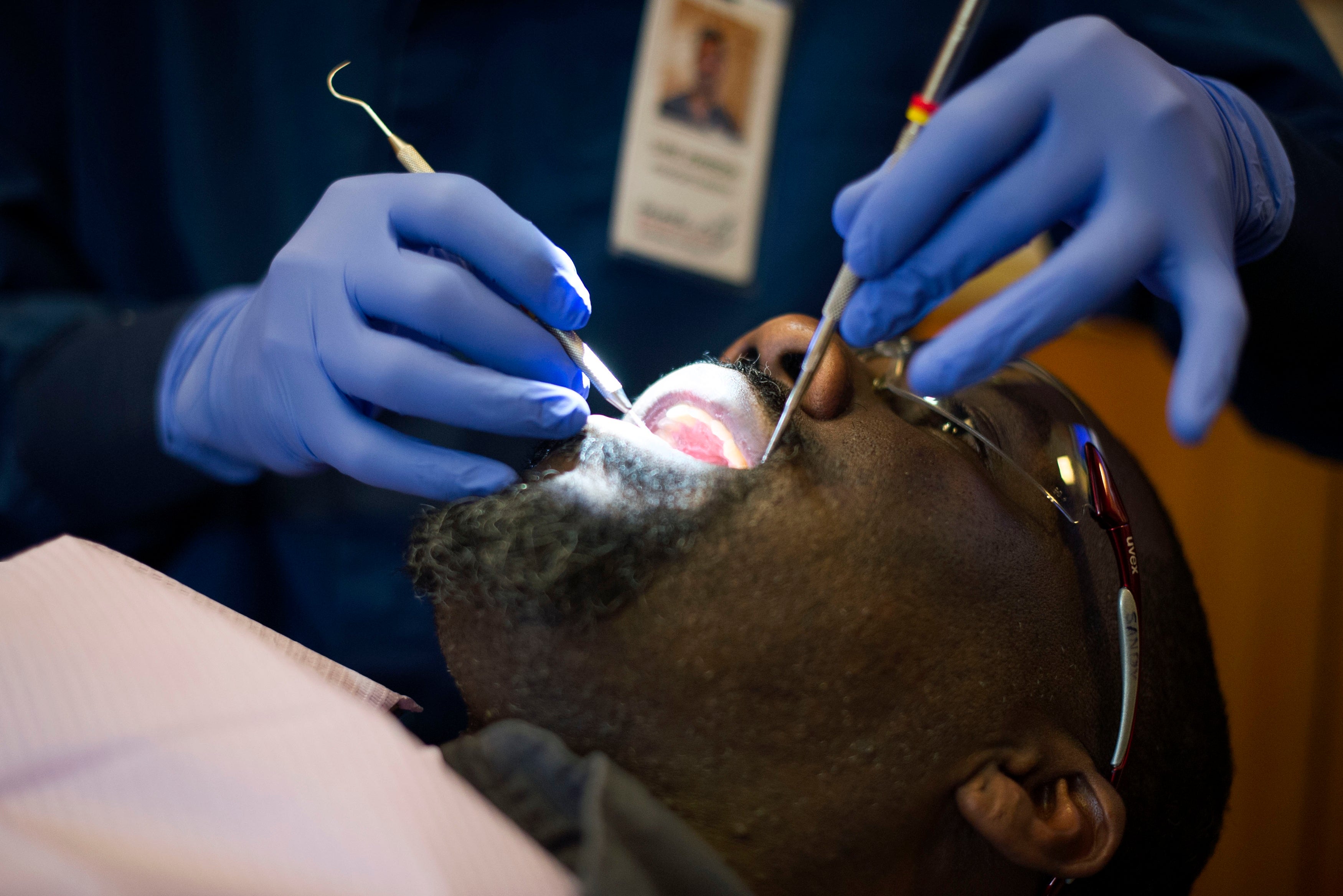
Dentistry is a business and surgical procedures rack up higher bills than a cleaning or X-ray. A filing can cost over $200, with dental insurance, and a cap to restore decayed teeth, called a crown, may result in a $2,000 bill.
“The more surgical intervention you do, the greater the financial payout,” Dr. Diana Nguyen, an associate clinical professor at U.C. San Francisco, told The New York Times.
“You can’t bill out for watching something over and over,” she added.
But that doesn’t mean all dentists are out to get you when they suggest you get a pricey procedure. While one dentist may think you need a filling, another may not.
Some dentists say that waiting and watching smaller cavities instead of treating them right away can help spare patients from costly and time-consuming procedures.
Large and old fillings may increase the risk of fractures, St. Louis Prosthodontics says. That can mean even more procedures.
You also might be able to put your tooth health in reverse. If the tooth decay hasn’t gotten through the enamel to the inside of the tooth, dentists may just recommend better brushing or flossing.
“Sometimes we still have a chance,” Iowa dentist Dr. Sara Stuefen, a spokeswoman for the American Dental Association, also told The Times.
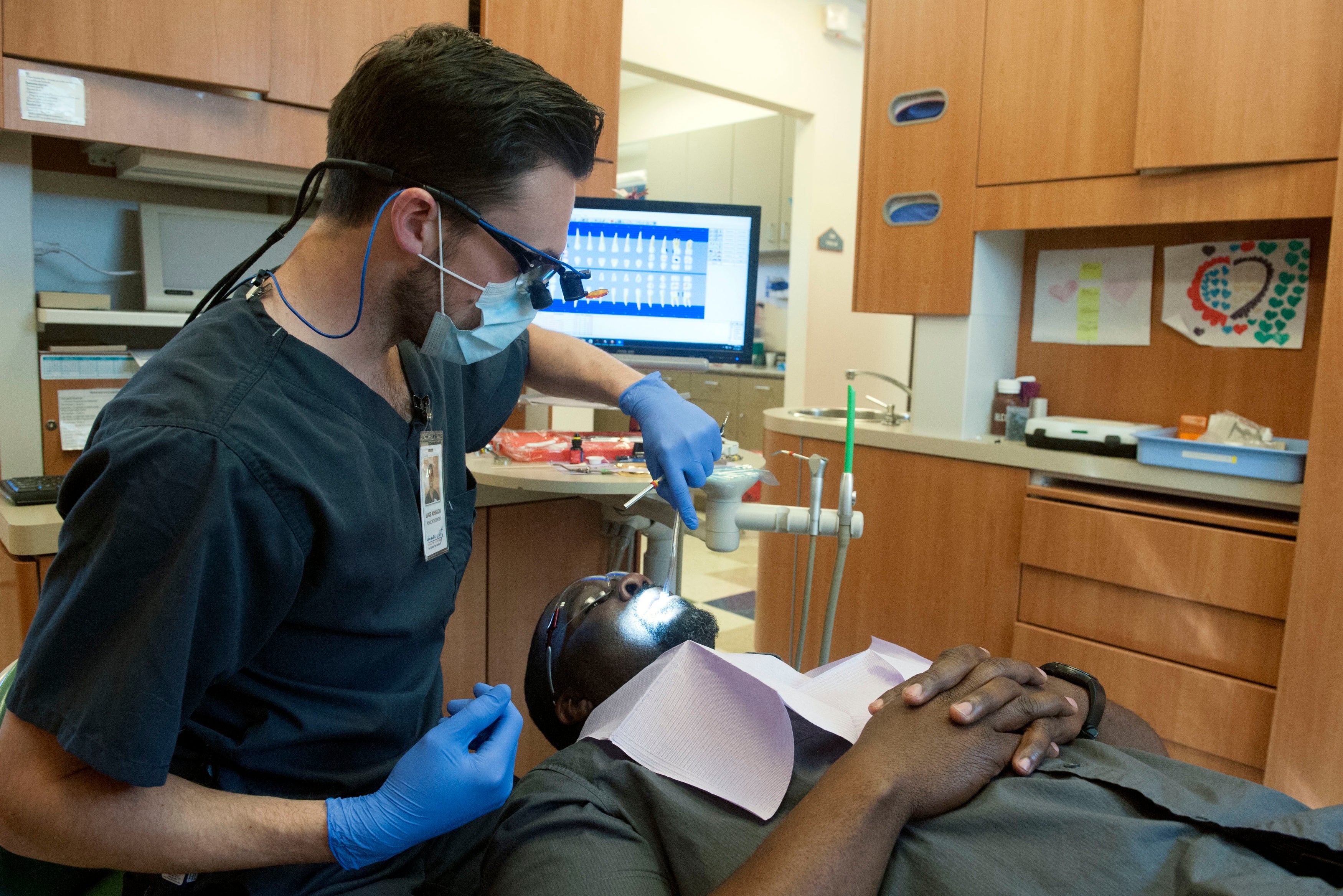
That decision is ultimately up to you and your dentist. But waiting also comes with consequences to your health and wallet.
Putting off a filling for just six months could lead to difficulty chewing and extreme discomfort, Main Dentistry in Colony, Texas, warns on its website.
That can compromise the structure of the tooth, increasing the risk of health complications and requiring a more significant filling.
“As a result, the tooth will become prone to damage,” the practice said, noting that cavities that reach the living soft tissue of your teeth may require a more costly and invasive procedure called a root canal.
In extreme cases, you may even lose your tooth, affecting your ability to eat and even the appearance of your face.


