


Hantavirus Infection Puts French Woman In The ‘Final Stage’ Of Life: Can the Virus Kill You?


Last Updated:
The woman, one of five French nationals aboard the ship, was evacuated from Tenerife in Spain’s Canary Islands on 10 May after her condition deteriorated rapidly.




Documented cases of limited human-to-human transmission have occurred, notably in a 2018 Argentine village outbreak that infected 34 people and caused 11 deaths. (Representational image: Canva)
A French woman battling hantavirus is now in what doctors describe as the “final stage of supportive care”, the latest reports from the Hantavirus outbreak after all the passengers deboarded the cruise ship, reigniting global concern around the rare but potentially deadly infection that has already claimed multiple lives linked to a cruise ship outbreak.
The woman, one of five French nationals aboard the ship, was evacuated from Tenerife in Spain’s Canary Islands on 10 May after her condition deteriorated rapidly. She is being treated at Hôpital Bichat-Claude-Bernard in Paris, where doctors are providing the final stage of supportive care, including a device that functions as an artificial lung (ECMO) to oxygenate her blood. Her identity has not been publicly released.
Health authorities believe she contracted the Andes strain of hantavirus, one of the few variants capable of limited person-to-person transmission through close contact with infected passengers on the vessel. This strain originated in South America, where it circulates among rodent populations. The outbreak has already claimed multiple lives and sparked international contact-tracing efforts across several countries.
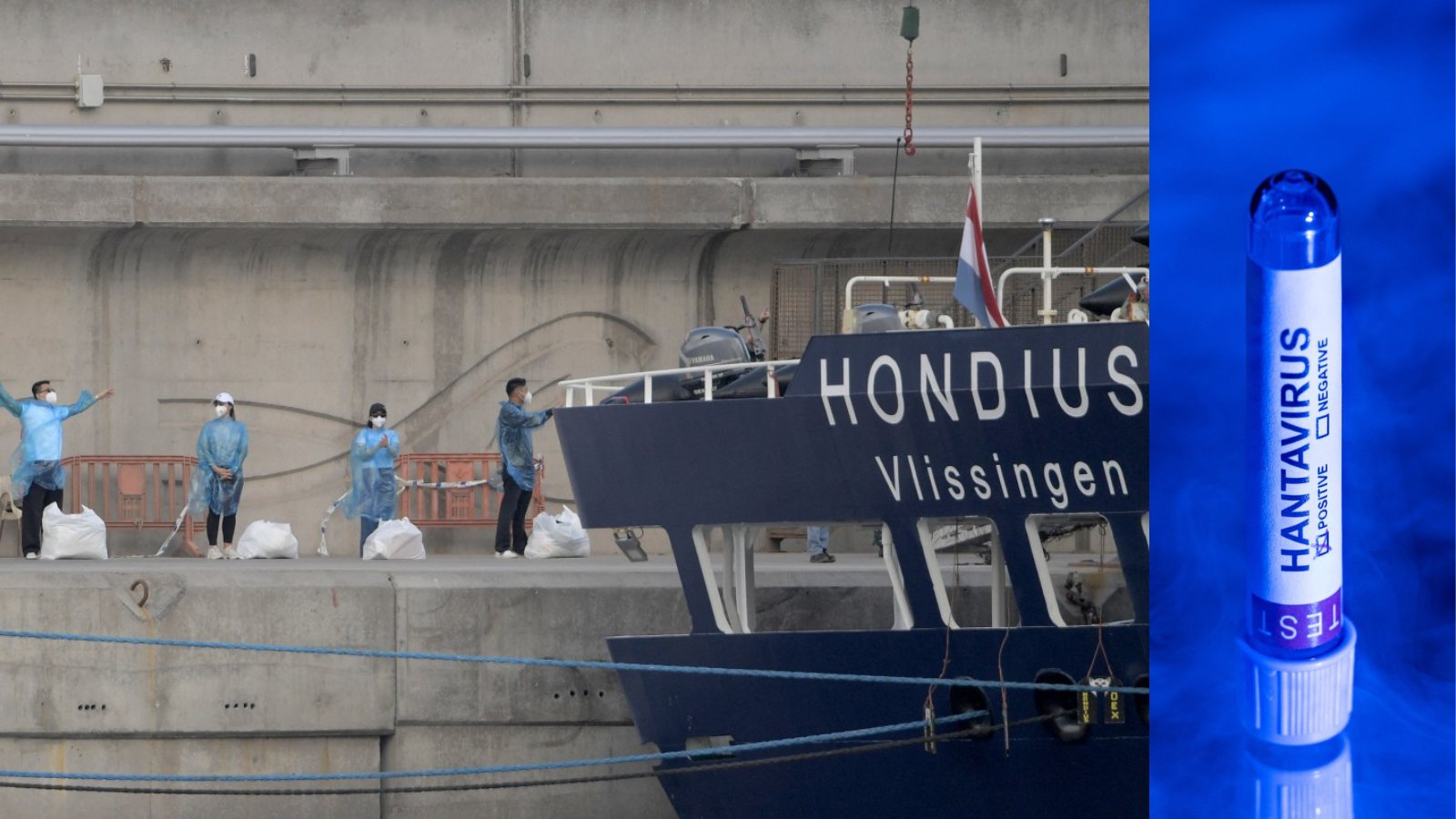
The phrase “final stage of supportive care” has understandably alarmed people online. But what exactly is hantavirus, how dangerous is it and should the public genuinely be worried?
What Does Hantavirus Spread?
Hantaviruses are a group of viruses primarily transmitted from rodents to humans. People typically become infected by inhaling microscopic airborne particles from the urine, droppings, or saliva of infected rodents, especially in enclosed or poorly ventilated spaces. Unlike common respiratory viruses, most strains do not spread efficiently between humans.
The Andes virus stands out as the primary exception. Documented cases of limited human-to-human transmission have occurred, notably in a 2018 Argentine village outbreak that infected 34 people and caused 11 deaths. Even then, spread required close contact with symptomatic individuals and was contained through isolation measures.
Early symptoms often resemble flu or COVID-19, making the infection difficult to detect initially. Patients may develop:
- fever
- fatigue
- headaches
- muscle aches
- nausea
- dizziness
Can Hantavirus Infection Kill You?
According to Stanford Medicine infectious disease experts, hantavirus has a significantly higher fatality rate than common respiratory viruses such as influenza or COVID-19. Roughly 35% of reported hantavirus cases in the US have resulted in death.
In the United States, where hantavirus pulmonary syndrome is tracked, the fatality rate has hovered around 35% in recent decades. For some New World strains, mortality can reach as high as 50%, even with intensive medical intervention. Old World strains, more common in Europe and Asia, tend to cause haemorrhagic fever with renal syndrome and carry lower but still significant death rates (1-15%).

There is no specific antiviral treatment or approved vaccine. Care is entirely supportive: oxygen therapy, mechanical ventilation, fluid management, and, in critical cases like the French patient’s, extracorporeal membrane oxygenation (ECMO) to give the body time to recover. Early diagnosis and rapid transfer to advanced intensive care can improve survival odds, but outcomes remain uncertain once the disease reaches its advanced pulmonary phase.
Is There A Vaccine For Hantavirus?
At present, there is no approved vaccine or specific antiviral cure for hantavirus. Treatment mainly focuses on supportive care, including oxygen therapy, ventilation and intensive monitoring while the body fights the infection.
This lack of targeted treatment partly explains why outbreaks attract intense attention despite the virus remaining rare.
Experts also emphasise that cruise ships, flights and urban settings are not typical environments for hantavirus exposure. Most infections still trace back to contact with infected wild rodents or contaminated enclosed spaces.


