


Health And Fitness Trends That Will Shape 2026


As 2026 approaches, the future of health and fitness is being defined by a seamless fusion of technology and traditional wellness practices. Here’s a look at the top health and fitness trends of 2026.
AI Wearables: In 2026, AI wearables dominate fitness trends, marketed as vital for preventive care. However, reports from WHO and NIH warn against constant health tracking, citing anxiety, stress, and the risk of misinterpreting data. In India, the Indian Council of Medical Research (ICMR) highlights concerns over privacy risks and the mental strain caused by over-monitoring health data. However, it is useful for patients with chronic illness. People can also benefit from AI medical alert bracelets, particularly those who live in remote areas and are vulnerable to medical emergencies. (Image: Pexels)

Mental Health Exercises: Mental health exercises like mindfulness, yoga, and breathing techniques are becoming more popular globally, with new technologies expanding their reach. However, studies reveal that the delivery method greatly affects their effectiveness. While these exercises are beneficial, digital screens can interfere with their impact, reducing their potential to improve mental health and mood regulation, as they disrupt brain hormones. (Image: Pexels)

Screen Detox Programmes: With children spending up to 8 hours daily on screens, screen detox is becoming a health necessity. Excessive screen time is linked to poor sleep, obesity, and anxiety, putting strain on healthcare systems. The ICMR reports rising digital addiction in teens, whose underdeveloped brains are vulnerable to emotional stress from constant virtual exposure, leading to harmful mental and physical effects. (Image: Pexels)
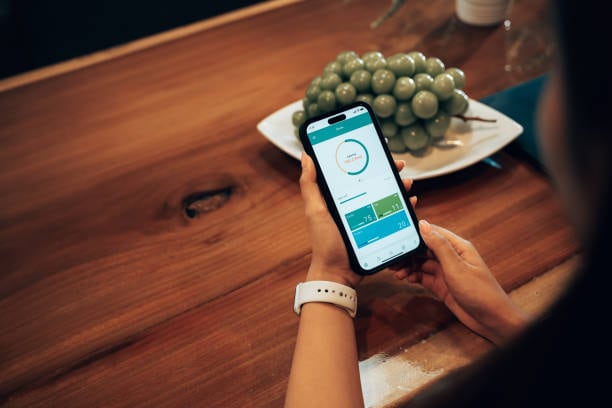
Personalised Nutrition With AI: Diet is a personalized need, requiring tailored plans from nutritionists based on body type, lifestyle, and environment. While AI-driven diet apps offer custom nutrition advice, they have limitations in practicality and accessibility. These apps rely on unverified, limited online data, lacking regulation or fact-checking, which can affect their accuracy and reliability for individualized health needs. (Image: Pexels)
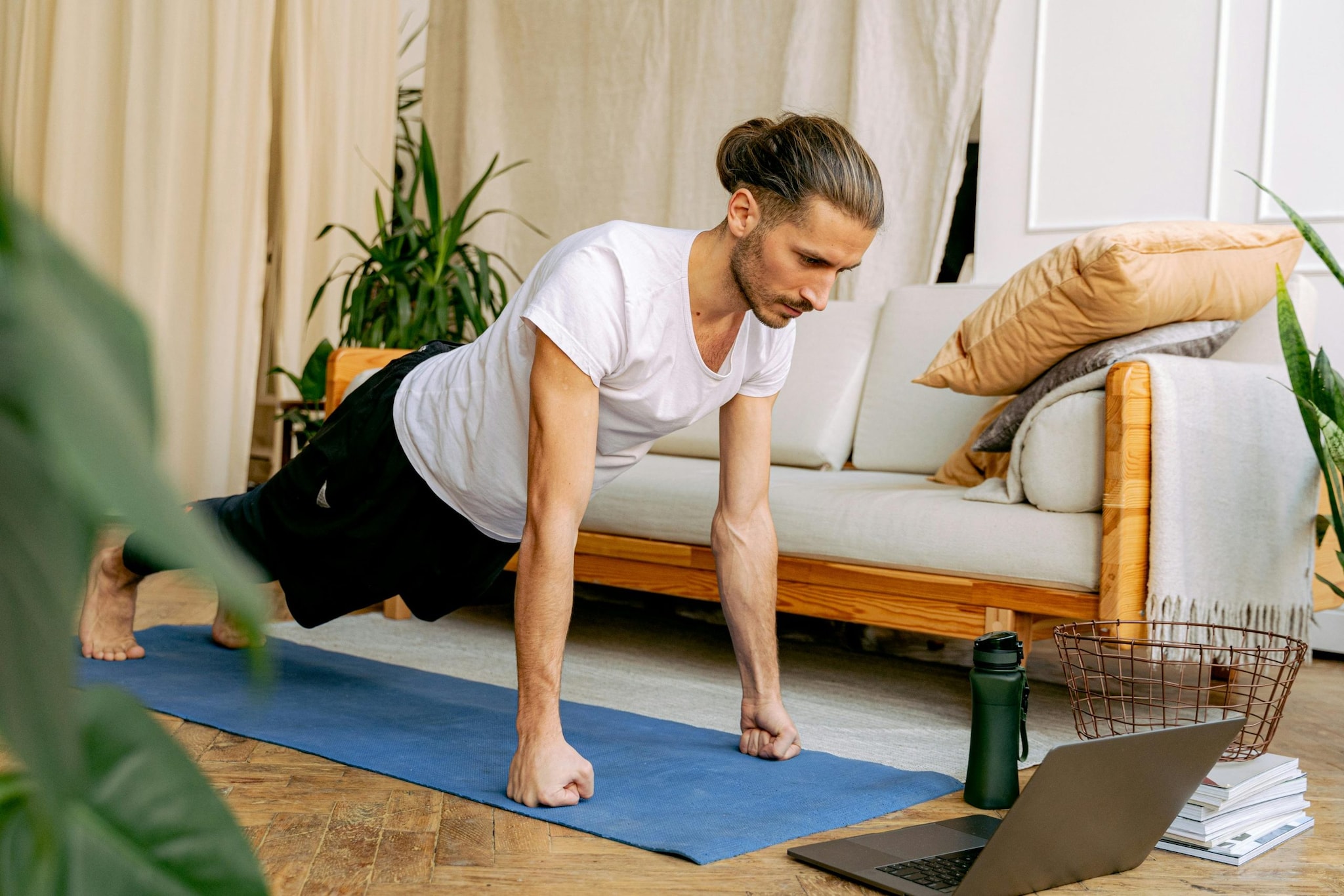
Hybrid Fitness: Post-pandemic, hybrid fitness models combining online classes with offline gyms are thriving. This approach offers flexibility, allowing people to work out anytime, even with busy schedules. It addresses the need for accessible fitness options, enabling individuals to choose between virtual and in-person workouts, making it easier to stay active while balancing other commitments. (Image: Pexels)

Sleep Fitness: Sleep tracking is gaining popularity, marketed as “sleep fitness,” but studies suggest it may not be necessary for optimizing sleep. The NIH links quality sleep to better heart health, while the WHO warns over-tracking can worsen insomnia. The ICMR highlights rising sleep disorders in urban youth, advising proper sleep hygiene over constant monitoring. Lifestyle changes, not gadgets, are key to restful sleep. (Image: Pexels)

In 2026, health trends blend innovation and caution. AI wearables and screen time pose risks, while mental health exercises, yoga, and screen detox offer safer alternatives. Personalized nutrition and hybrid fitness balance tech and tradition, emphasizing lifestyle changes over constant monitoring. (Image: Pexels)


