


Here’s how to come back from holiday fitter than when you left


I am thoroughly in counting-down-the-days-until-my-holiday mode. 10 days in Greece with my family can’t come soon enough. It’ll be a much-needed chance for all of us to unwind, de-stress, and reconnect. And, for me, a crucial opportunity to abandon all of my classes, courses, and regimes.
Sometimes, there can be anxiety about going away because of fears about stepping outside our exercise routines. What if all that hard-earned consistency goes away? What if you lose progress, and come home feeling like you’re back at square one? I know some people who even book their hotels with a nearby gym in mind.
But as a fitness instructor, I know that one of the best ways to make sure you’ll see results at the gym or hit your next fitness goal is to stop (for a bit).
Fitness is built on long-term consistency. The downside is that big goals can take months or even years to hit. But the upside is that our fitness can absolutely survive a two-week break or a temporary change in habits. Not only can it survive, actually: going away and taking your foot off the gas can have massive benefits for our physical health.
Over on Strong Like Mum, we’re all about foundational fitness and intentional movement. Today, episode five of our core challenge has gone live – start from day one to build a stronger core in just six weeks
After all, our bodies reap the big benefits of exercise when we’re not in the gym or on the treadmill: increased energy, improved mood, better mental health. What’s the point in working so hard if you never get to just enjoy yourself?
Here are some ways I hack my holidays to come back feeling better and fitter than ever.
Leave the fitness tracker at home
I don’t wear a fitness tracker in day-to-day life – to me, the most important thing is to feel my health. There’s so much that our bodies tell you that you don’t need a watch for, and we often get carried away by hitting those numbers and targets, without taking into consideration the balancing act of health. Some days, you will simply be too stressed or tired to gain any benefits from a high-intensity, tough workout. What would serve you better is just to sleep, or do something slow and low-intensity, like yoga or meditation.
So, on holiday: leave the trackers at home. For me, that’s not what a holiday is for, and it’s good for us to break routine and reconnect with how we feel, rather than always relying on devices to tell us how we’re doing. If you do want to take something with you on holiday, a resistance band is very light, minimal, and versatile. Here’s a great beginner resistance band routine you can do anywhere.
Take care on the flight
Long flights can have lots of unpleasant effects. Stiff and swollen joints and dehydration can have knock-on effects for the rest of the holiday. Make sure you’re drinking lots of water and moving around for a few minutes every 90 minutes or so. Calf raises, circling your ankles and wrists, walking up and down the plane, and doing some arm swings are good ways to avoid swelling in your fingers and feet and get the blood flowing around your body, rather than pooling.
The gift of novelty
Holidays are fantastic for fitness because the body loves novelty, and it loves change. Human bodies are extremely efficient at doing any activity with the minimum amount of energy expenditure possible. If you’ve ever moved to a flat up lots of flights of stairs, you’ll know this already. Taking the steps probably felt quite tiring at first, but then it got easier, mostly without you realising. Yes, this is partly because you got stronger, but it’s also because your body found ways to make that task easier for itself.
If you just do the same type of workout on repeat, your body and your results will begin to plateau. On holiday, we tend to do lots of activities we wouldn’t normally get a chance to in day-to-day life.
Between exploring cities, sightseeing, going dancing in the evening or clubbing at night, and trying new things like paddleboarding and scuba diving, our step counts generally increase while we’re on holiday (though of course, we won’t know that, because we left the Garmins at home!). In fact, holidays tend to be full of activities which we would normally consider exercise, like swimming, hiking, and cycling. Even something like walking on the beach is hugely beneficial, because it requires a lot more power and strength in your calf muscles and your glutes to keep momentum on the soft sand than it does on concrete.
Here’s a great mobility exercise for the lower body:
Priority number one: rest
Sleeping is one of the absolute best ways to support muscle recovery, lower stress hormones, and increase your productivity and energy. Our crucial sleep hours are between 10pm and 2am, and this is when our melatonin levels replenish and our stress glands reset. Because both work and social lives never really sleep anymore, we often experience high levels of stress right up until we go to bed. Those stress hormones drain your energy. It impacts muscle recovery and makes weight loss harder, because high levels of stress lead to your body existing in fight or flight, which clings to body fat like a storage system to use once the threat has passed.
Taking the opportunity to sleep properly, without an alarm going off, will have massive positive effects on your body and equip you to be stronger, fitter, and faster when you get home.
Social health
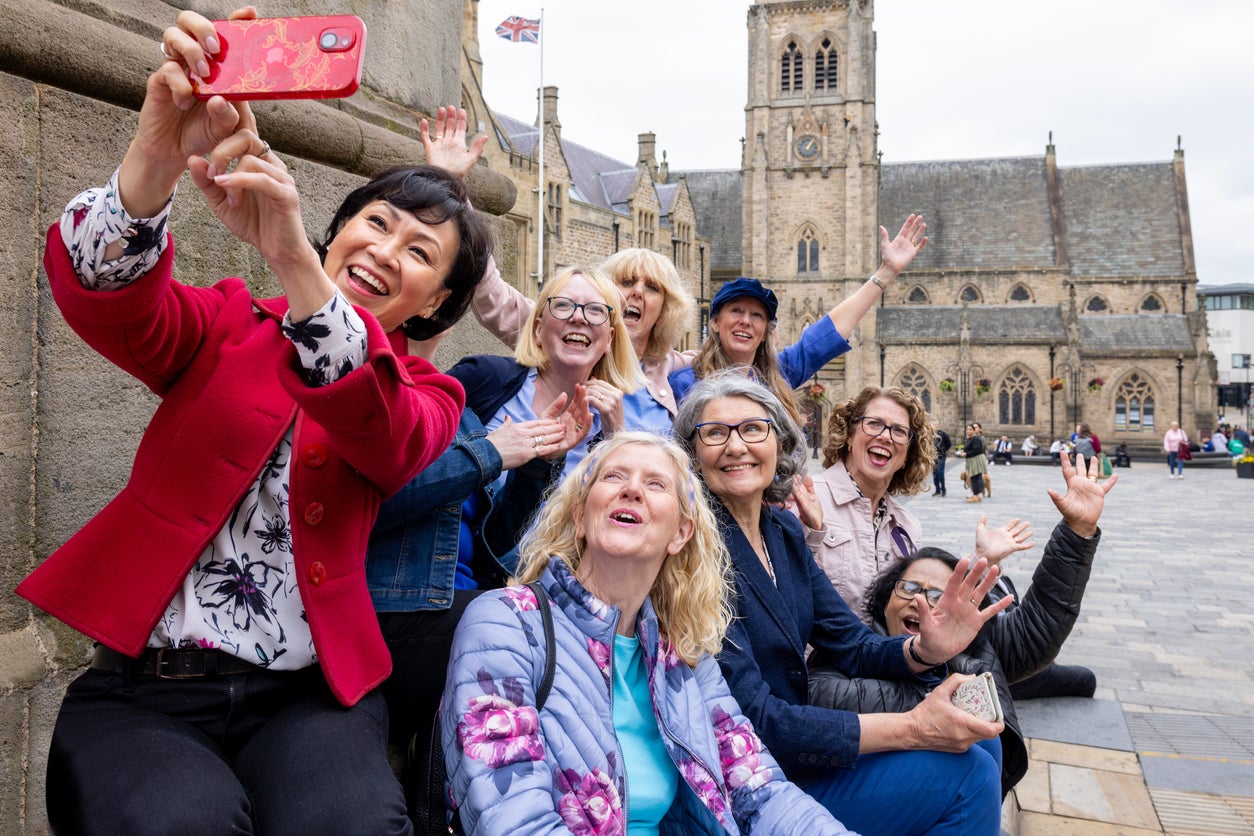
We often forget that social health is a massive part of our wellness. A World Health Organisation report found that social connection can reduce inflammation, lower the risk of serious health problems, help mental wellbeing, and prevent early death. Being social, sharing food, and making memories with family and friends has a real-life impact on our health – and should therefore be taken just as seriously as any other aspect of fitness or exercise.
Find a habit
Okay, I might have lied: I do keep one small daily habit from my fitness routine while I’m on holiday. But it always has to be something really, truly tiny, like drinking a glass of water as soon as I wake up, or having a proper stretch after getting out of bed. Going for a swim in the morning before I have breakfast is a personal favourite. By making these little commitments to myself, exercise doesn’t take over the whole holiday, but I still feel that I’m looking after myself and prioritising my health.
For more evidence-based postnatal recovery advice, pelvic floor education and realistic fitness guidance for women navigating motherhood and midlife, subscribe to Strong Like Mum on YouTube.


