


How To Cool Your Home Naturally During Rising Summer Temperatures


As summer temperatures begin climbing, keeping your home cool without depending entirely on air conditioning can save energy and make your space more comfortable. The good news is that a few simple changes can help reduce indoor heat naturally while keeping your electricity bill in check.
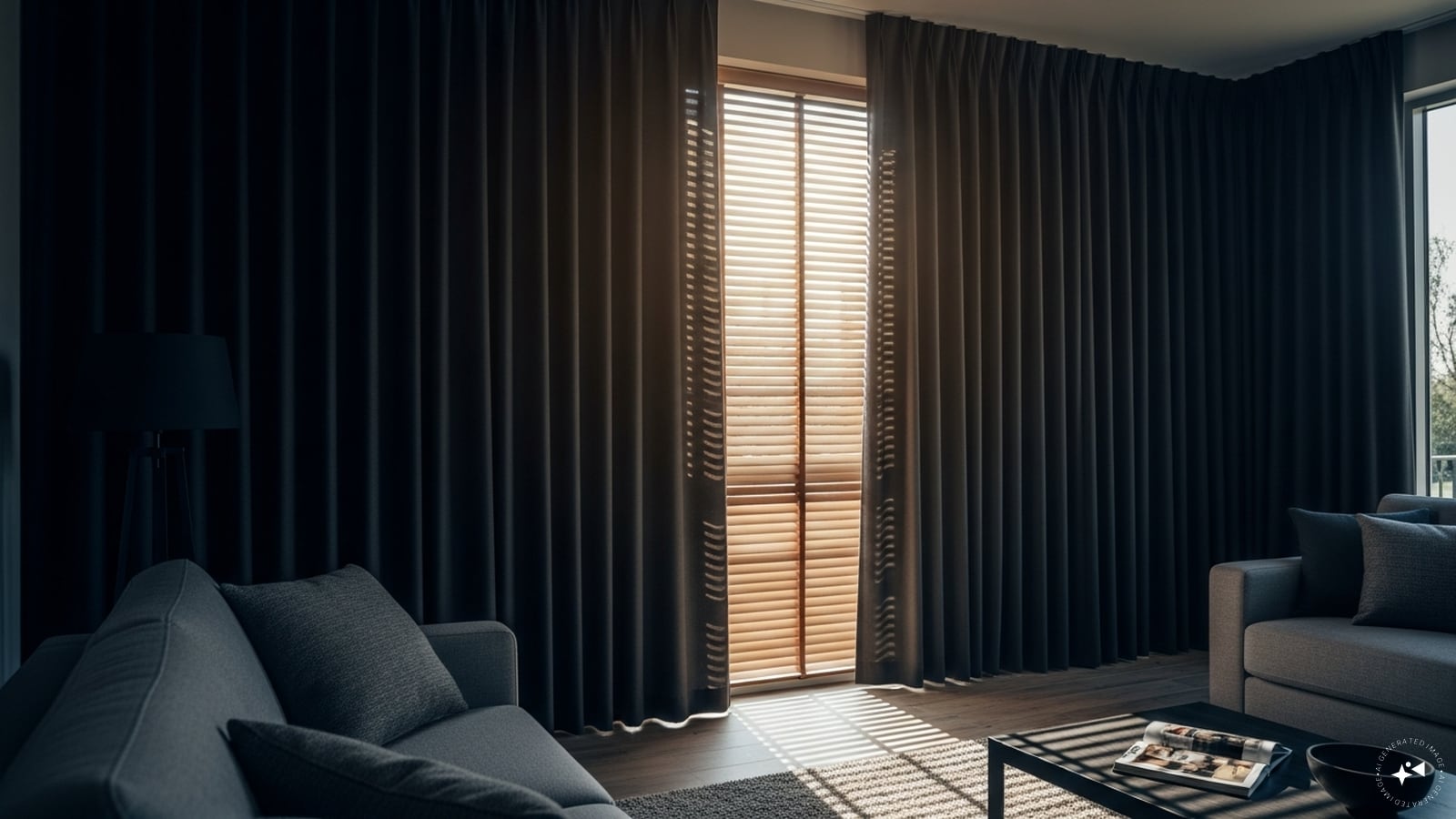
Keep Curtains and Blinds Closed During the Day
Sunlight streaming through windows can quickly heat up a room, especially during peak afternoon hours. Keep curtains, blinds, or shades closed during the hottest parts of the day to block direct sunlight. Blackout curtains or thick cotton drapes work particularly well in keeping indoor temperatures lower.
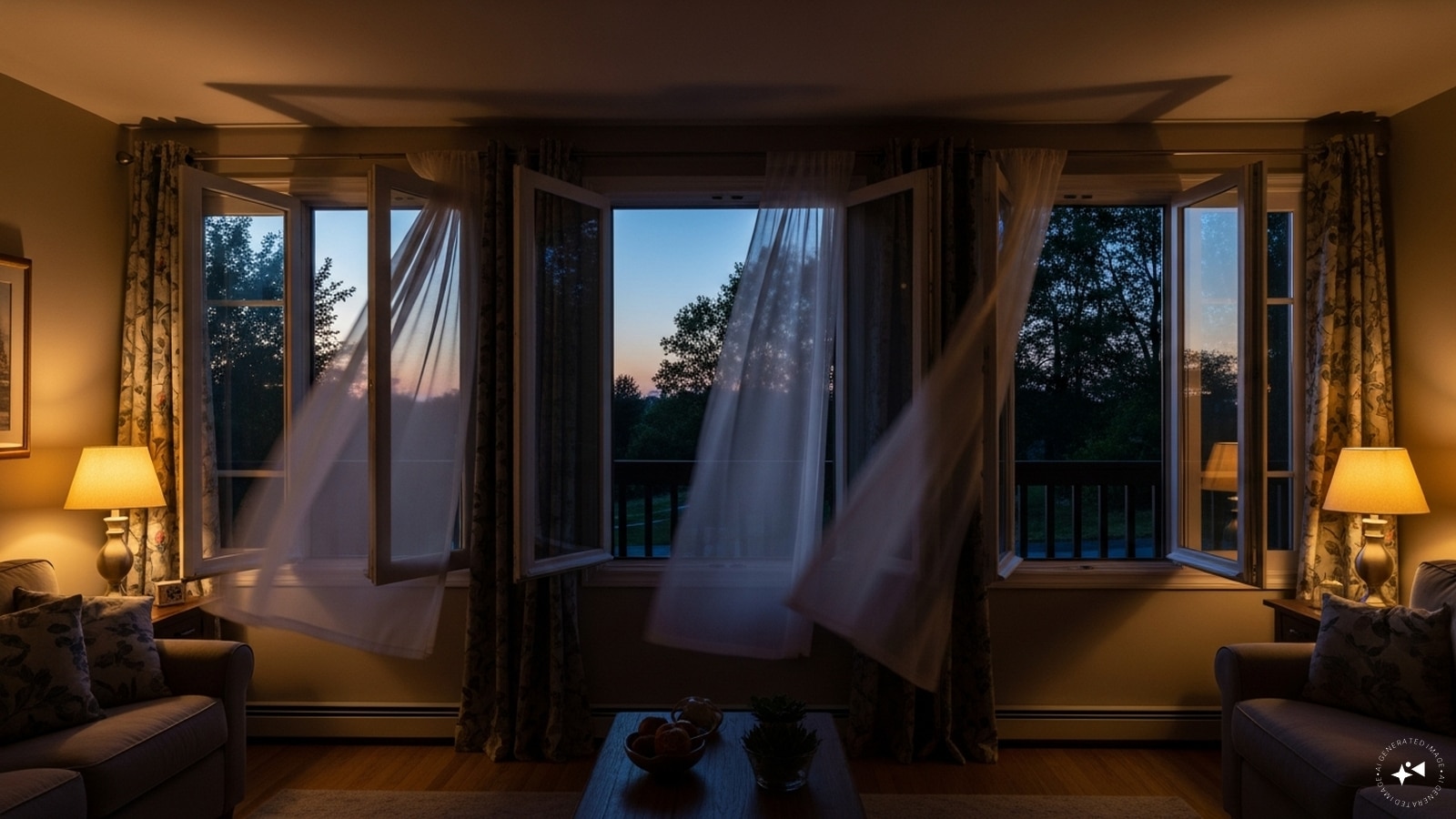
Let Cool Air In at Night
If temperatures drop in the evening, open your windows after sunset to let cooler air flow through your home. This helps remove trapped warm air and refresh the indoors naturally. For best results, open windows on opposite sides of the house to create cross-ventilation.
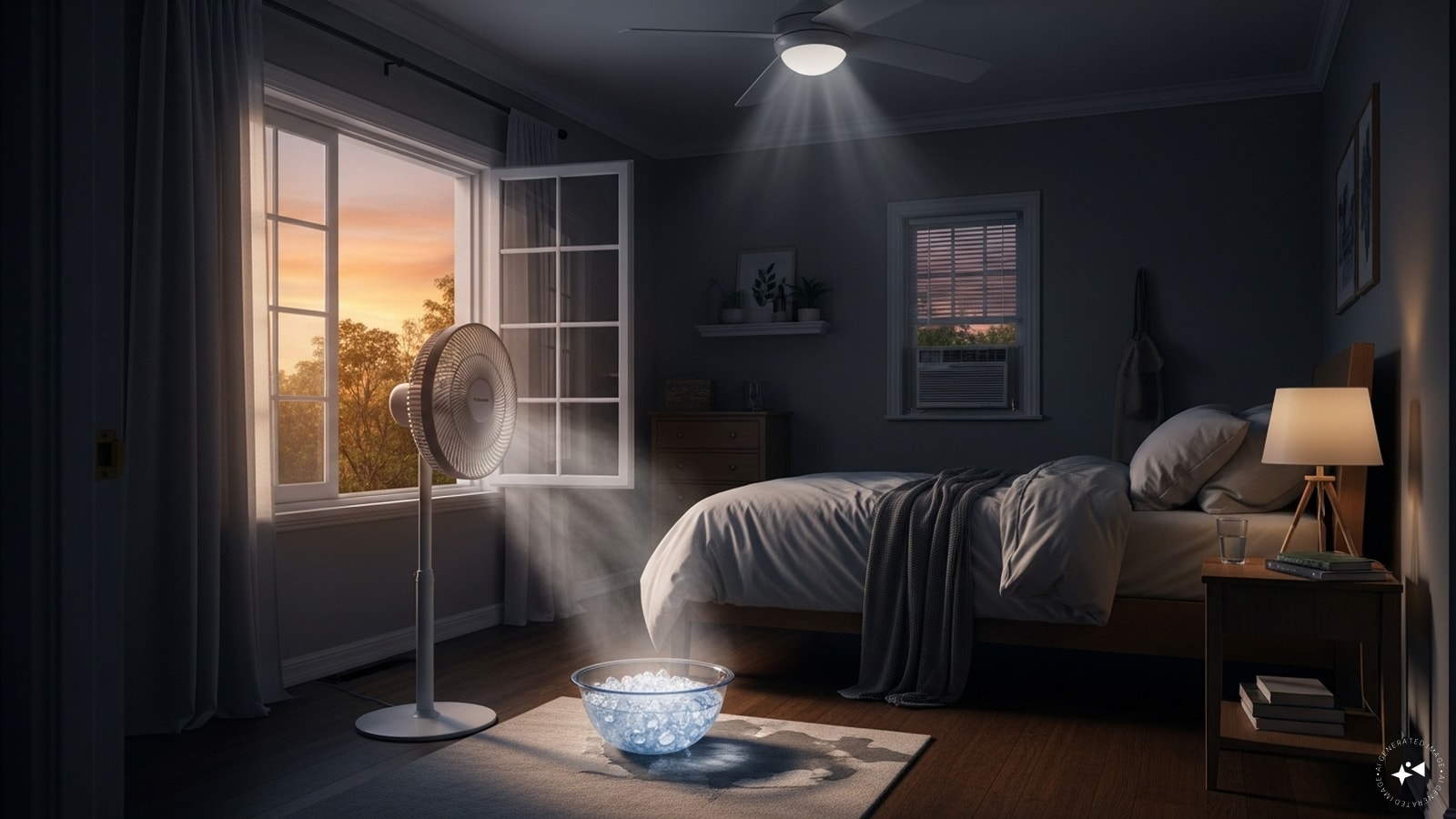
Use Fans Strategically
Ceiling and pedestal fans do not lower the temperature but help circulate air, making rooms feel cooler. Position standing fans near windows during the evening to pull cool air indoors. You can also place a bowl of ice or chilled water in front of a fan for a DIY cooling breeze.
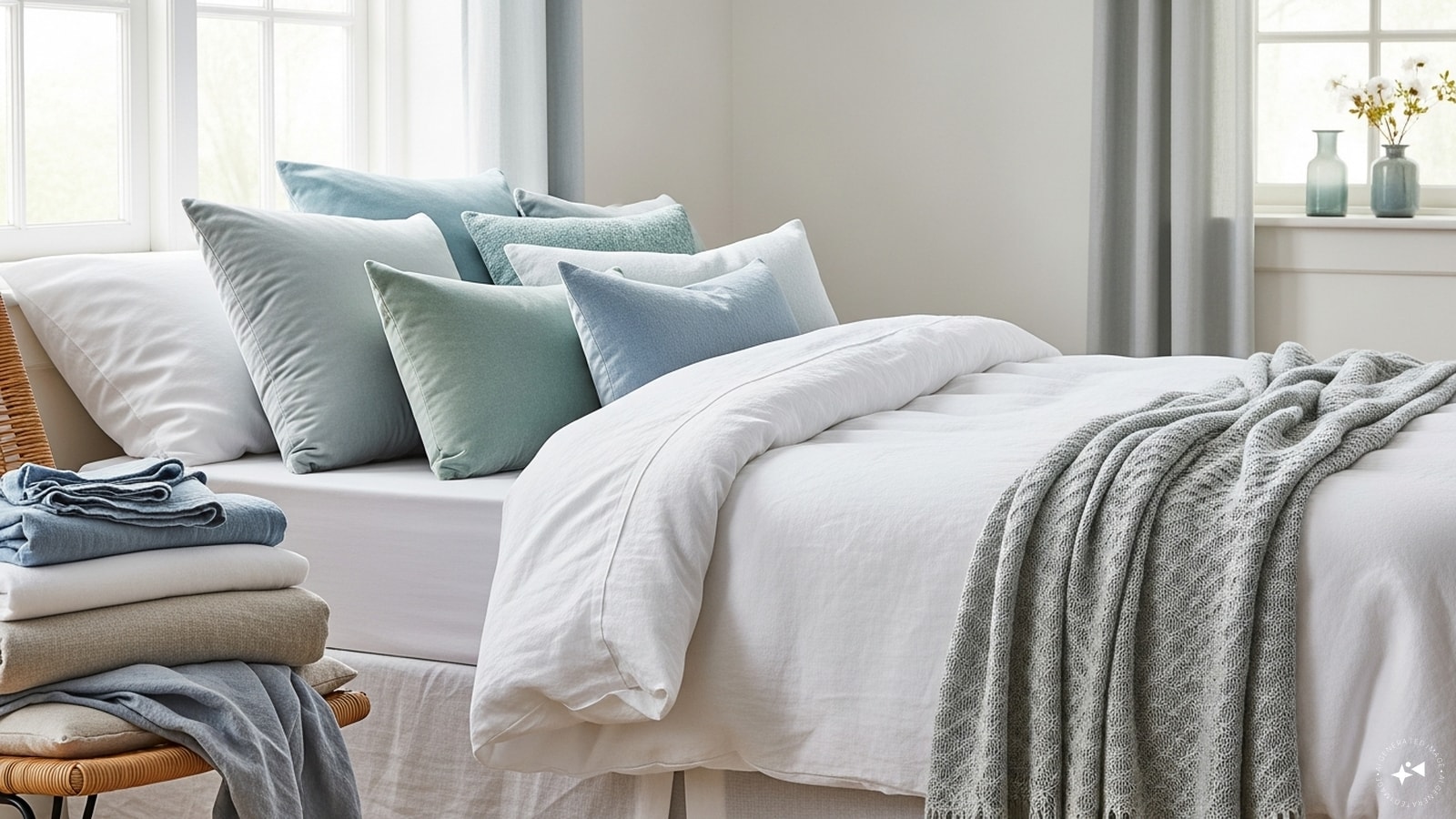
Switch to Breathable Fabrics
Heavy upholstery and bedding can make your home feel warmer. Swap thick blankets, velvet cushions, and synthetic fabrics for lighter materials like cotton or linen during summer. These fabrics feel cooler and improve airflow.
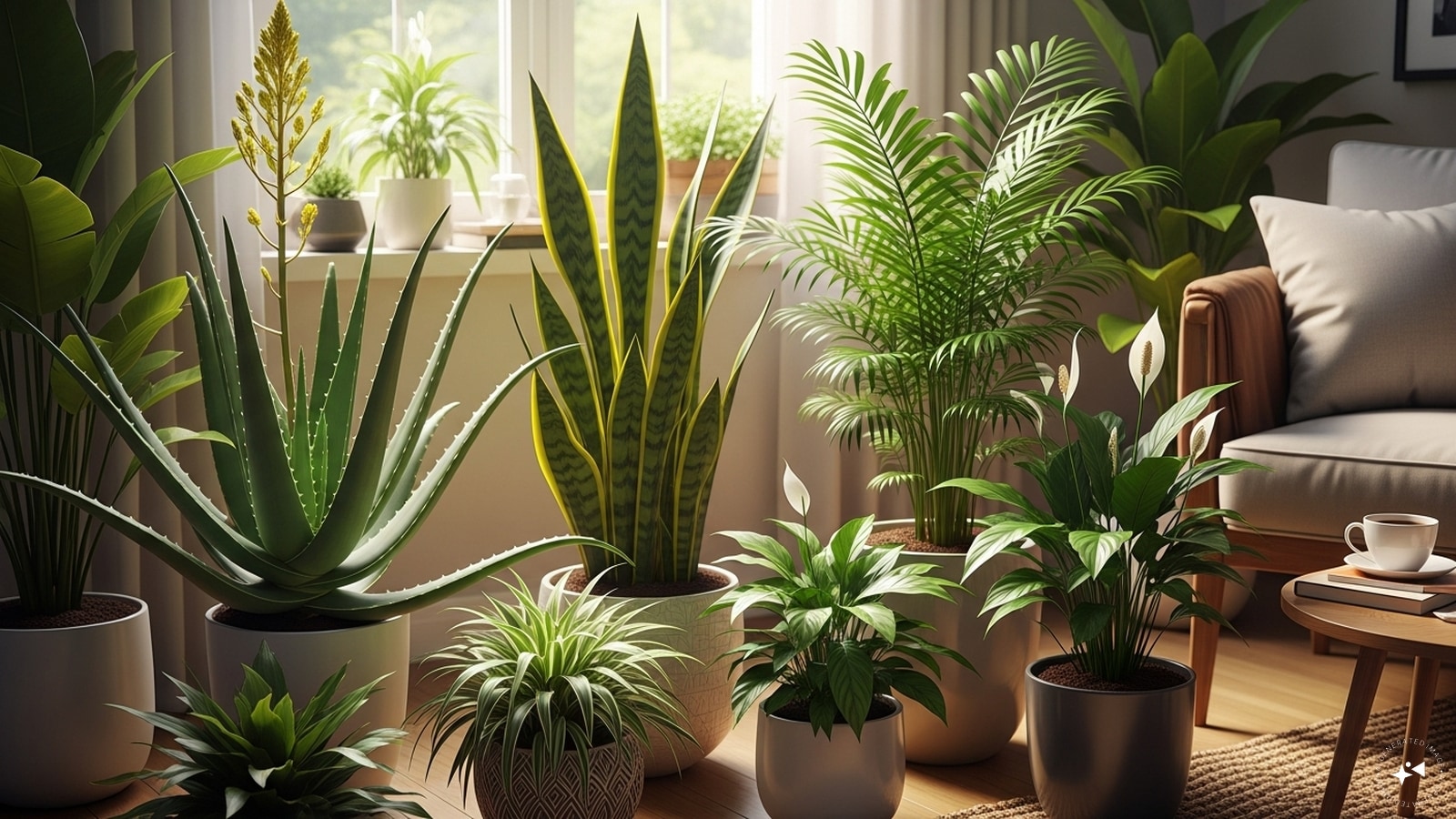
Add Indoor Plants
Houseplants can help cool the surrounding air by releasing moisture through a process called transpiration. Plants like aloe vera, snake plant, areca palm, and peace lily are great indoor options that may also improve air quality.
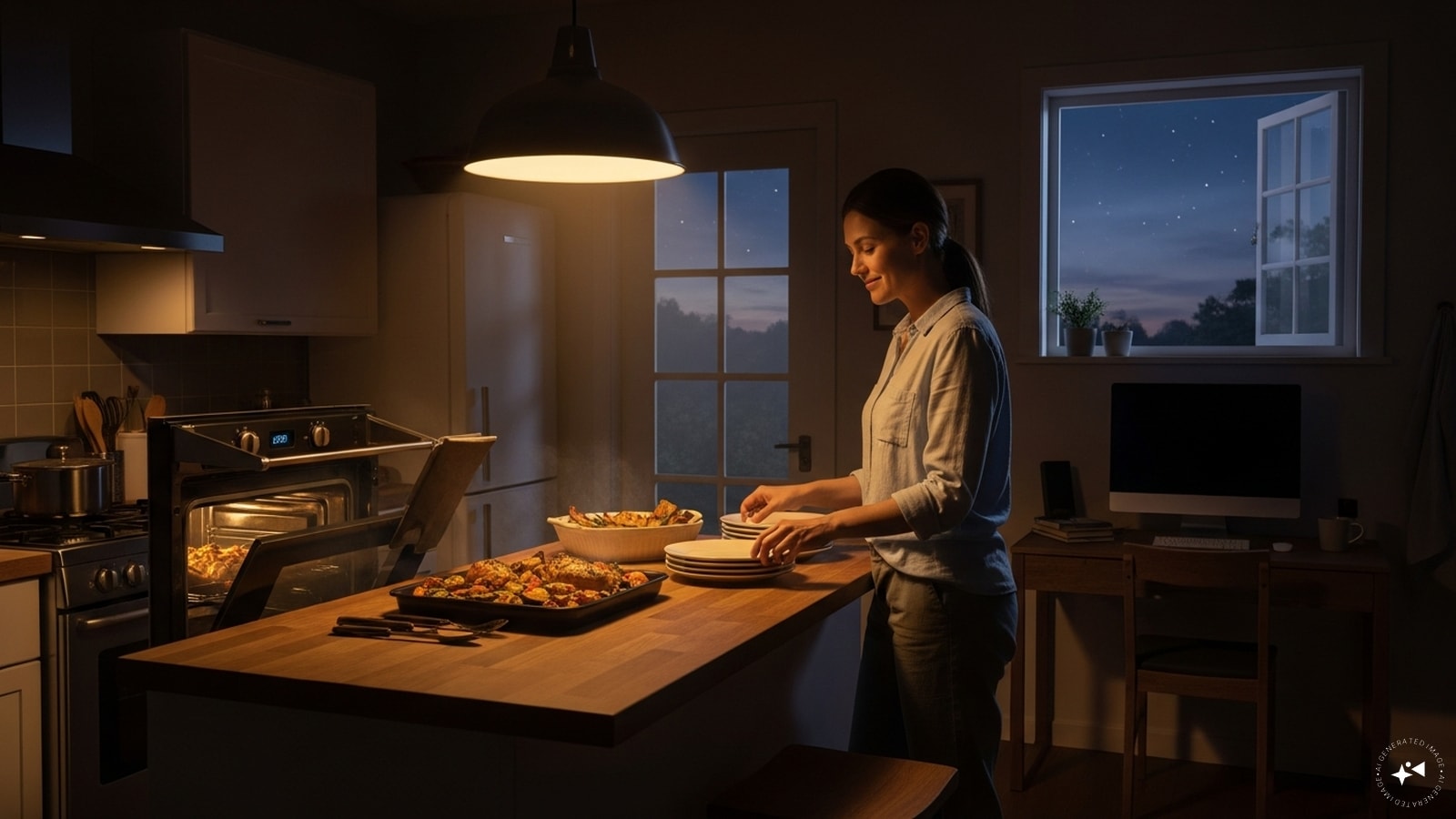
Reduce Heat from Appliances
Appliances like ovens, stoves, irons, and even computers release heat into your home. Try to avoid using heat-generating appliances during the hottest part of the day. Cook early in the morning or later in the evening when temperatures are lower.
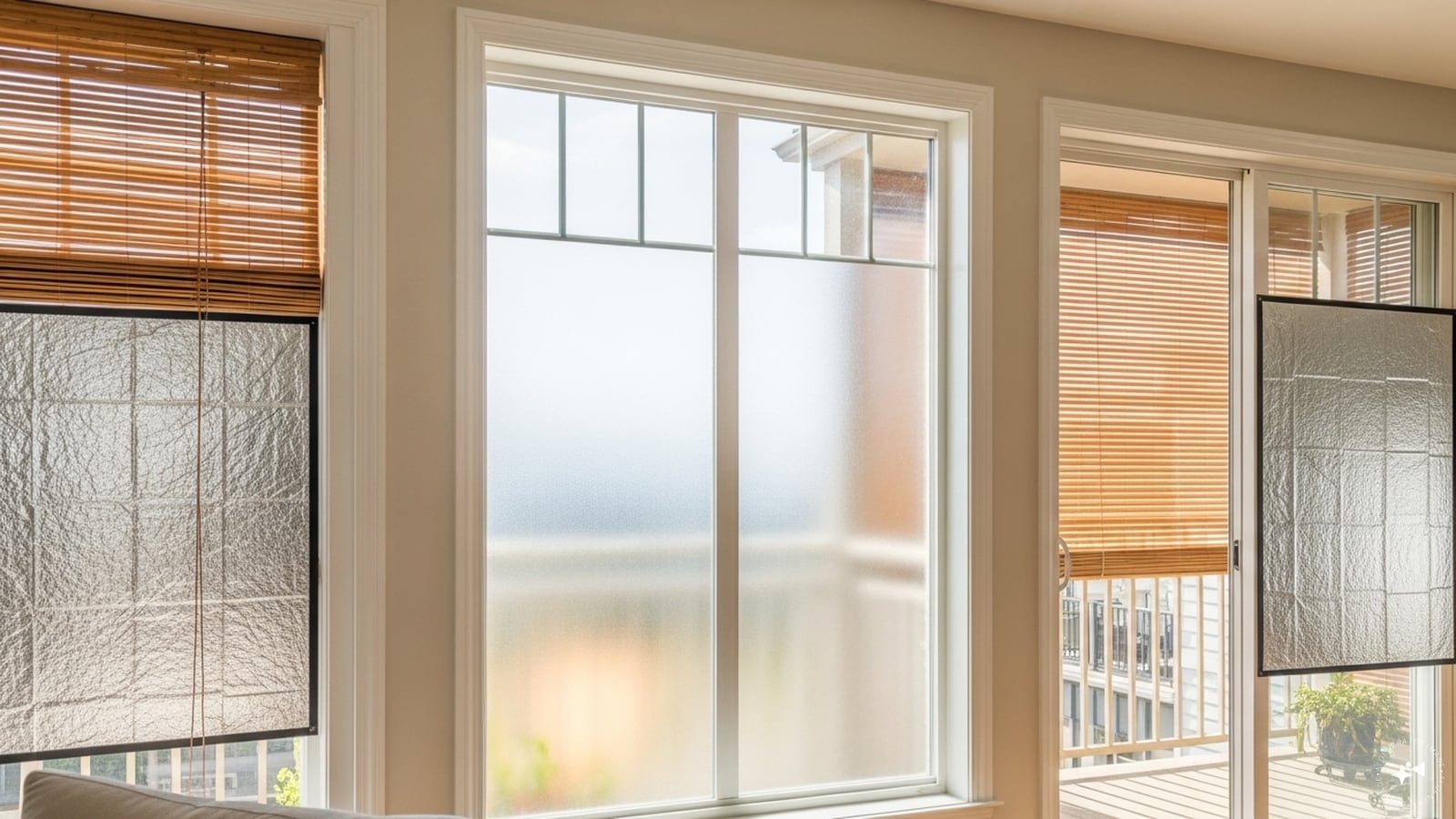
Install Window Films or Reflective Covers
Heat-control window films can reduce the amount of sunlight and heat entering your home while still allowing natural light in. Reflective sun shades or bamboo blinds on balconies and windows can also help block excess warmth.
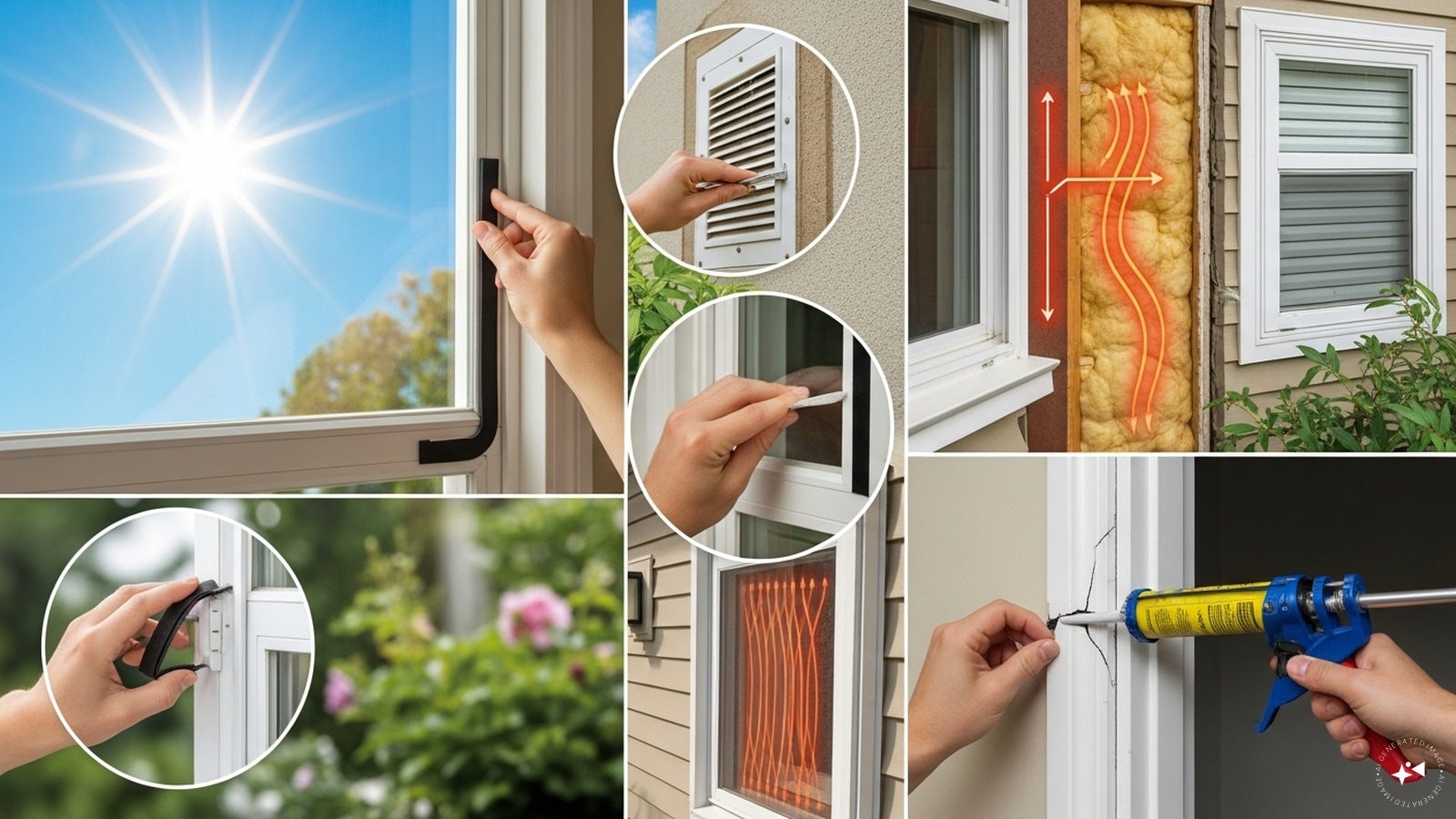
Seal Gaps and Insulate Properly
Hot air can sneak into your home through cracks around windows, doors, and vents. Sealing these gaps with weather stripping or caulk can help keep warm air out and cool air in. Proper insulation also prevents your home from heating up too quickly.
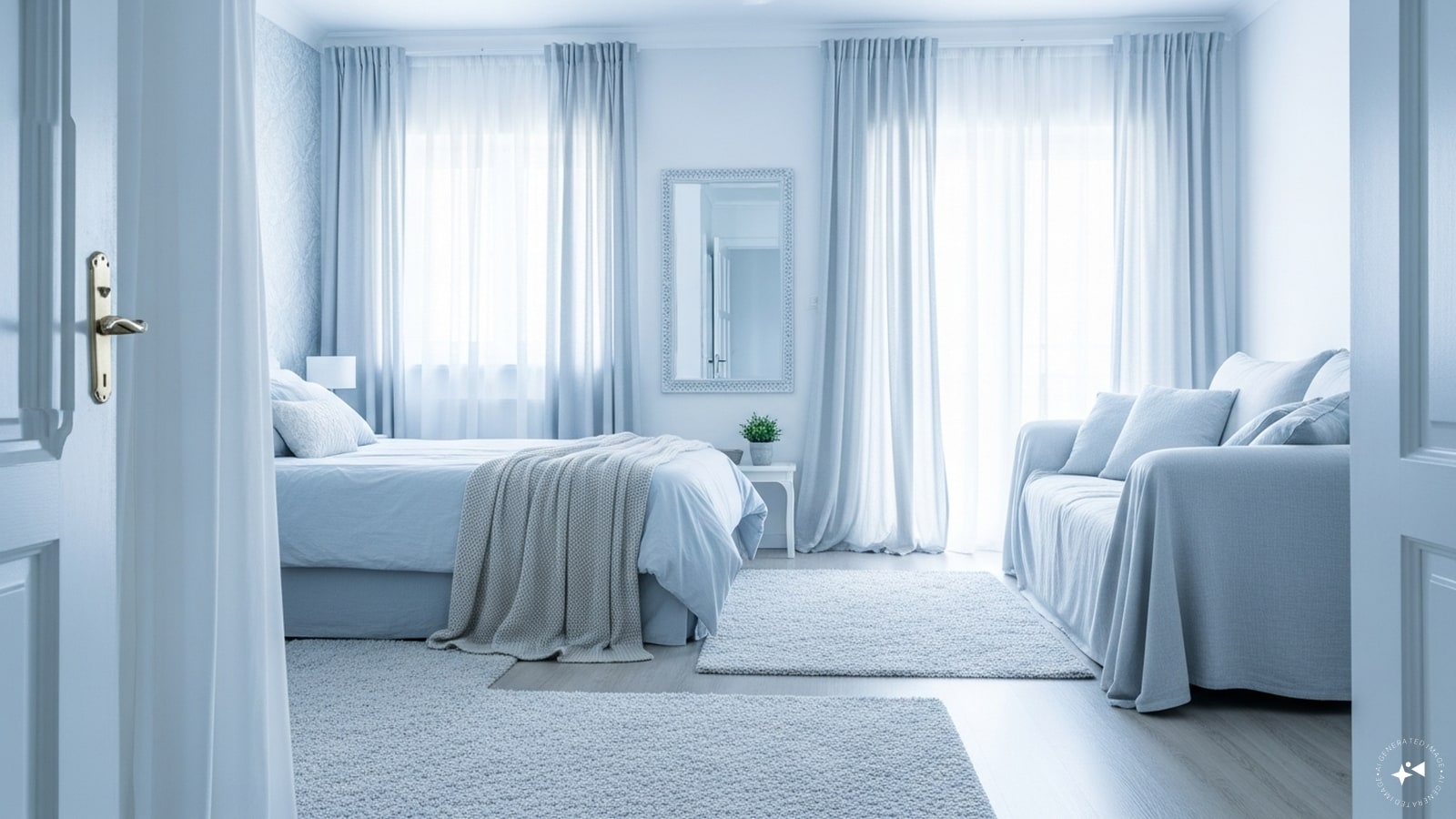
Use Light-Coloured Decor
Dark colours absorb more heat, while lighter shades reflect it. Switching to light-coloured bedsheets, curtains, rugs, and wall paint can subtly help maintain a cooler indoor atmosphere.
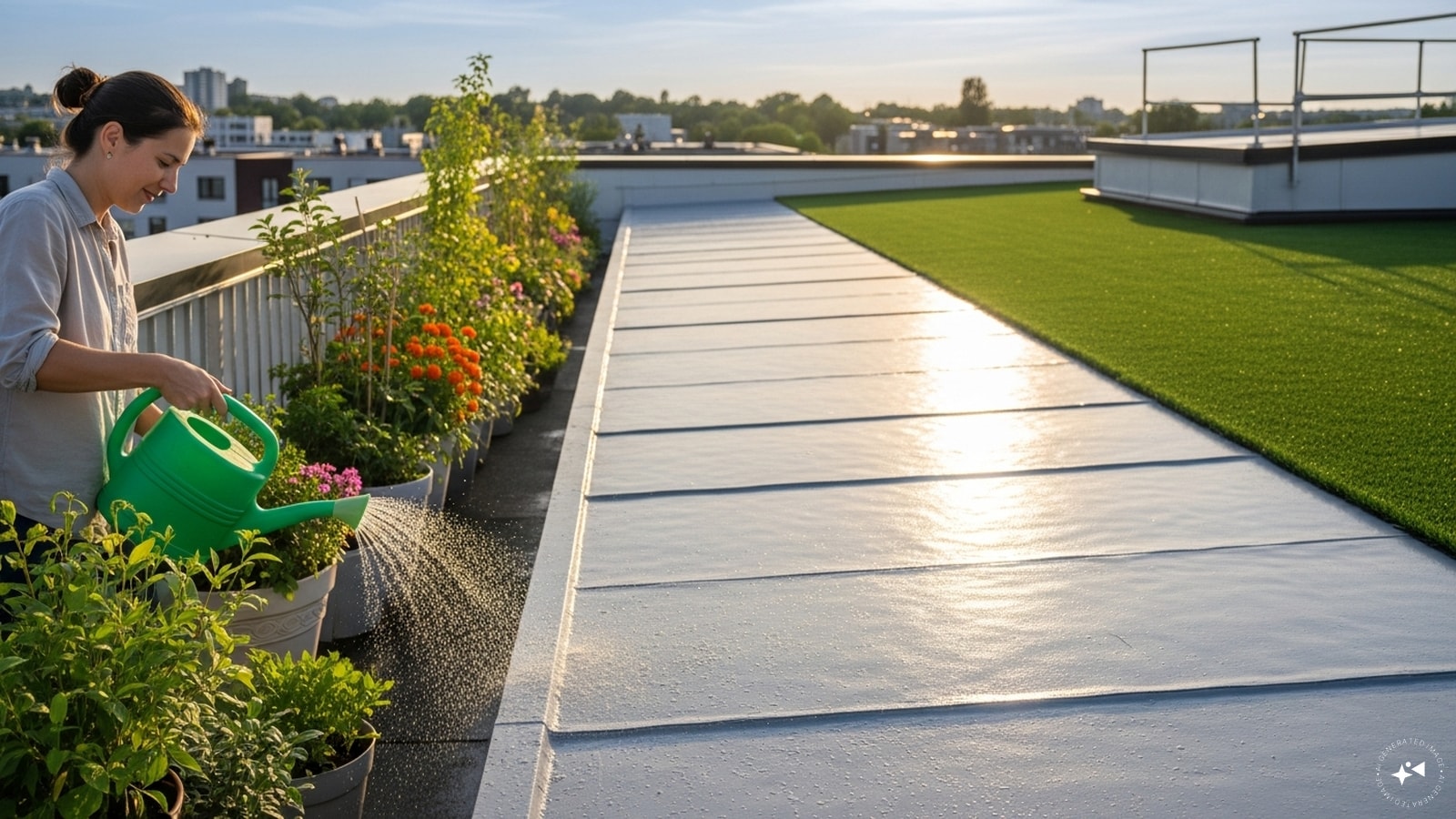
Cool Your Roof or Balcony
Roofs and balconies absorb a large amount of heat during summer. Watering the terrace in the evening, using cooling roof paint, or adding potted plants and grass mats can help reduce heat absorption and lower indoor temperatures.


