


How to wash your produce to fight cyclosporiasis


Cases of a diarrhea-causing parasitic infection are rapidly rising across the U.S., forcing warnings from experts about food safety.
Cyclosporiasis is typically spread by exposure to contaminated produce and public health officials believe some of the 7,000 cases nationwide were tied to lettuce.
The best way to stay safe is to avoid foods linked to an outbreak, or heat food to 158 degrees Fahrenheit which kills the cyclospora parasite.
Vigorously and carefully washing food can also help reduce the risk. However, some foods are easier to wash than others and how you do so matters.
“While washing alone may not fully eliminate cyclospora, it enhances protection when combined with cooking or peeling,” Michigan’s health department states.
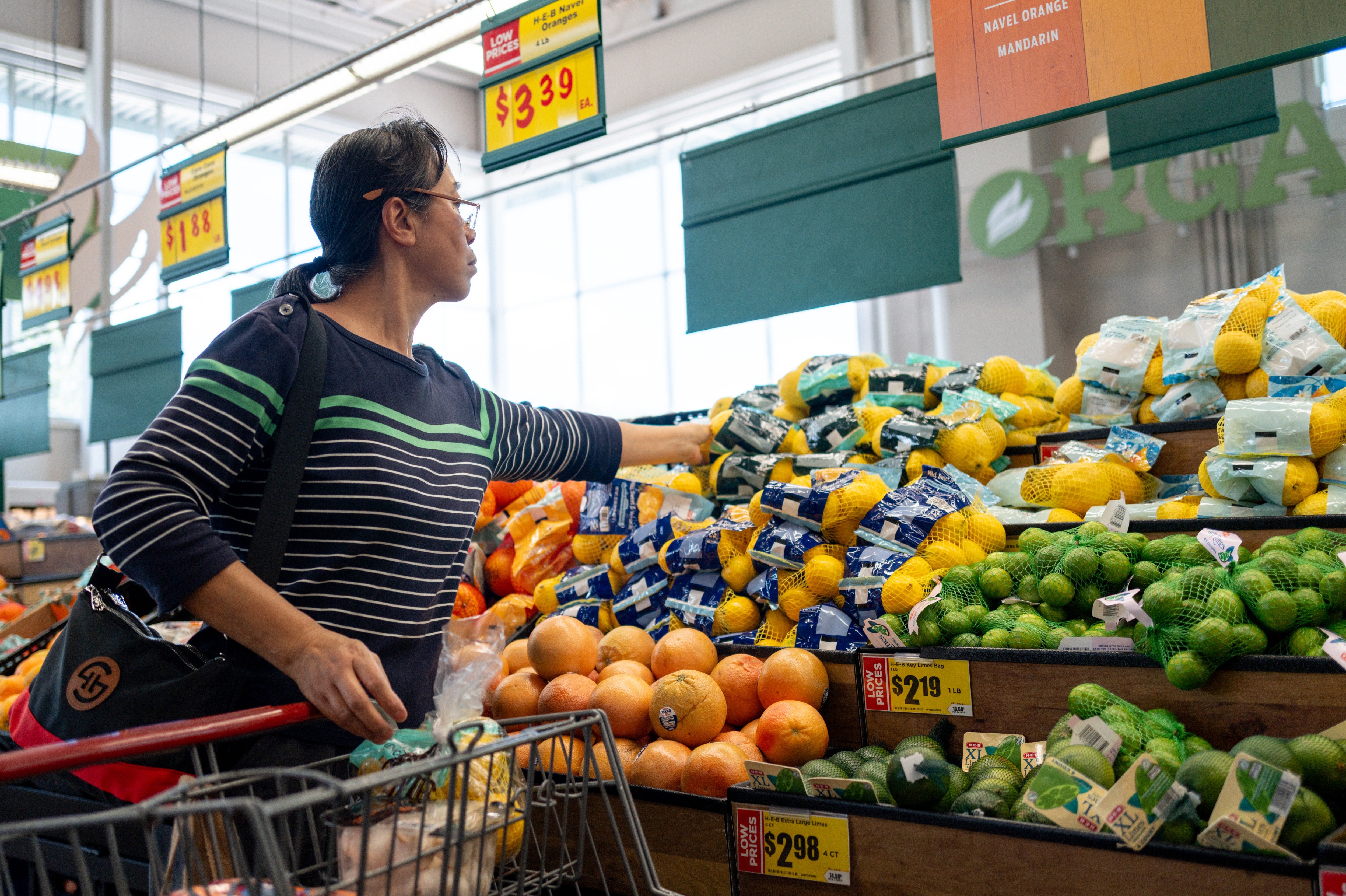
Buying food that’s prewashed does not guarantee safety, either, the department said.
Firm fruits and vegetables like melons, potatoes and cucumbers, should be scrubbed hard using a clean vegetable brush under running water. Then do a final rinse.
That can help to remove dirt and germs from the surface, according to the Indiana Department of Health.
“Even if you plan to peel produce, germs on the outside can be transferred to the inside when you cut it,” the department cautioned.
For softer produce, such as stone fruits and tomatoes, rubbing under water is the way to go.
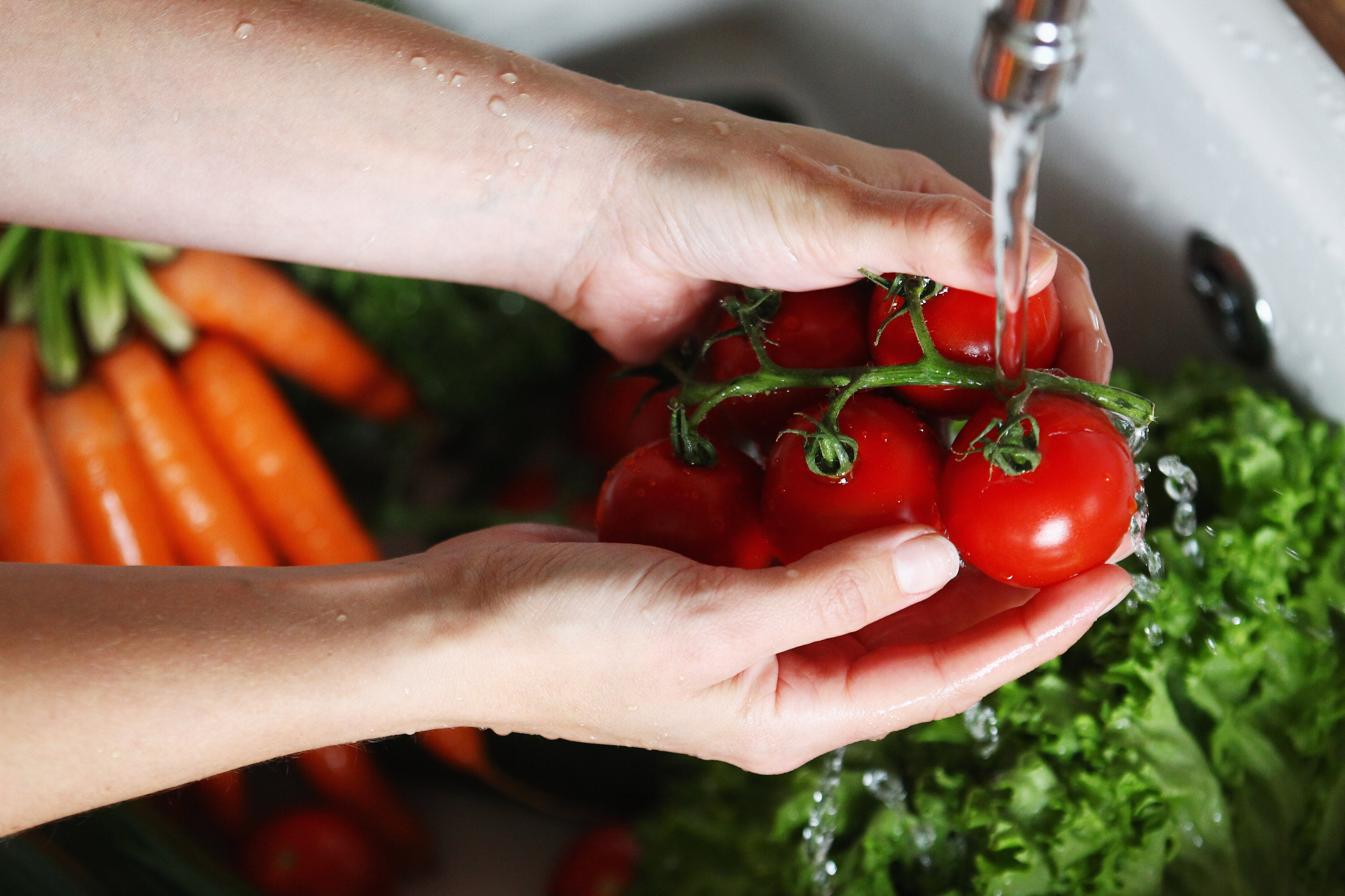
The outer layers of leafy greens or cabbage should be separated while washing, the Food and Drug Administration says.
“Food safety rarely depends on one perfect action. It depends on several layers of protection working together,” Darin Detwiler, a food safety expert at Northeastern University, told Good Housekeeping.
Soap, bleach, detergent or other household cleaners should never be used on fresh fruits and vegetables, Penn State University warns. They are not intended for use on foods and may leave harmful residues.
These cleaning agents are unable to affect the parasite’s protective outer layer, Don Stoeckel, an environmental biologist and special projects lead at Cornell Produce Safety Alliance, told The Washington Post.
“Likewise, vinegar, baking soda and commercial produce washes have not been shown to eliminate Cyclospora from contaminated produce,” it said.
Vinegar cannot eliminate the parasite but there is some research that showed a solution of vinegar and water helped to remove it from raspberries. Though, that could be because of the swishing motion they used and the same was not seen for blueberries, which only required water.


