


Is Your Child Lying Often? Psychology Says It May Affect Adulthood


A long-term studu, published in Development and Psychopathology, has shed light on how childhood lying habits may influence a person’s fuure, revealing that while occasional dishonesty is a normal part of growing up, persistent patterns of deception could signal deeper concerns. (Image: Pexels)
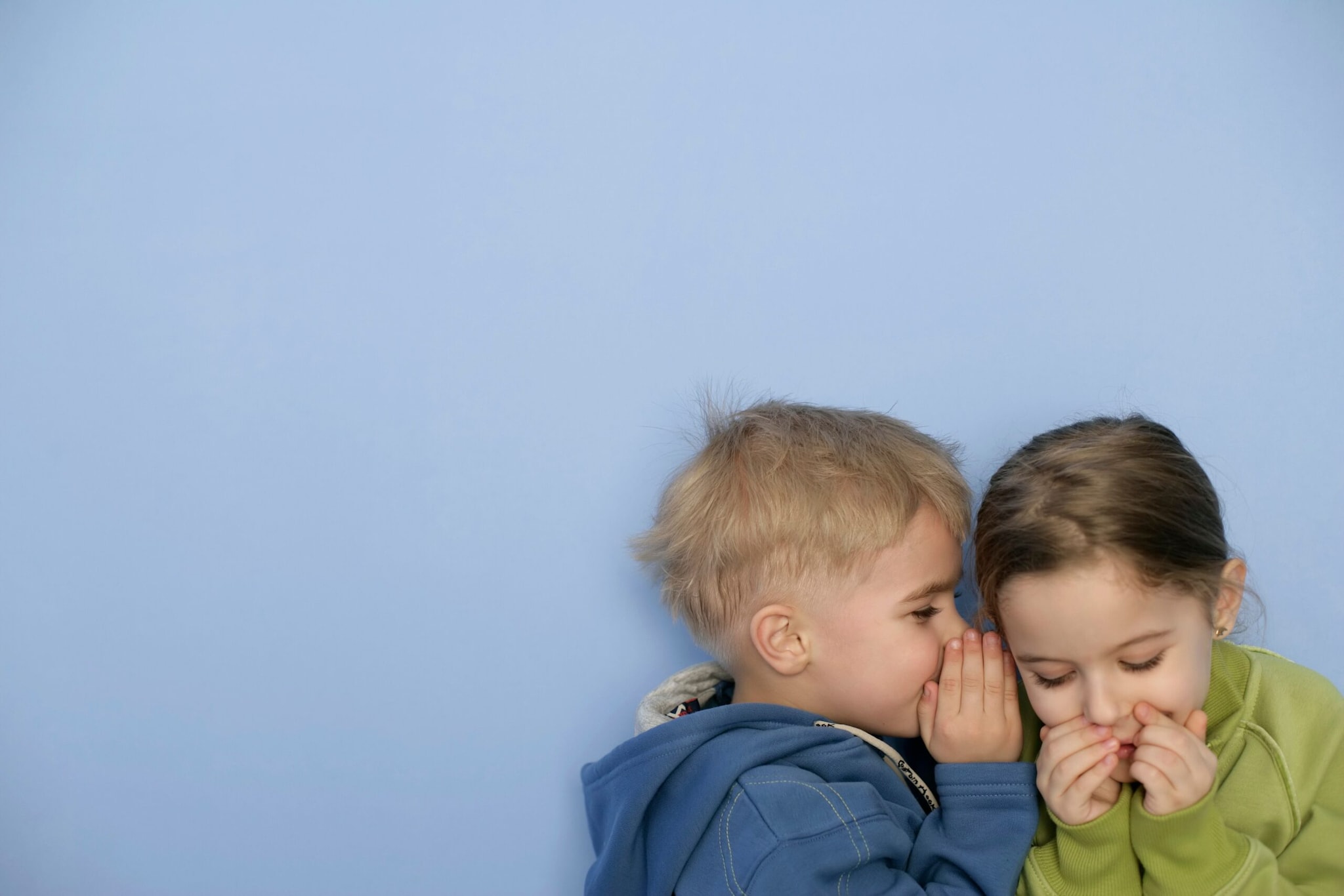
The research found that most children either lie very little or become more truthful as they age, and their behavious genrally do not translate into serious issues later in life. (Image: Pexels)

Nonetheless, a smaller group of children who consistently lied or became more deceptive over time were more likely to experience behavioural and social difficulties as adults. (Image: Pexels)

Researchers reportedly followed over 3000 children from Quebec, Canada, over a period of 16 years. The participants were first enrolled at around six years of age and were observed through childhood, adolescence and early adulthood. (Image: Pexels)

Throughout the study, parents and teachers regularly assessed the children’s tendency to lie, providing researchers with a unique opportunity to track how these behaviours evolved over time. (Image: Pexels)
The findings revealed that lying does not follow a single pattern. Most children displayed either low levels of dishonesty or a gradual decline in lying as they grew older. (Image: Pexels)
However, a smaller percentage showed persistent or increasing deceptive behaviour throughout their formative years. Researchers noted that children who belonged to these higher-risk groups often exhibited other behavioural challenges at an early age. (Image: Pexels)
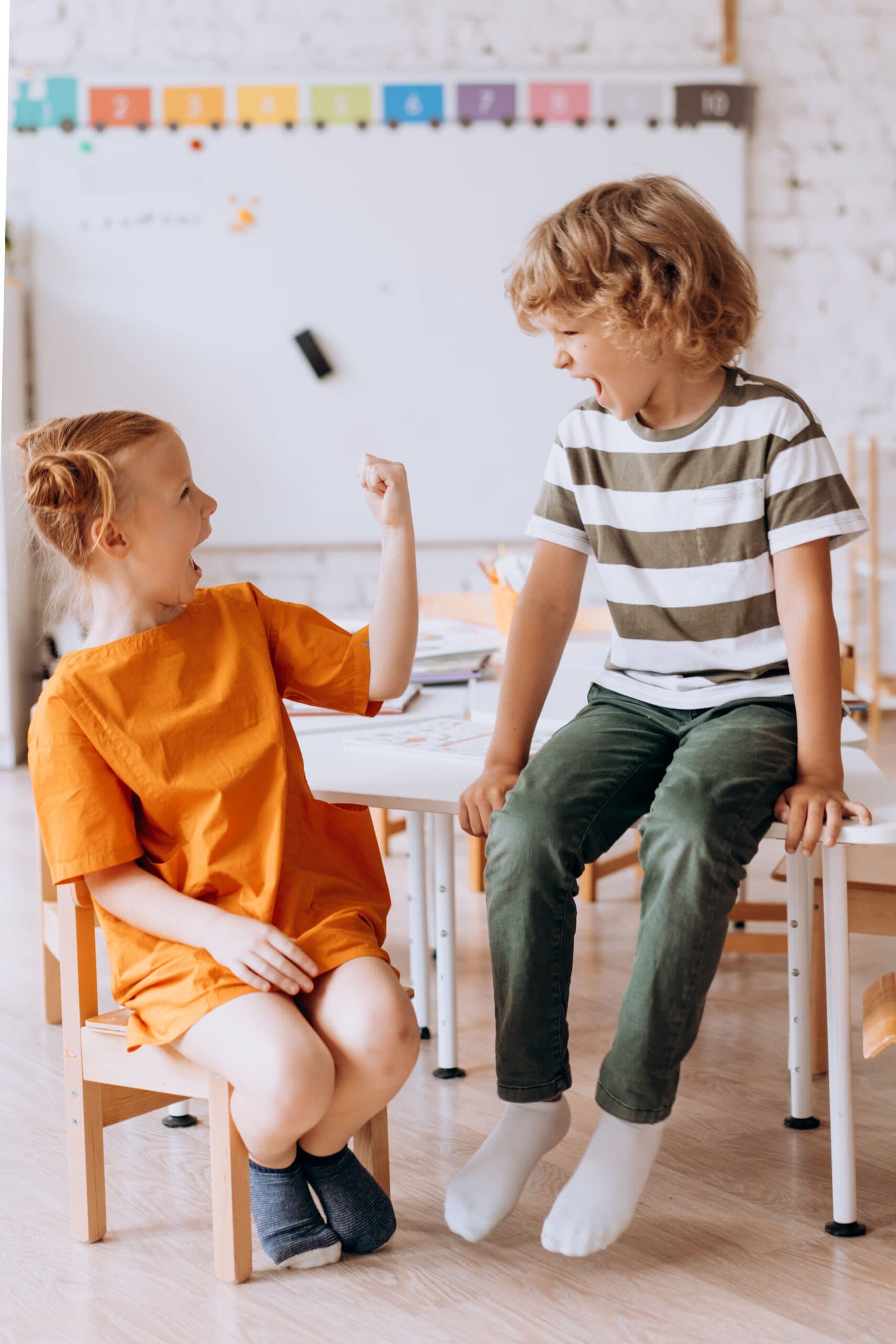
Traits like aggression and impulsivity appeared to play an important role. Children who were more aggressive during their early years or who frequently acted without thinking were more likely to fall into the groups characterised by frequent or increasing dishonesty. (Image: Pexels)

This suggests that lying may sometimes be part of a broader pattern of behavioural difficulties rather than an isolated habit. (Image: Pexels)


