


It’s a gardener’s dream flower. But could marigolds also be the next superfood?

.jpeg?trim=2%2C0%2C2%2C0&width=1200&height=800&crop=1200%3A800&ssl=1 "It’s a gardener’s dream flower. But could marigolds also be the next superfood?")
Marigolds – beloved by gardeners for their easy growing — could be the next big plant protein.
Just one of the vibrant orange blooms has nearly the same amount of protein as a cup of quinoa, according to a recent study from the University of Georgia, in addition to antioxidants, essential minerals and a high fiber content.
“Marigolds are unlikely to replace soy or pea protein tomorrow, but they could become a valuable specialty ingredient in future plant-based foods,” Diane McKay, an assistant professor at Tufts University, told The Independent in an email.
The flowers have traditionally been used in dyes for clothing and seasonings for chicken and rice dishes but McKay noted that the ingredient could slot easily into food manufacturing.
Calendula and certain Tagetes species of marigolds were part of the study because they are easily grown and edible species. Edible marigolds offer an umami flavor, which tastes rich and slightly savory, like licorice.
.jpeg)
The flower’s petals are already used in Indian cuisine, including in rose pudding and yellow curry dishes.
But marigolds could be added to more dishes including salads, garnishes for soups, or baked in breads. Extracted protein from marigolds decomposes at higher temperatures than other plant proteins, making them ideal for baking, the Georgia researchers noted.
The proteins can also help bind foods together, the study found, crucial for condiments and salad dressings.
“This means that marigold proteins could potentially be a more natural additive that replace some of the gums and other less desirable ingredients often used in vegan products to achieve optimal mouthfeel and texture,” registered dietitian Jenny Finke told The Independent.
But she doesn’t agree that marigolds are a significant enough source of protein to be deemed a superfood.
“One would need to consume a scary amount of marigolds for it to add a meaningful amount of protein to the diet,” Finke said.
Carbohydrates are the dominant macronutrient in marigolds, Dr. Tina Sindwani, a clinical assistant professor at NYU Grossman School of Medicine, said.
“Their nutritional value lies in micronutrient and antioxidant content, not in protein contribution,” she told The Independent. “For patients seeking plant-based protein sources, legumes, nuts, seeds and whole grains would be far more appropriate recommendations.”
Julia Zumpano, a registered dietitian at the Cleveland Clinic, suggests adding marigolds to chicken broth and vegetable stews.
“You could also steep 2-3 dried flower heads (or a teaspoon of loose petals) in boiling water for 5-8 minutes to make a soothing, honey-scented tea,” she said.
Cooking and processing the flowers can reduce any natural compounds, that could interfere with the body, to safe levels, notes Sindwani.
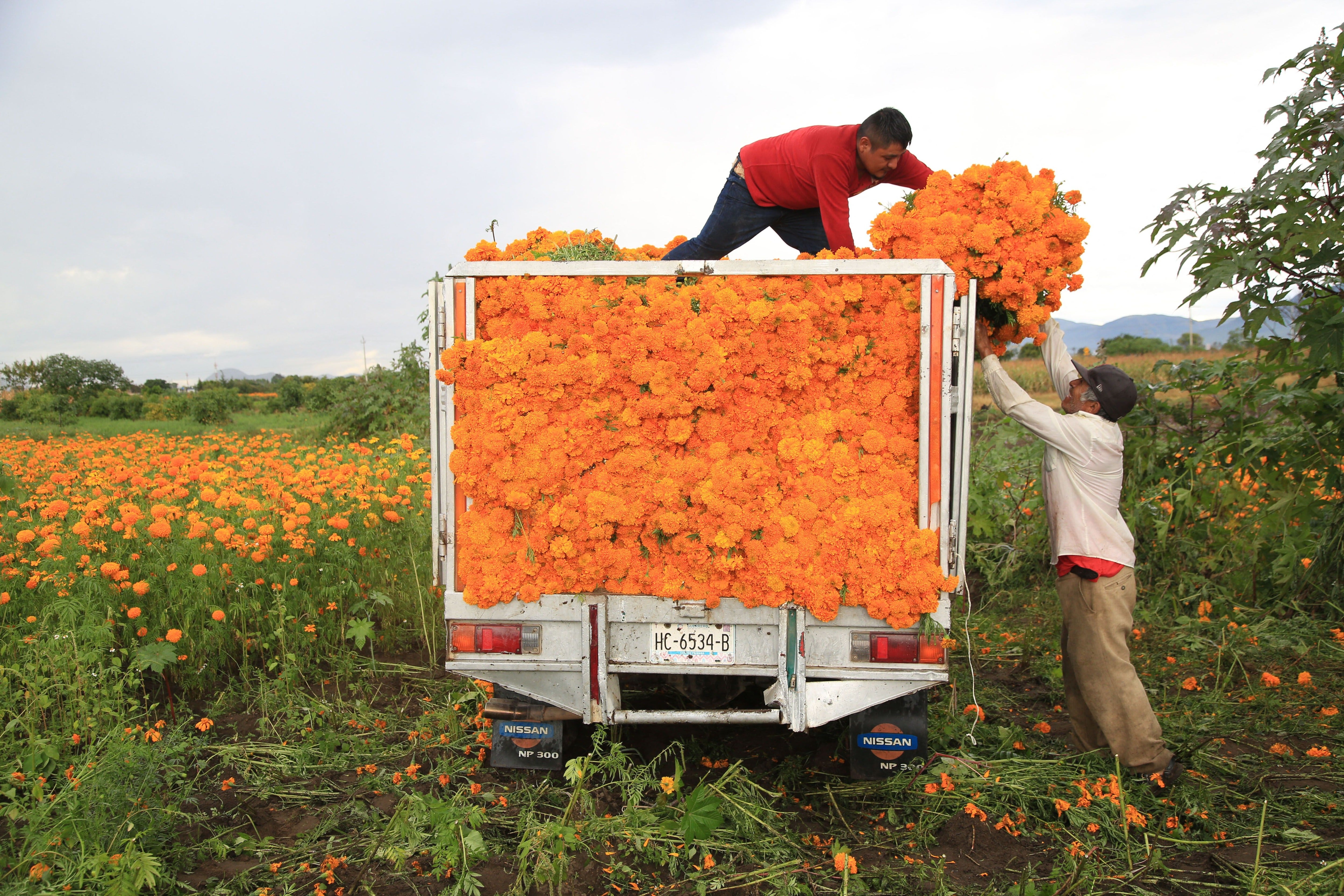
Though it appears that fresh marigold flowers are safe to eat, the dietitians said, they warned about the importance of avoiding pesticides. Marigolds purchased from standard flower shops and garden centers are treated with toxic insecticides.
Instead, people should buy food-grade flowers from suppliers or grow their own organic seeds. Calendula seeds sell for under $10 online and sprout within a week.
Zumpano also cautioned that people who suffer from ragweed, chamomile or echinacea allergies should avoid eating marigolds. All of the plants are all a part of the daisy family and eating them may trigger an allergic reaction.
People who are pregnant or nursing should also be cautious about consuming marigold teas, she said, as certain varieties can stimulate contractions.


