


Monsoon Health Guide: 8 Precautions People With Diabetes Should Follow During Rainy Season


The monsoon season has arrived, bringing cooler weather but also an increased risk of infections. Conditions such as colds, flu, dengue, malaria, typhoid and stomach infections become more common during this time. People living with diabetes need to take extra precautions to protect their health throughout the rainy season.
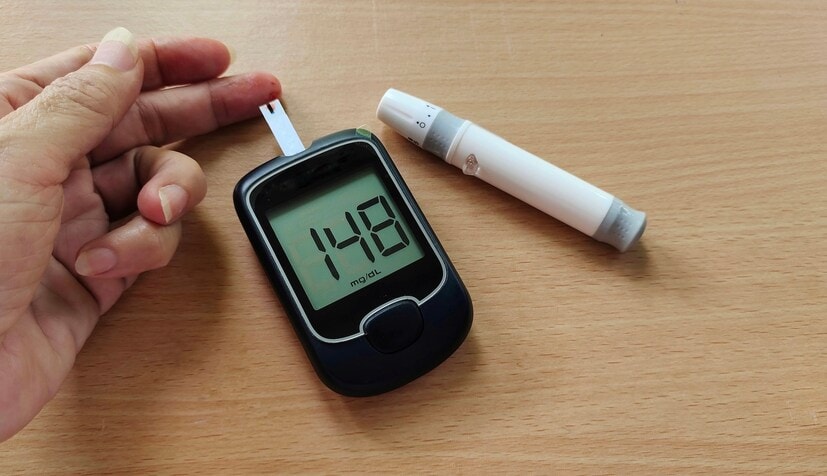
Diabetes is a lifelong condition that requires careful management. Poor blood sugar control can increase the risk of various health complications. Maintaining stable glucose levels is especially important during the monsoon, when infections and seasonal illnesses become more frequent.
The rainy season can be particularly challenging for people with diabetes. High humidity, fluctuating temperatures and stagnant water can create conditions that encourage the spread of infections. Taking preventive measures can help reduce health risks and support overall wellbeing.

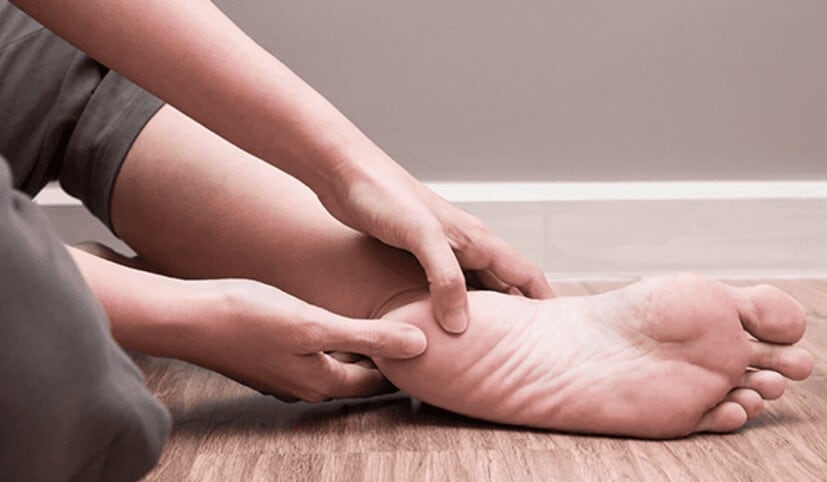
Humidity levels rise significantly during the monsoon, increasing the likelihood of bacterial and fungal infections. While many people can fight these infections naturally, those with diabetes may be more vulnerable. This makes foot care especially important during the rainy season.

Selecting appropriate footwear is one of the most important precautions for people with diabetes. Shoes should provide adequate protection and enough room for the toes. Since high blood sugar can affect circulation and damage nerves in the feet, choosing comfortable and protective footwear is essential.
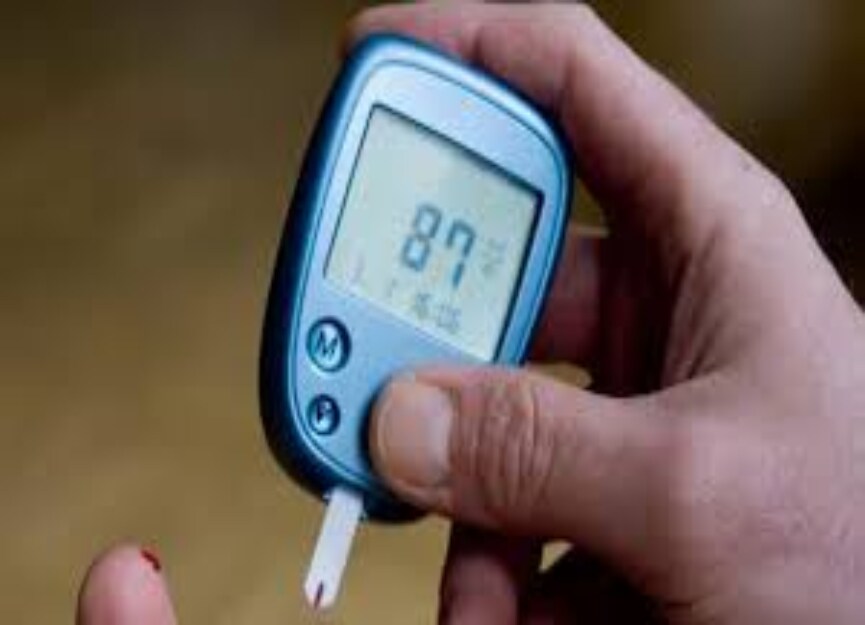
Keeping feet clean and dry can help prevent bacterial growth and infections. Wash your feet daily with warm water and soap, dry them thoroughly, and apply moisturiser as needed. Regular blood sugar monitoring is also important, as high glucose levels can reduce blood flow and cause numbness or tingling in the feet.
A balanced diet plays a key role in diabetes management. During the rainy season, it is advisable to eat freshly prepared home-cooked meals. Homemade food is generally cleaner, healthier and more nutritious. Including foods that support immunity may also be beneficial.
Because the air is more humid during the rainy season, you may not feel thirsty as often. However, it is still important to drink at least eight glasses of water a day. People with diabetes should ensure adequate hydration, and drinking lukewarm water may help reduce the risk of water-borne illnesses.
By following these precautions, people with diabetes can better protect their health during the monsoon season. (Disclaimer: This article is based on general information and is not a substitute for professional medical advice. Consult a healthcare professional before making any lifestyle changes.)


