


Parenting Tips: 5 Important Things You Should Teach Your Child Before They Turn 5


Why The First Five Years Matter
The first five years of a child’s life are a period of rapid growth and learning. During this time, children develop habits, values and social skills that often stay with them for life. While academics can come later, teaching basic life skills early can help children become more confident and independent.

Teach Them That Mistakes Are Okay
Many children become frustrated when they cannot do something perfectly. Help them understand that mistakes are a normal part of learning. Praising effort rather than just results can encourage resilience and a growth mindset from an early age.

Teach The Importance Of Listening
Listening is an essential life skill that supports learning and communication. Encourage children to pay attention when others are speaking, wait for their turn and follow simple instructions. Good listening habits can make school and social interactions much easier.

Teach Basic Independence
By age five, children can start learning small responsibilities such as putting away toys, washing their hands, carrying their water bottle or helping set the table. These tasks build confidence and teach them that they are capable of doing things on their own.

Teach Kindness And Empathy
Simple acts such as sharing toys, saying thank you and helping others can lay the foundation for empathy. Children who learn to consider other people’s feelings are more likely to build healthy friendships and develop strong social skills.
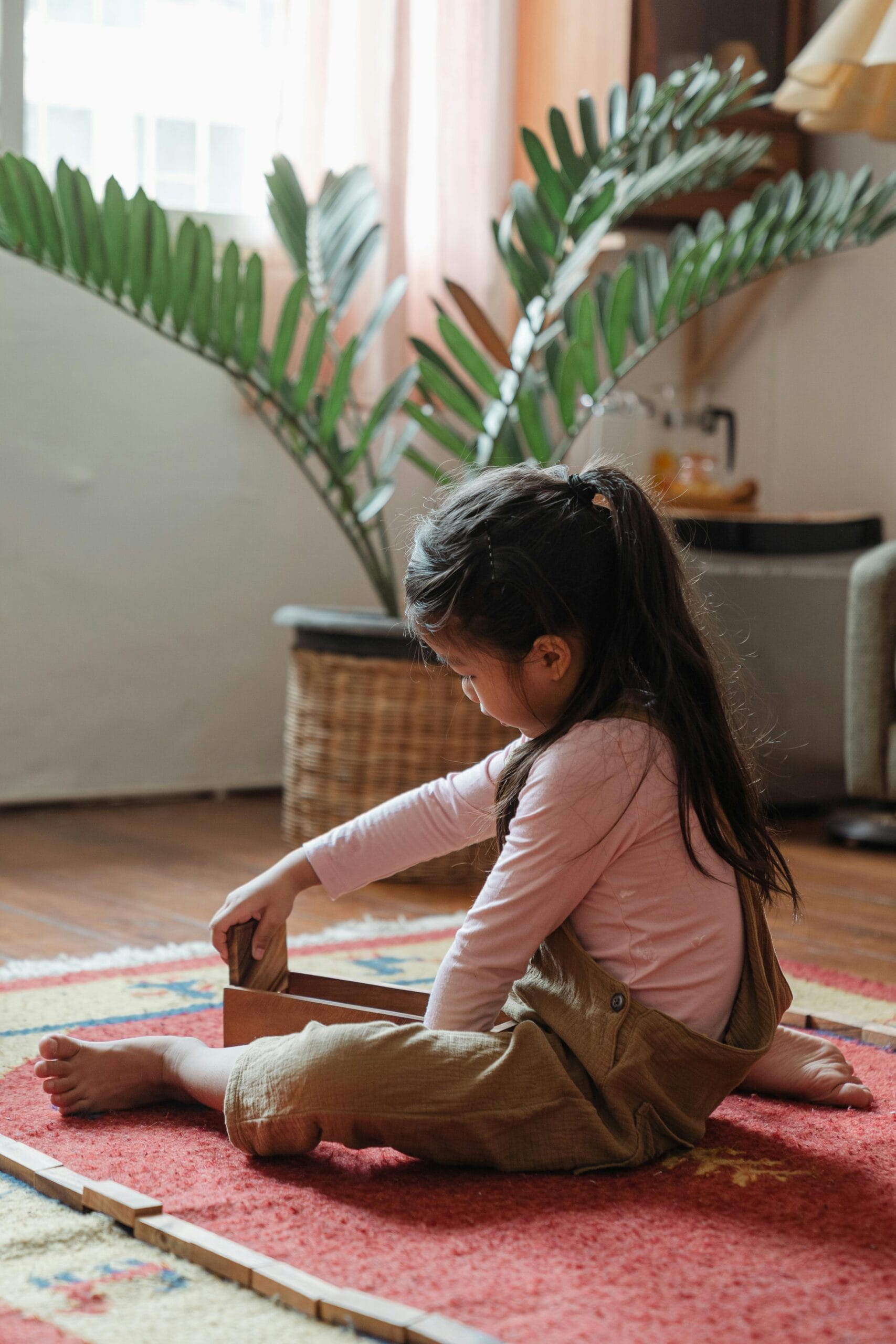
Teach Them To Express Their Feelings
Young children often struggle to understand and communicate emotions. Encourage them to use words like happy, sad, angry or scared instead of acting out. When children learn to identify their feelings, they are better equipped to manage them as they grow older.


