


Route 66 Turns 100 This Year: Fascinating Facts About America’s Legendary Highway


Few roads in the world are as famous as Route 66. Stretching across the United States from Chicago to Santa Monica, this historic highway has inspired books, songs, films and countless road trips. More than just a road, Route 66 became a symbol of freedom, hope and adventure. In 2026, the iconic route celebrates its 100th anniversary. To mark the occasion, here are some fascinating facts about the “Mother Road” that made it a global legend. (Image: Pexels)
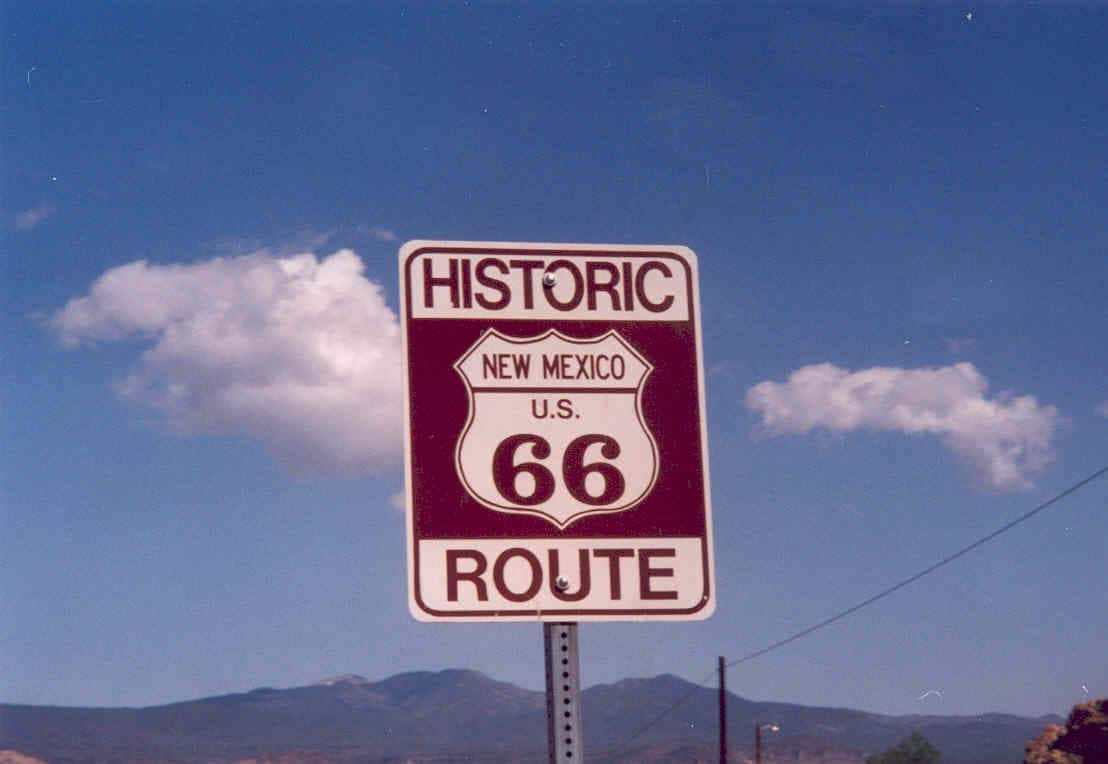
Route 66 was Officially Born in 1926
Route 66 was established on November 11, 1926, as part of the U.S. highway system. It was designed to connect small towns with major cities and make cross-country travel easier. (Image: Wikimedia Commons)
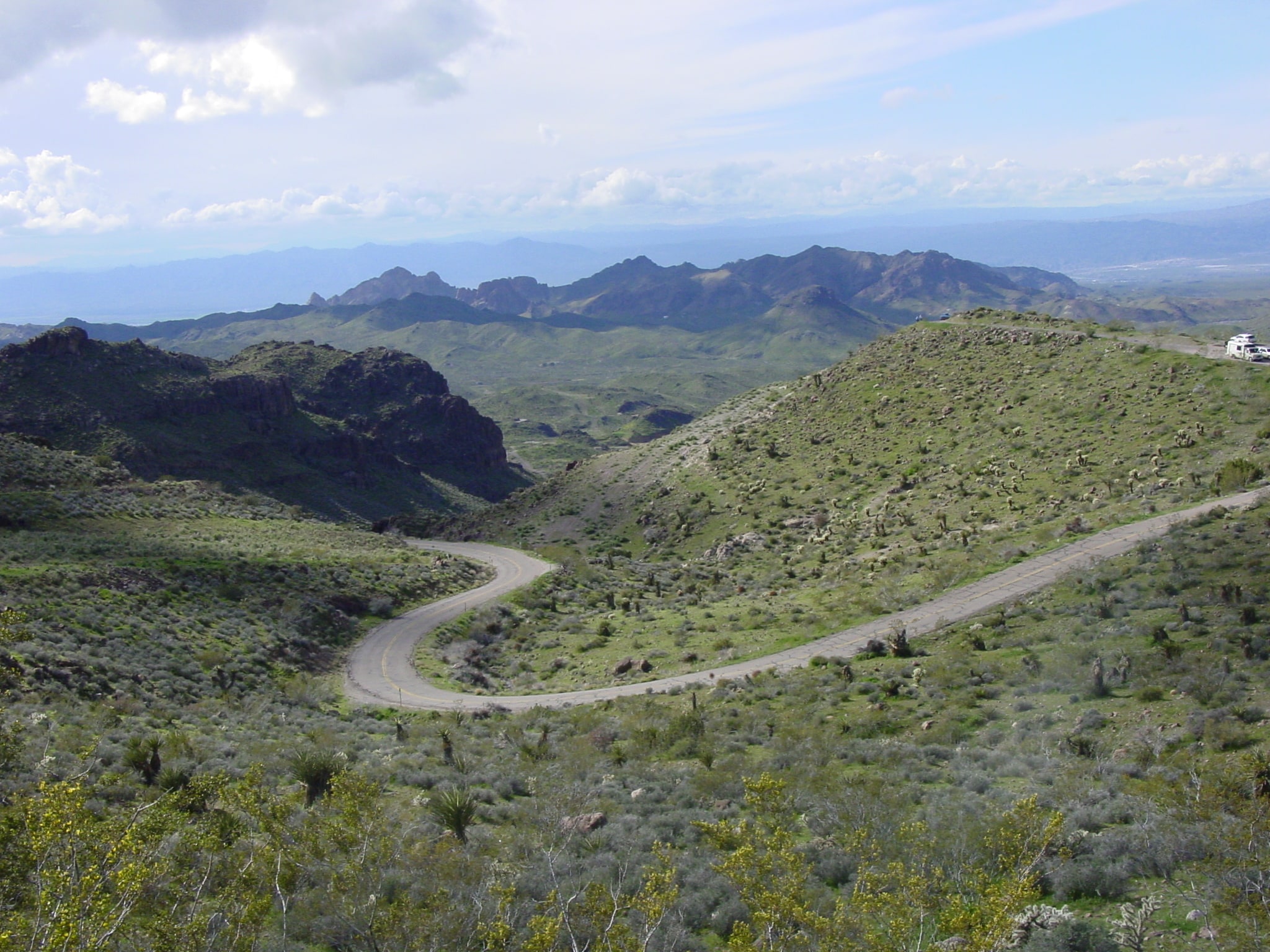
It Stretches Nearly 2,450 Miles
At its longest, Route 66 covered about 2,448 miles (roughly 3,940 km), linking Chicago to Santa Monica. The road crosses Illinois, Missouri, a small corner of Kansas, Oklahoma, Texas, New Mexico, Arizona and California. Only about 13 miles of the route run through Kansas. (Image: Wikimedia Commons)
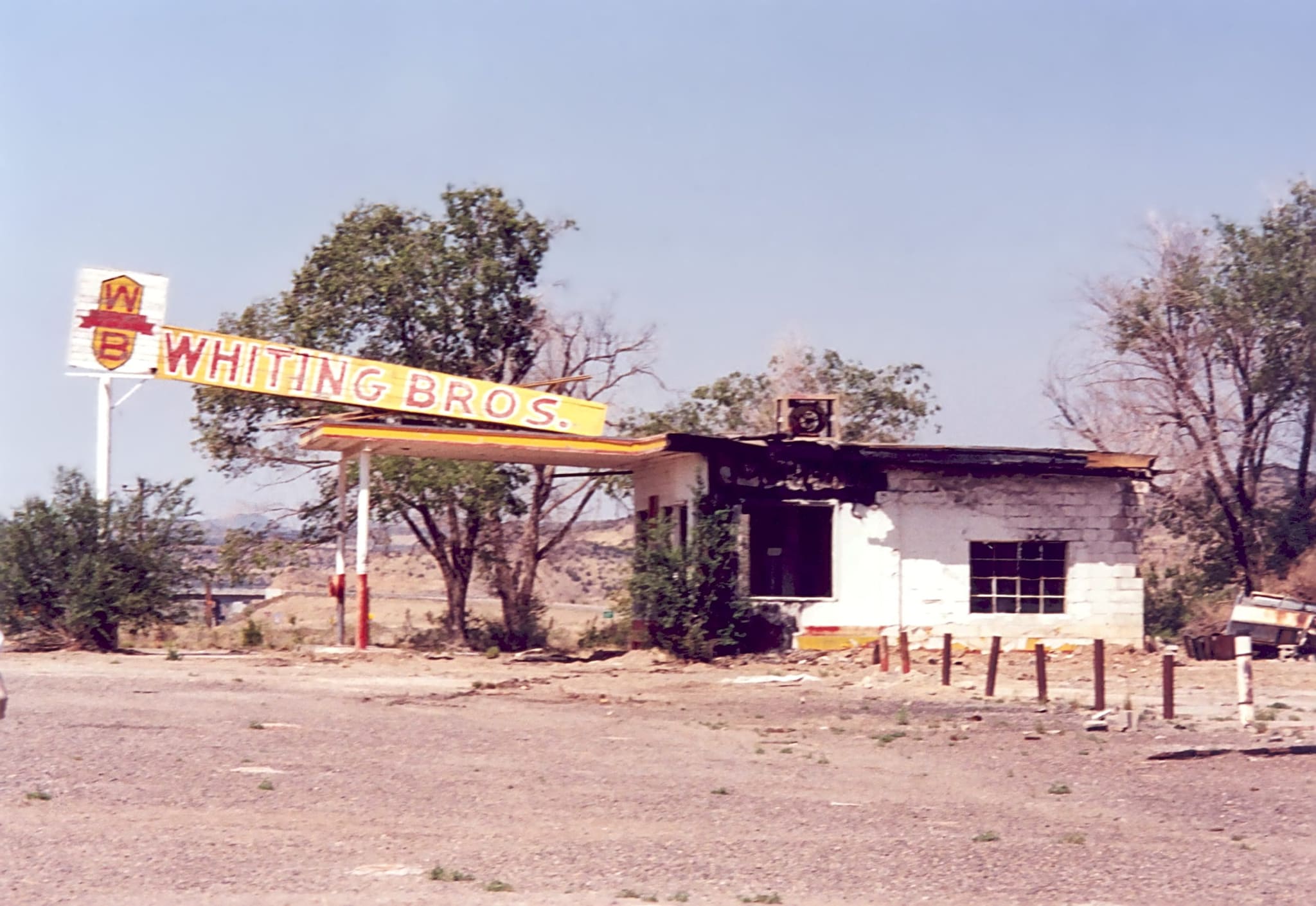
It Crosses Three Time Zones
Travellers on Route 66 move through the Central, Mountain and Pacific time zones during the journey. (Image: Wikimedia Commons)
Cyrus Avery is Known as The Father of Route 66
Businessman and highway advocate Cyrus Avery played a key role in creating the route and reportedly chose the easy-to-remember number 66. (Image: Wikimedia Commons)
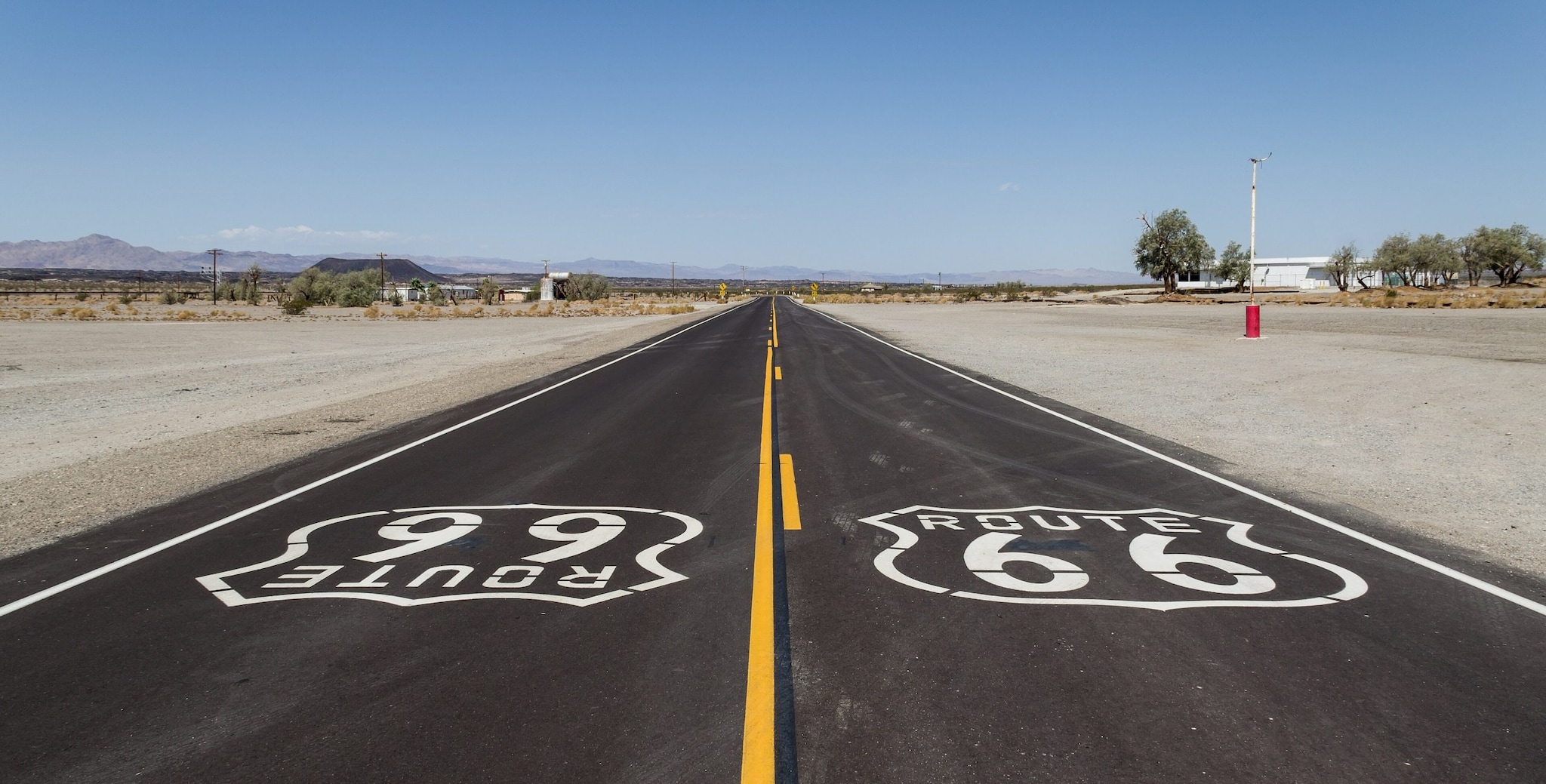
John Steinbeck Gave It The Name “Mother Road”
In his 1939 novel The Grapes of Wrath, author John Steinbeck referred to Route 66 as the “Mother Road,” a nickname that has endured ever since. (Image: Wikimedia Commons)
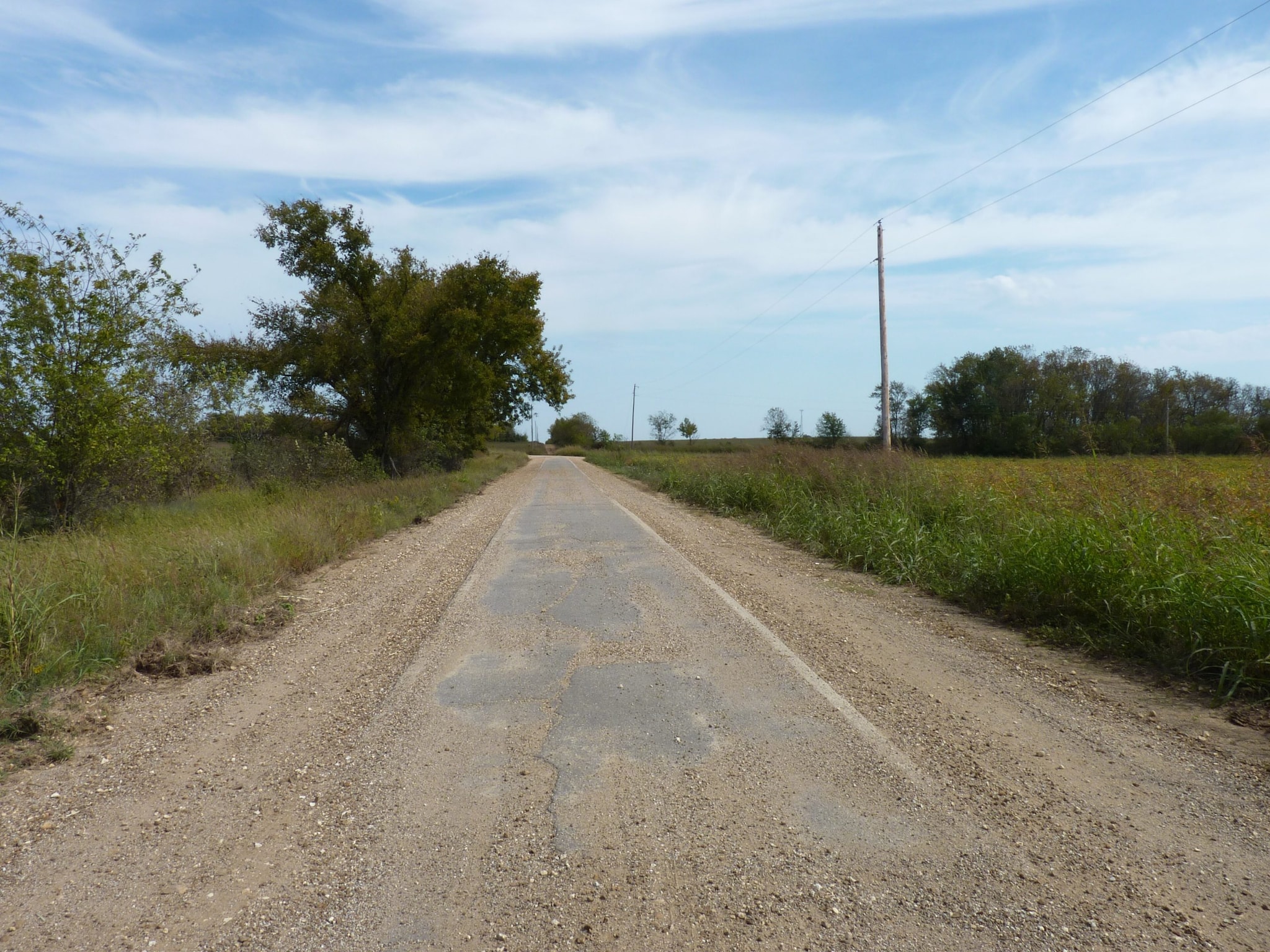
It Was A Lifeline During The Dust Bowl
In the 1930s, thousands of families escaping drought and poverty travelled west on Route 66 in search of work and a better life in California. (Image: Wikimedia Commons)
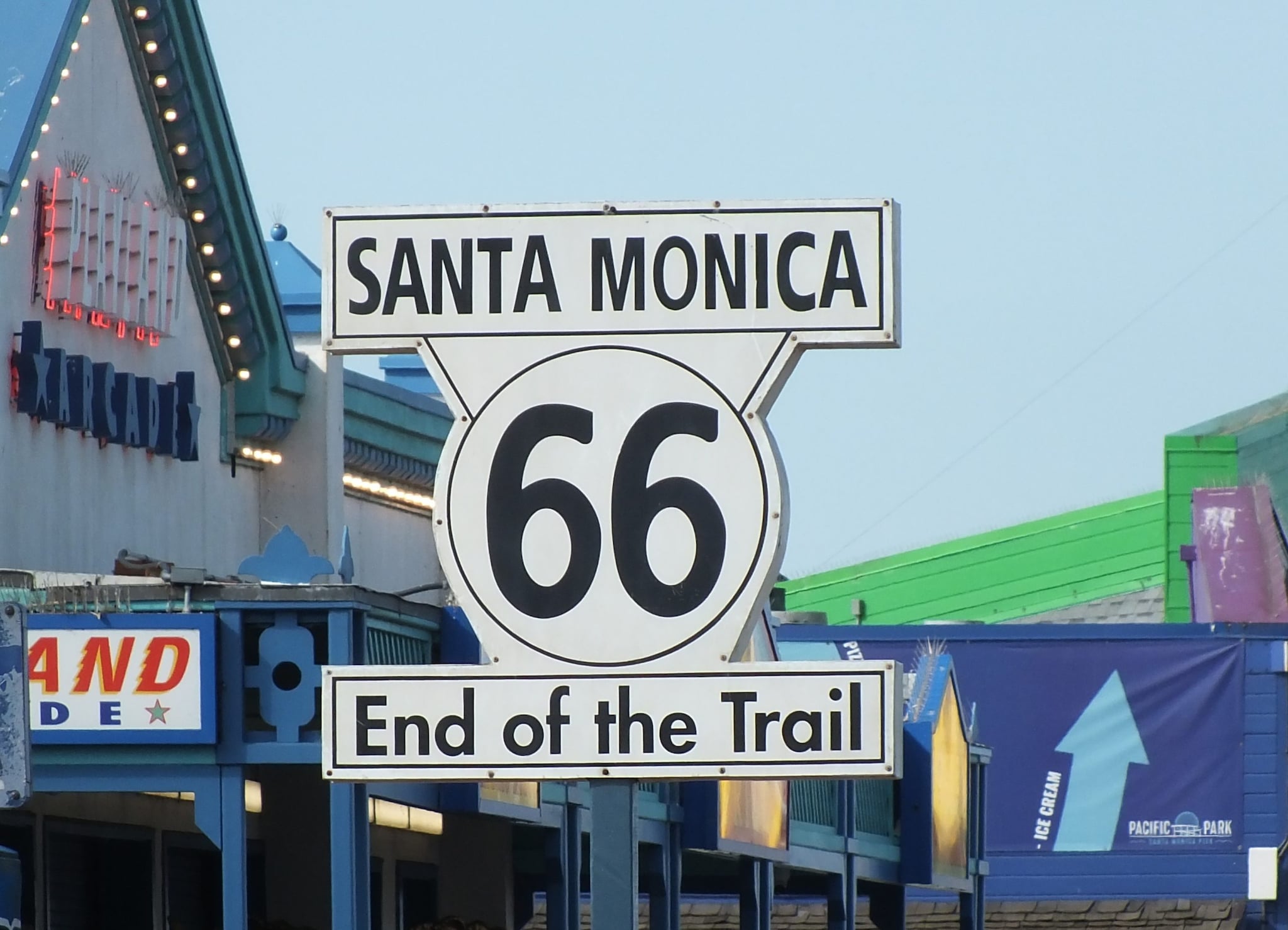
The Road Inspired A Famous Song
The jazz standard “(Get Your Kicks on) Route 66” helped turn the highway into a cultural icon. (Image: Wikimedia Commons)
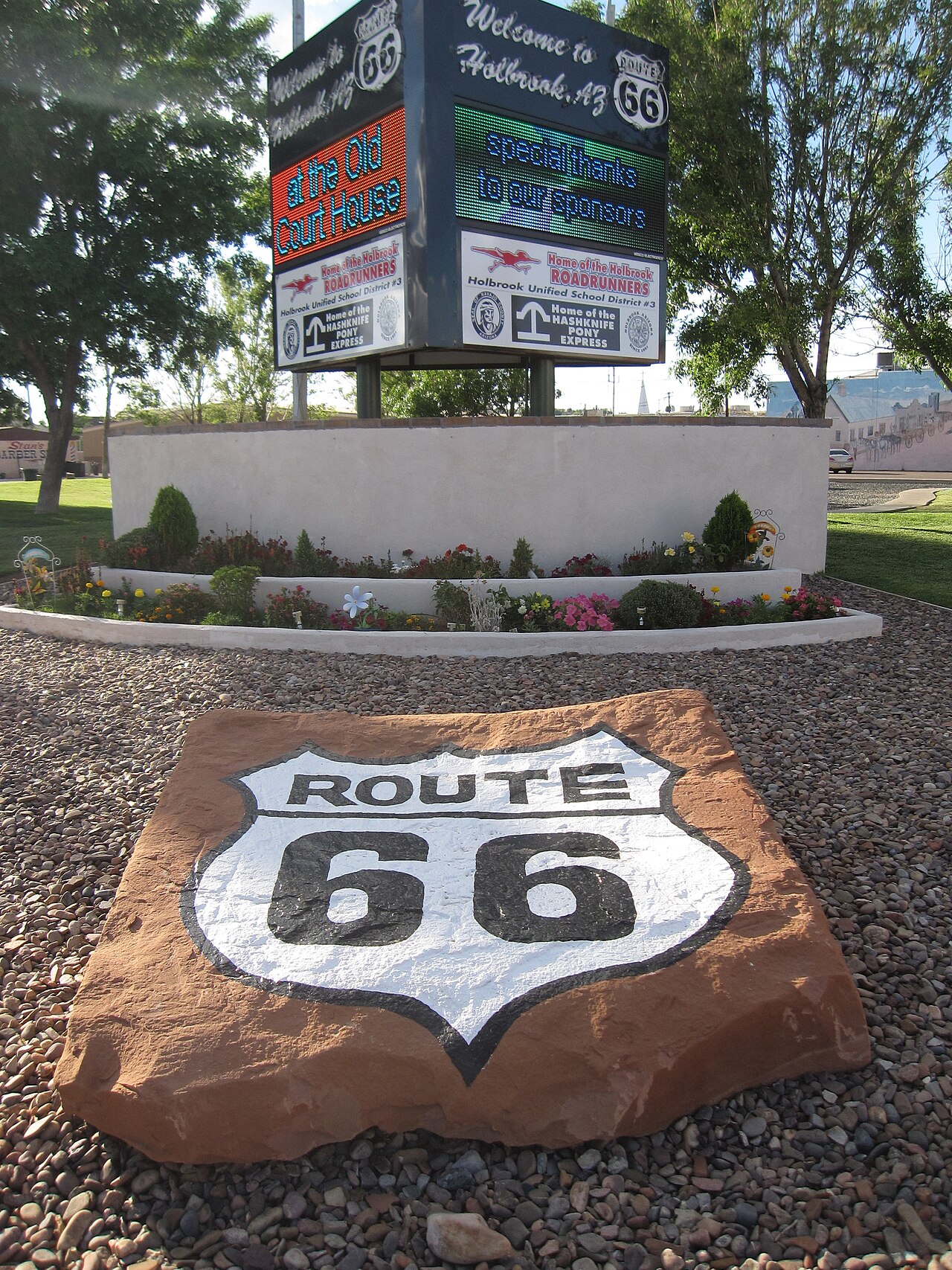
Route 66 Wasn’t Always Fully Paved
When it first opened, some sections were still dirt and gravel roads. The full route was paved only in 1938. (Image: Wikimedia Commons)
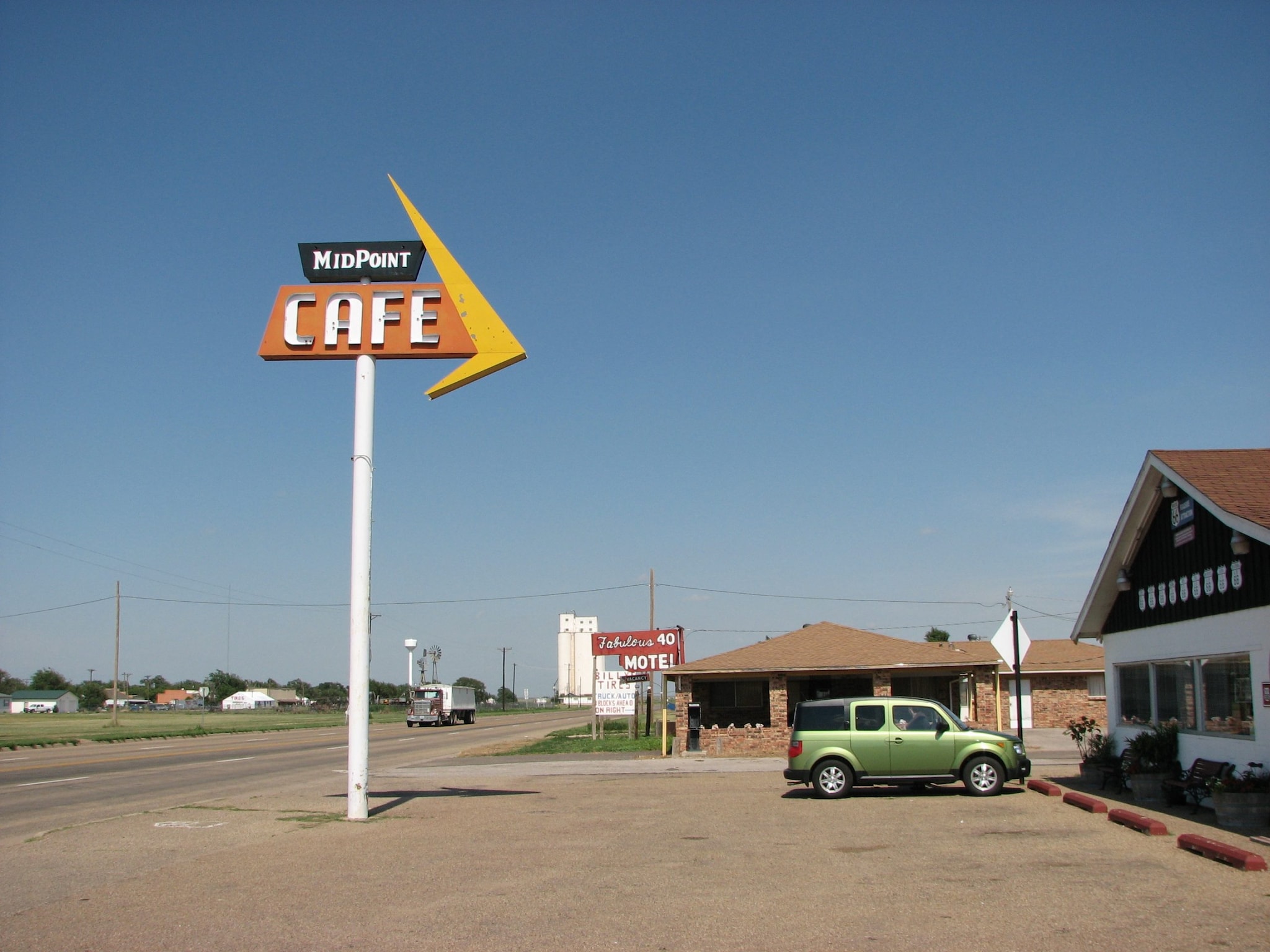
Santa Monica was Not The Original End Point
The highway initially ended in downtown Los Angeles. In 1936, it was extended to Santa Monica and the Pacific Ocean. (Image: Wikimedia Commons)
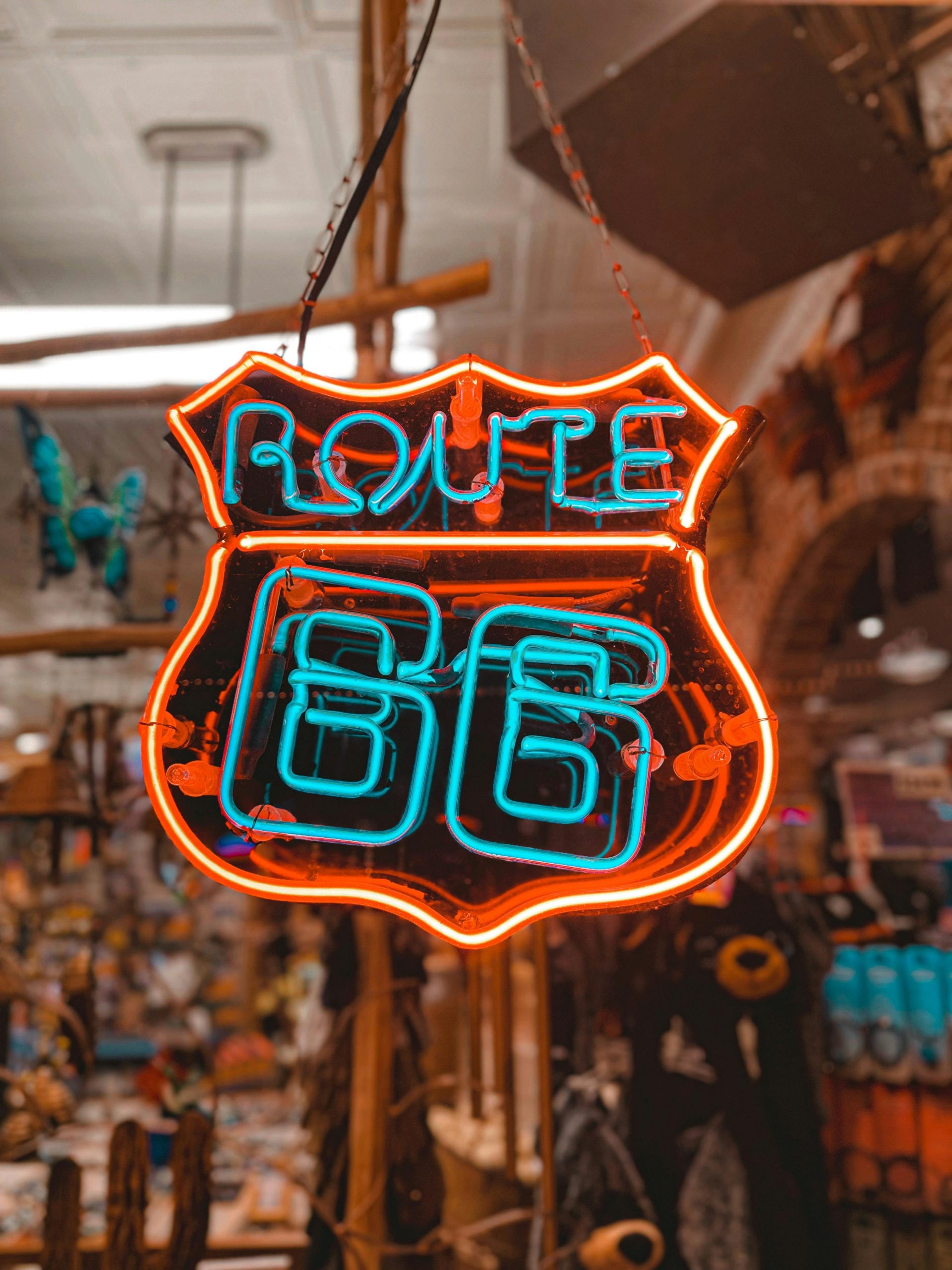
It Helped Shape American Roadside Culture
Classic diners, neon motels, quirky attractions and giant roadside signs all flourished along Route 66, creating the nostalgic Americana travellers still love today. (Image: Pexels)
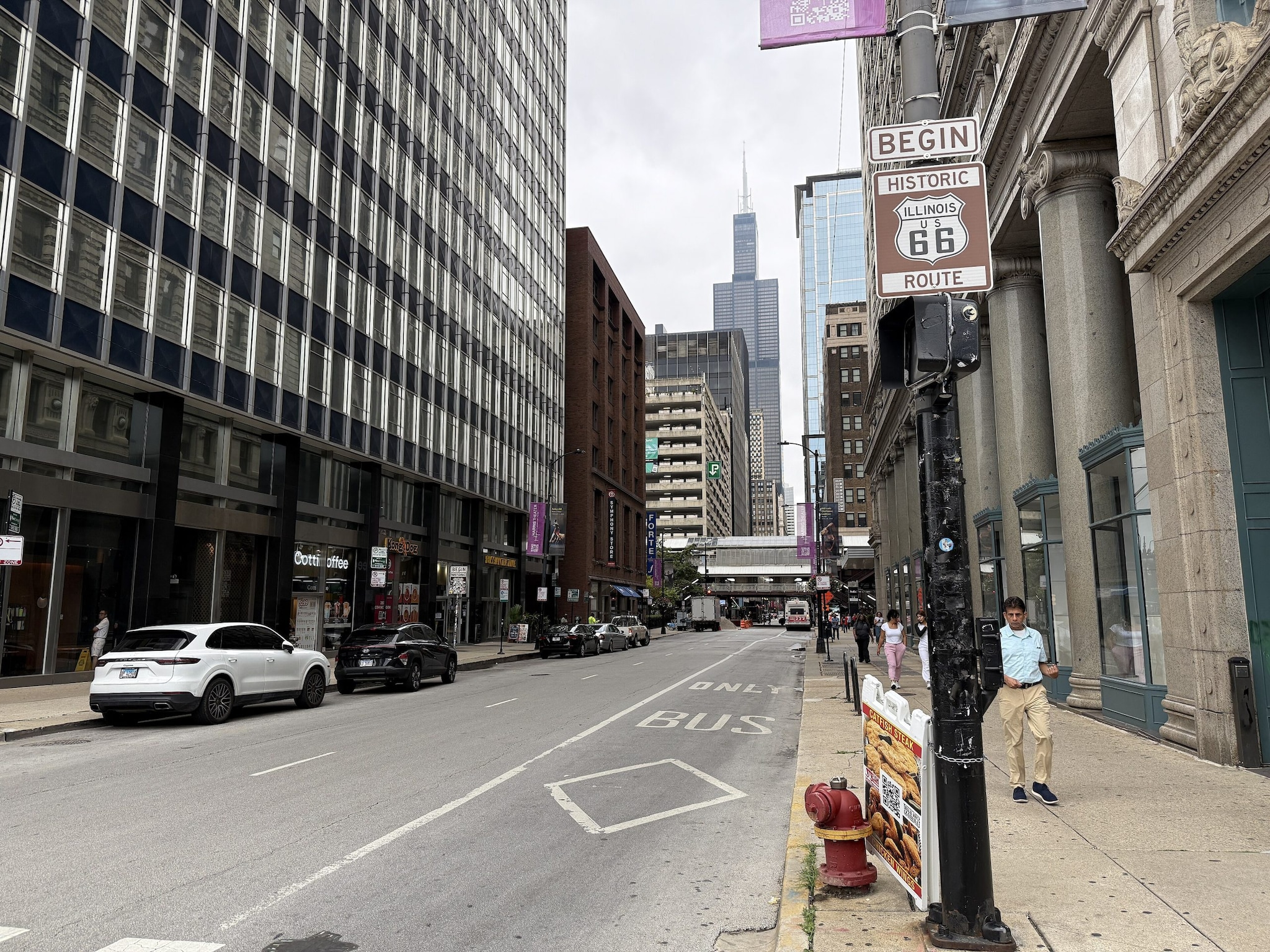
It Was Decommissioned in 1985
The rise of faster interstate highways led to Route 66 losing its official U.S. Highway status in 1985. But it never really disappeared; many stretches remain preserved as “Historic Route 66,” attracting millions of tourists from around the world. (Image: Wikimedia Commons)


