


Surya Grahan: When Is The Longest Solar Eclipse Of The 21st Century Set To Occur?


Last Updated:
This total solar eclipse will be the longest of the 21st century, visible mainly over Egypt, North Africa, the Middle East, Europe and Asia, with strong astrological significance.




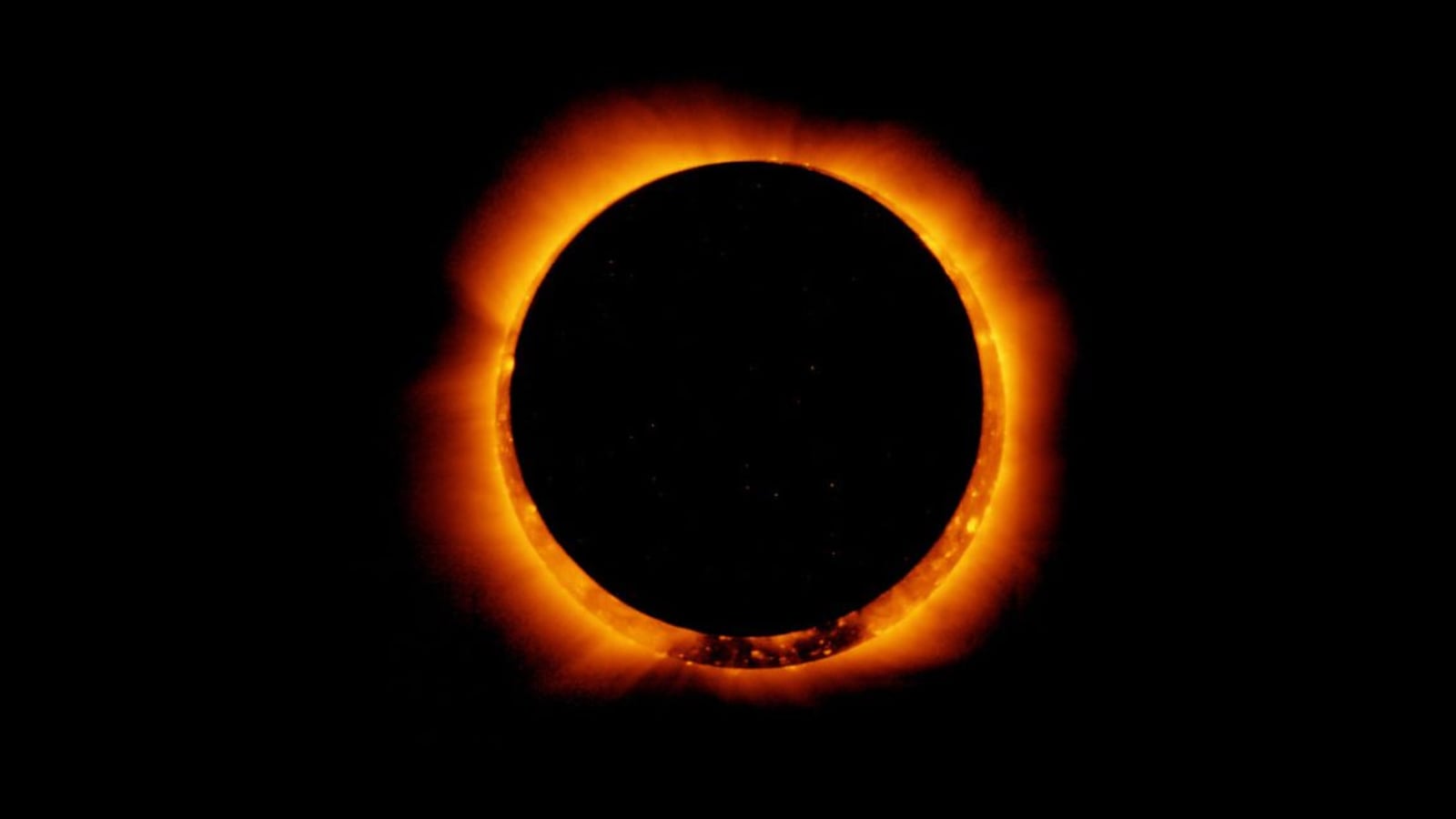
This total solar eclipse will have a maximum duration of 6 minutes and 23 seconds. (Representational image: Pexels)
The cosmos is preparing one of the most spectacular celestial events of our lifetime. Astrology enthusiasts, skywatchers, and spiritual seekers are already marking their calendars for what is being called the longest solar eclipse of the 21st century, a powerful total solar eclipse that promises to be a rare and transformative moment.
According to astronomical calculations, the longest solar eclipse of the 21st century is set to occur on August 2, 2027. This total solar eclipse will have a maximum duration of 6 minutes and 23 seconds — significantly longer than most eclipses, thanks to the Moon being relatively closer to Earth at that time, casting a wider shadow.
This event will stand out as the longest totality phase humans will witness in this century, creating a dramatic period of complete darkness during daytime in the path of totality.
Significance of the Solar Eclipse
In Vedic astrology, a total solar eclipse (Surya Grahan) is considered a highly potent event that can influence collective karma, personal transformations, and major shifts in global affairs. Many astrologers believe this long-duration eclipse, occurring in the peak of summer, will carry intense energy related to leadership, power structures, and personal rebirth. It is a time when the veil between the seen and unseen thins, making it ideal for reflection, meditation, and setting powerful intentions.
Where Will the Longest Eclipse Be Visible?
The path of totality for this historic eclipse will primarily pass over parts of North Africa (especially Egypt), the Middle East, and parts of Europe and Asia. Egypt, particularly areas around Luxor and the New Valley region, is expected to offer one of the best viewing experiences, with the full 6 minutes 23 seconds of totality visible in optimal locations.
In India, the eclipse will be visible only partially in some southern regions, while most parts of the country may not witness the full spectacle due to timing and visibility factors.
Other Major Eclipses to Watch in Coming Years
While 2027 holds the record for the longest total eclipse, skywatchers can look forward to other notable events:
- A total solar eclipse on August 12, 2026, visible mainly in North America (Mexico, USA, Canada), though not visible in India as it occurs at night there.
- An impressive annular solar eclipse (Ring of Fire) on February 6, 2027, lasting up to 7 minutes 51 seconds in some areas, visible in parts of South America and West Africa.
What Should You Do During Solar Eclipse
Astrologically, long eclipses like the one in 2027 are believed to amplify both challenges and opportunities. Experts recommend avoiding major decisions, financial transactions, or travel during the eclipse window. Instead, focus on grounding practices, charity, mantra chanting (especially for Sun-related remedies), and introspection. Pregnant women and those with health concerns are traditionally advised to stay indoors and follow eclipse safety protocols.
This celestial event serves as a cosmic reminder of the universe’s grand rhythms. Whether viewed through the lens of science or astrology, the longest solar eclipse of the 21st century on August 2, 2027, is destined to be a once-in-a-lifetime experience that blends awe, mystery, and profound personal significance.


