


The Japanese Formula To Overcome Laziness: 7 Simple Techniques To Try


In Japan, what we often call “laziness” is not always seen as a personal failing. It can be viewed as a sign of burnout, stress, emotional exhaustion, or a life that has fallen out of balance. Instead of relying on willpower alone or pushing through fatigue, many Japanese philosophies focus on restoring balance through mindful habits, discipline, and gradual improvement.

That’s why the Japanese approach to overcoming low motivation isn’t about working harder—it’s about making small, sustainable changes that are easier to maintain. These seven timeless concepts emphasise purpose, consistency, and progress over perfection, helping people move forward one step at a time.

Kaizen — Improve By 1% Every Day: Kaizen means “continuous improvement.” Instead of trying to transform your life overnight, focus on making tiny improvements every day. Feeling too lazy to exercise for an hour? Start with a five-minute walk. Can’t finish a book? Read one page. Small actions repeated consistently often lead to big results over time.

Ikigai — Find A Reason To Get Out Of Bed: Ikigai roughly translates to “reason for being.” It is the idea of finding purpose in everyday life. When tasks feel meaningless, motivation often disappears. Connecting your daily activities to a larger purpose—whether it’s family, creativity, learning, or community—can make it easier to take action even on difficult days.

Hara Hachi Bu — Know When To Stop: Originating from Okinawa, Hara Hachi Bu encourages people to eat until they are about 80% full. Beyond food, the principle reminds us to avoid excess. Overloading yourself with work, commitments, or information can lead to burnout and procrastination. Sometimes doing a little less helps you accomplish more.

Seiri And Seiton — Declutter Your Space, Declutter Your Mind: Part of the Japanese 5S system, Seiri means sorting what is necessary, while Seiton means organizing it efficiently. A cluttered desk, overflowing inbox, or messy room can make even simple tasks feel overwhelming. Creating order around you can make it easier to focus and start working.

Japanese Pomodoro — Work In Short Bursts: Inspired by focused work sessions, the Pomodoro Technique aligns well with Japan’s emphasis on disciplined productivity. Work for 25 minutes without distractions, then take a five-minute break. Breaking large tasks into smaller, manageable sessions can make them feel less intimidating and easier to start.
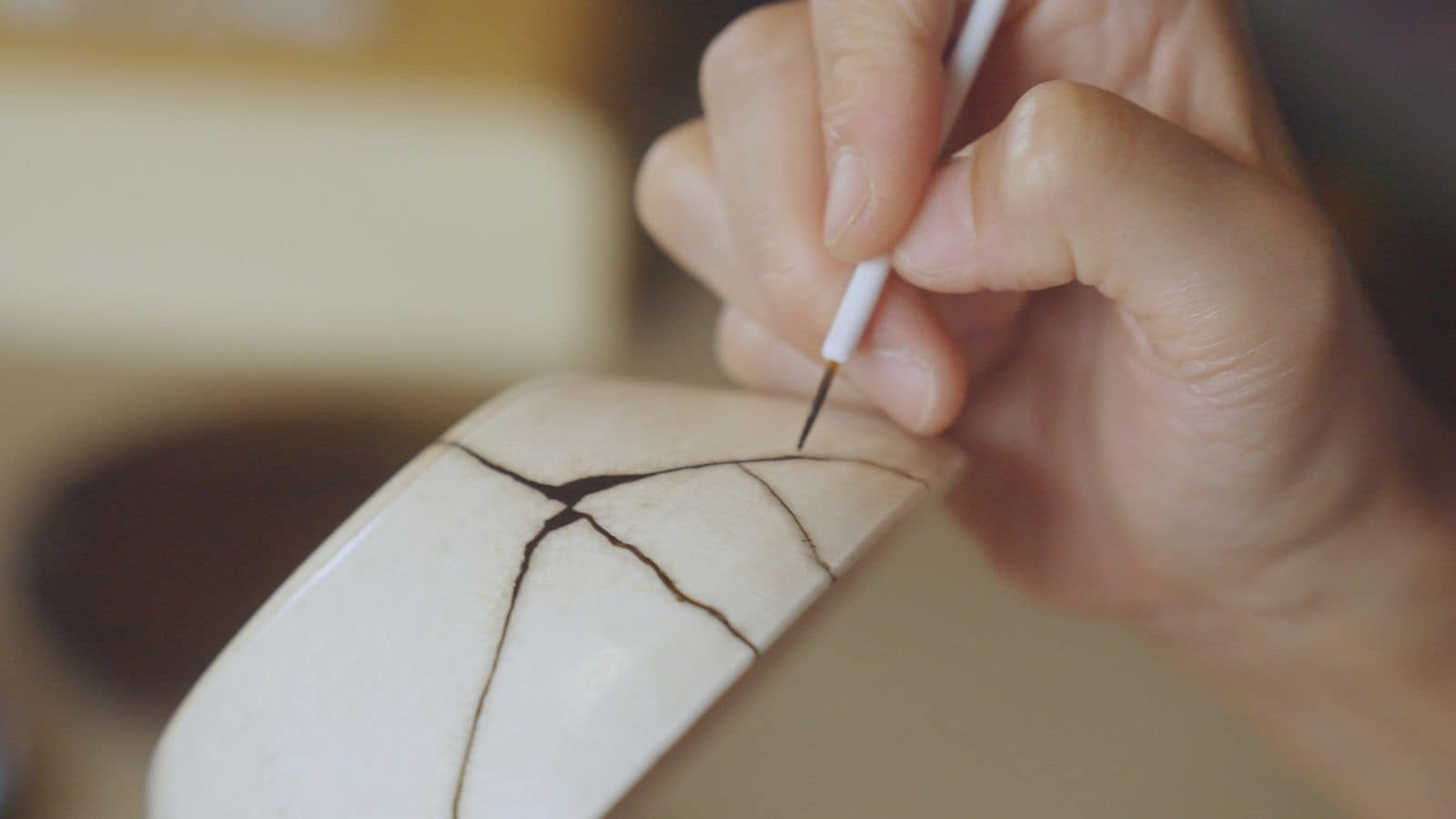
Kintsugi Mindset — Embrace Imperfection: Kintsugi is the Japanese art of repairing broken pottery with gold, highlighting cracks rather than hiding them. Applied to life, it teaches that mistakes, setbacks, and failures are not flaws to be ashamed of. Many people procrastinate because they fear failure. The Kintsugi mindset encourages progress over perfection.

Wabi-Sabi — Let Go Of Perfection: Wabi-Sabi is the Japanese philosophy of finding beauty in imperfection and simplicity. Waiting for the perfect moment, perfect plan, or perfect outcome often leads to inaction. Wabi-Sabi reminds us that imperfect action is usually better than endless waiting.


