


The One Snack That May Not Be Healthy For People With High BP, High Uric Acid And Liver Disease


Peanuts are packed with nutrients that support overall health. They are a good source of protein, fibre, healthy fats, vitamins and minerals. They can help keep you feeling full for longer, support heart health, provide energy, improve metabolism and contribute to maintaining a healthy weight.
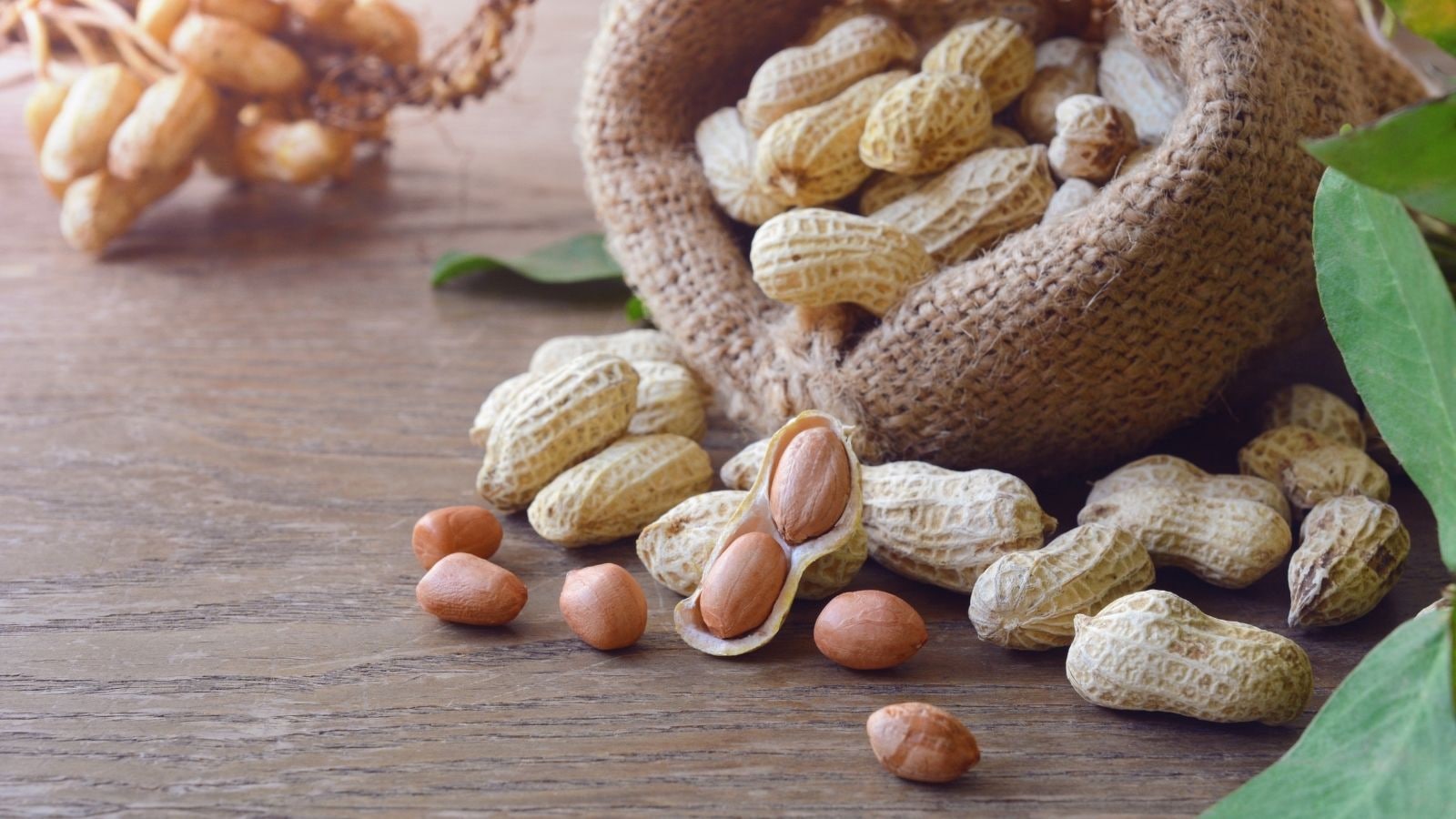
Despite their nutritional benefits, experts suggest that people with certain health conditions should consume peanuts cautiously or avoid them altogether. Here’s who may need to be extra careful.
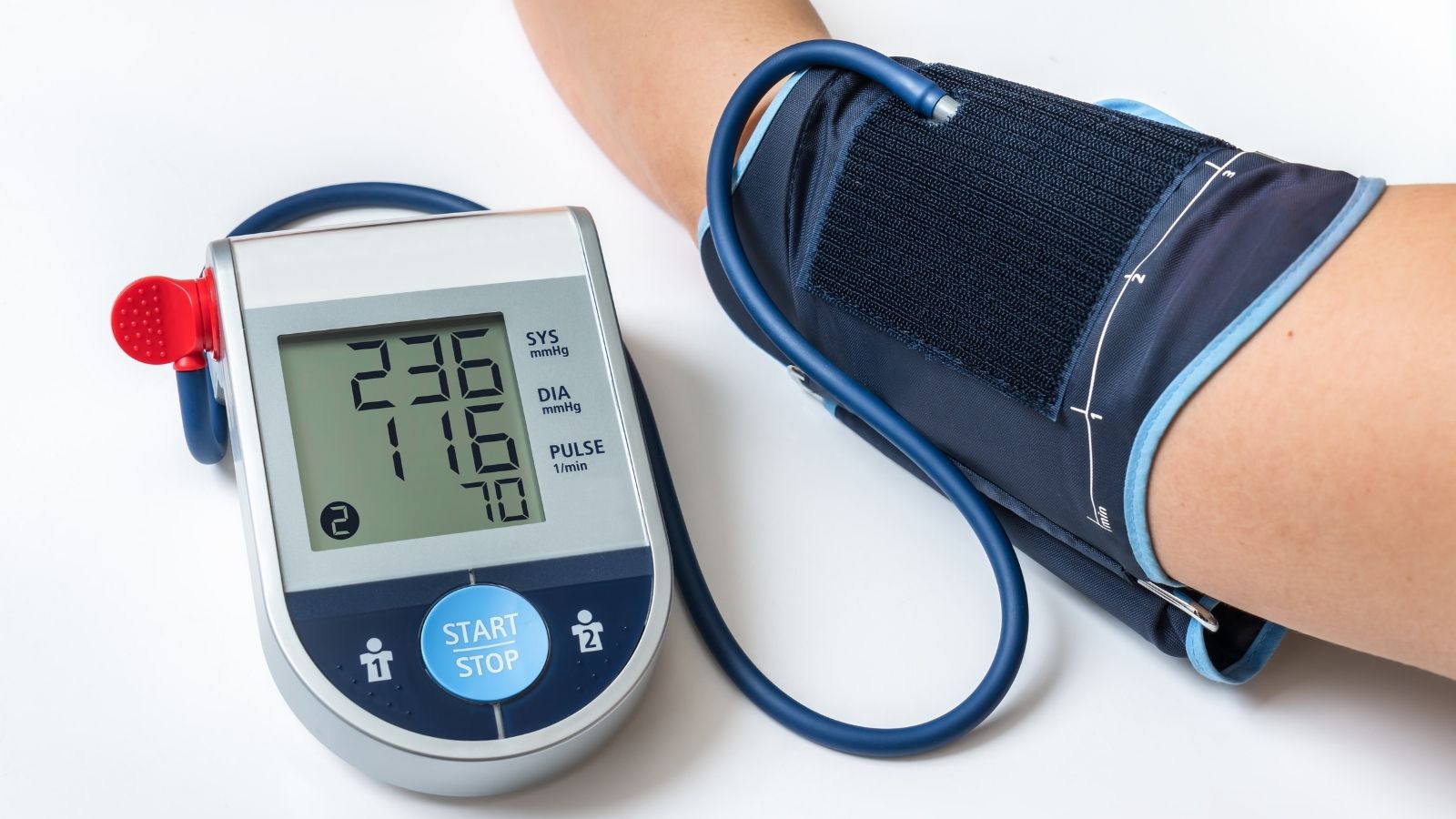
If you have high blood pressure, avoid peanuts that are heavily salted or fried. Their high sodium content may contribute to elevated blood pressure. If you choose to eat peanuts, unsalted or boiled varieties in moderation may be a better option.

People with high uric acid levels or those experiencing joint pain or arthritis should also exercise caution. According to the source, peanuts are high in protein, which may increase uric acid levels in some individuals and potentially worsen joint pain. People with these conditions should consume peanuts only after consulting a doctor.

Peanut allergies can trigger immediate reactions in some people. Symptoms may include: Skin rash, itching, swelling, difficulty breathing. If you experience any of these symptoms after eating peanuts, stop consuming them immediately. People with severe peanut allergies should avoid peanuts completely.
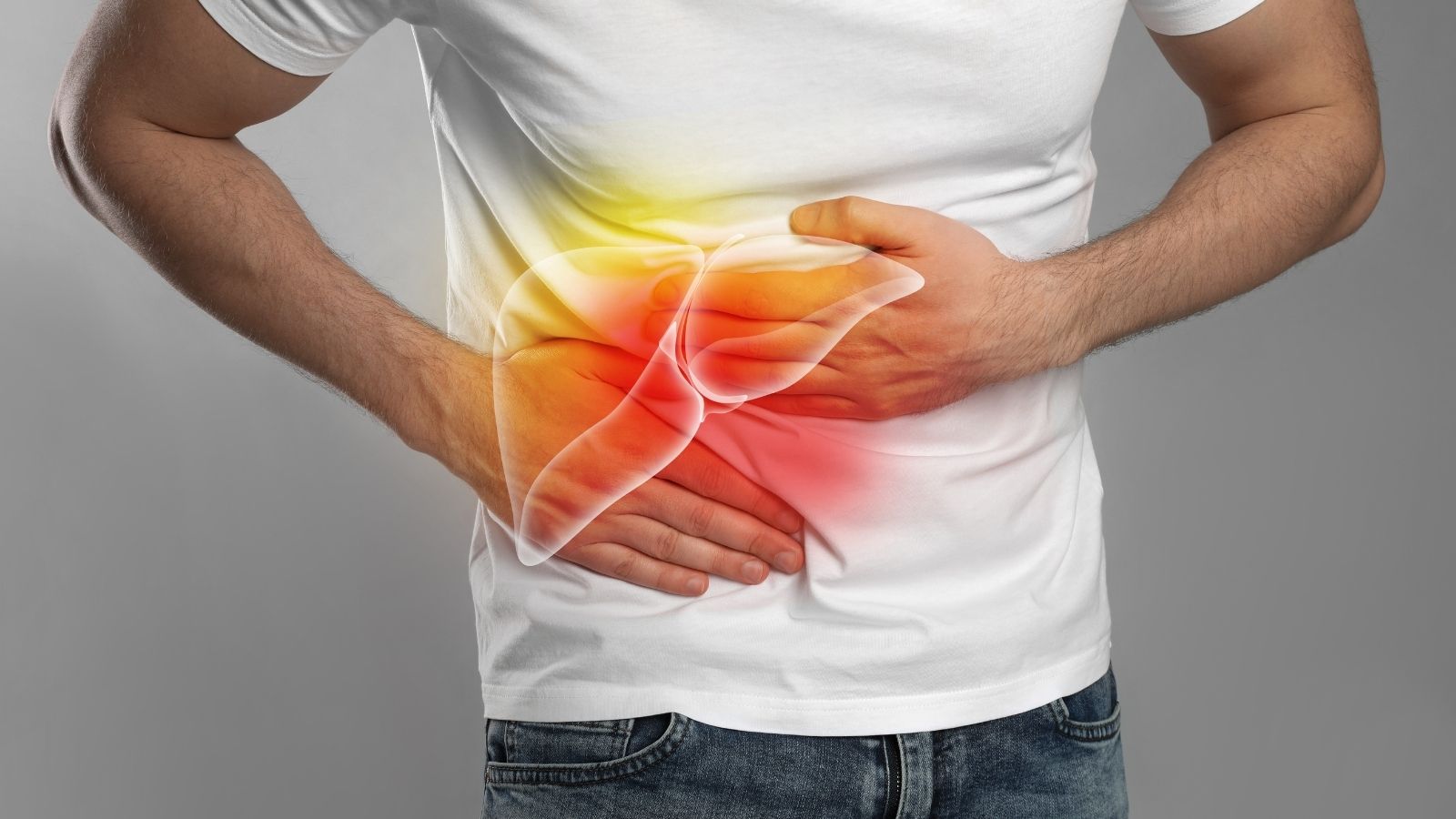
People living with liver or pancreas-related conditions should avoid eating excessive amounts of peanuts, as their fat content may place additional strain on these organs. Those who frequently experience: Indigestion, gastric discomfort, bloating, digestive problems should also consume peanuts in moderation, as their fibre and fat content may slow digestion in some individuals.
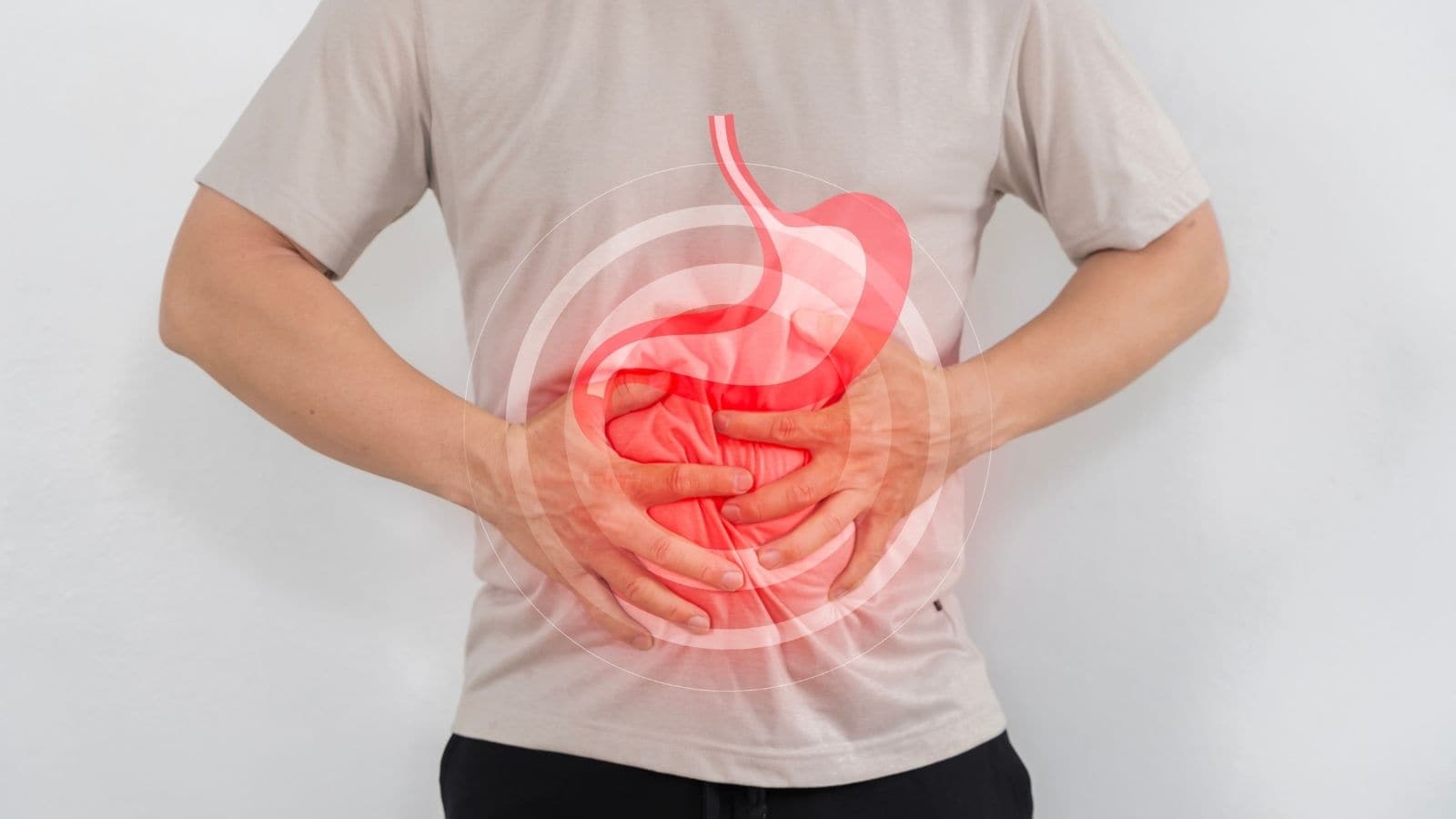
Peanuts are calorie-dense, so eating large quantities may contribute to excess calorie intake and weight gain. Overconsumption may also lead to gas, bloating and indigestion. Boiled or raw peanuts are generally considered a healthier choice than varieties that are heavily fried or coated with salt.
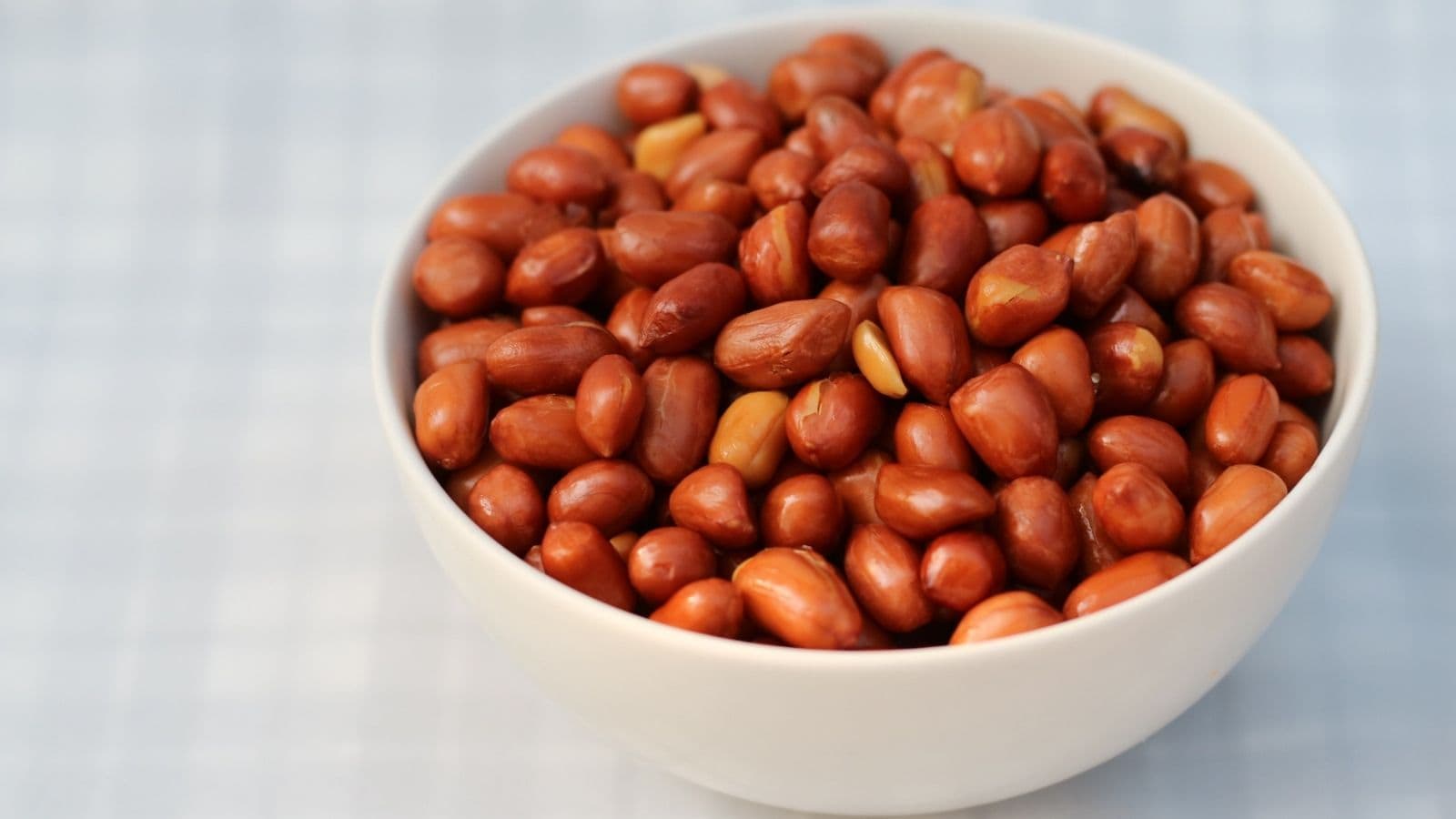
According to experts, a healthy adult should consume around 28 to 30 grams of peanuts per day. They are best enjoyed: after breakfast, as an evening snack. Eating peanuts at these times may help curb hunger and reduce cravings for unhealthy snacks. The source also suggests avoiding peanuts just before bedtime, as slower digestion at night may leave the stomach feeling heavy.
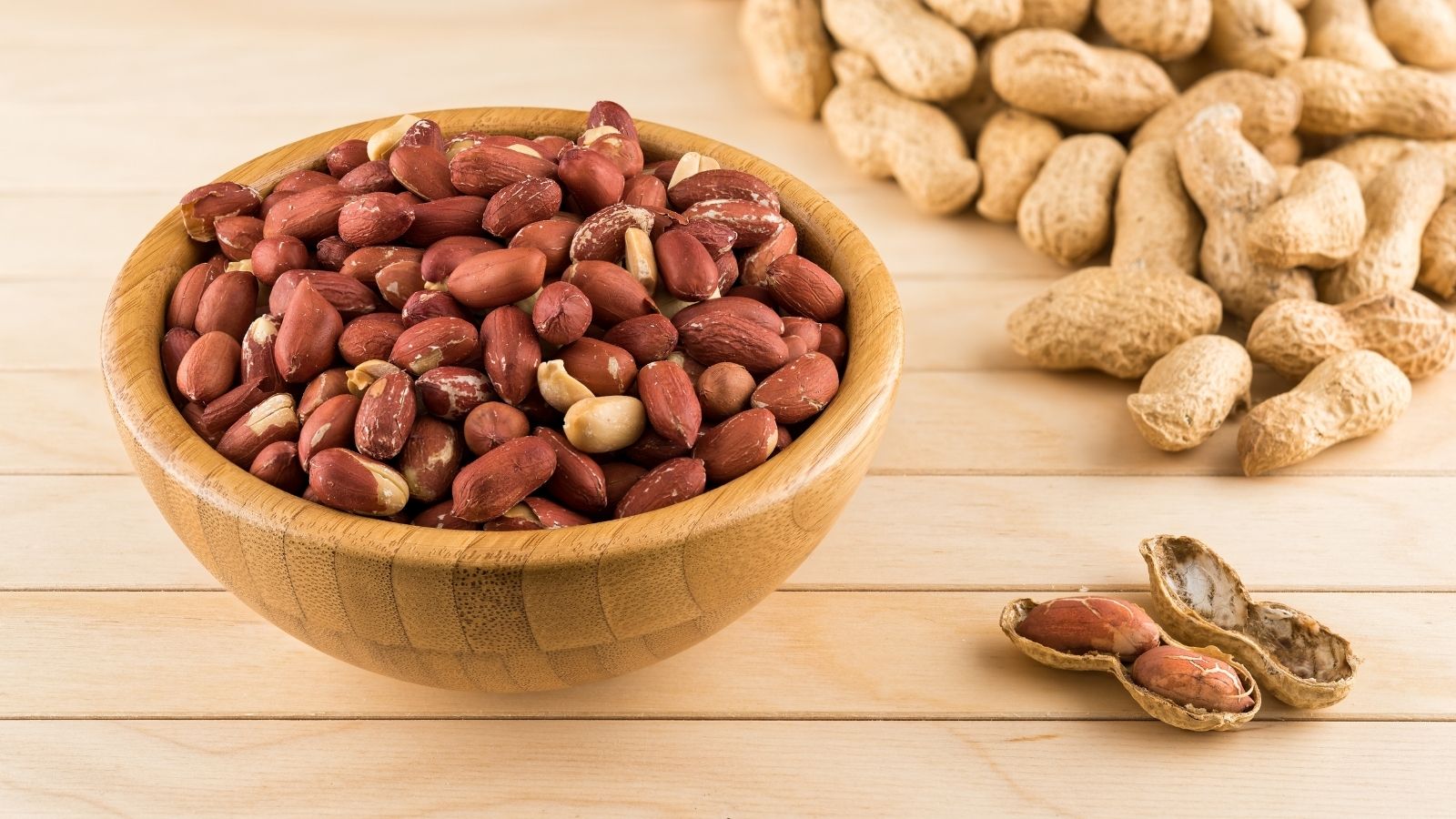
This information is intended for general health awareness only. If you have an existing medical condition, food allergy or are planning significant dietary changes, consult a doctor or registered dietitian before making changes to your diet.


