


The Only Temple In India Where The Sea ‘Comes To Pray’ Twice A Day


Nestled on the shores of the Arabian Sea in Gujarat, the Stambheshwar Mahadev Temple offers one of the most surreal spiritual experiences in India. Here, nature itself becomes a devotee. As the sea rises and recedes twice daily, it performs a ritual unlike any other: submerging and revealing the temple in a rhythmic cycle that feels like divine choreography. (Image: Instagram)
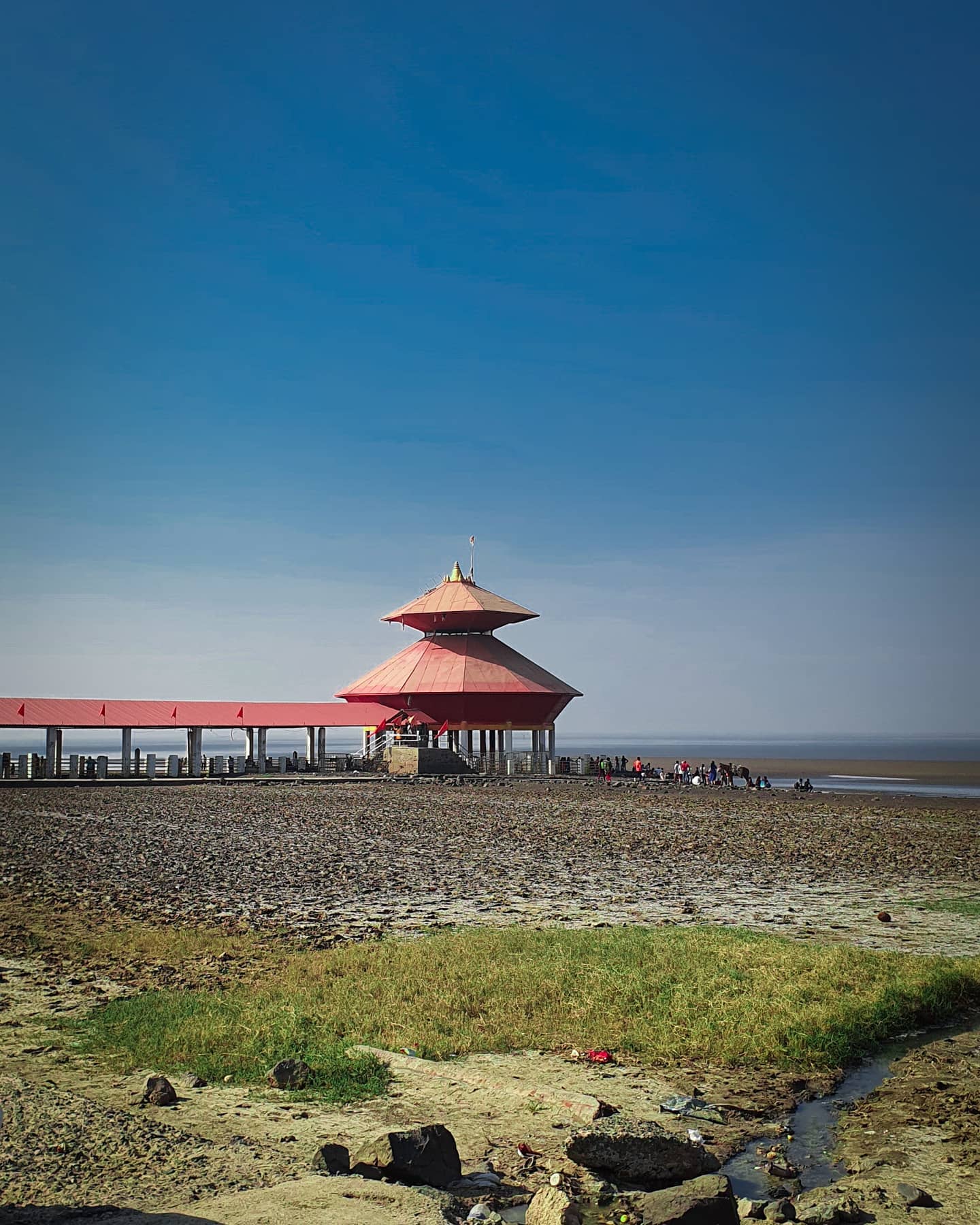
Located in the quiet town of Kavi Kamboi near Vadodara, this 150-year-old shrine dedicated to Lord Shiva stands just meters from the shoreline. What makes it extraordinary is its interaction with the tides. (Image: Instagram)
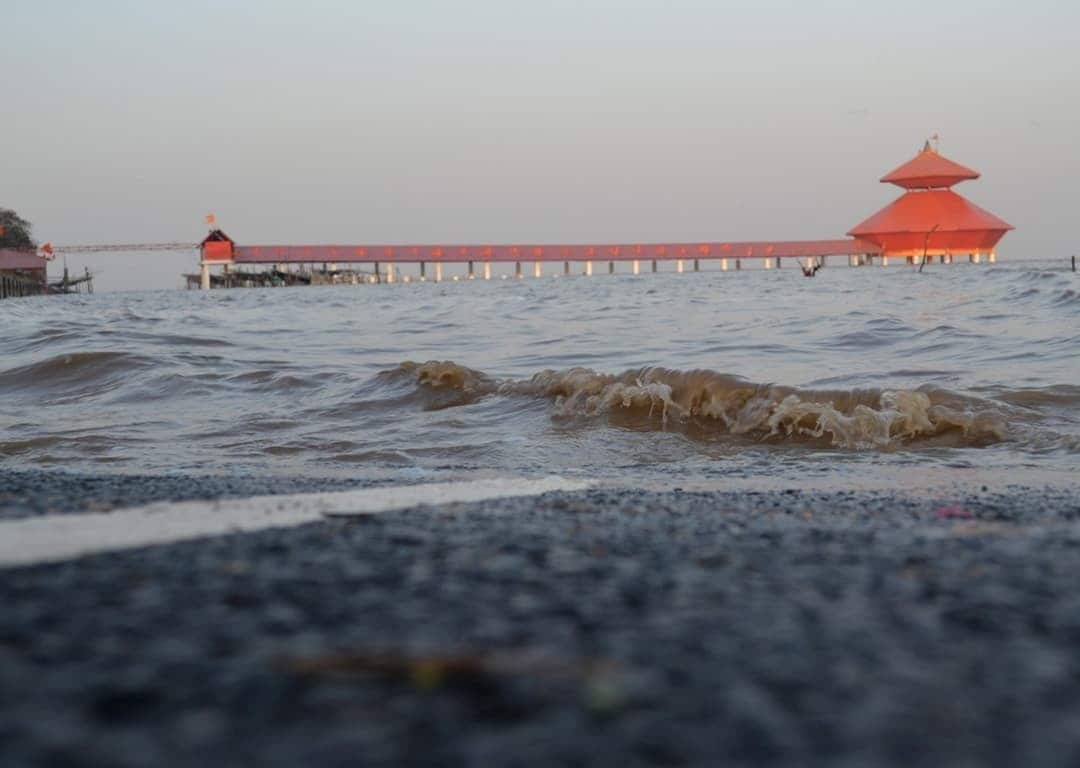
During high tide, the temple is completely engulfed by the sea, and during low tide, it reemerges, allowing devotees to offer prayers. This natural phenomenon occurs twice a day, creating a spectacle that feels both mystical and humbling. (Image: Instagram)
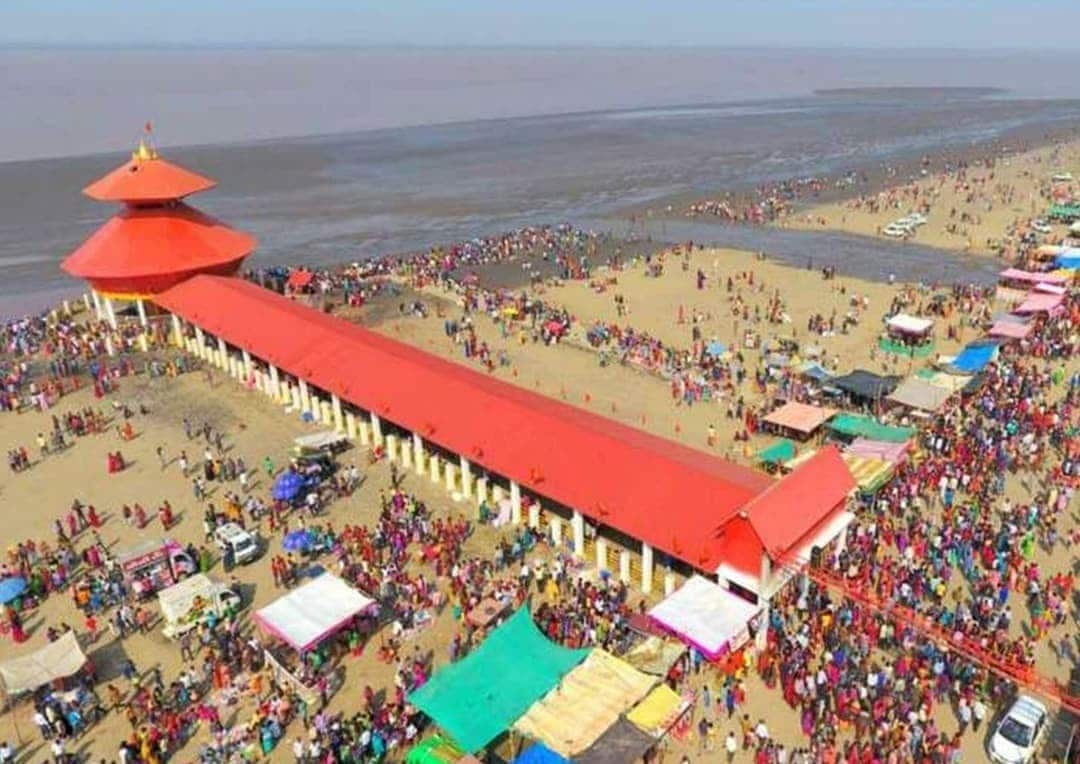
According to legend, the temple was established by the Pandavas after the Kurukshetra war as a place of redemption. It is believed that Lord Shiva manifested here to absolve them of their sins. (Image: Instagram)
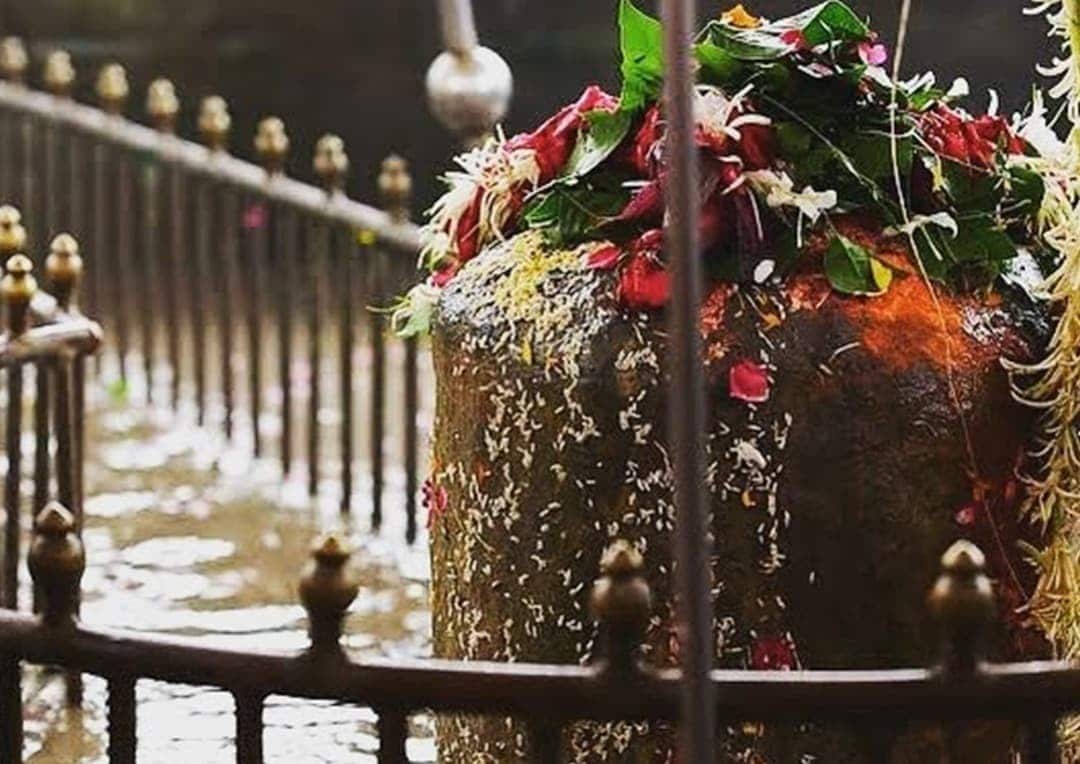
The temple’s unique tidal submersion is seen by many as symbolic — the sea washing over the sanctum is interpreted as nature itself performing abhishekam (ritual bathing) of the Shiva lingam. (Image: Instagram)
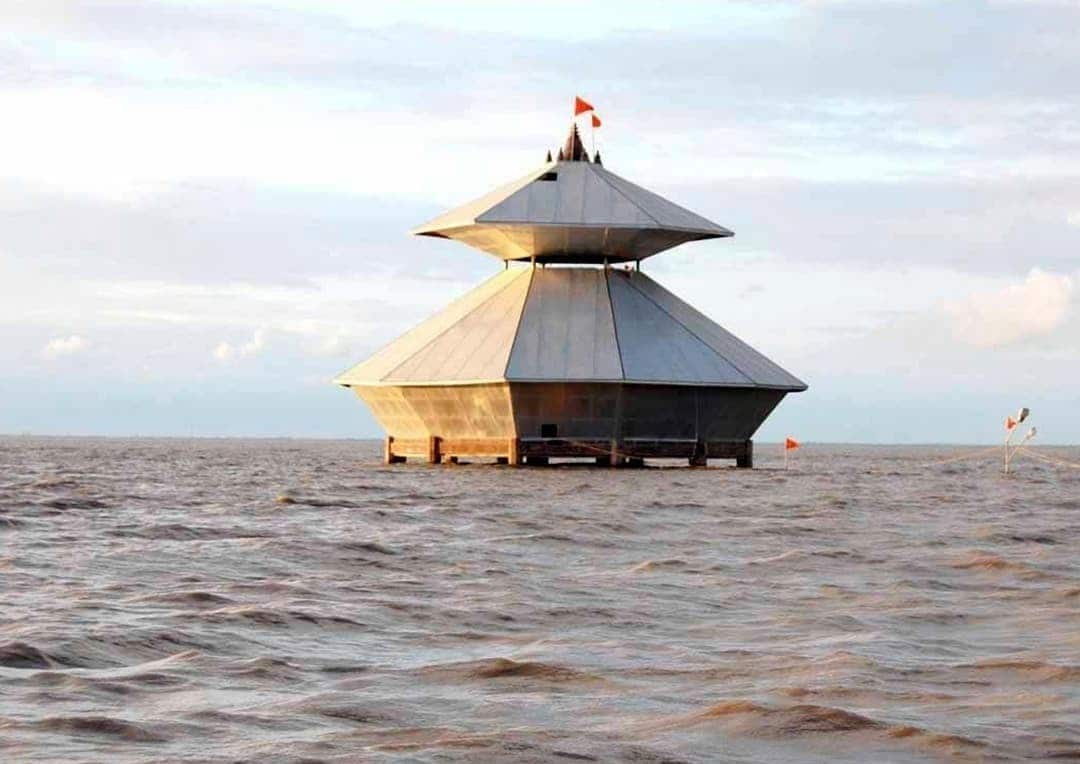
Devotees plan their visits carefully, consulting tide charts to ensure they can witness both the submersion and the reemergence. The temple has no walls or roof, just a solitary Shiva lingam standing resilient against the waves. When submerged, prayers pause; when revealed, they resume. It’s a rare spiritual rhythm dictated not by priests or clocks, but by the moon and the sea. (Image: Instagram)
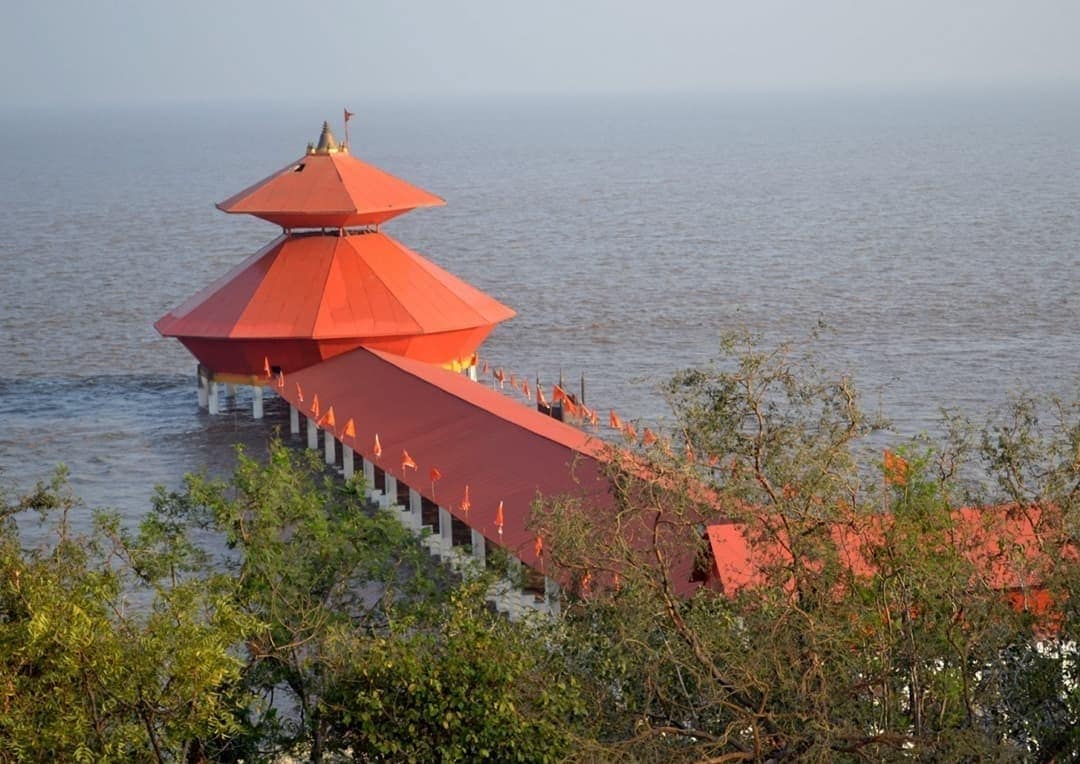
How to Visit: Located in Kavi Kamboi, Bharuch district, Gujarat, the best time to visit is during low tide, especially early morning or late afternoon. The temple is easily reachable by road from Vadodara or Bharuch; local guides can help time your visit with the tides. (Image: Instagram)


