


The Untold Story Behind Chocolate Chip Cookie And The Baker Who Created It In 1930


The chocolate-chip cookie recipe was created when a baker was looking forward to melting chocolate pieces while making cookies but failed. Ruth Wakefield crafted the chocolate chip cookie, merging delightful texture with rich flavours at her Toll House Inn, which she ran in the early 1930s. (Image: Instagram/@langelearningcenter)
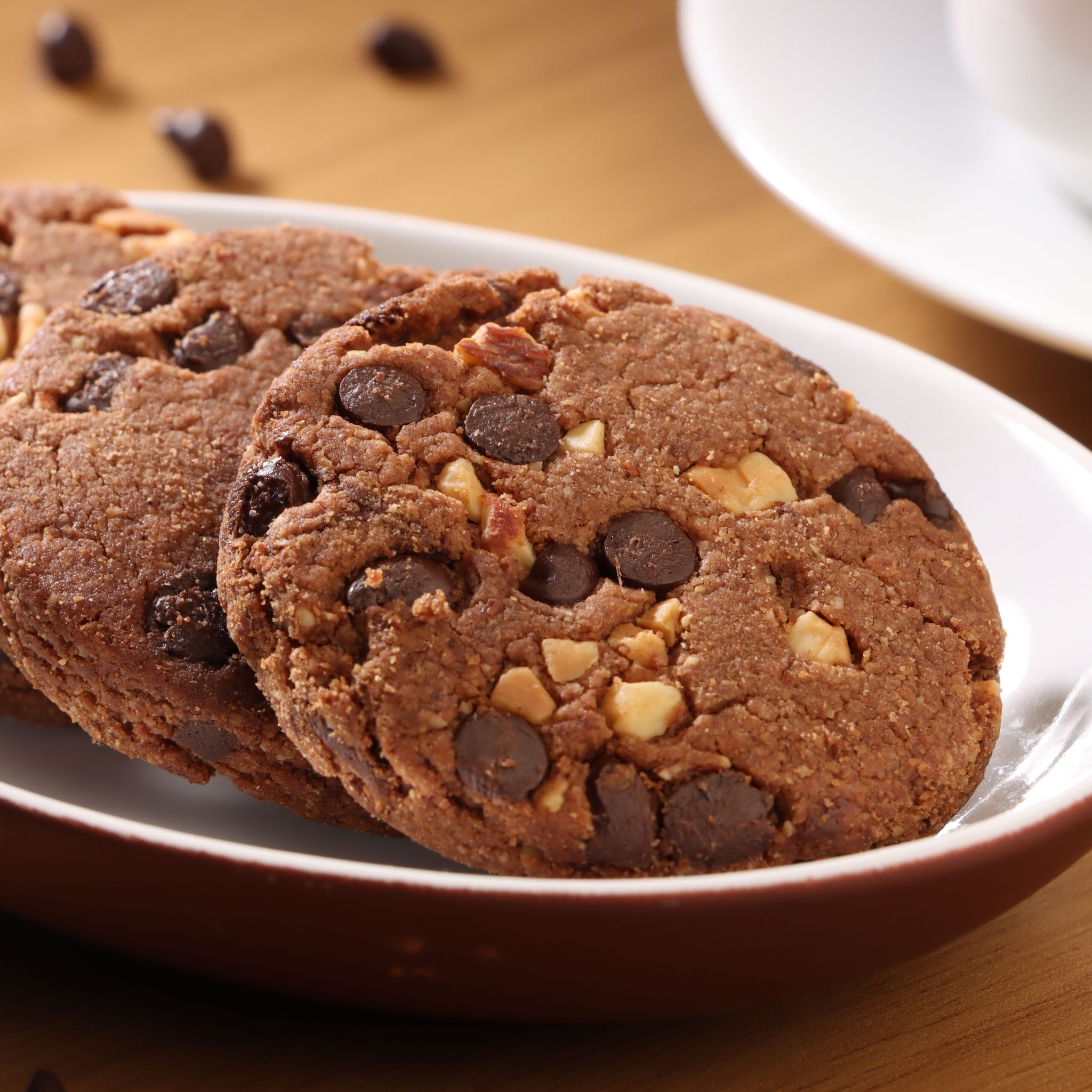
Reportedly, evidences from university and institutional records show that Wakefield had been working on recipes for her inn’s customers before inventing the chocolate chip cookie. In her words, as quoted by the MIT Lemelson Program, Ruth and her husband bought Toll House and turned it into an inn serving homemade meals and desserts. (Representative Image: Pexels)
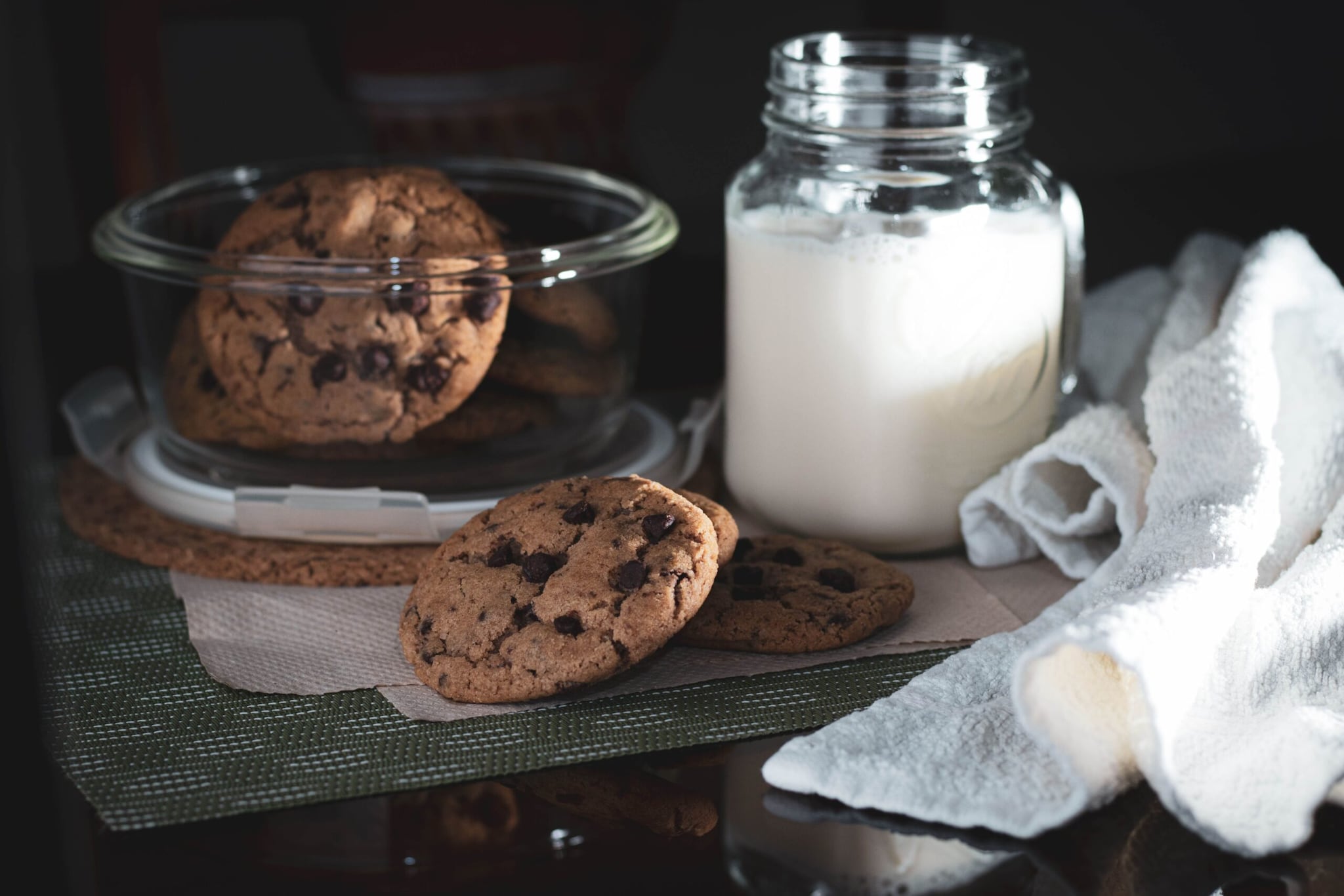
The tale describes how Wakefield added chunks of semi-sweet chocolate to the dough so they would melt while baking. In reality, the chunks melted but remained distinct in small pockets within the cookie. Nonetheless, whether everything took place as described by the tale, it is still up for debate. (Representative Image: Pexels)
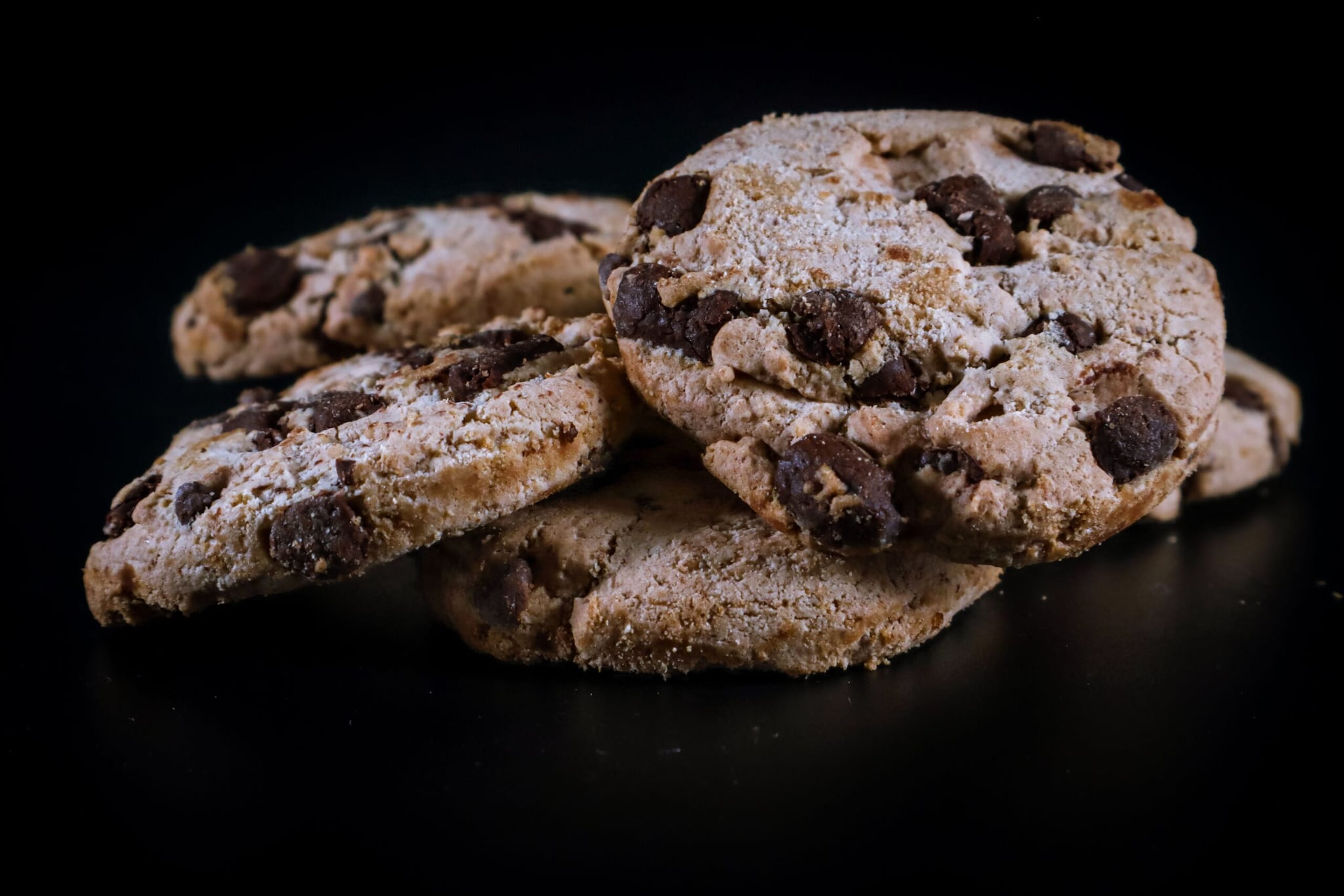
As per the archival records at Framingham State University, Wakefield was attempting to create the recipe intentionally, not by accident. It was the result of experimentation within America’s constantly evolving culinary tradition. (Representative Image: Pexels)

While Wakefield’s recipe did not completely stray from common baking practices, it altered an established form in a way that could be recreated by amateur bakers at home. (Representative Image: Pexels)
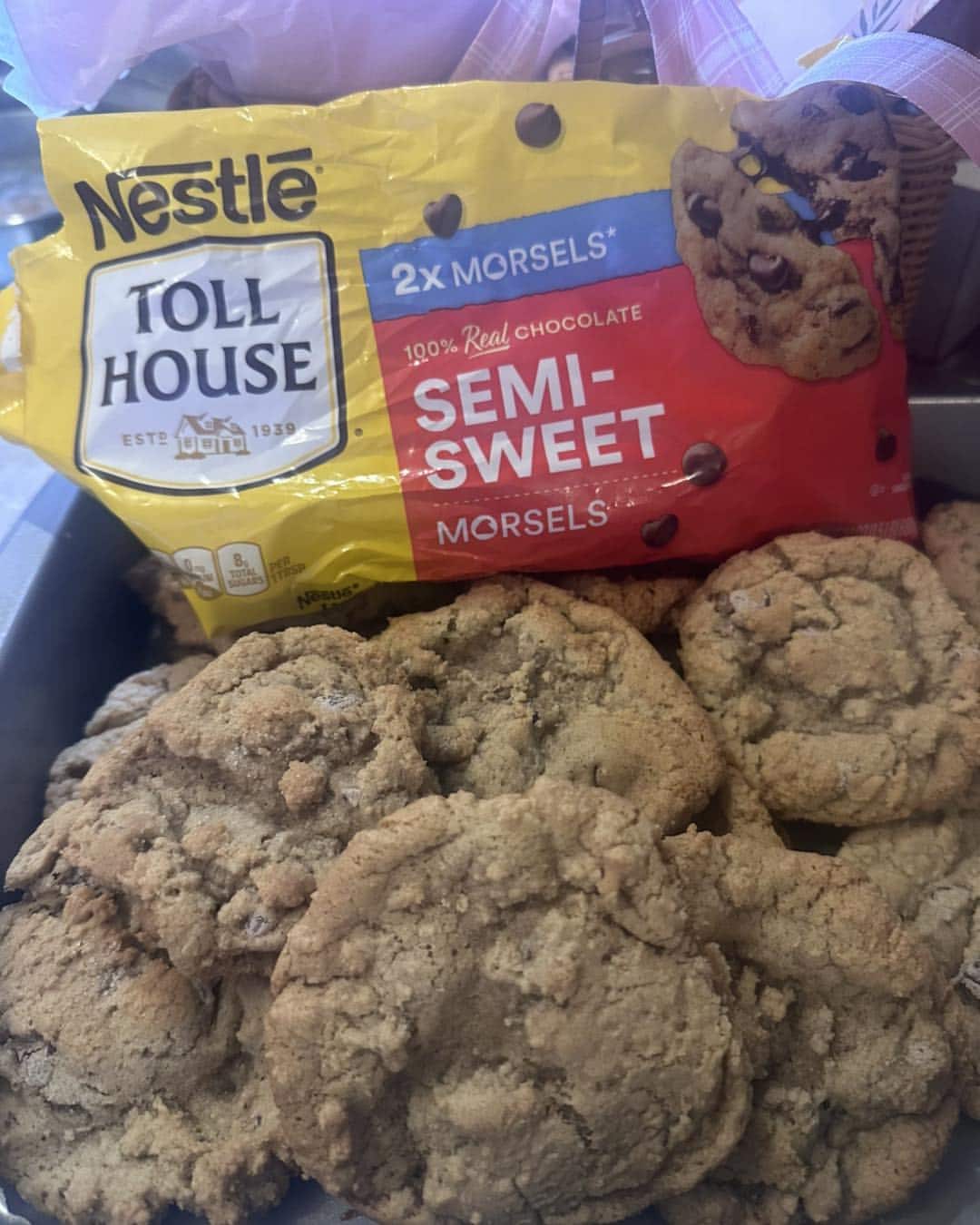
Reportedly, the chocolate chip cookie became an American cultural icon primarily due to commercial packaging and distribution. Following a surge in Nestlé semi-sweet chocolate sales, the recipe for Ruth Wakefield’s Toll House cookies was printed directly on the packaging. This publication made baking easy with standardized ingredients, turning a local treat into a replicable product. (Image: Instagram/@langelearningcenter)


