


They Look Beautiful But May Bring Misfortune: 5 Plants You Should Not Keep At Home


Keeping plants at home enhances beauty, purifies the air, and brings a sense of positive energy. However, not all plants are suitable for indoor spaces. Some plants may look attractive but are not recommended for home use.
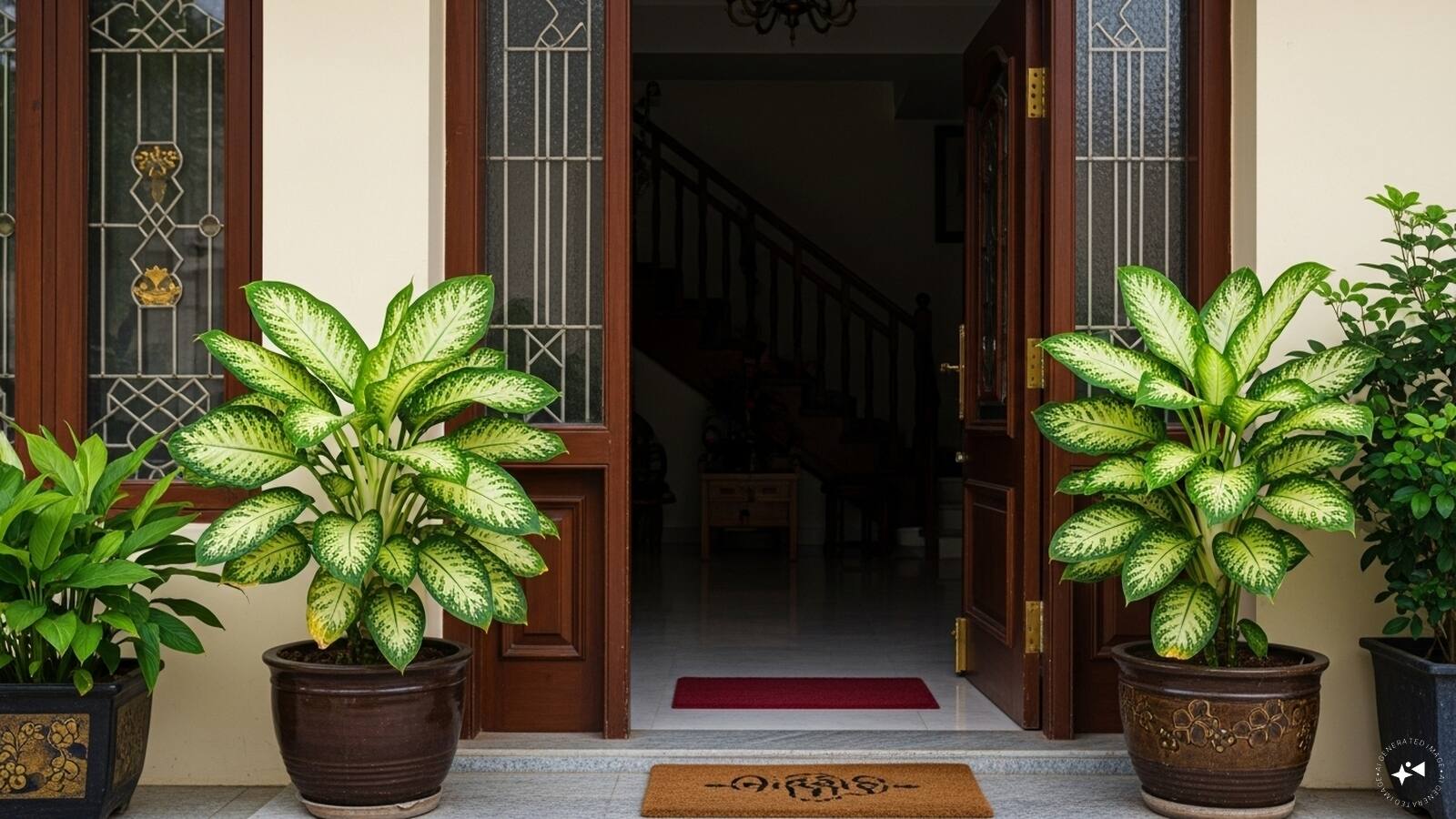
Dieffenbachia (Dumb Cane): This plant is popular for its broad, decorative leaves, but its sap is toxic. Contact with skin or mouth can cause irritation, swelling, and allergic reactions, making it unsafe for homes with children and pets.
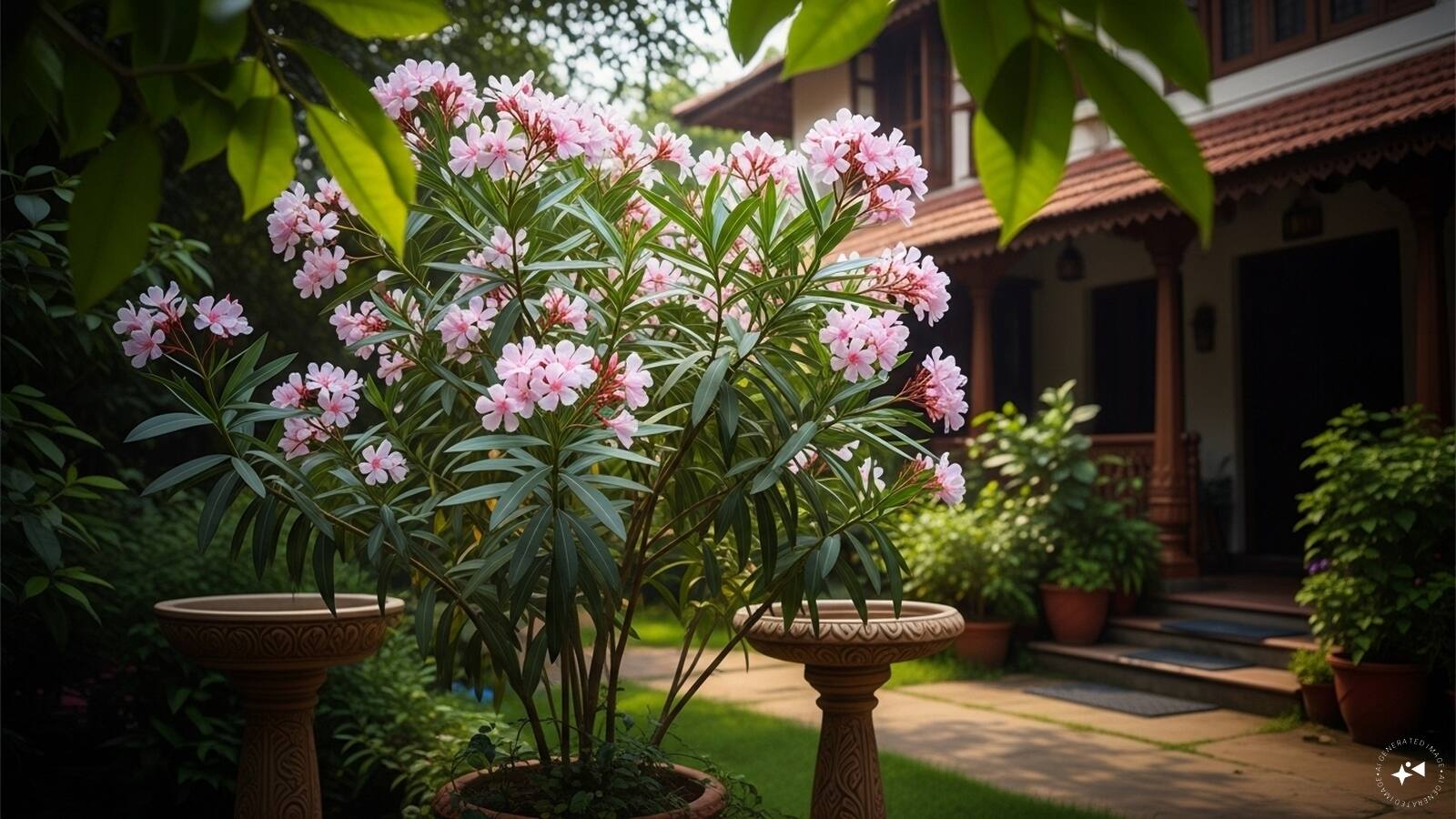
Oleander: Known for its beautiful flowers, Oleander is highly poisonous. Even small amounts of its leaves, flowers, or stems can be dangerous if ingested, so it is best avoided indoors.

Cactus: While stylish and low-maintenance, cactus plants have sharp thorns that can cause injury. They are also sometimes associated with negative symbolism in traditional beliefs, making them less ideal for small homes or families with children.
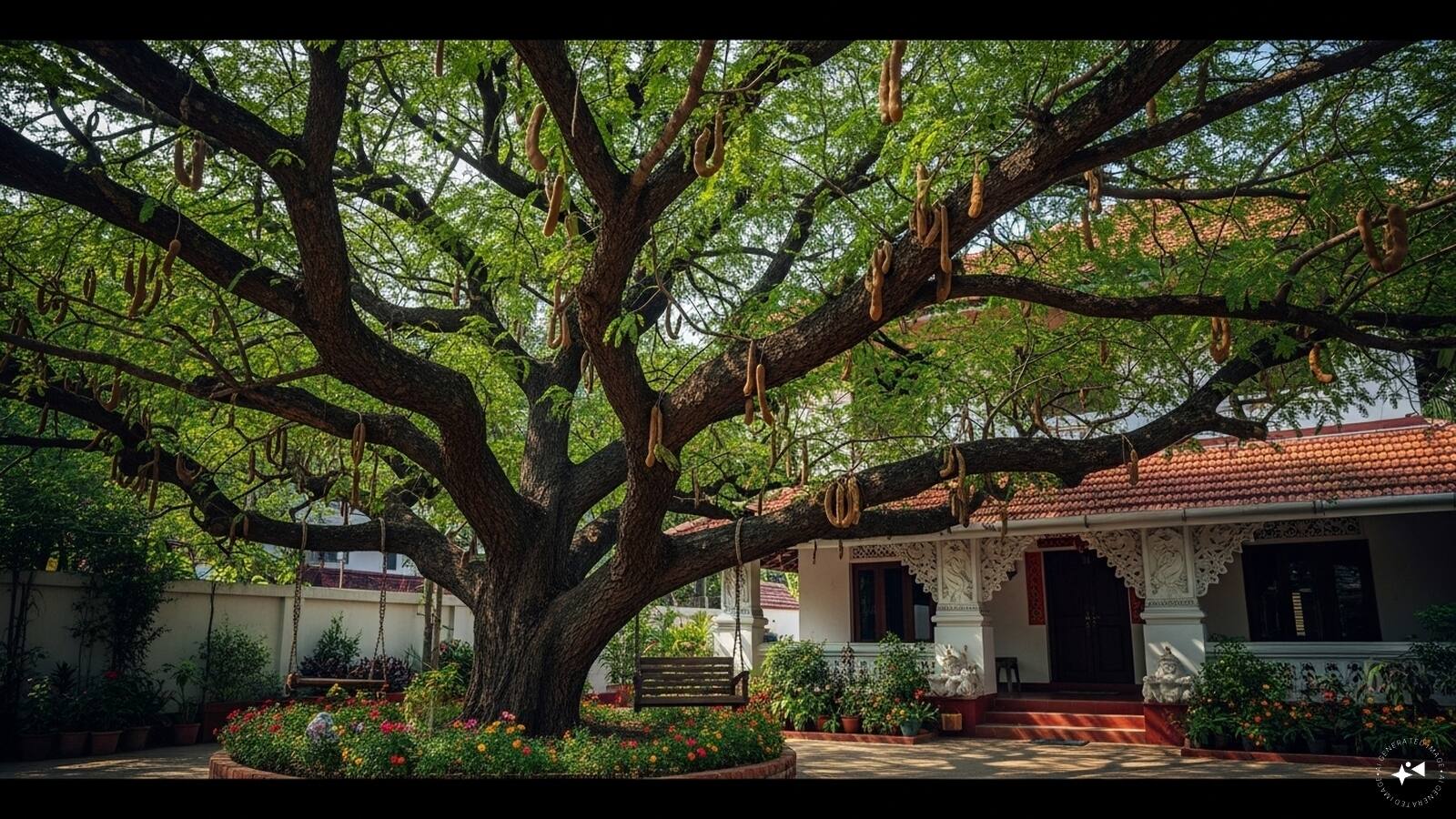
Tamarind trees grow large and spread quickly, making them unsuitable for limited home spaces.
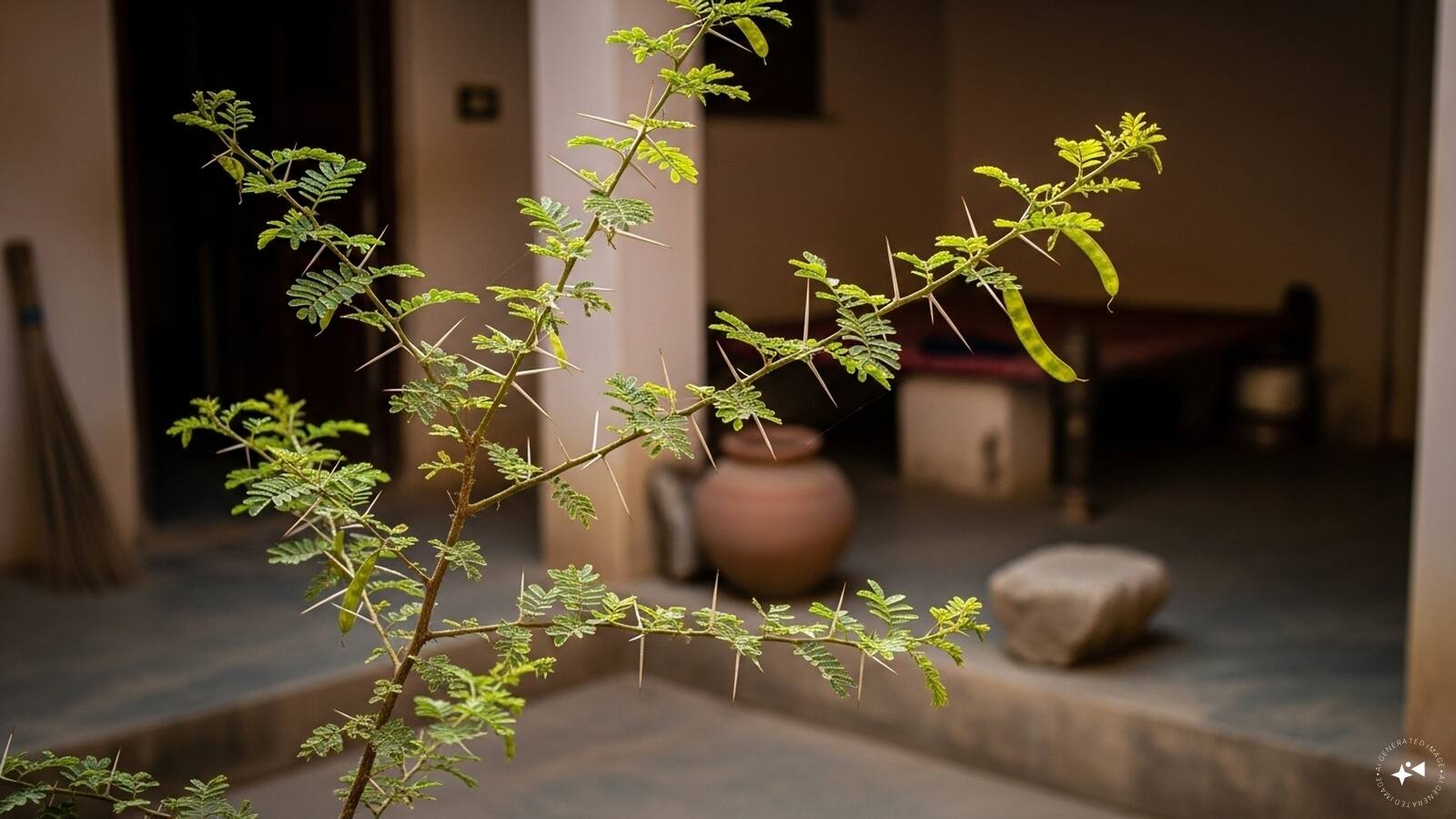
Similarly, Acacia trees have thorny branches and are often considered to bring harsh energy and disrupt balance in residential areas.
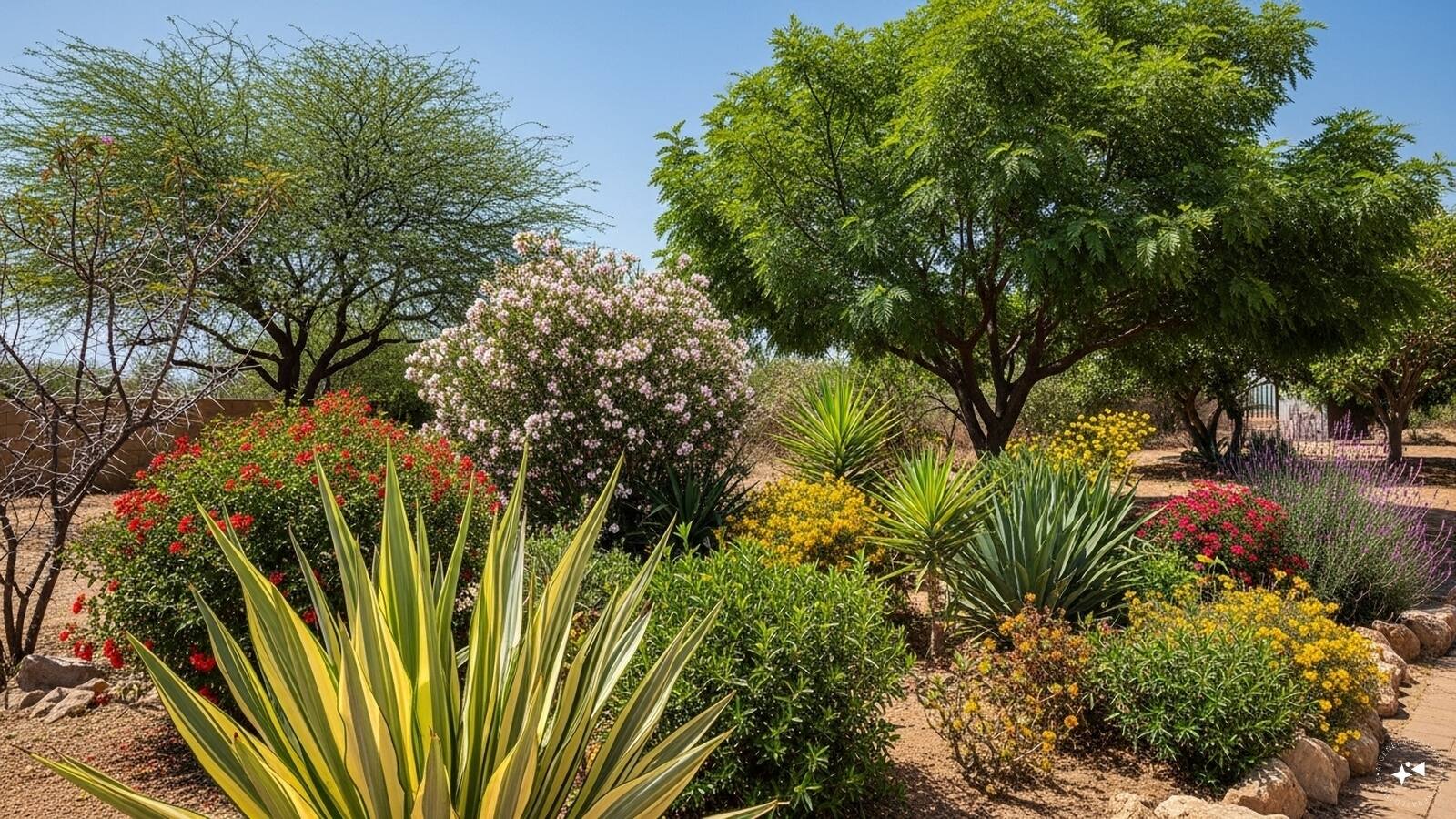
While many of these beliefs come from traditional practices, the key concerns are safety, toxicity, and maintenance. Always choose plants based on their suitability for your space, not just appearance. The right selection can keep your home both beautiful and balanced.


