


Think It’s Just A Sweet Stick? 7 Surprising Benefits Of Mulethi You Should Know


Last Updated:
Mulethi helps soothe sore throats, coughs, and digestion, with uses in skin and hair care—just check with an Ayurvedic expert first.
Often spotted at neighborhood paan stalls, mulethi looks like a simple dry piece of wood, yet it carries notable medicinal value when used properly. Especially helpful during colder weather, this small root or stem can ease a sore throat, dry cough, and inflammation while soothing digestive discomfort and throat burning. According to Ayurvedic assistant professor Dr. Pankaj Singh Kushwaha from Ballia, people take it as a decoction, with honey or warm milk, soaked overnight, or as powder. Here is what to know.
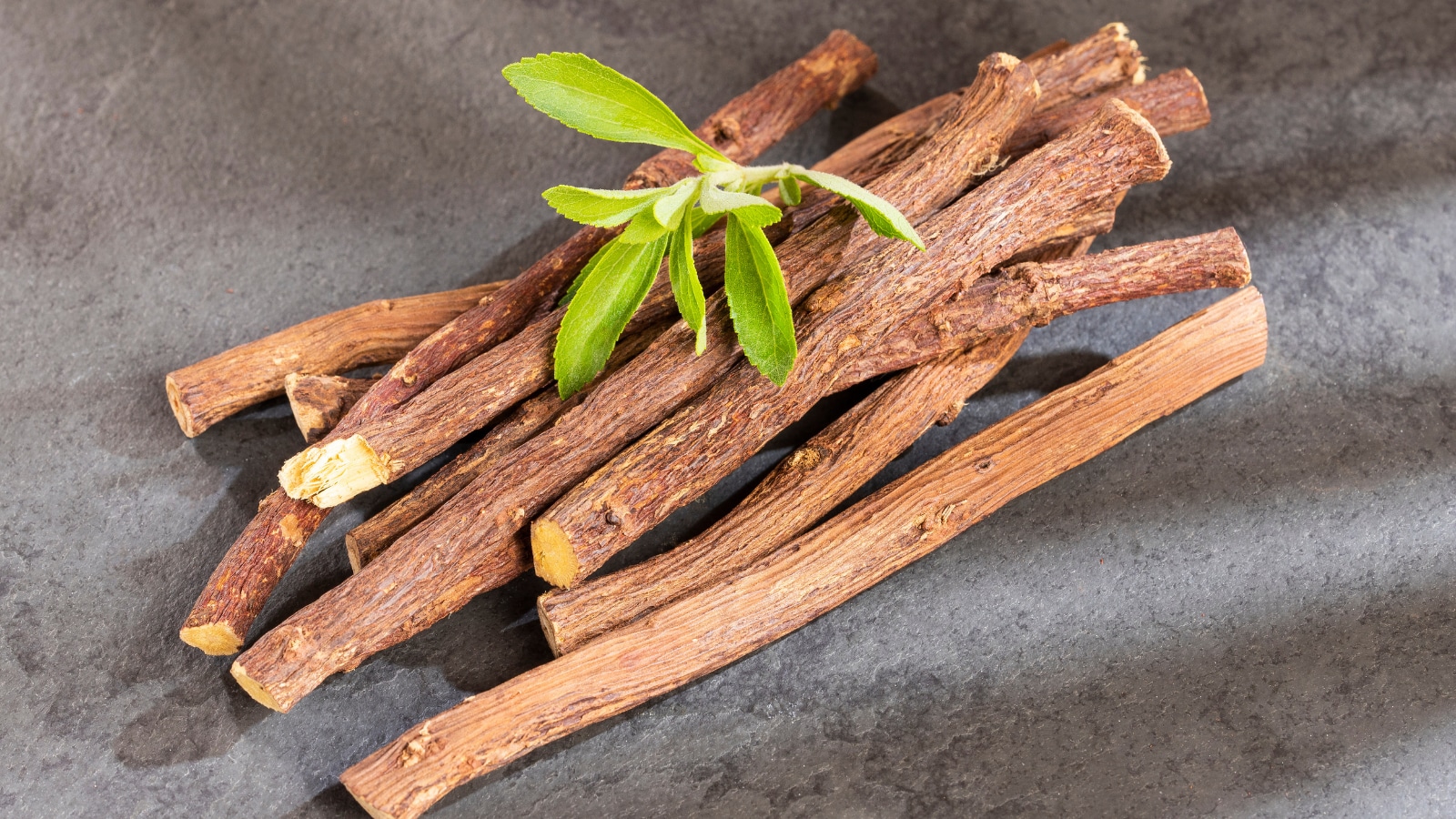
Known in Ayurveda as yashtimadhu, madhuyashti, or jethimadhu, mulethi is widely valued for caring for the throat. Hence, paan sellers commonly keep it handy to soothe throat irritation, calm coughing, and help keep the voice smooth and pleasant. (Image: Canva)
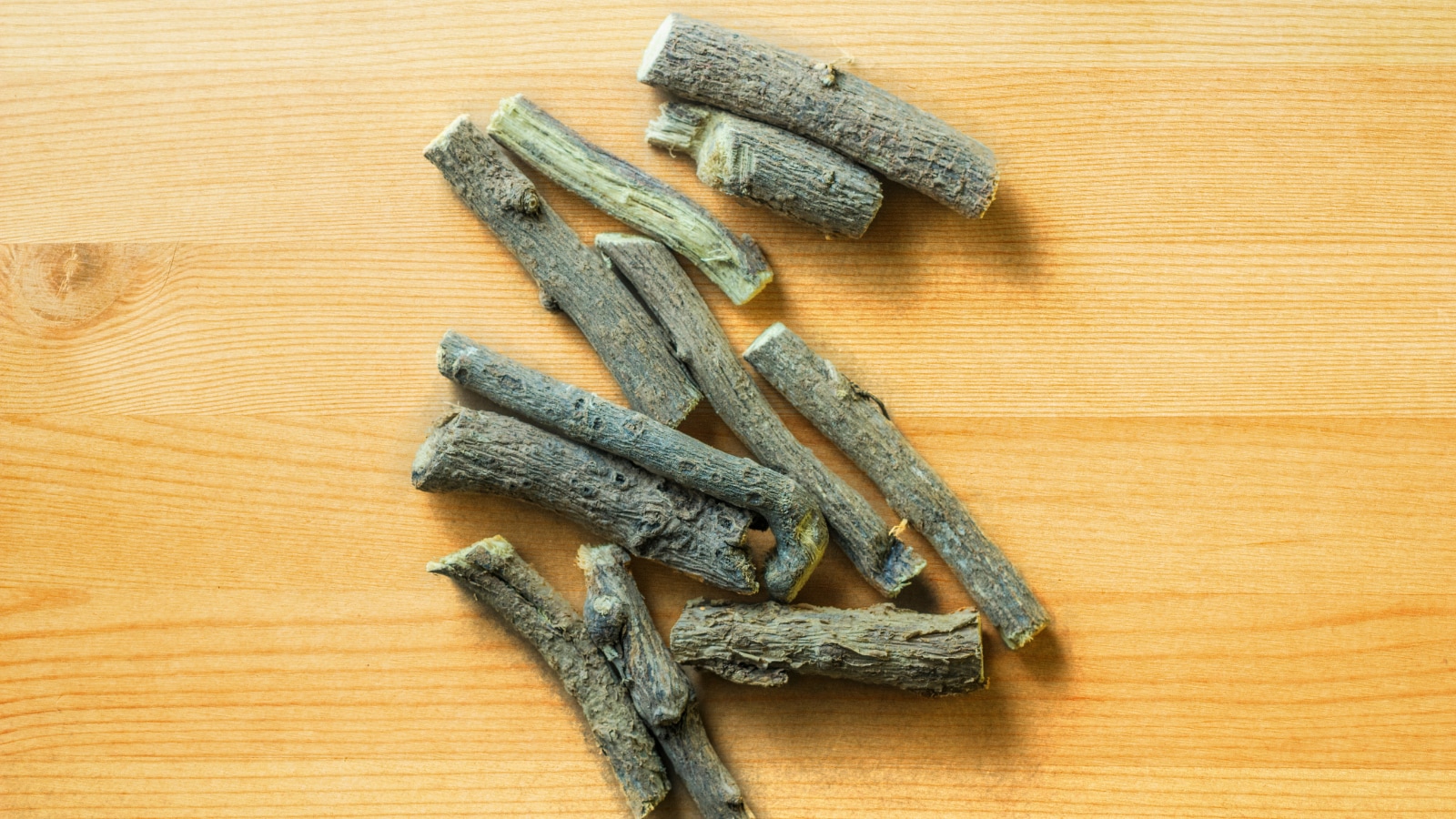
Singers often suck slowly on a small piece of mulethi to let its sweet juice release gradually. By helping clear mucus from the throat, it supports clearer vocal cords while also proving useful in respiratory conditions and cough decoctions. (Image: Canva)
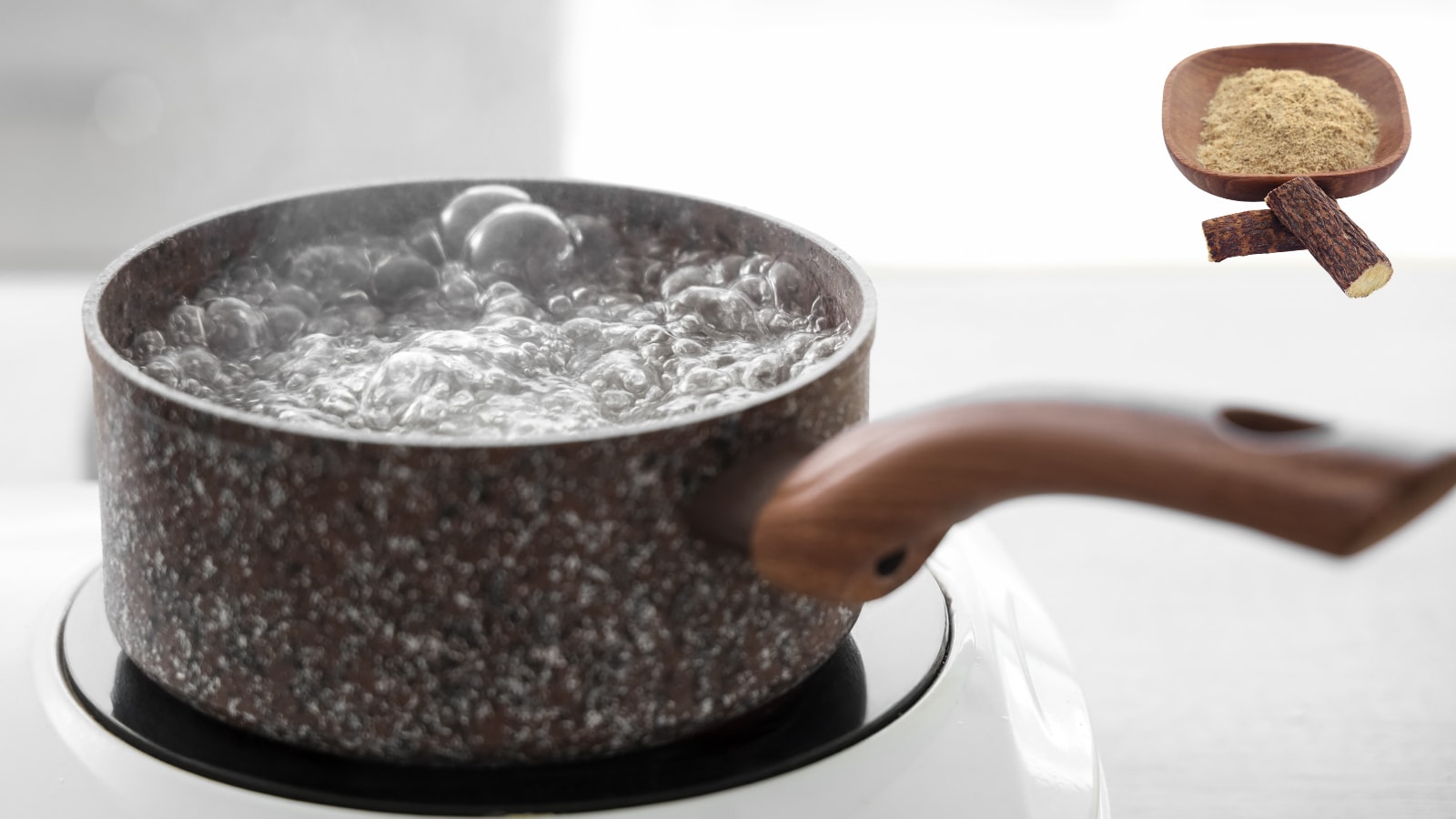
Boiled into a kadha, kwath, or herbal tea, mulethi helps strengthen immunity. (Image: Canva)
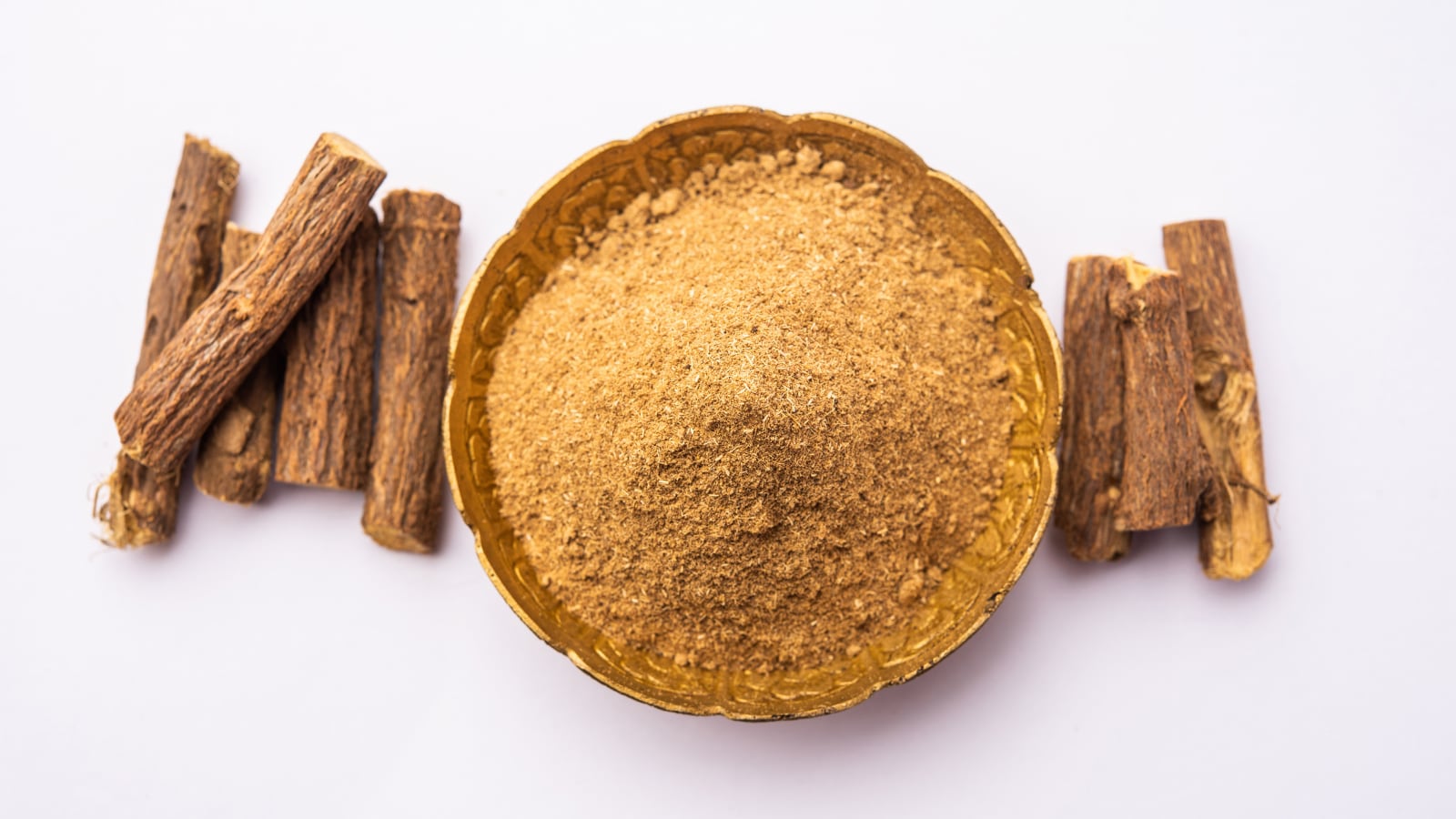
Mulethi is also used for mouth ulcers and cankers, and it is considered helpful for hair care as well. Many women apply a paste made from mulethi powder as part of a beauty routine for skin care benefits. (Image: Canva)
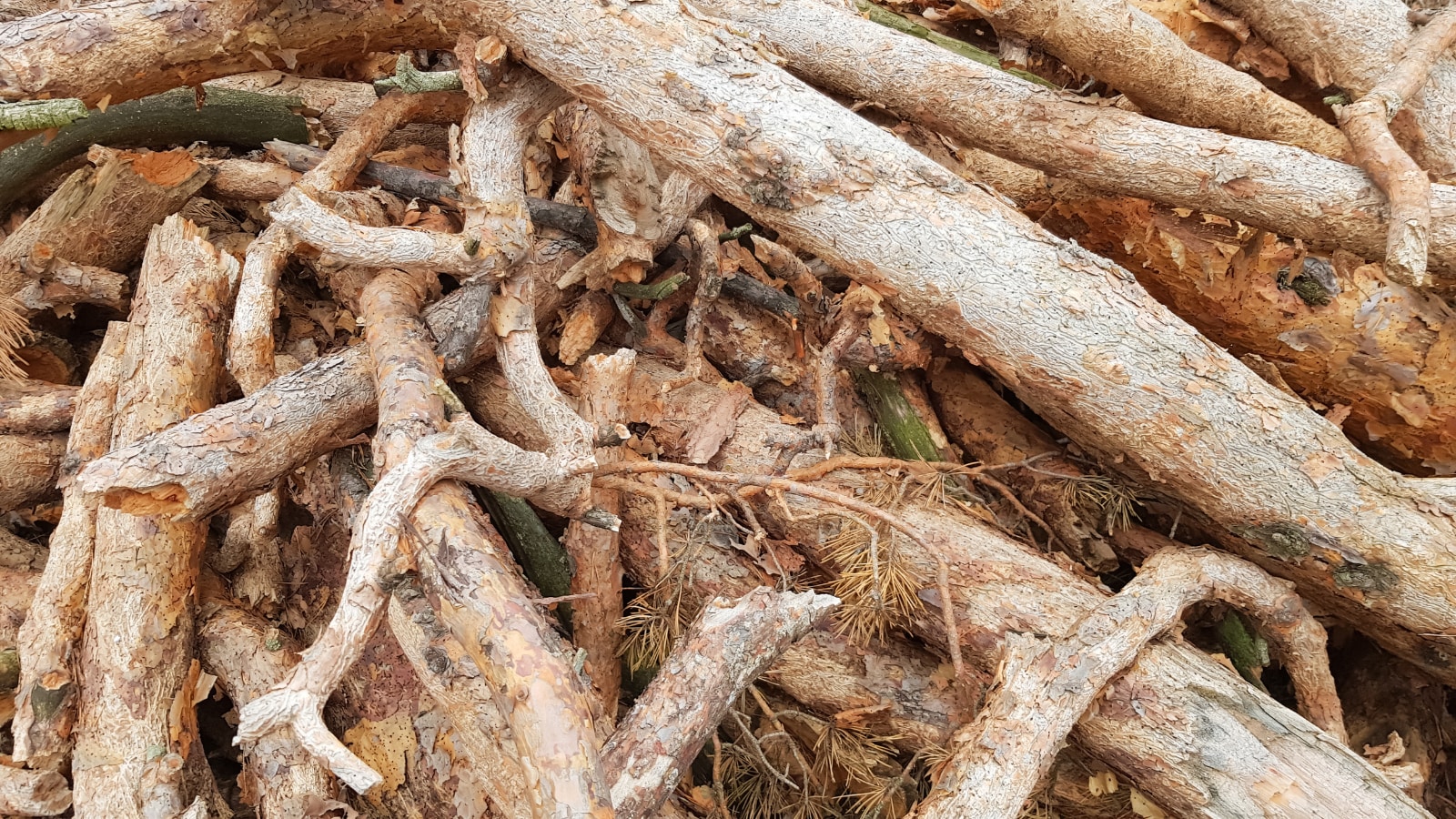
Unlike bitter herbs, mulethi comes from a dry root or stem with a naturally sweet, pleasant taste. Chewing a small piece releases a mild sweetness that makes it easier to take than harsh-tasting traditional remedies. (Image: Canva)
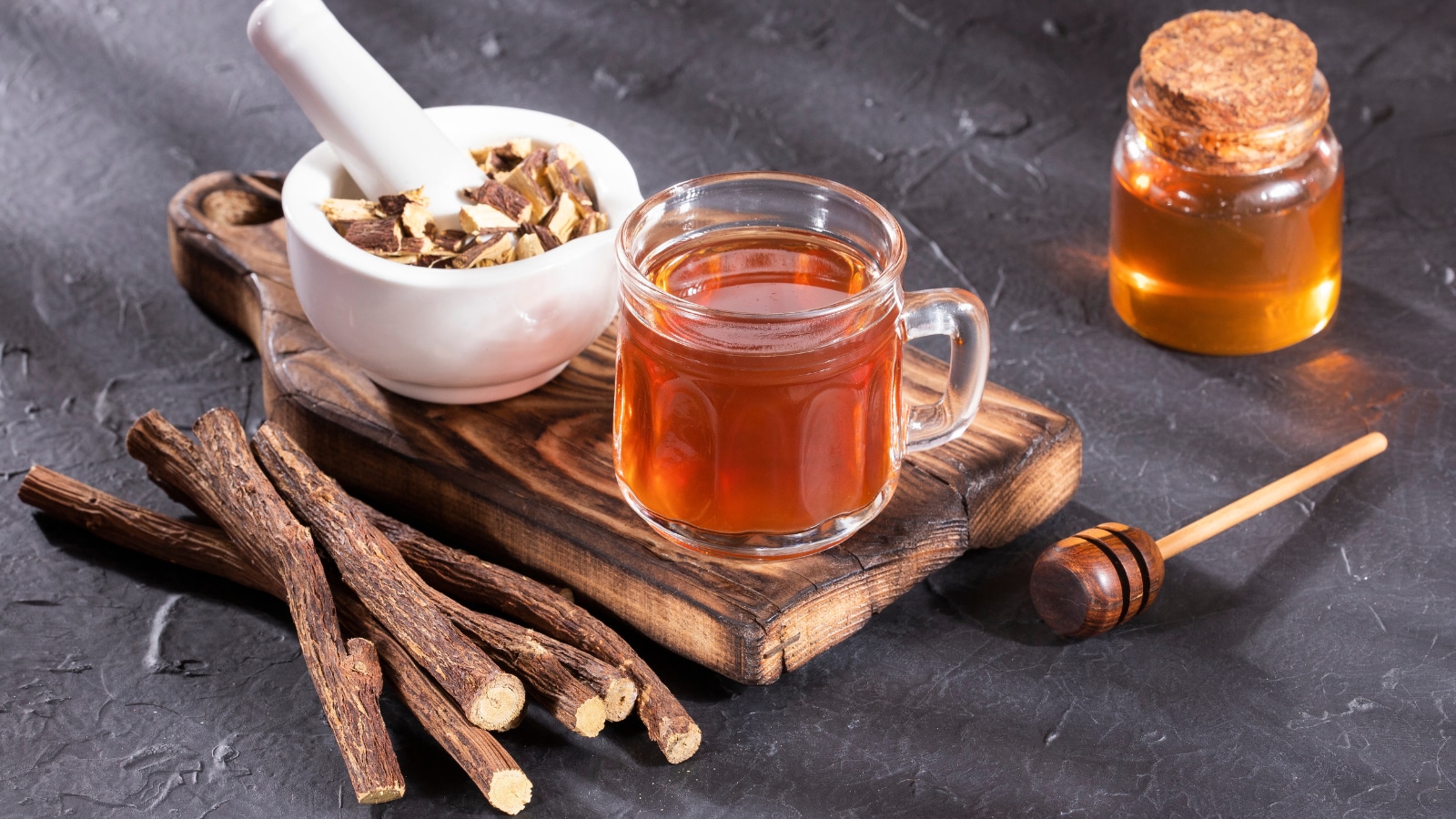
You can use mulethi daily depending on your preference. You can drink it as a decoction, mix it with honey or warm milk, soak it overnight in water, or use its powder. (Image: Canva)
Even natural remedies require caution rather than guesswork. Because herbal plants can affect individuals differently in certain situations, it is best not to use mulethi on your own without consulting an Ayurvedic expert first. (Image: Canva)


