


This City In North India Is Known As The Leather Capital Due To Its Rich Industry And History


India has a long-standing association with leather craftsmanship, with its leather industry supporting thousands of artisans, manufacturers and export businesses. From traditional tanneries and handmade saddlery to leather shoes, bags, belts and accessories, the country has several important manufacturing hubs that supply products to domestic and international markets. But what makes one particular city stand out as a major name in India’s leather trade? Its industrial history, skilled workforce and decades-old manufacturing legacy offer some interesting answers.
Kanpur, in Uttar Pradesh, is known for much more than its industrial past. Often referred to as India’s leather capital, the city has built a reputation for its centuries-old leatherworking traditions, large tannery clusters and export-oriented manufacturing industry. Its connection with leather dates back to the colonial era, when local factories supplied boots, saddles and military equipment. Today, Kanpur remains an important centre for finished leather, safety footwear, leather accessories and saddlery. Here is a closer look at the history, craftsmanship and industry that made Kanpur famous for leather.
Located on the banks of the Ganga in Uttar Pradesh, Kanpur has long been recognised as one of India’s major industrial cities. While it was once famous for its textile mills and earned the nickname ‘Manchester of the East’, the leather industry gradually became one of its defining sectors. Its manufacturing ecosystem includes tanneries, leather-processing units, footwear factories and workshops producing goods for domestic and international markets.
Kanpur’s association with leather manufacturing grew during the 19th century, when British military establishments in the region needed boots, saddles, harnesses and other equipment. The demand encouraged the development of local leather workshops and factories. The British India Corporation’s Harness Factory became an important part of this history, helping establish the city’s reputation for military leather goods.

The city’s leather industry developed a specialisation in saddlery and harness products, including saddles, bridles, reins and other equestrian equipment. During the colonial period and the World Wars, these products were manufactured to meet military requirements. The expertise developed during this period helped Kanpur establish a distinct identity in leather craftsmanship, which continues through its saddlery businesses today.

Jajmau is among the best-known leather manufacturing clusters in the Kanpur region. It is home to numerous tanneries where raw hides and skins are processed into leather used for footwear, accessories and industrial products. The concentration of tanning and processing units has made Jajmau an important part of the city’s leather supply chain and industrial identity.

The scale of the city’s leather industry is reflected in its tannery network. A Bureau of Energy Efficiency sectoral report identifies more than 400 tannery units across the Kanpur cluster, including Jajmau, Unnao and Banthar. These units handle different stages of leather processing, from raw hides to semi-finished and finished leather, supporting a large manufacturing ecosystem.
Kanpur is particularly known for buffalo-based leather production. The Bureau of Energy Efficiency’s sectoral report identifies the city as India’s largest centre for buffalo-based leather. This material is processed into finished leather and used in products such as footwear, industrial shoes, leather accessories and saddlery. Its established processing facilities have helped the city build expertise in this segment.

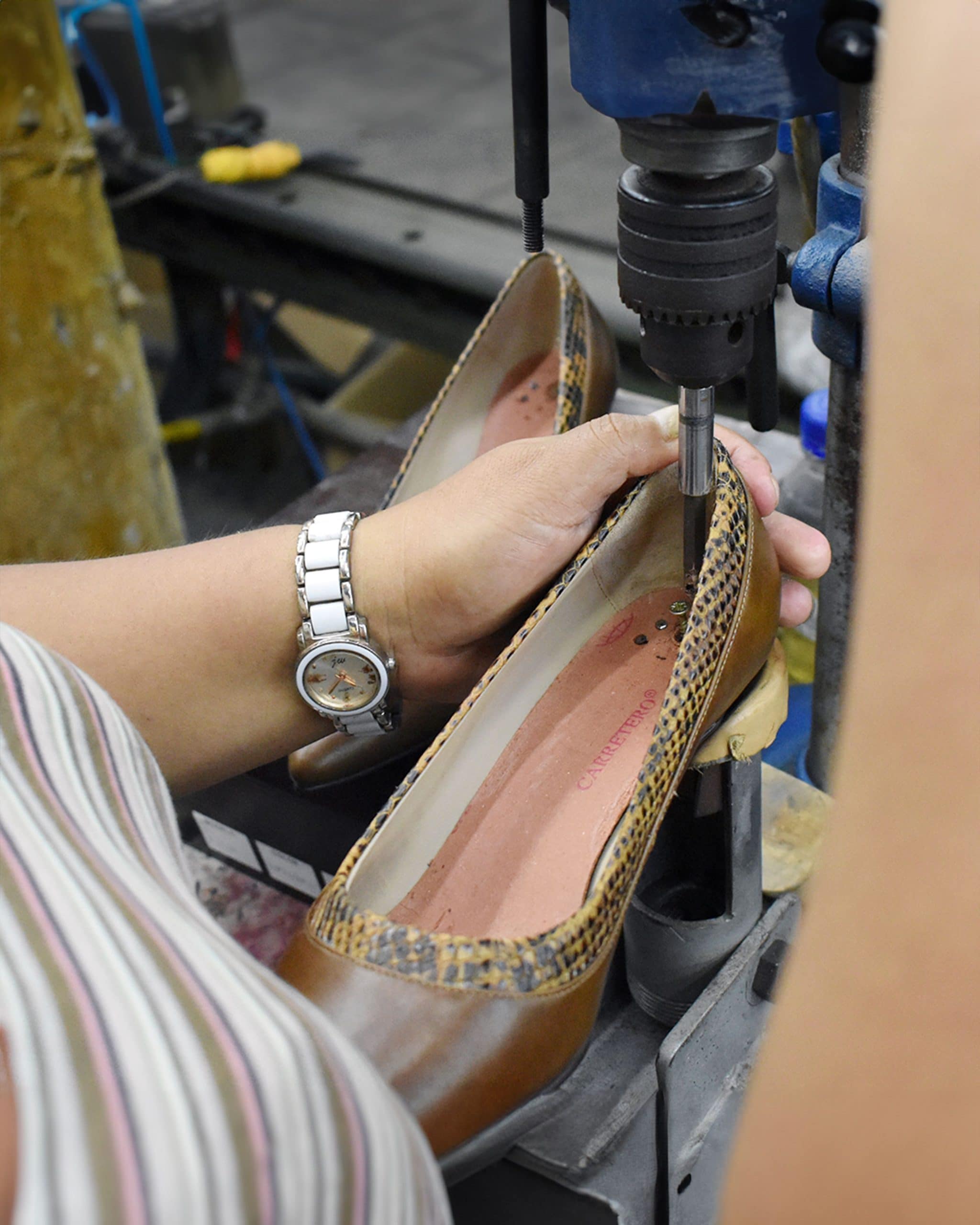
Kanpur’s leather manufacturing industry produces a wide range of footwear, including shoes, sandals, chappals, shoe uppers and industrial footwear. The city is also known for sole leather and safety footwear. These products serve different markets, from everyday consumers to industrial workers who require durable protective footwear. Its manufacturing base includes both large businesses and smaller enterprises.

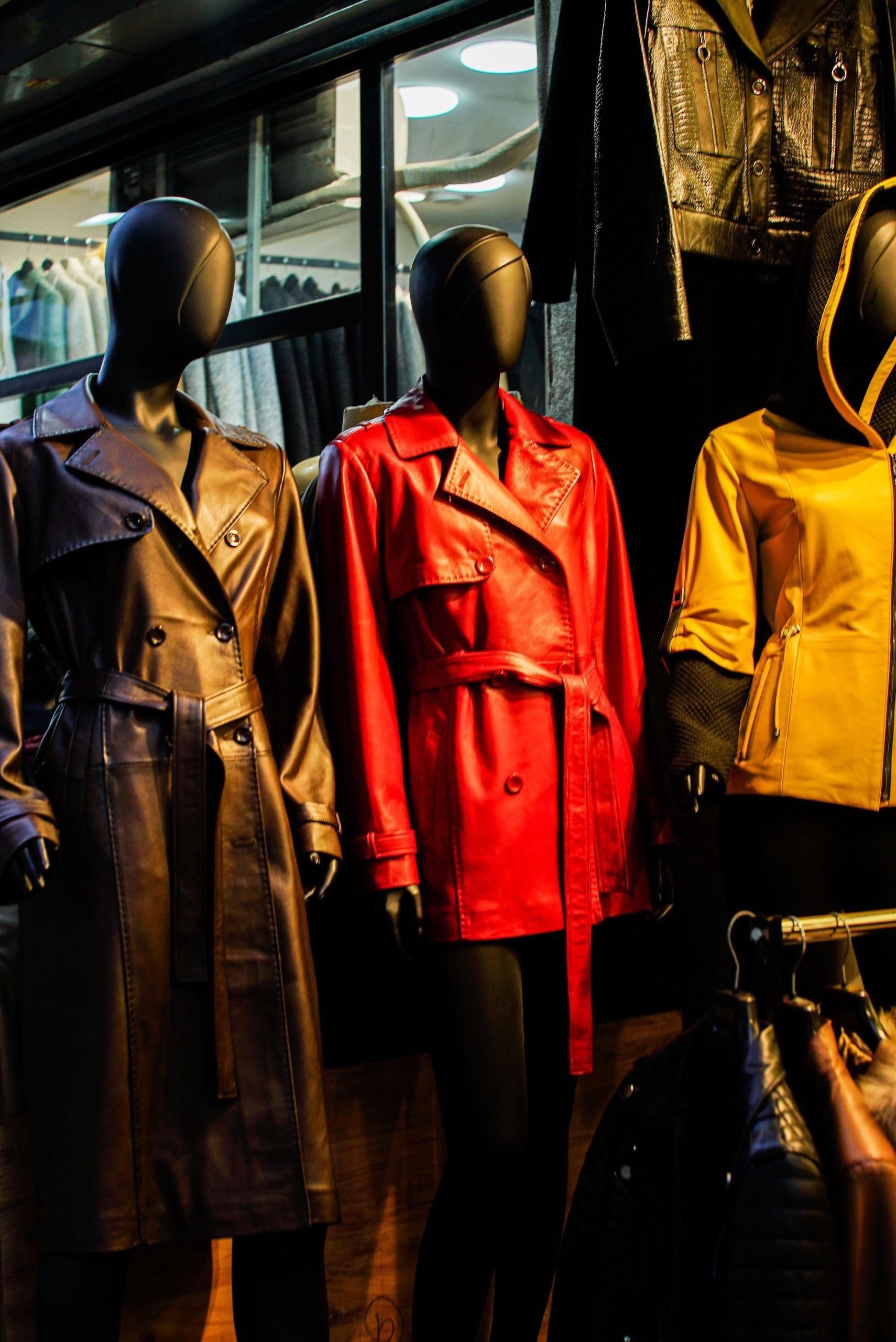
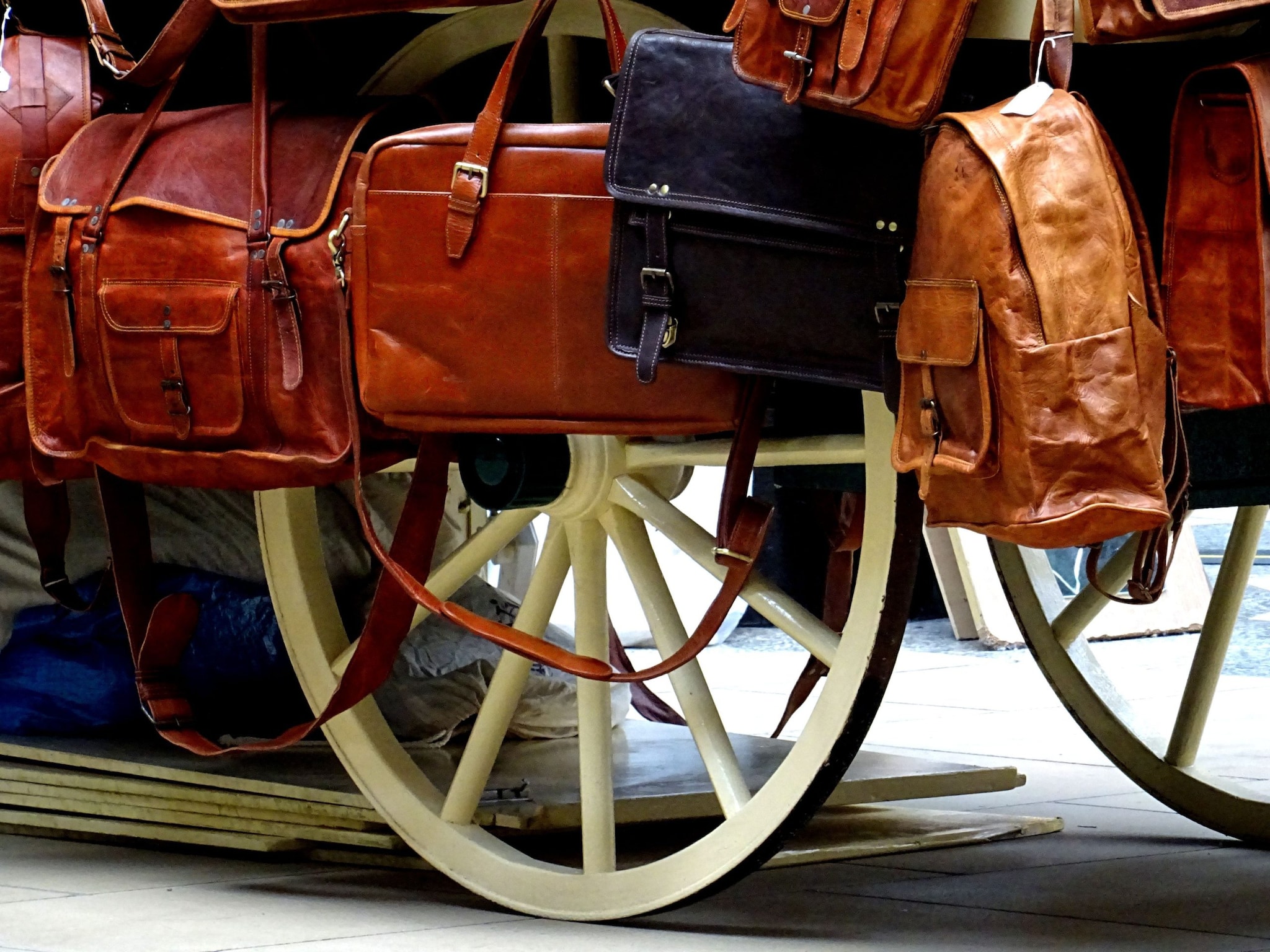
Beyond footwear, Kanpur has a strong presence in leather goods and accessories. Local manufacturers produce items such as belts, wallets, bags and other leather products for domestic buyers and export markets. The city’s established supply chain, skilled workforce and access to finished leather have helped businesses cater to different product categories and customer requirements.
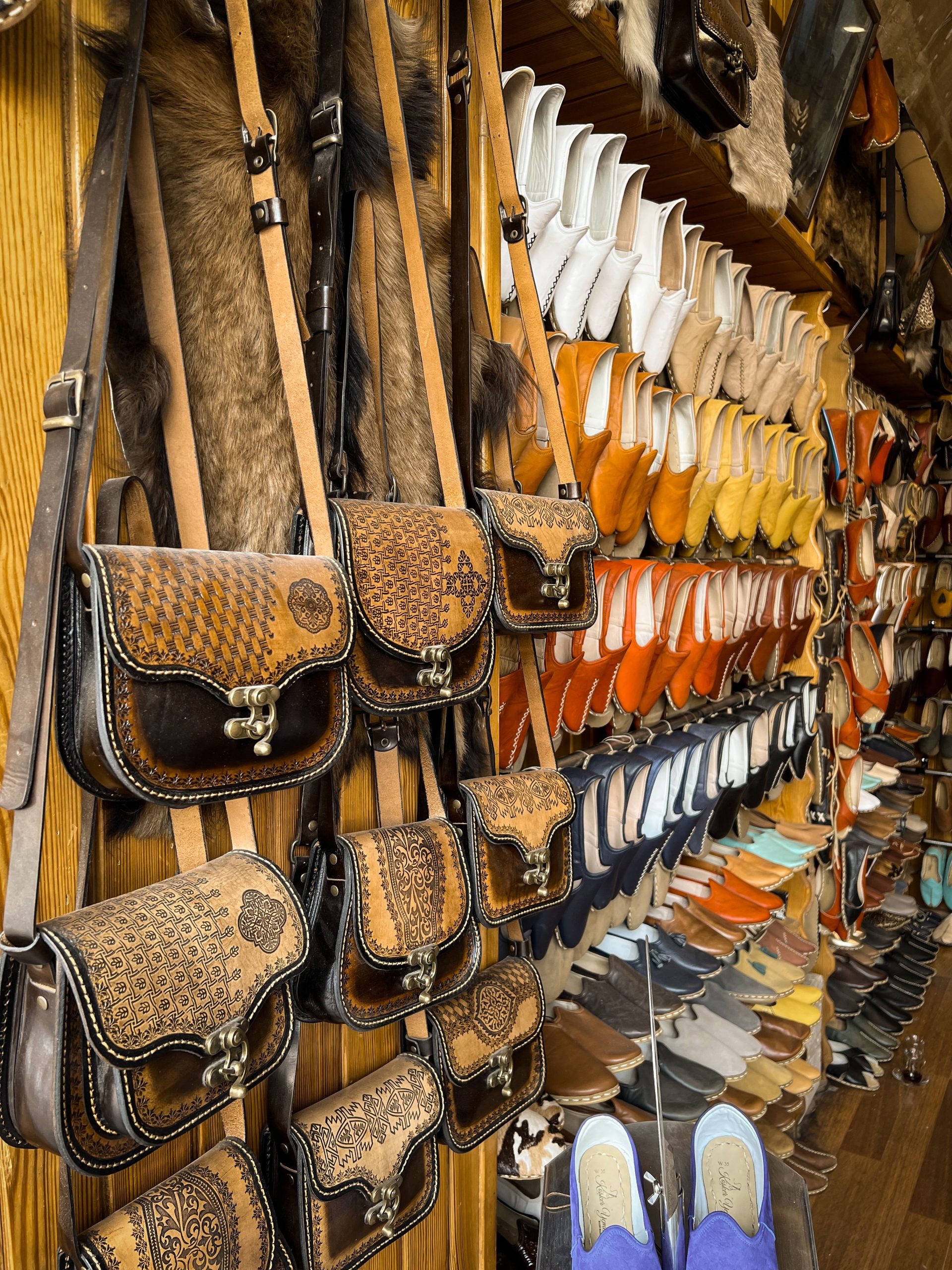
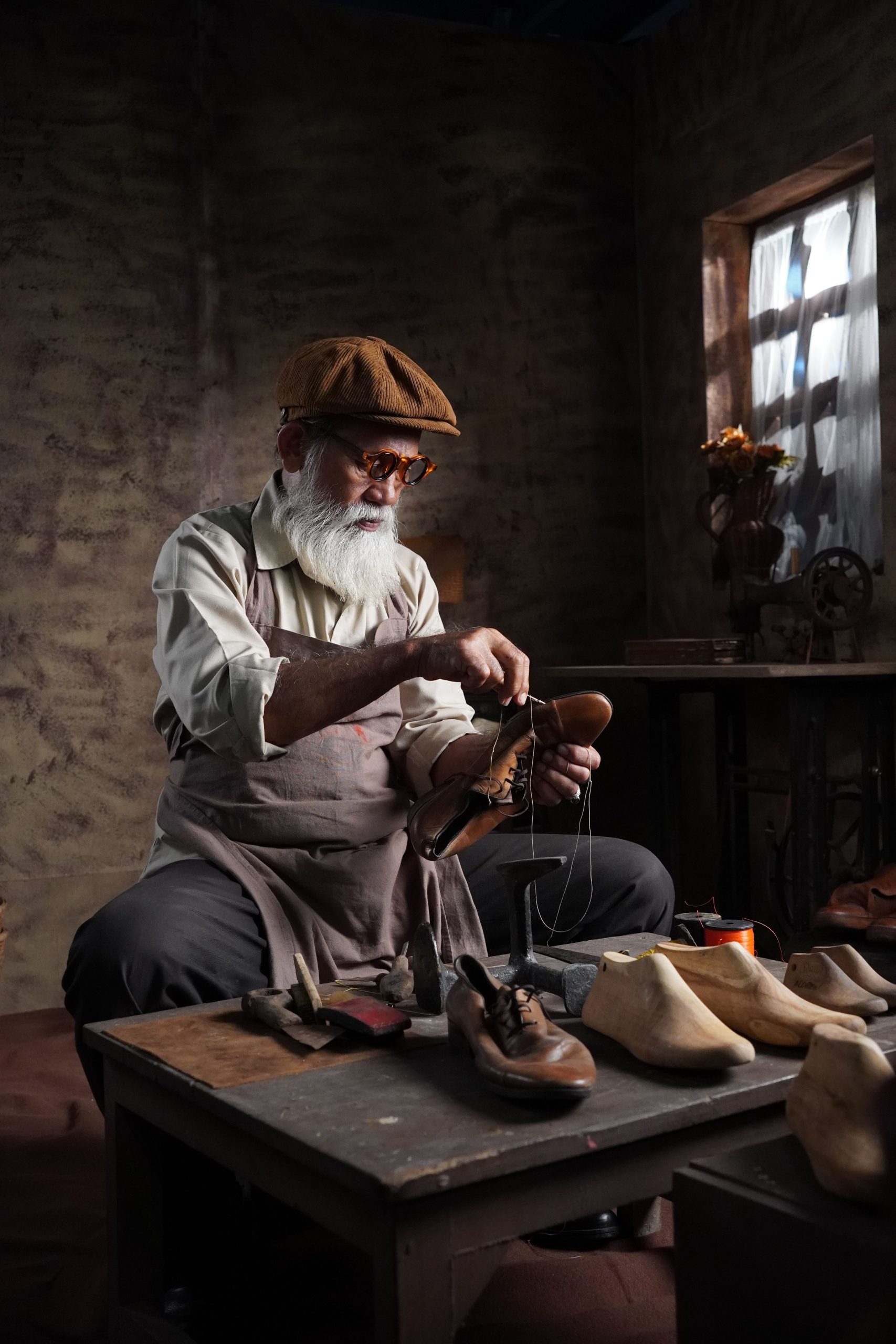
The city’s leather industry depends on a workforce with specialised knowledge of cutting, stitching, shaping, finishing and assembling leather products. In the saddlery sector, craftsmanship is particularly important, as products such as saddles and harnesses need to be durable and carefully constructed. Skills passed down through generations continue to play a role alongside modern manufacturing techniques.

Kanpur is an important part of Uttar Pradesh’s leather export ecosystem, supplying finished leather, footwear, saddlery and other leather products. The state’s manufacturing network also includes Agra, Unnao and Noida. According to a July 2026 report by India Today, leather exports from the Kanpur region had risen to nearly Rs 7,000 crore, highlighting the city’s contribution to India’s leather trade.
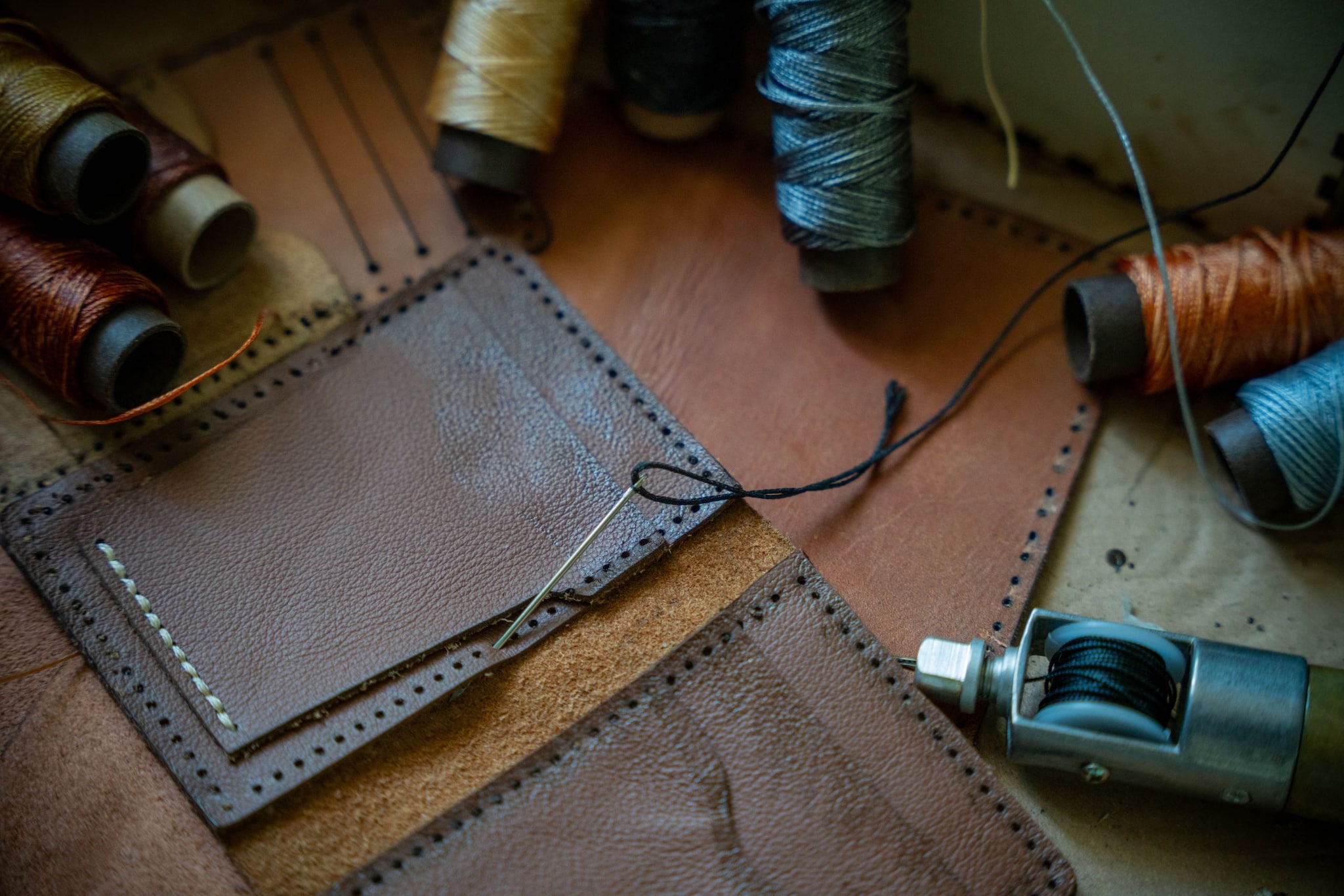
Kanpur’s leather sector is looking towards modern infrastructure, better manufacturing technology and improved environmental compliance to remain competitive. Government-backed initiatives and proposed industrial projects, including the Mega Leather Cluster, aim to strengthen the region’s manufacturing ecosystem. With its legacy of tanning, footwear production and saddlery craftsmanship, Kanpur continues to be a significant name in India’s leather industry.


