


Tourist Alert: Krabi Temporarily Bans Swimming At Key Beaches, Here’s Why


Tourists heading to Thailand’s Krabi region will now have to pause their beach plans, as authorities have temporarily banned swimming at select beaches following sightings of jellyfish-like marine creatures. (Image: Pexels)
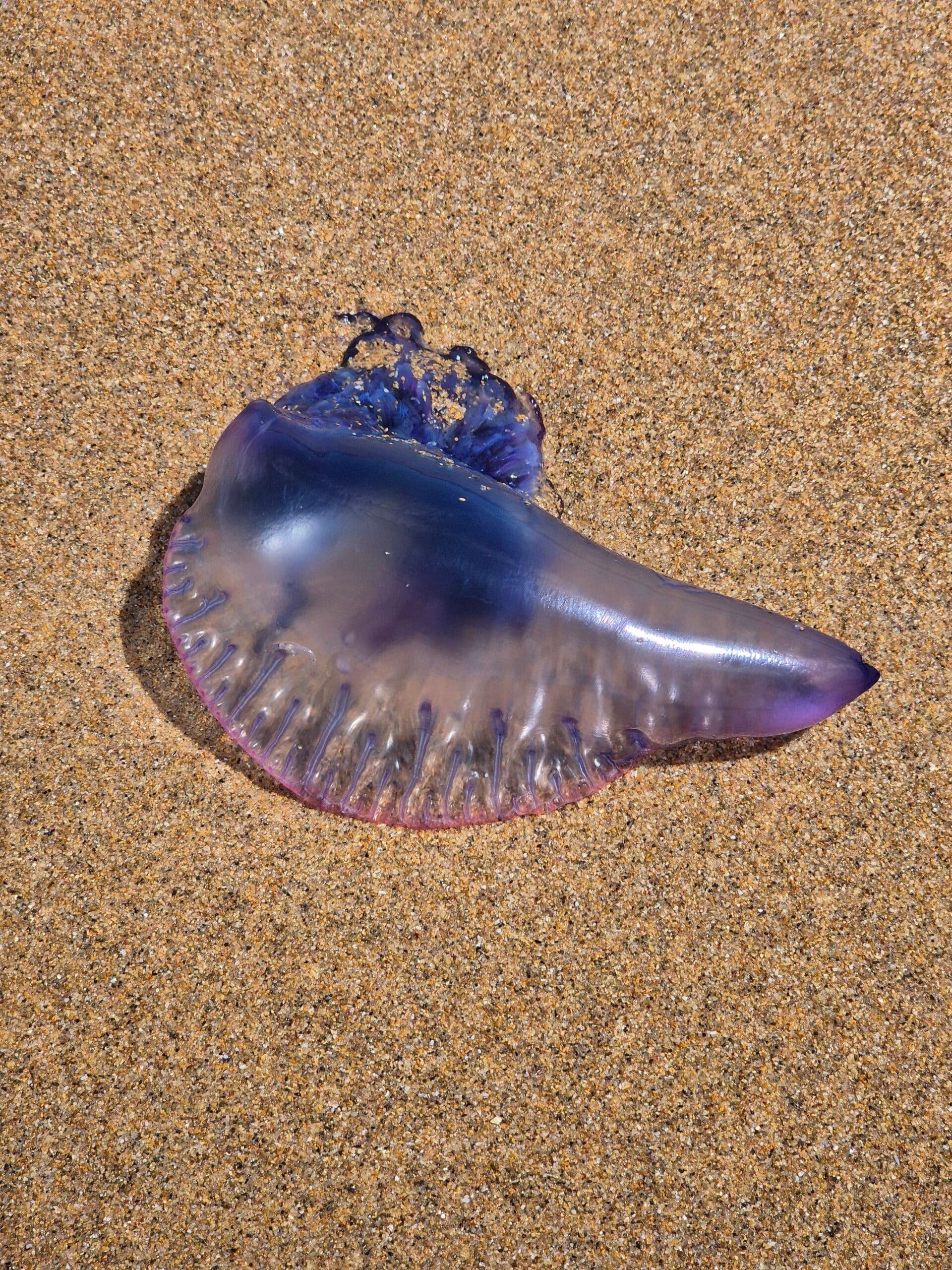
The decision comes after officials spotted Portuguese man-of-war, a highly venomous marine organism often mistaken for jellyfish, along the shores of two national parks in Krabi. As a safety measure, red flags have been raised and swimming has been strictly prohibited in affected areas until further notice. (Image: Pexels)
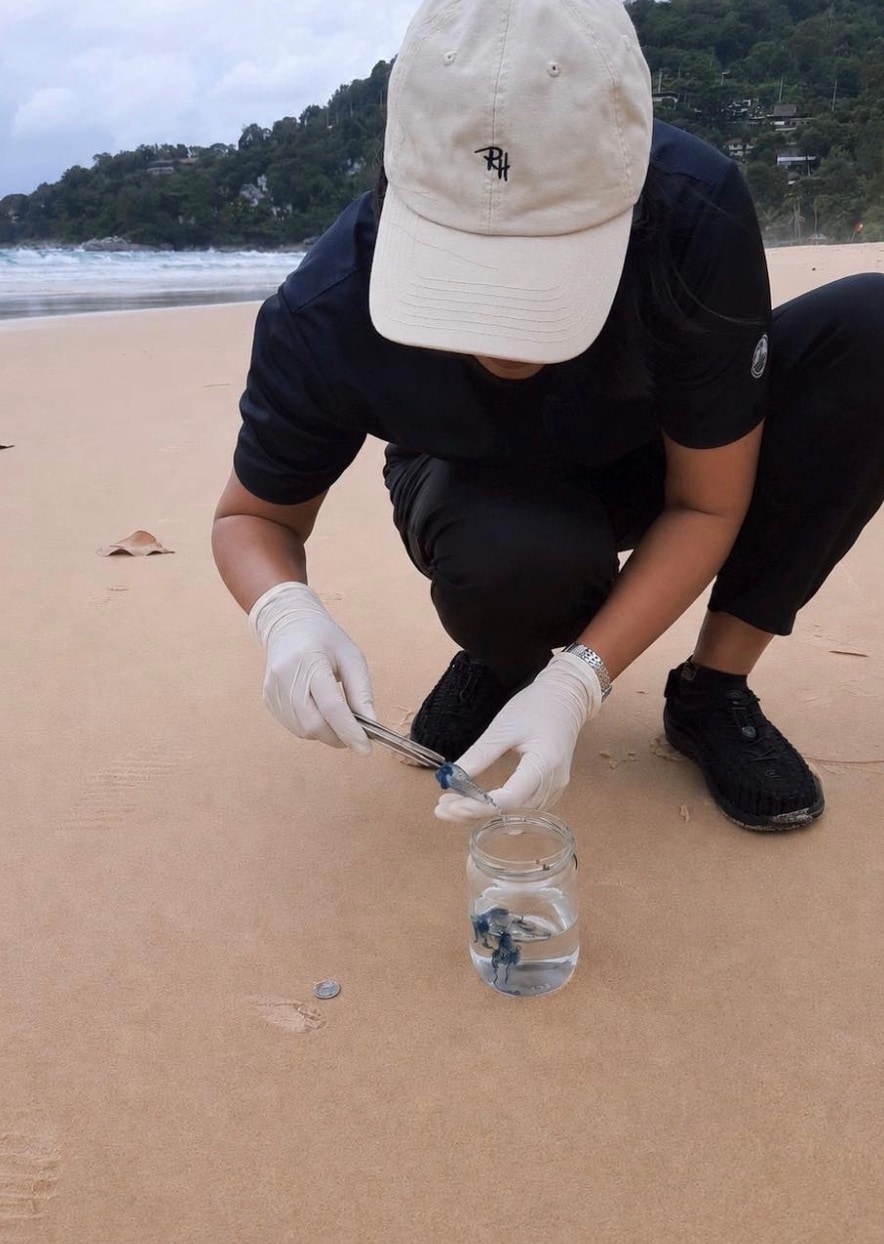
The ban was introduced after routine beach patrols detected the presence of these dangerous sea creatures in parts of Mu Ko Lanta National Park and Hat Noppharat Thara-Mu Ko Phi Phi National Park. Authorities acted quickly to prevent any risk to tourists and locals visiting the beaches. (Image: Instagram/@sawasdee.thailand.official)
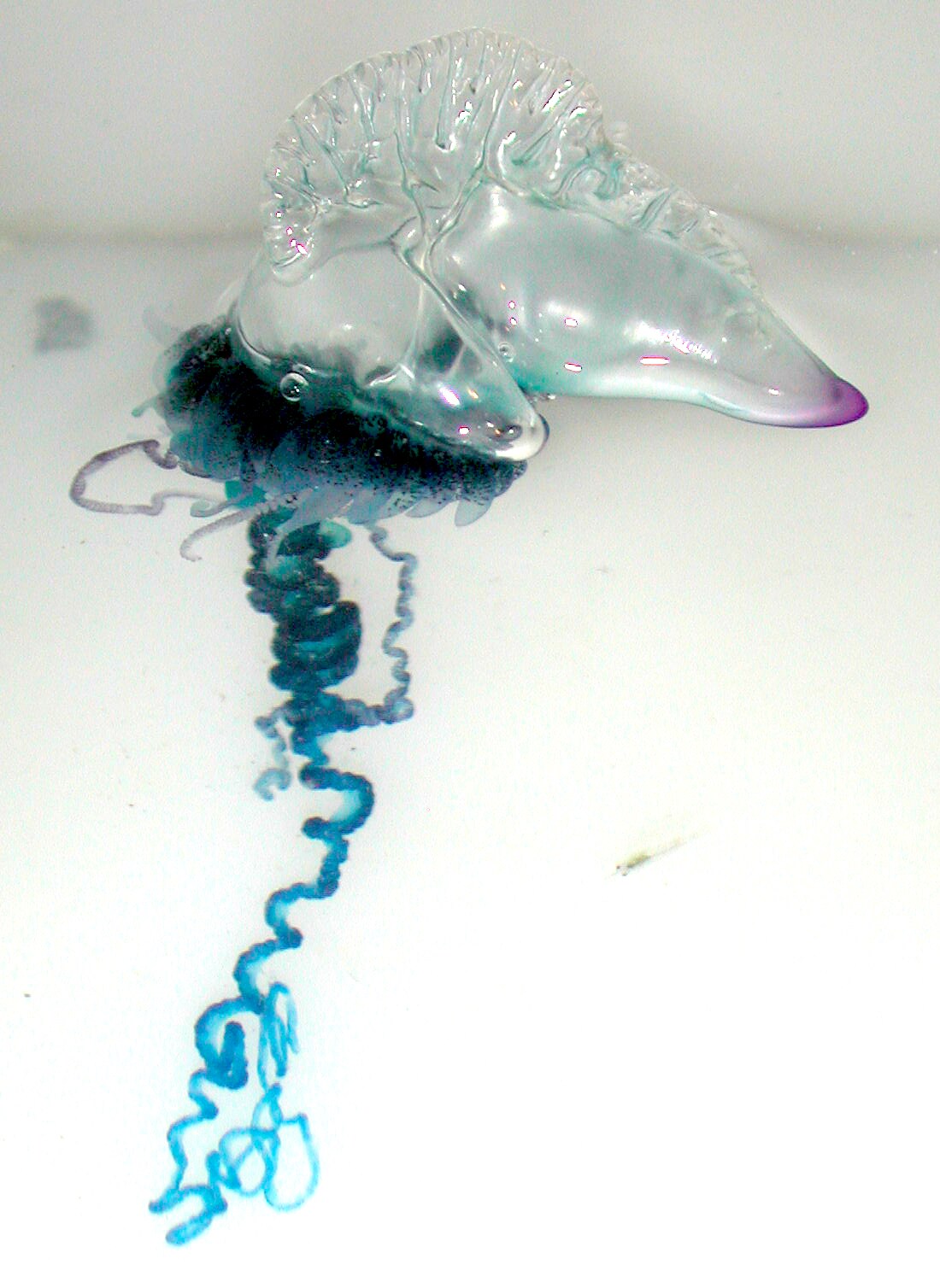
The Portuguese man-of-war is known for its striking blue-purple float and long tentacles, which can cause severe pain and injury if touched. Even when washed ashore or dead, the creature can still remain dangerous due to its active venom. Despite its jellyfish-like appearance, the Portuguese man-of-war is not a true jellyfish. It is actually a floating colony of organisms that work together as one. It drifts on ocean currents and uses its long tentacles to capture prey. (Image: Wikimedia Commons)

Officials warn that contact with its tentacles can lead to intense burning pain, skin irritation and rashes. In severe cases, breathing difficulty or stronger allergic reactions. Because of these risks, authorities have urged visitors not to touch or pick up any washed-up marine creatures on the beach. (Image: Pinterest)

Lifeguards and park officials are monitoring the coastline continuously, and warning flags have been placed to alert tourists about unsafe swimming conditions. (Image: Pexels)

Visitors are being advised to follow strict safety guidelines: Avoid entering the water where red flags are displayed; do not touch or handle marine creatures on the beach; wear protective footwear when walking near the shore; report sightings to lifeguards or park authorities immediately. (Image: Pexels)


