


Wearable sleep trackers: Are they helping your health or causing anxiety?


Wearable health trackers, from Fitbits to Apple Watches and WHOOP bands, have become ubiquitous, transforming “sleep score” into a common talking point in social and professional circles. These devices promise unparalleled insight into our nocturnal habits, but what is the true impact of this deluge of data on our health and wellbeing?
We consulted sleep experts to weigh the benefits against the potential drawbacks of sleep tracking.
These popular gadgets typically offer a range of metrics. Dr Lizzie Hill, a clinical scientist and senior lecturer in sleep physiology at the University of the West of England (UWE), explains: “They’re usually pretty good at measuring when you first get into bed and fall asleep, when you wake up and get out of bed in the morning and how long it takes you to get to sleep, which is called sleep latency.”
Most modern wearables also estimate sleep stages, providing graphs of “light sleep, deep sleep and REM sleep, which is your dreaming sleep stages,” according to Dr Hill. They can also indicate “the fragmentation of your sleep, so how many times you’re waking up during the night, or how restless you are.”
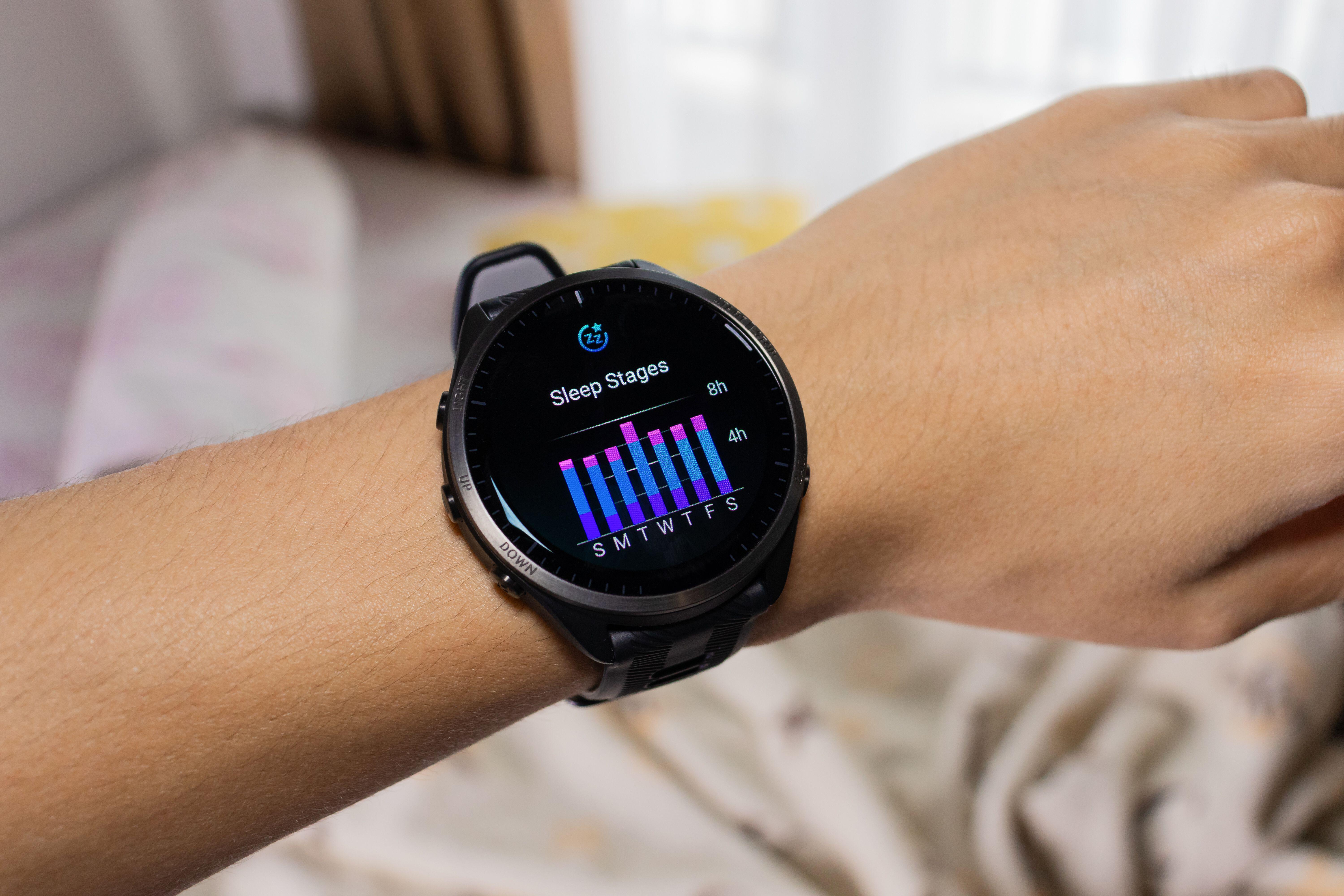
Some advanced models even “estimate oxygen saturation as well,” notes Dr Oliver Bernath, a consultant neurologist and sleep physician at Central Health London. However, the “overall sleep score” – a key focus for many users – is often “almost meaningless,” Dr Hill cautions, as its derivation is rarely transparent.
Despite these caveats, sleep tracking offers tangible benefits. Dr Hill highlights its utility in “monitoring your sleep can tell you if your sleep is fairly regular or if it varies day to day,” providing a clear picture of both daily and long-term patterns. This accessible data can “help you monitor any changes.”
Dr Bernath adds that it can “help people recognise how little they are actually sleeping, which often triggers people to make more of an effort to get a longer duration of sleep.” Dr Hill concurs, noting that understanding bed and wake times can be “quite useful if you’re actively trying to make changes,” encouraging consistency to “strengthen your internal body clock.”
Yet, the pursuit of perfect sleep data can have downsides. Dr Hill warns of “orthosomnia,” an “unhealthy obsession with monitoring your own sleep and trying to perfect it.”
She explains: “Sleep is such a delicate and sensitive process, so once you start to get obsessed with it, it can often actually make it worse.” This can lead individuals to “undo the good sleep that they already have” in an attempt to improve what is already sufficient.
Dr Bernath points to the risk of panic and self-diagnosis, citing referrals from patients “panicking who think that they have sleep apnoea when they get these low readings” from oxygen saturation estimates, which can cause “a bit more anxiety than necessary.”
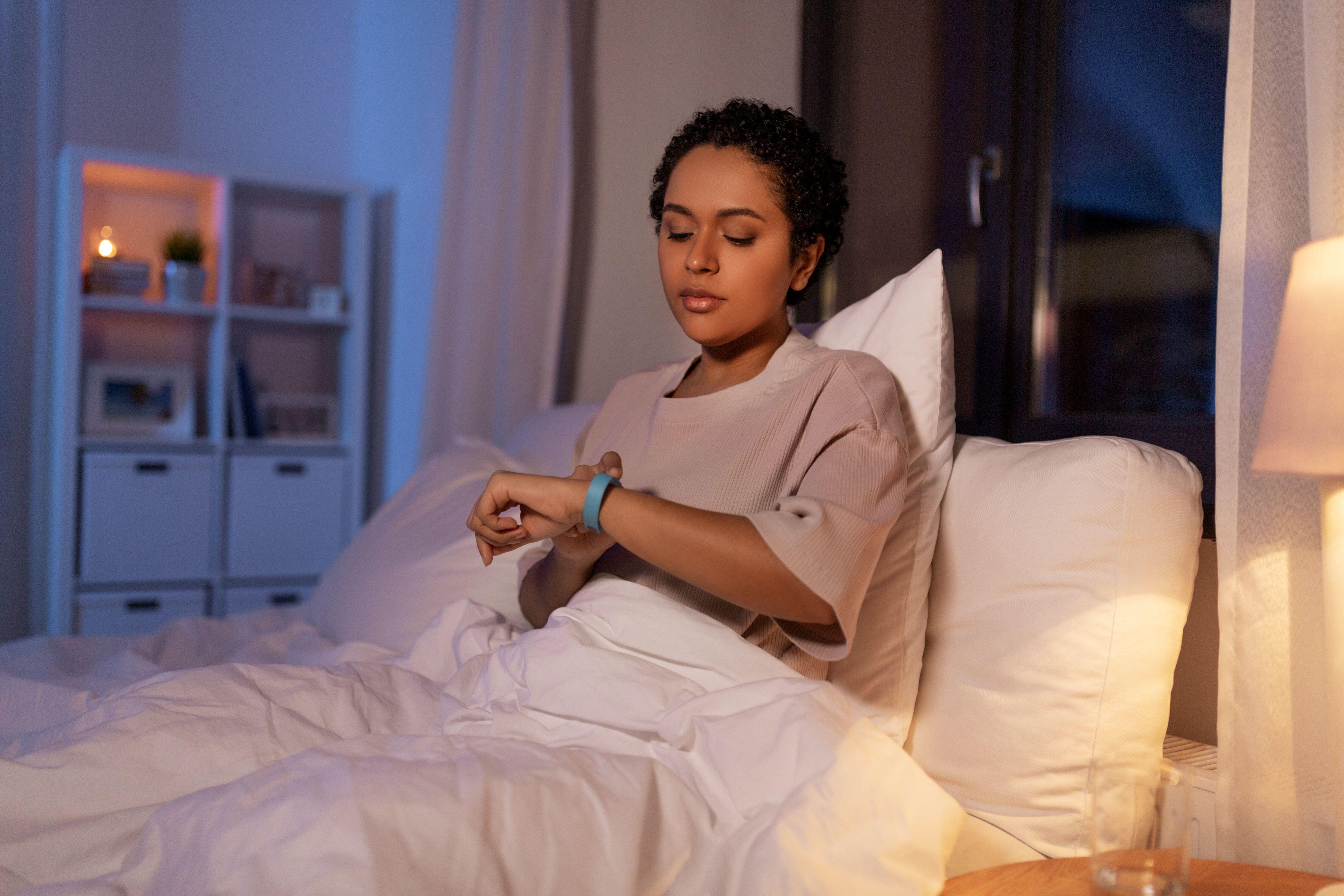
Furthermore, the accuracy of these metrics is often questionable. Dr Hill states that while devices “spit out lots of numbers and percentages, but the accuracy of these varies wildly from device to device,” as many “haven’t ever been validated against gold standard measures of sleep and wake.”
She finds that “the bedtime and rise time tends to be quite good, but everything else can often be a bit of a guess work.” Finally, Dr Hill suggests that relying on devices can detract from “subjective monitoring,” leading people to “not listen to their bodies in the way that they normally would” by outsourcing their perception of sleep quality.
Ultimately, experts offer a balanced view. Dr Bernath concludes that “these devices are generally good,” noting improved accuracy and a positive shift towards greater attention to sleep. He advises focusing on “the main two data areas I would focus on would be the total sleep time and the regularity of the timing of sleep.”
Dr Hill agrees, stating that for “the absolute basics, like when did you go to bed? When did you wake up? How long did you sleep? That tends to be quite accurate. However, the finer detail isn’t always accurate, so don’t get too hung up on that.” Both experts stress the importance of personal intuition.
Dr Hill reiterates: “there’s no substitute for listening to your own body.” She advises that feeling refreshed upon waking is the true indicator of good sleep. If, however, “you wake up after a significant number of hours of sleep and you don’t feel refreshed, or you still feel tired, that might be the sign that there’s something else going on.” In such cases, she recommends consulting a GP.


