


What is alopecia? Experts explain the hair loss condition after Melanie Sykes update


Broadcaster Melanie Sykes has once again opened up about her ongoing battle with alopecia, sharing new images on Instagram that reveal the extent of her hair loss.
The 55-year-old previously disclosed she was “two-thirds bald” due to the condition, which she was diagnosed with last year alongside a heart condition and widespread inflammation, which she has attributed to prolonged stress and PTSD.
Her candidness has brought renewed attention to alopecia, prompting questions about its symptoms, prevalence, and treatment options. Anabel Kingsley, brand president and lead trichologist at Philip Kingsley, sheds light on the condition.
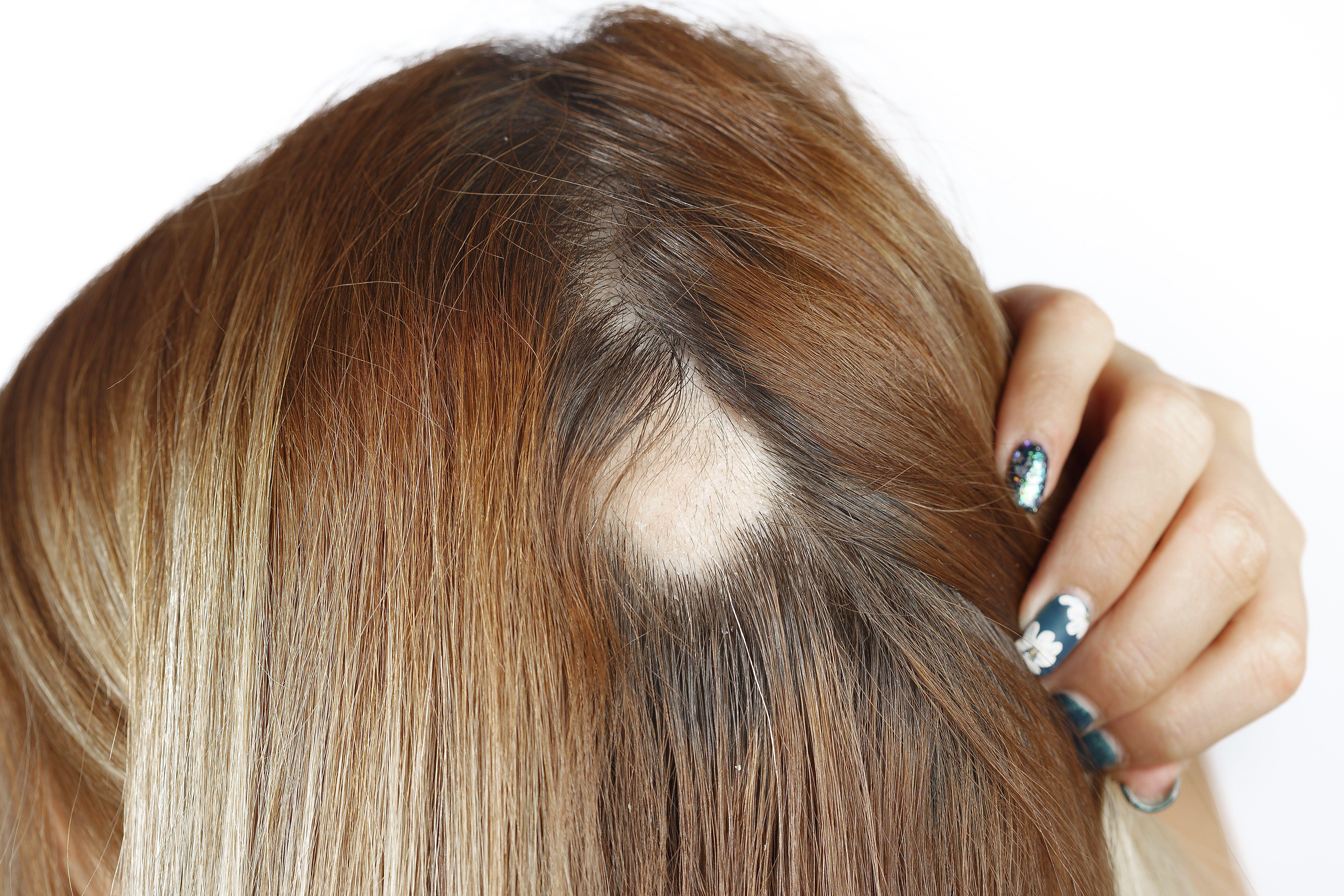
“Alopecia means any type of hair loss, so any type of hair loss falls under the umbrella term of alopecia,” Kingsley explains. However, she clarifies that Sykes is likely referring to alopecia areata, an autoimmune form of hair loss. This specific type occurs when the body’s immune system mistakenly targets hair follicles.
Normally, hair follicles benefit from “immune privilege,” meaning they are hidden from the immune system. “But with alopecia areata, this immune privilege breaks down and your immune system starts to attack hair follicles on your scalp, like they’re a foreign body – as it would a virus – and this causes hair loss,” Kingsley details.
One of the most striking characteristics of alopecia areata is its sudden onset. “It can happen really suddenly,” Kingsley notes, with severity ranging from “really teeny tiny patches with no hair to covering the whole scalp or all body hair, which is more rare.” The patches are typically distinctive, appearing as “circular or oval” areas that are “totally bald or can have a few white hairs in there.”
Lesser-known indicators include “exclamation mark hairs,” which are thicker at the top and thinner at the bottom. Kingsley warns that if these hairs are present, “it means the patch is active, so it’s likely to get bigger.” For anyone concerned, early intervention is crucial, with advice to consult a GP or a hair specialist like a trichologist as soon as possible.
While the precise cause of alopecia areata remains elusive, it is understood to be an autoimmune condition often exacerbated by stress and inflammation. “We don’t know exactly what causes it, but triggers are thought to be intense stress, certain illnesses, sometimes trauma to the scalp and you’re more likely to get it if you have other autoimmune conditions,” Kingsley states.
The condition can affect anyone, though certain age patterns exist. “You’re more likely to get it when you’re younger, but I do think it becomes more common in perimenopause and menopause again, because of hormonal shifts,” she says, also noting its prevalence in children.
For many, the hair follicle itself is not severely damaged, allowing for natural regrowth without intervention. “Often the patches just grow back on their own with no treatment within about six months,” Kingsley explains. However, she cautions that the condition is inherently unpredictable. “You can get one patch that just goes away, or you can get one patch and then find a lot of other patches – because it’s autoimmune, it’s unpredictable.”
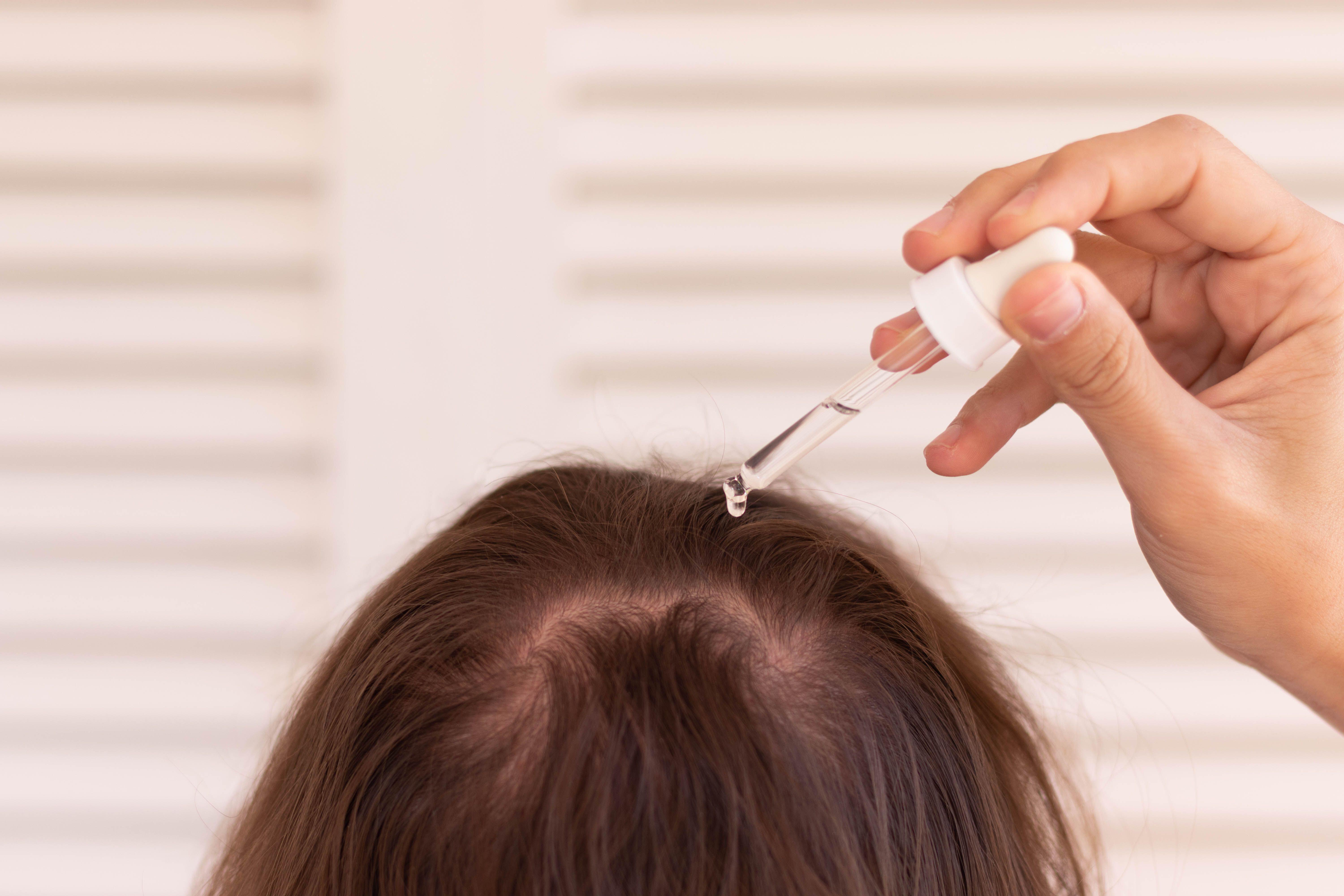
Treatment options are tailored to severity. “You can use treatments to try to help get the hair grow back, and things like topical minoxidil works quite well, especially when less than 30% of the scalp is involved,” Kingsley advises. More severe cases may require prescription treatments or specialist medications.
However, she underscores the challenge: “it’s quite tricky to treat, because you can’t just switch your immune system off.” Over-the-counter online products are generally ineffective for autoimmune hair loss, though Kingsley acknowledges that “when you are applying something to your scalp, it can help alleviate some of that stress, because you feel like you’re being proactive.”
The psychological impact of hair loss, particularly its visibility, can be profound. Kingsley stresses the importance of avoiding self-blame. “Many of my clients blame themselves for getting too stressed, but it’s not your fault, it’s an autoimmune condition. So don’t beat yourself up about it because really, there’s nothing you could have [done].”
While there is no definitive cure, a holistic approach to overall health can support hair growth. “Hair growth is really connected to your general health and your nutritional status. It’s really about taking a 360 holistic approach,” Kingsley says. This includes a balanced, non-restrictive diet rich in fresh foods and antioxidants.

She also highlights a “link between alopecia areata and vitamin D deficiency,” recommending monitoring levels and considering supplements if necessary.
“Generally people think hair loss is a man’s problem, but it affects women,” Kingsley concludes, encouraging those affected not to feel isolated. “I think it’s great that celebrities are speaking out more about it, because it makes other women and men feel less alone.”


