


When a child says “I hate school”: 4 reasons behind it that are not laziness


Every child occasionally complains about school. Undoubtedly, there are times when early morning schedules, homework, or exams take a toll on the child’s mind. However, not every “I hate school” emotion is a tantrum or laziness, sometimes, it’s related to a deeper issue. Since children don’t have the vocabulary to express themselves, they tend to express their frustration through anger or resistance towards school. Understanding the real reason behind those words can help parents support their child. Here are four possible reasons why a child may say they hate school:
They may be facing bullying or social exclusion
A child may not be facing obvious bullying, but subtle actions by peers can make them feel socially excluded. Being ignored by friends, feeling excluded, or mocked can make children feel unsafe in the classroom.Many children hesitate to tell adults because they fear embarrassment or worry the situation will worsen. That is why when children say they hate school, parents should gently explore whether the problem is connected to friendships or peer relationships.
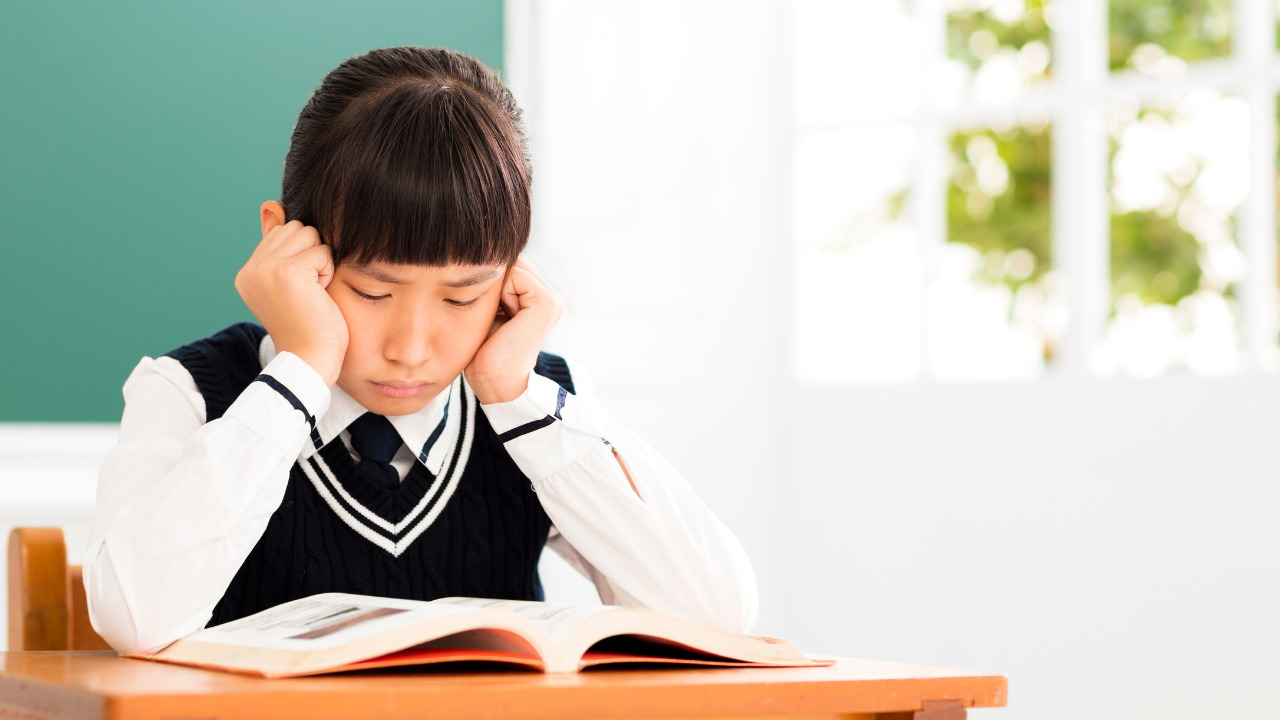
They may be struggling academically
Every child does not learn at the same pace. Some children struggle with academics or keeping up with classmates. When children feel they are constantly falling behind, they start to feel school is something “stressful” rather than “enjoyable.” For parents, it is important to notice patterns such as avoiding homework or saying “I can’t do this,” because what children need in such situations is support and reassurance.
They may feel overwhelmed by pressure and expectations
A child may feel he’s being evaluated in every step he takes, be it academics or extracurricular activities. This feeling of judgement can easily take the shape of pressure and fear of disappointing parents. A child who feels overwhelmed may not openly say, “I’m under pressure” and instead may say “I hate school.”To help the child get out of such a situation, parents must reassure children that their efforts matter more than grades and there’s always room for mistakes.
They may feel disconnected or misunderstood
Any child who thinks differently or has unique interests may struggle with ordinary school routines. This makes them hate, not learning, but the way they’re pressured to fit in the school environment. Such children are often misunderstood. When children constantly feel misunderstood by teachers, classmates or even parents, school may begin to feel emotionally draining.In such a situation, it is important that parents listen to them without judgement, encourage their child’s strengths and try to create opportunities for them where they feel understood and valued. These validations give children strength.


