


Why Do Snakes Enter Homes? These Common Smells Could Be The Reason


Snakes are often spotted more frequently during the monsoon, when they search for food, shelter, and dry hiding spots. While they generally avoid human contact, certain conditions around your home can unintentionally attract them. Here are some common factors that may encourage snakes to linger nearby.
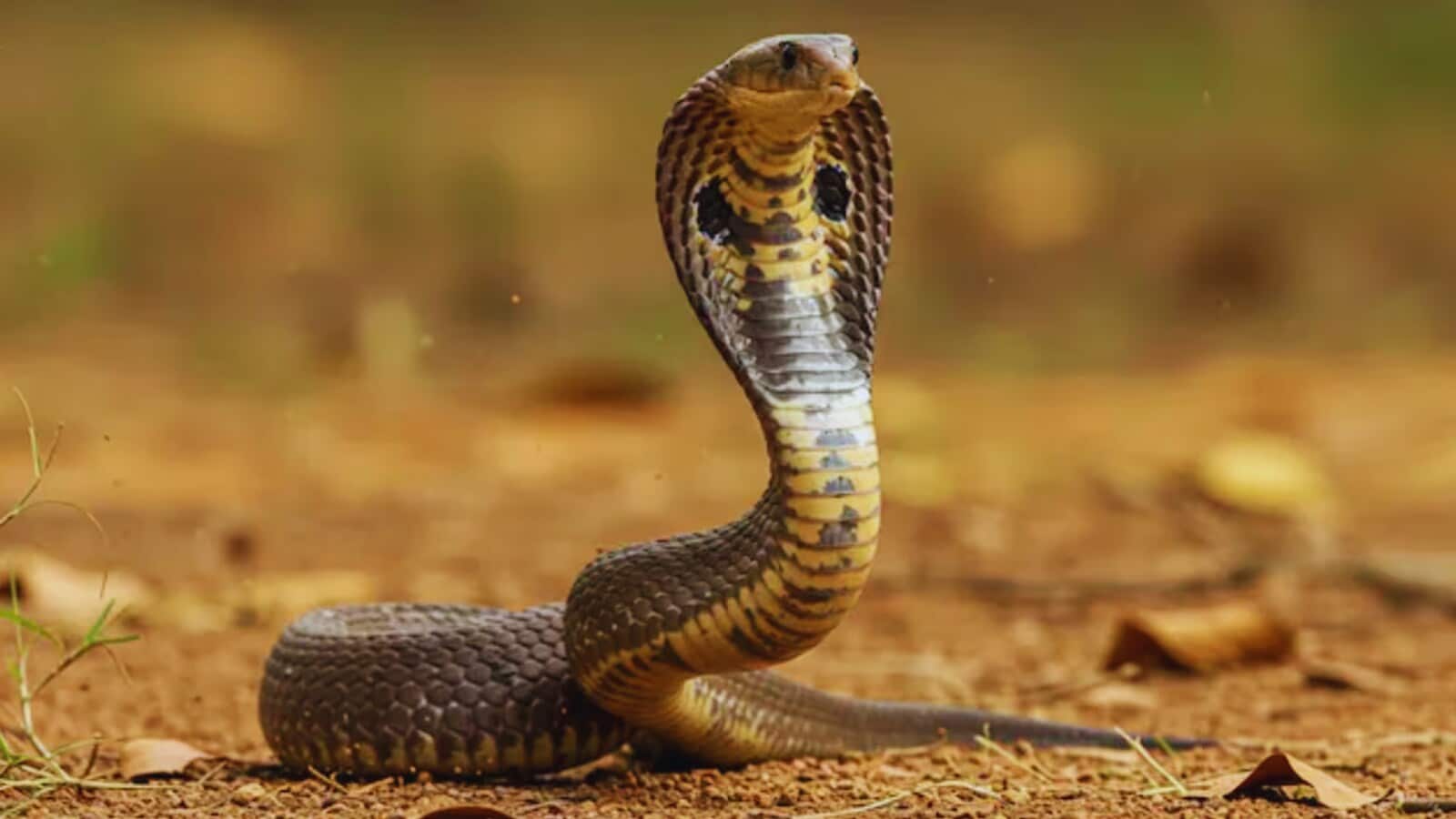
One of the biggest reasons snakes venture close to homes is the presence of rats and mice. Rodents are a major food source for many snake species, and areas with rodent activity naturally become attractive hunting grounds. Tip: Keep food sealed, dispose of waste properly, and address rodent infestations promptly.
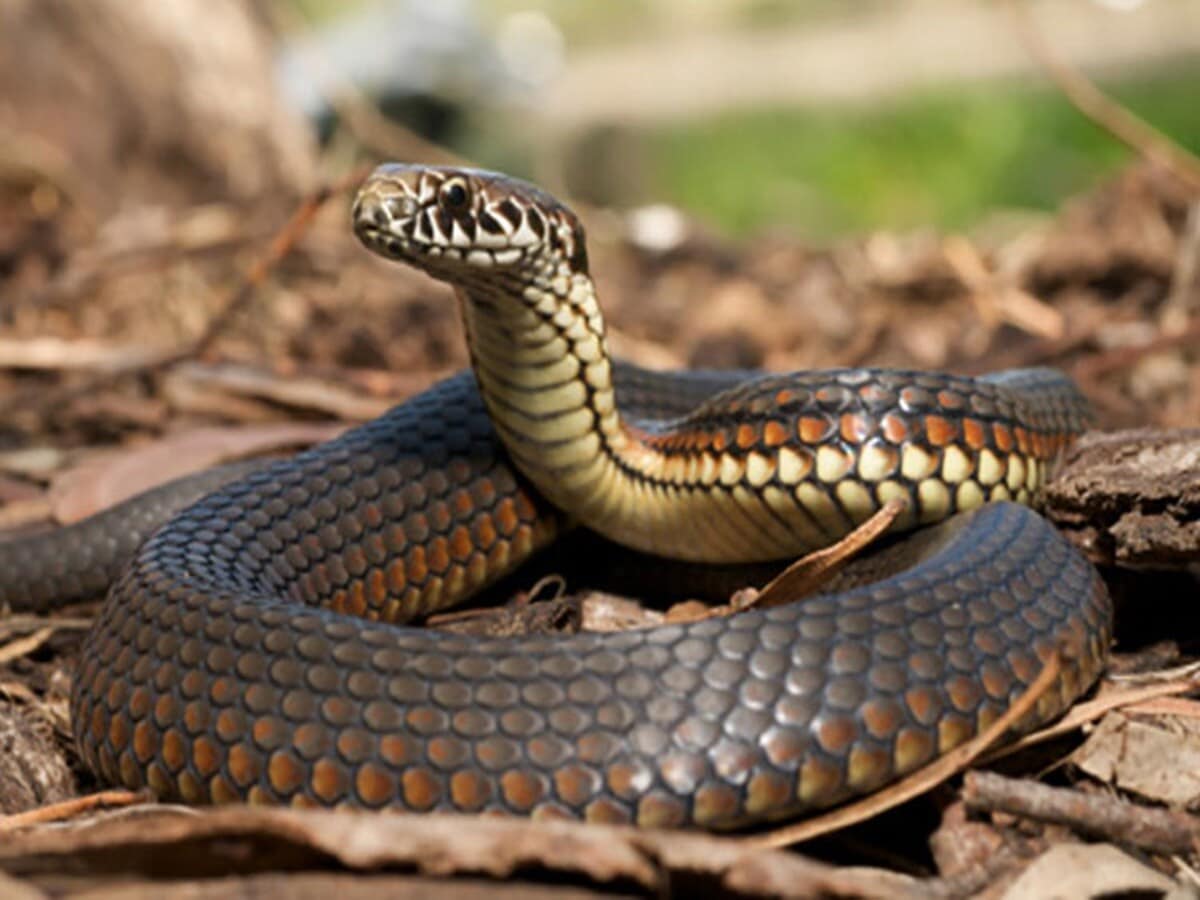
It is not just the rodents themselves—snakes can also detect the scent trails left behind by rat urine and droppings. These smells can signal the presence of potential prey. Tip: Regularly clean storage areas, garages, and corners where rodents may hide.
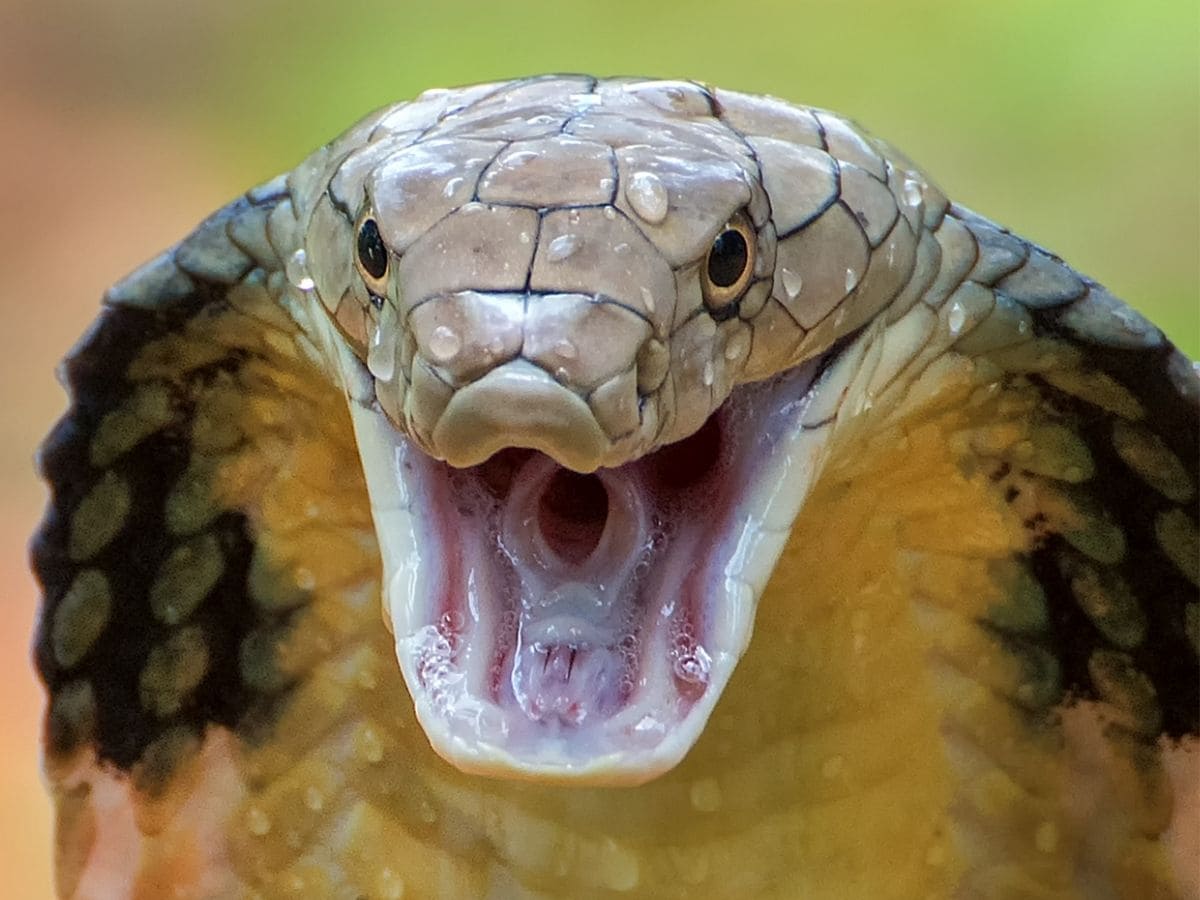
Some snake species feed on birds and their eggs. Trees, shrubs, or ledges where birds frequently nest can attract snakes looking for an easy meal. Tip: Keep an eye on nesting areas close to doors, windows, and rooftops.
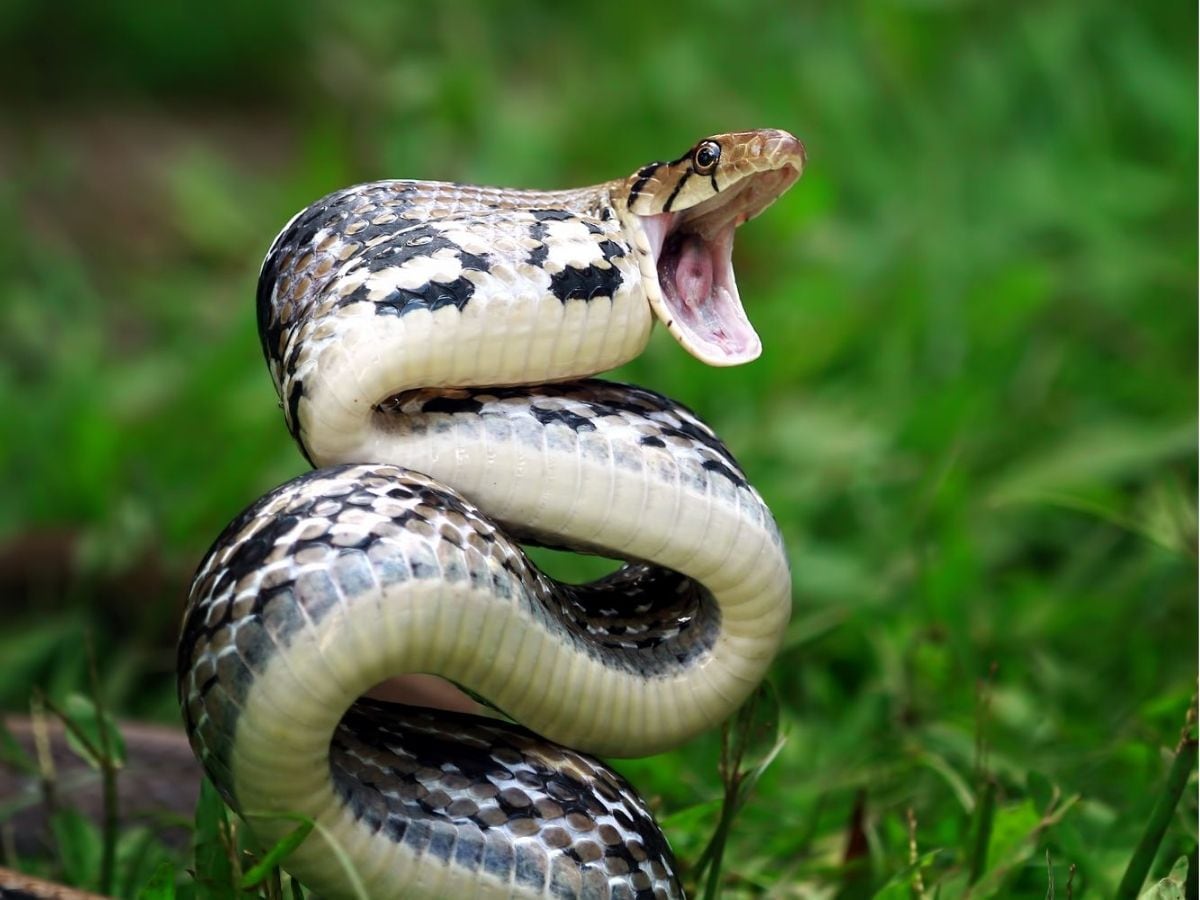
Fish, frogs, and other small aquatic creatures are part of many snakes’ diets. Garden ponds, water features, or stagnant water can attract prey—and, in turn, snakes. Tip: Maintain water bodies properly and avoid unnecessary water accumulation around your home.
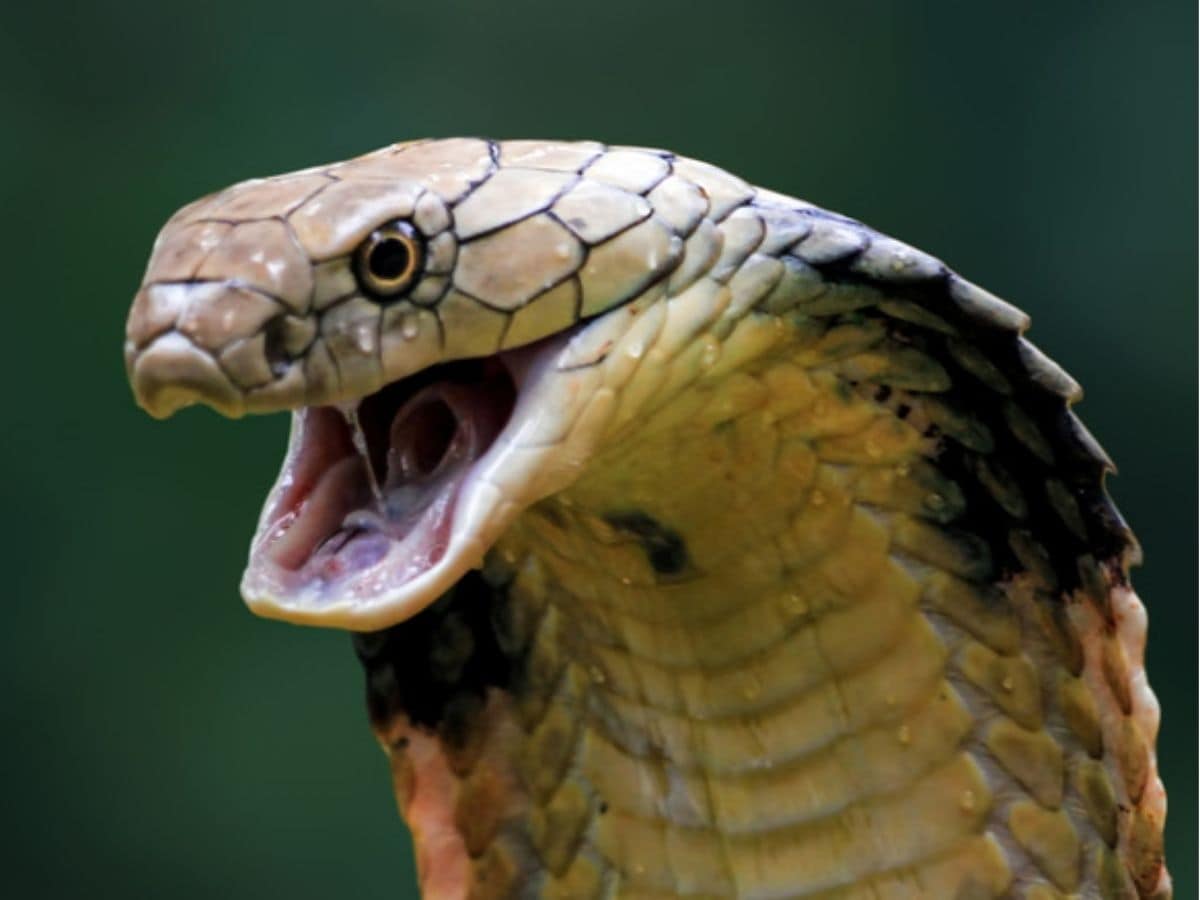
Snakes communicate using chemical signals known as pheromones. If one snake has already passed through or settled in an area, it may leave behind scent trails that can attract others. Tip: If you spot a snake, contact local wildlife authorities rather than attempting to handle it yourself.
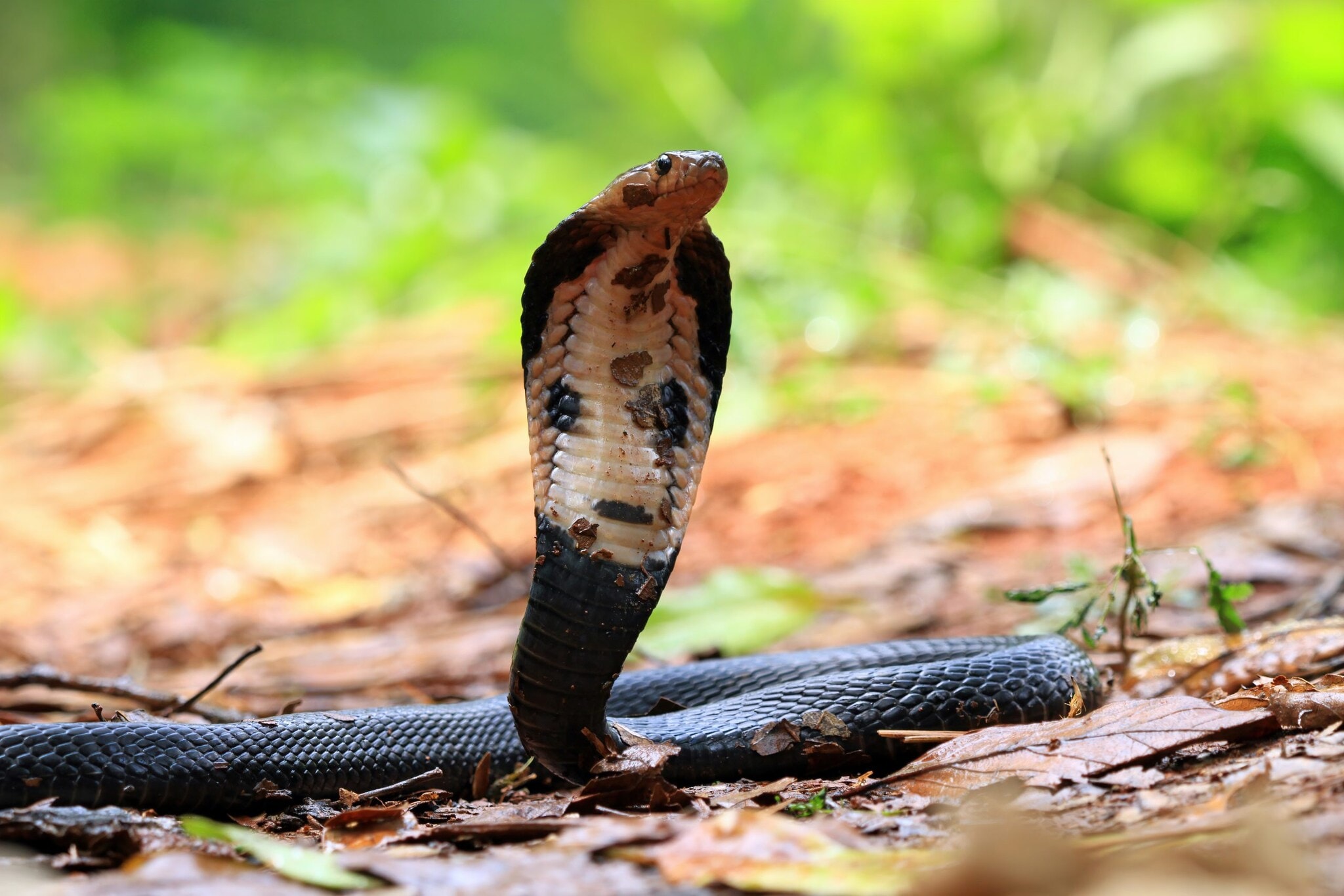
The best way to reduce the chances of snakes visiting your property is to eliminate what attracts them. Keep your surroundings clean, control rodent populations, trim overgrown vegetation, and remove standing water whenever possible. A well-maintained outdoor space is less likely to become a habitat for snakes.


