


Why Women Should Never Ignore Low Ferritin: Signs, Causes And Best Food Sources


What Is Ferritin?
Ferritin is a protein that stores iron in your body for future use. It helps support energy, healthy hair, brain function, and oxygen transport. Even if your iron levels seem normal, low ferritin can still affect your health.

Why Women Need Ferritin
Women are more likely to have low ferritin because of periods, pregnancy, childbirth, and lower iron intake, especially in vegetarian diets. Healthy ferritin levels help maintain energy, strong hair, and overall well-being.
Common Signs of Low Ferritin
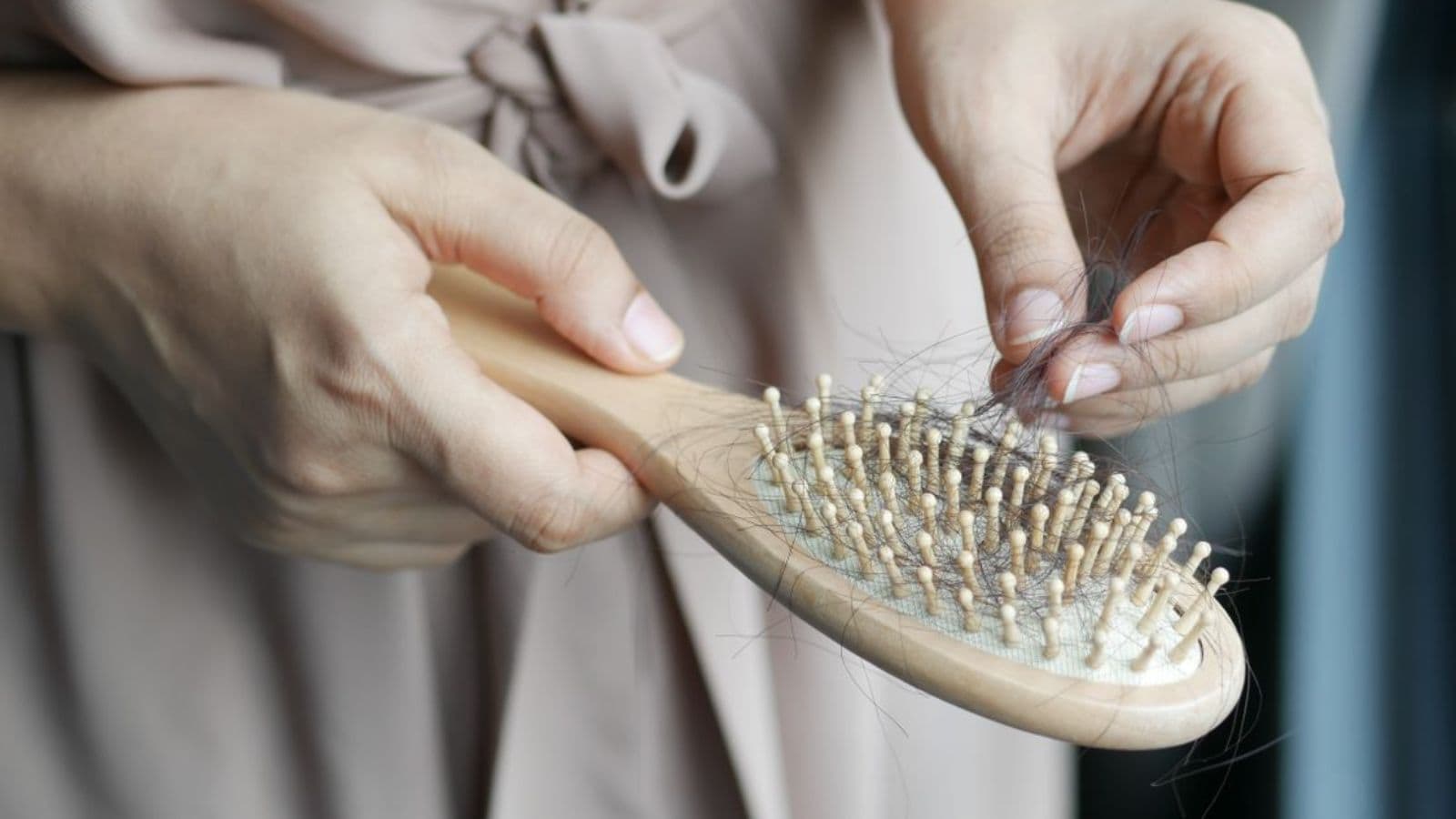
Low ferritin often causes constant tiredness, dizziness, brain fog, hair fall, brittle nails, feeling cold, and low mood. These symptoms are often mistaken for stress or hormonal changes.
Why It Often Goes Undetected (Image: AI)
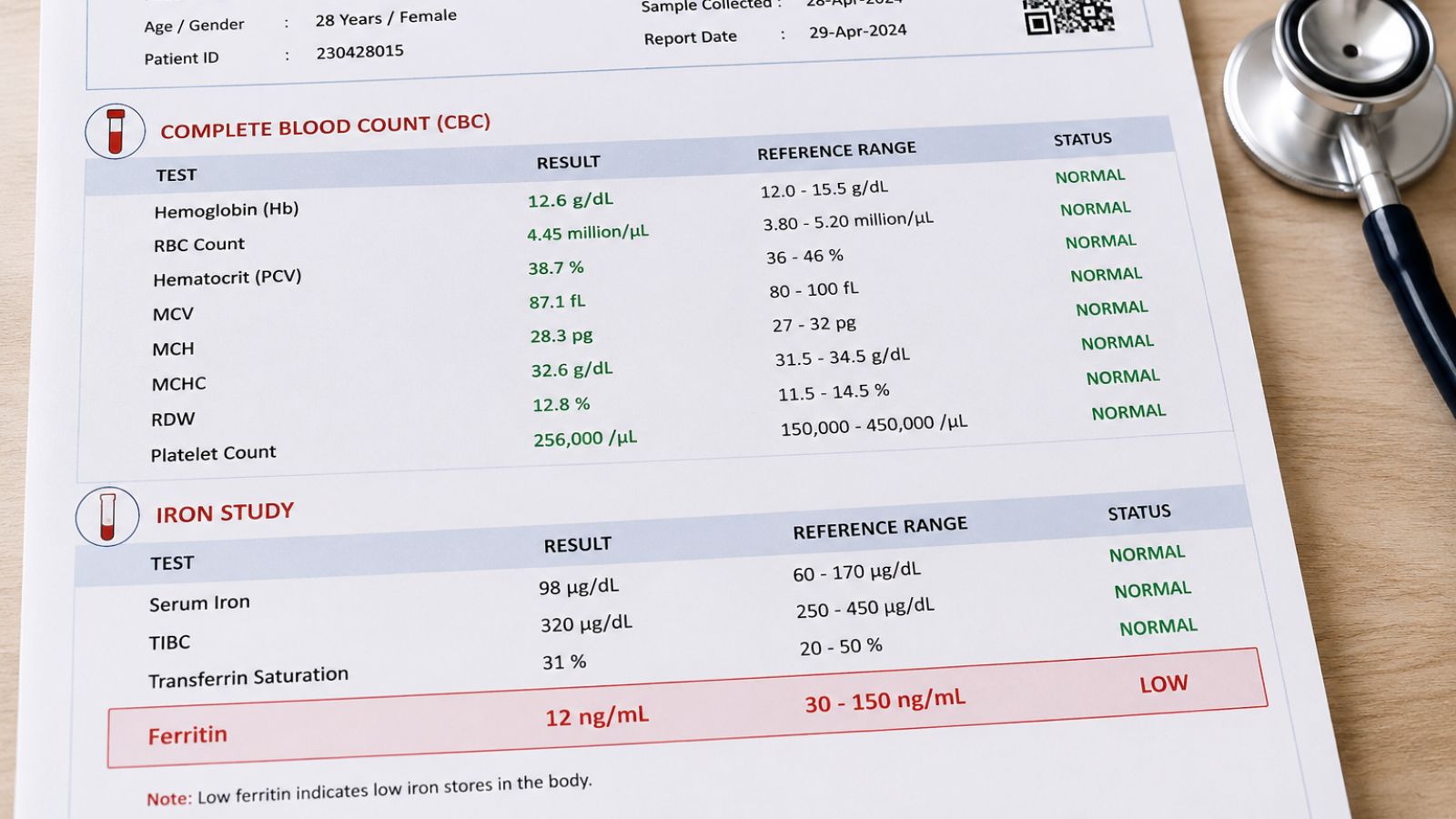
Many women have normal haemoglobin but low ferritin. This means the body is using its stored iron reserves. As a result, symptoms may appear long before iron deficiency anaemia develops.
Foods That Help Increase Ferritin
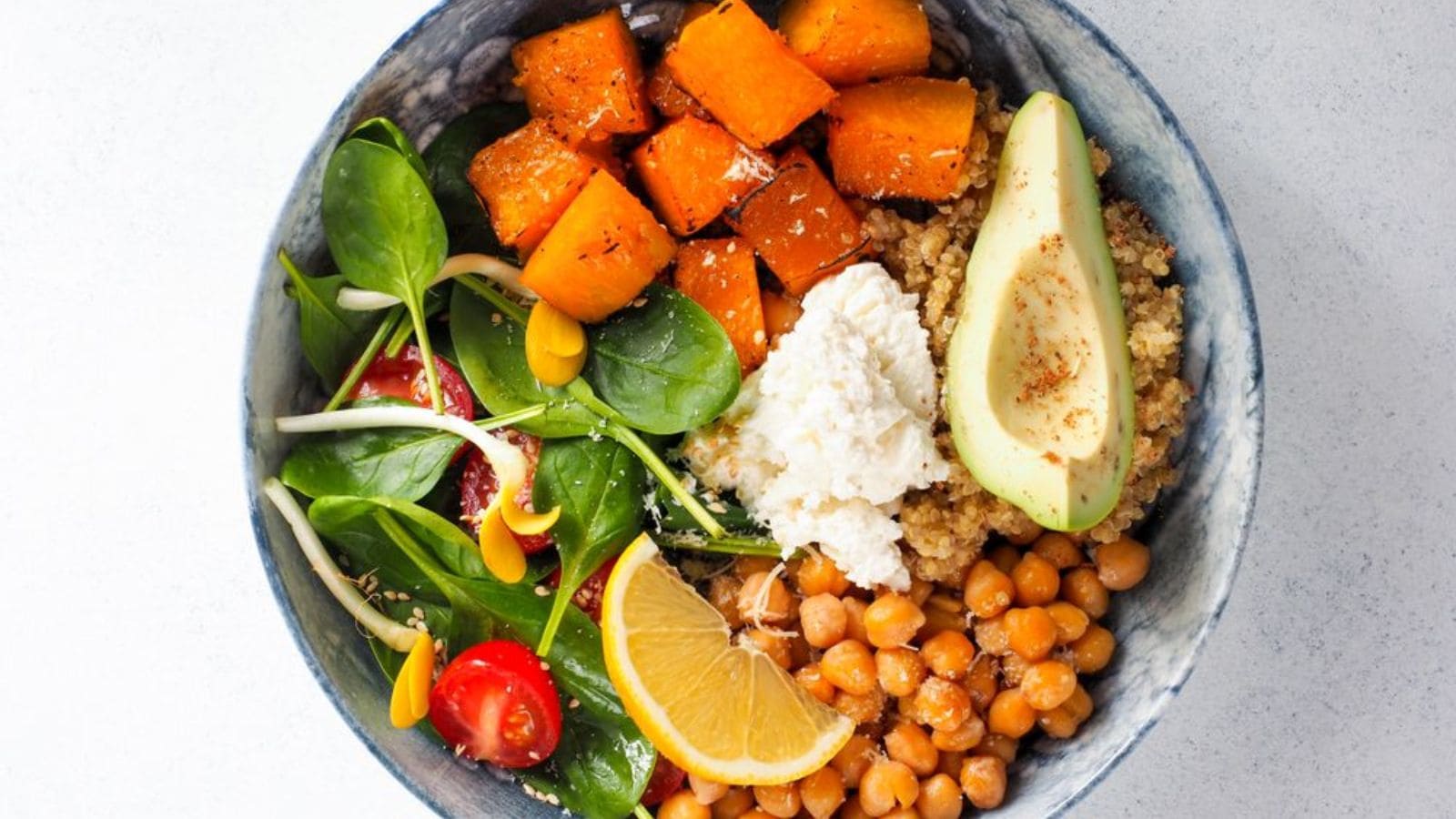
Eat iron-rich foods like lentils, chickpeas, kidney beans, spinach, moringa, tofu, pumpkin seeds, and sesame seeds. Pair them with vitamin C-rich foods like oranges or lemons to improve iron absorption.
Improve Iron Absorption (Image: AI)
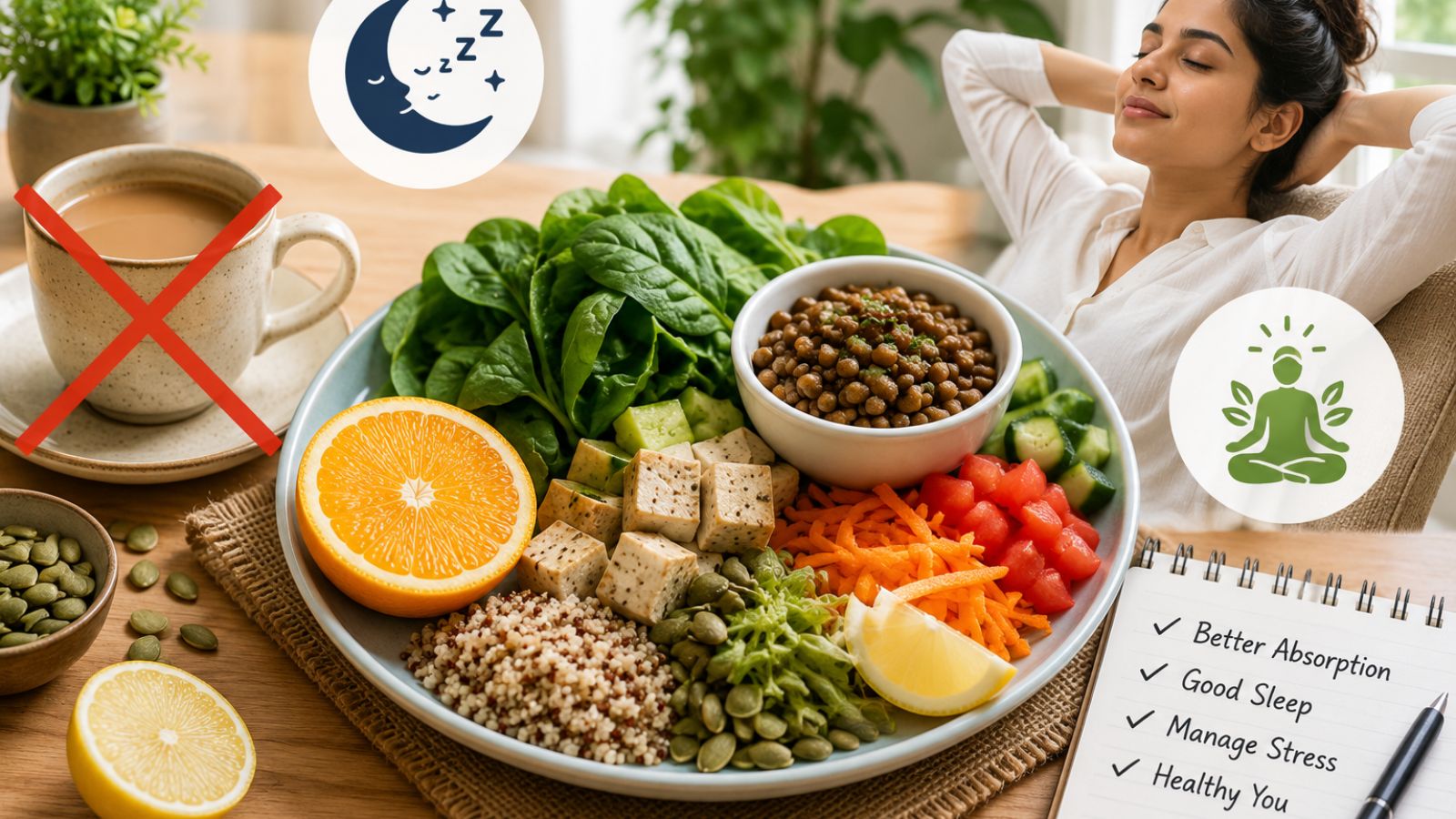
Avoid drinking tea or coffee with iron-rich meals because they reduce iron absorption. Good sleep, stress management, and treating gut or thyroid problems also help your body use iron more effectively.
Listen to Your Body
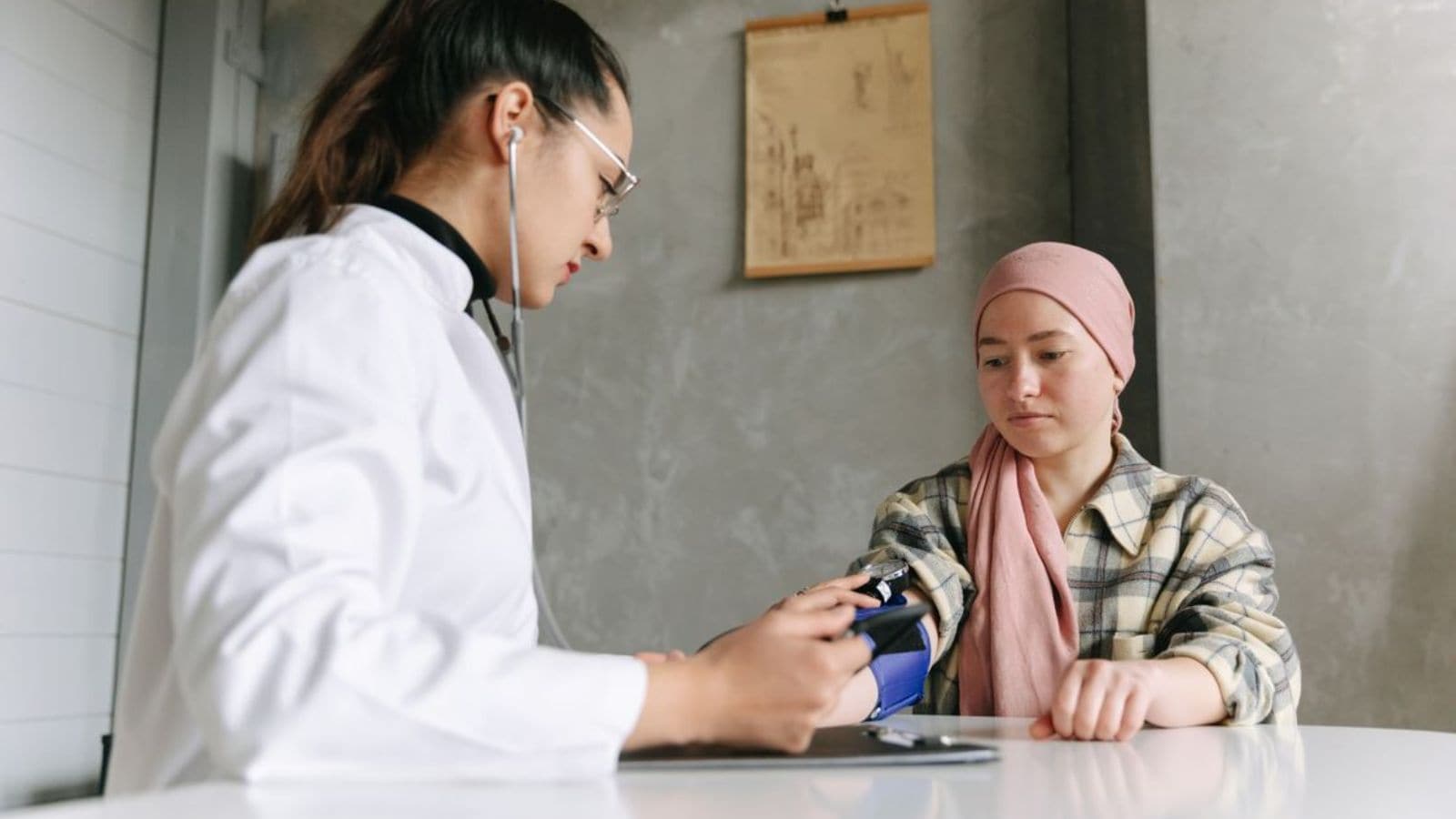
Don’t ignore ongoing tiredness, hair fall, or brain fog. If these symptoms continue, ask your doctor to check your ferritin levels. Finding the cause early can prevent future iron deficiency and improve your overall health.


